Clarissa Hana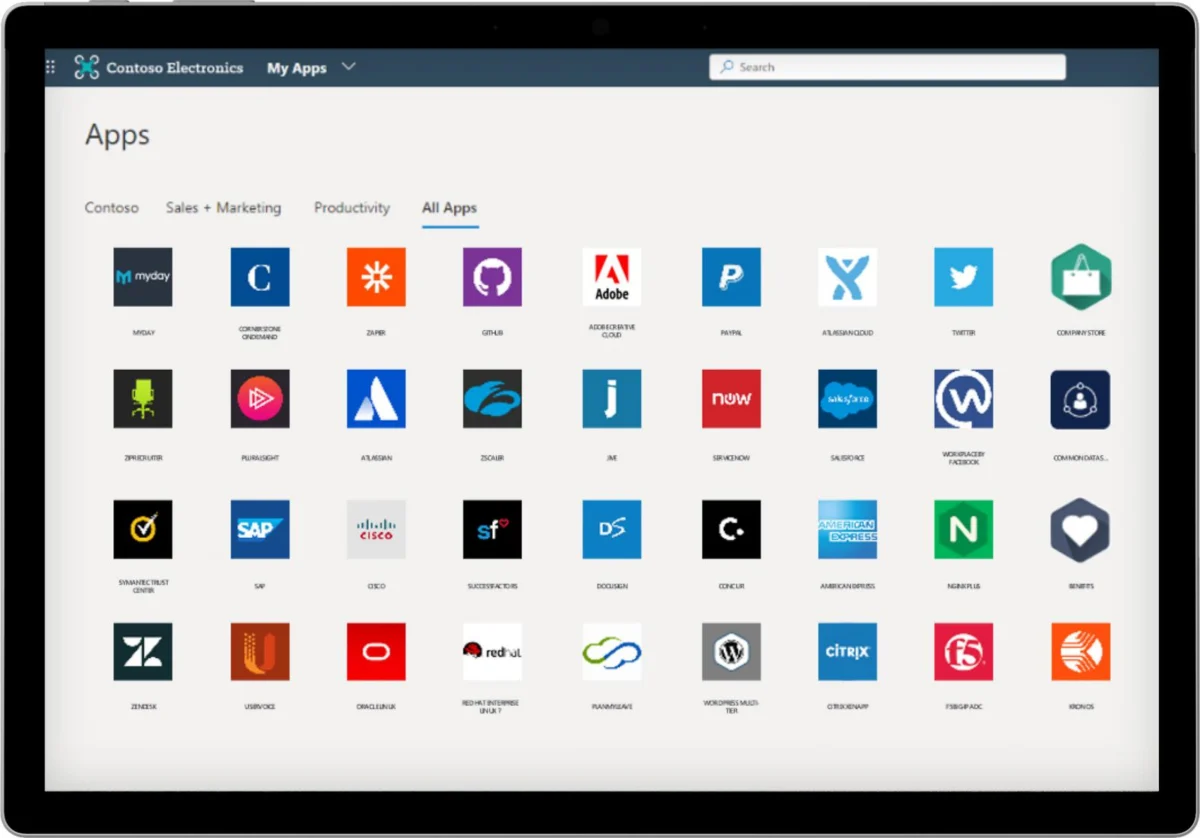
The Health Information Sharing and Analysis Center (Health-ISAC), a vital cybersecurity intelligence hub for the healthcare and public health sector, has issued a critical alert to its member organizations, warning of a significant and concerning increase in successful cyberattacks orchestrated by the notorious extortion gang known as ShinyHunters. These sophisticated attacks are primarily targeting cloud-based Software-as-a-Service (SaaS) platforms and data storage solutions, employing a dual strategy of supply chain compromises and identity-based assaults to exfiltrate sensitive information. The advisory underscores the escalating threat landscape for healthcare and medical technology organizations, highlighting the urgent need for enhanced security measures to safeguard patient data and critical infrastructure.
The Evolving Tactics of ShinyHunters: A Deep Dive into the Attack Chain
ShinyHunters has established a reputation for its aggressive and multi-faceted approach to cybercrime over the past two years. Their modus operandi often involves infiltrating third-party integration partners, a strategy that leverages the interconnected nature of modern cloud ecosystems. By successfully compromising these supply chain entities, the threat actors gain access to valuable OAuth tokens. These tokens serve as digital keys, granting them unauthorized entry into widely used SaaS providers such as Salesforce and Snowflake, platforms frequently utilized by healthcare organizations for managing patient records, billing, and operational data.
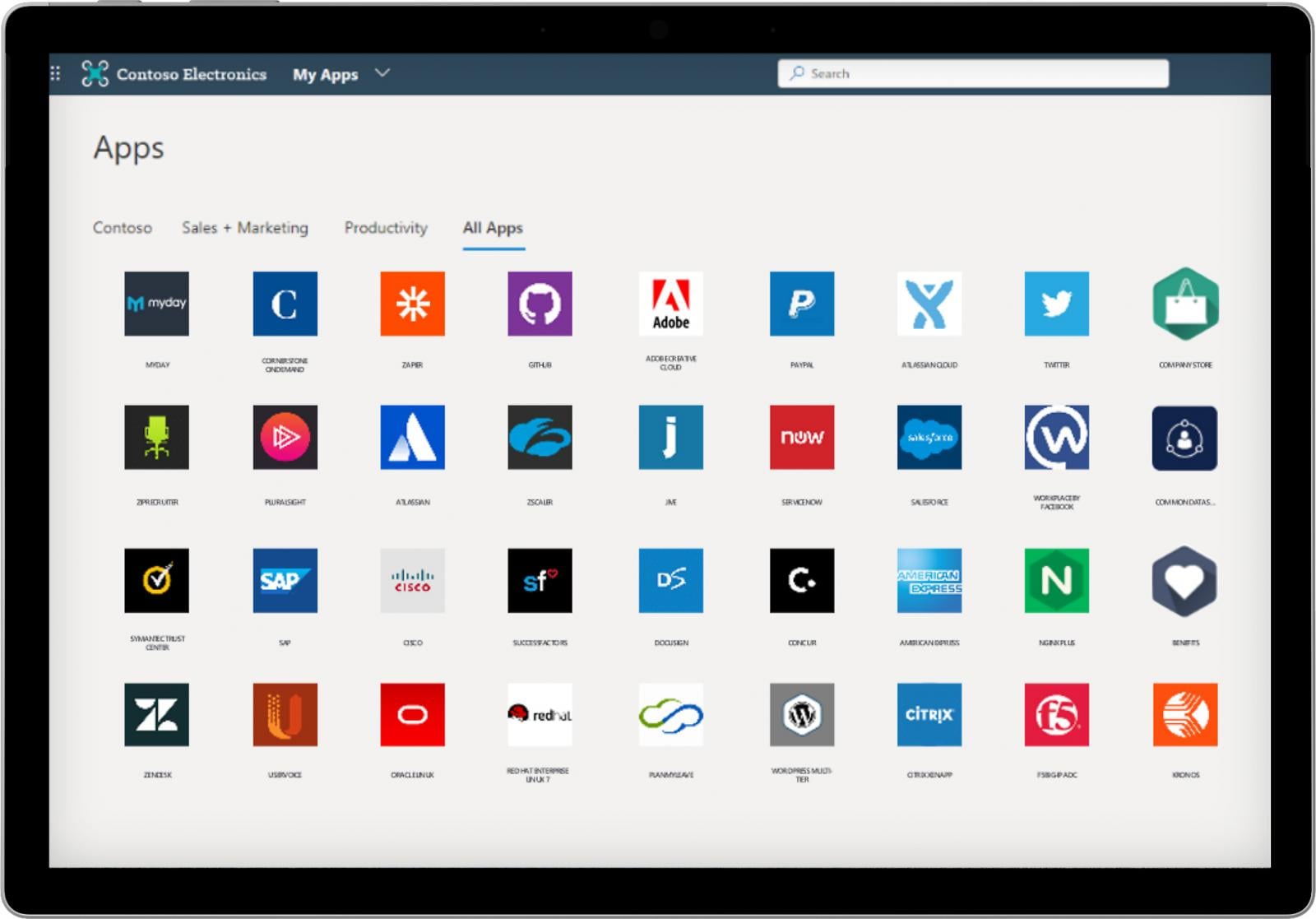
The gang’s proficiency extends to identity attacks, a cornerstone of their operations. This often begins with highly targeted social engineering campaigns, encompassing voice phishing (vishing) and traditional email phishing. The objective is to manipulate employees or even helpdesk personnel into compromising corporate single-sign-on (SSO) accounts. Once a foothold is established, ShinyHunters gains access to centralized authentication dashboards, including those managed by Okta, Microsoft Entra ID (formerly Azure AD), and Google Workspace. These dashboards act as command centers, listing all SaaS applications accessible to a compromised user.
This access provides ShinyHunters with a direct pathway into a multitude of critical applications. Salesforce, a perennial favorite target, alongside Microsoft 365, SharePoint, DocuSign, Slack, Atlassian suite products, Dropbox, and Google Drive, all become potential repositories for stolen data. The implications are profound: a single compromised SSO account can transform into a gateway to an organization’s entire cloud data ecosystem, enabling rapid and extensive data theft for subsequent extortion.

Timeline of Escalation and Notable Incidents
While the Health-ISAC advisory from July 24 does not specify the exact number of observed incidents or a precise timeframe for the surge, reports from BleepingComputer indicate that ShinyHunters has been actively targeting healthcare and medical technology companies. Notable incidents that have come to light include breaches affecting:
- Medtronic: The global medical technology giant disclosed a data breach in early 2023 that was attributed to ShinyHunters. The attack reportedly exposed sensitive customer information.
- DentaQuest: In a significant breach affecting millions of accounts, DentaQuest reported in April 2023 that a ransomware attack, later linked to ShinyHunters, compromised the personal and health information of approximately 26 million individuals.
- iRhythm: The digital healthcare company specializing in cardiac monitoring disclosed in July 2023 that it had experienced a data breach, with hackers claiming to have stolen patient data. The attack vector was consistent with ShinyHunters’ known tactics.
- OneMedical: While specific details remain less public, the primary care organization has also been reportedly impacted by ShinyHunters’ activities.
Health-ISAC’s recent incident reporting highlights a typical attack chain observed: ShinyHunters successfully employs vishing to manipulate multiple employees, leading to the compromise of a Microsoft Entra SSO account. This compromise, in turn, grants them access to steal data from Microsoft 365, SharePoint, and other connected enterprise platforms. It is crucial to note, however, that not all claims made by threat actors are fully verified, and cybersecurity professionals are advised to focus on the consistent attack pattern rather than the specific validity of every claim.
The Vishing Vector: Exploiting Human Trust
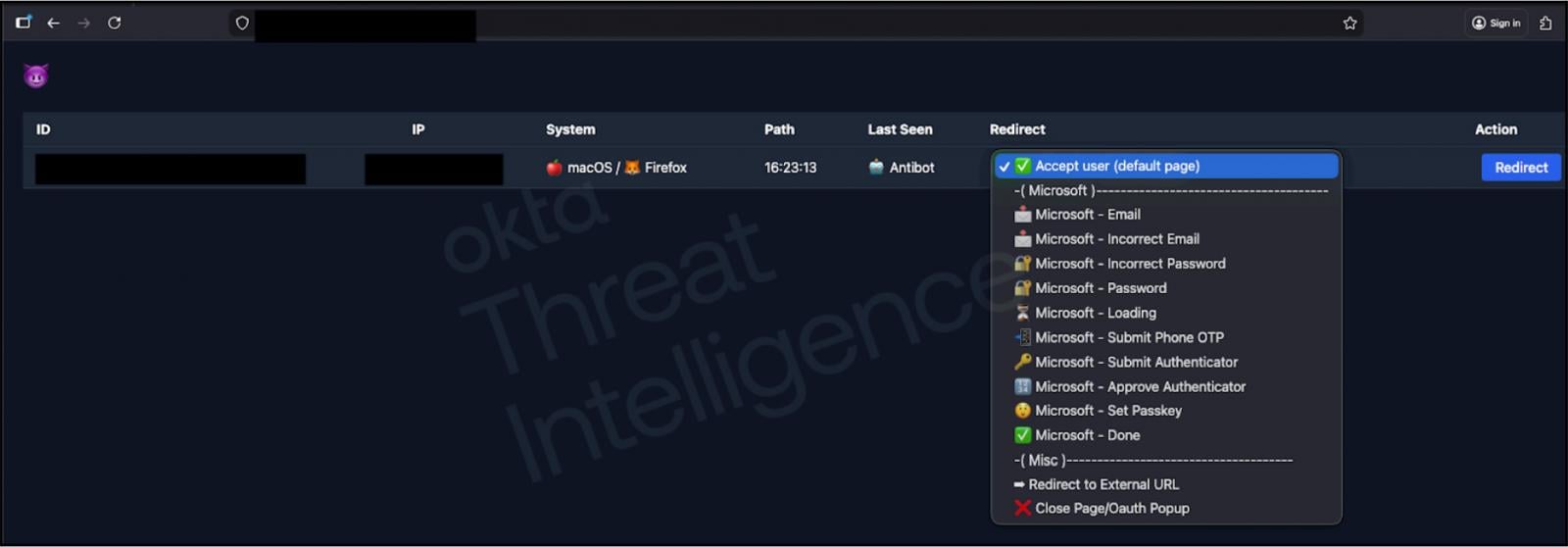
A critical element of ShinyHunters’ success lies in their sophisticated use of vishing. Instead of solely relying on automated phishing emails, they engage in live voice calls with targeted employees. BleepingComputer has previously reported on ShinyHunters’ utilization of custom phishing kits specifically designed for voice-based social engineering. These kits allow attackers to dynamically alter content and display realistic authentication dialogs in real-time during a call.
The Health-ISAC advisory details how these vishing attacks aim to manipulate helpdesk or IT support personnel into performing actions such as resetting passwords, altering multi-factor authentication (MFA) methods, or enrolling new devices under the attacker’s control. The attackers often impersonate legitimate users or IT staff, creating a veneer of authenticity that can bypass standard security protocols. This social engineering element exploits the inherent trust placed in internal support channels, making it a potent weapon.

Hardening the Front Lines: Mitigating SSO and Helpdesk Vulnerabilities
The Health-ISAC’s recommendations center on disrupting the attack chain at its earliest stages, specifically by bolstering the security of helpdesk operations and SSO systems. The organization emphasizes the critical need for robust identity verification processes.
Key Mitigation Strategies Recommended by Health-ISAC:
- Out-of-Band Identity Verification: For all requests involving password resets, MFA resets, or new device enrollments, organizations must implement out-of-band verification methods. This could involve calling the user back on a pre-verified phone number or requiring explicit manager approval for privileged accounts.
- "No Same-Call" Policy for Helpdesks: Helpdesk personnel should adhere to a strict policy that prevents the completion of sensitive reset requests during the same inbound call. All such requests should be logged as a formal support ticket, and a verified callback should precede any modifications to account settings.
- Enhanced Verification for High-Risk Users: Organizations must implement additional verification layers when changes are requested for individuals in high-risk roles, including executives, IT administrators, security personnel, and finance employees.
- Deployment of Phishing-Resistant MFA: For administrators, helpdesk staff, executives, and other high-risk groups, the deployment of phishing-resistant MFA solutions, such as FIDO2 or WebAuthn security keys, is strongly recommended.
- Restriction of SMS and Voice-Based Authentication: Organizations should disable or severely restrict the use of SMS and voice-based MFA methods, as these are susceptible to interception and social engineering.
- Stricter Controls for New MFA Factor Registration: The enrollment of new MFA factors should be subject to enhanced controls, such as requiring a managed device or adhering to strict conditional access policies.
- Treating SSO as "Tier 0" Assets: Single Sign-On systems should be classified as "Tier 0" assets, representing the most critical components of an organization’s security infrastructure. This classification mandates the highest level of protection, including MFA for access to sensitive cloud services, blocking legacy authentication protocols, and limiting administrative portals to managed devices.
Detecting and Responding to Cloud Data Theft
Beyond preventative measures, Health-ISAC stresses the importance of robust detection capabilities to identify and respond to cloud data theft. Centralizing identity and SaaS audit logs is paramount. Monitoring these logs for indicators of account takeover and large-scale data access is essential.
Key Detection Indicators:
- New MFA Registrations and Device Enrollments: Unusual patterns of new MFA factor registrations or device enrollments for an account can signal a compromise.
- Suspicious OAuth Grants: Unauthorized or unexpected OAuth application grants to an account warrant immediate investigation.
- Unusual API Activity: Anomalous API calls originating from a compromised account can indicate data exfiltration attempts.
- Bulk File Downloads: A sudden surge in bulk file downloads from cloud storage services associated with a user account is a strong red flag.
Furthermore, organizations are advised to implement strict controls on API tokens and third-party integrations, requiring explicit approval for access to sensitive data. The incident response capabilities of healthcare organizations must be agile enough to quickly revoke active sessions, reset credentials, and disable malicious OAuth applications when a threat is detected.
Broader Impact and Implications for the Healthcare Ecosystem
The escalating threat from groups like ShinyHunters poses a significant and multifaceted risk to the healthcare sector. The potential for massive data breaches involving Protected Health Information (PHI) carries severe consequences, including regulatory penalties under HIPAA, financial losses from ransomware demands, and irreparable damage to patient trust and organizational reputation.
The interconnectedness of the healthcare ecosystem, with its reliance on numerous third-party vendors and cloud services, creates a broad attack surface. ShinyHunters’ ability to exploit supply chain vulnerabilities means that a breach at one vendor can have cascading effects across multiple healthcare providers.
The increased focus on vishing highlights a critical gap in traditional cybersecurity awareness training, which often prioritizes email phishing. Organizations must now invest in comprehensive training programs that educate employees about the nuances of social engineering conducted over voice channels.
Looking Ahead: A Call to Action
Health-ISAC urges healthcare organizations to treat this warning with the utmost urgency. Over the next 30 to 60 days, the following actions should be prioritized:
- Phishing-Resistant MFA Rollout: Accelerate the deployment of phishing-resistant MFA for all high-risk users.
- Helpdesk Procedure Reinforcement: Conduct a thorough review and strengthening of helpdesk reset and verification procedures.
- Conditional Access Policy Enforcement: Ensure robust conditional access policies are in place and actively enforced.
- Incident Response Drills: Regularly test and refine incident response capabilities, particularly concerning the containment of compromised cloud accounts.
The battle against sophisticated threat actors like ShinyHunters requires a proactive, multi-layered defense strategy. By fortifying identity controls, enhancing helpdesk security, and fostering a culture of security awareness, the healthcare sector can better defend itself against the persistent and evolving threats to its critical data and patient well-being. The Health-ISAC’s alert serves as a stark reminder that vigilance and continuous adaptation are no longer optional, but essential components of cybersecurity in the modern healthcare landscape.