George Chandra Eka
Hyundai Motor Group is reportedly preparing to acquire Softbank Group Corp.’s remaining stake in Boston Dynamics, a move that would grant the Korean automotive giant complete ownership of the pioneering robotics company. This strategic acquisition underscores Hyundai’s ambitious vision to accelerate the development, validation, and widespread commercialization of advanced robotics and Physical AI technologies, with a particular focus on the highly anticipated Atlas humanoid robot. The transaction, if finalized, would mark a pivotal moment in the convergence of automotive manufacturing prowess and cutting-edge robotics.
Details of the Strategic Acquisition
According to reports from Bloomberg, Hyundai is currently reviewing its contractual rights and obligations to purchase Softbank’s residual 9.9 percent stake in Boston Dynamics. This stake is estimated to be valued at approximately $325 million, reflecting the significant appreciation and strategic importance of Boston Dynamics in the rapidly evolving robotics landscape. This impending deal follows Hyundai’s initial acquisition in 2020, when it purchased an 80 percent controlling stake in Boston Dynamics from Softbank in a deal valued at approximately $1.1 billion. At that time, Softbank retained a 20 percent share, which was later reduced to 9.9 percent. Securing the remaining portion would consolidate Boston Dynamics fully under Hyundai’s corporate umbrella, enabling a more streamlined and integrated approach to its future endeavors.
The full integration of Boston Dynamics into Hyundai is not merely a financial transaction but a foundational step towards realizing Hyundai’s long-term "Future Mobility" strategy. This strategy envisions a future where robotics, artificial intelligence, and autonomous systems play a central role not only in transportation but across various industries, including logistics, manufacturing, and even personal assistance. Full control over Boston Dynamics would provide Hyundai with an unparalleled competitive edge in developing an end-to-end AI robotics chain, from research and development to manufacturing and deployment.
Hyundai’s Vision for an End-to-End AI Robotics Chain
Hyundai has openly articulated its commitment to becoming a leader in the global robotics market. In a statement to Bloomberg, the company emphasized that through this integrated approach, the group aims to "accelerate the development, validation and commercialization of Physical AI technologies and robotics solutions." This signifies a shift beyond merely owning a robotics company to actively integrating its capabilities into Hyundai’s core operations and expanding its reach into new markets. The synergy between Hyundai’s extensive manufacturing expertise, particularly in large-scale production, and Boston Dynamics’ advanced robotics R&D is expected to unlock significant potential for innovation and market penetration.
The automotive industry itself is undergoing a profound transformation, moving beyond traditional vehicle manufacturing to embrace a broader ecosystem of mobility solutions. Robotics, particularly humanoid robots capable of complex tasks, are seen as critical components of this future. Hyundai’s investment reflects a proactive strategy to diversify its revenue streams and establish itself at the forefront of this technological revolution, leveraging robotics to enhance efficiency in its own factories while also creating new product lines for external customers.
The Atlas Robot: Spearheading Commercialization Efforts
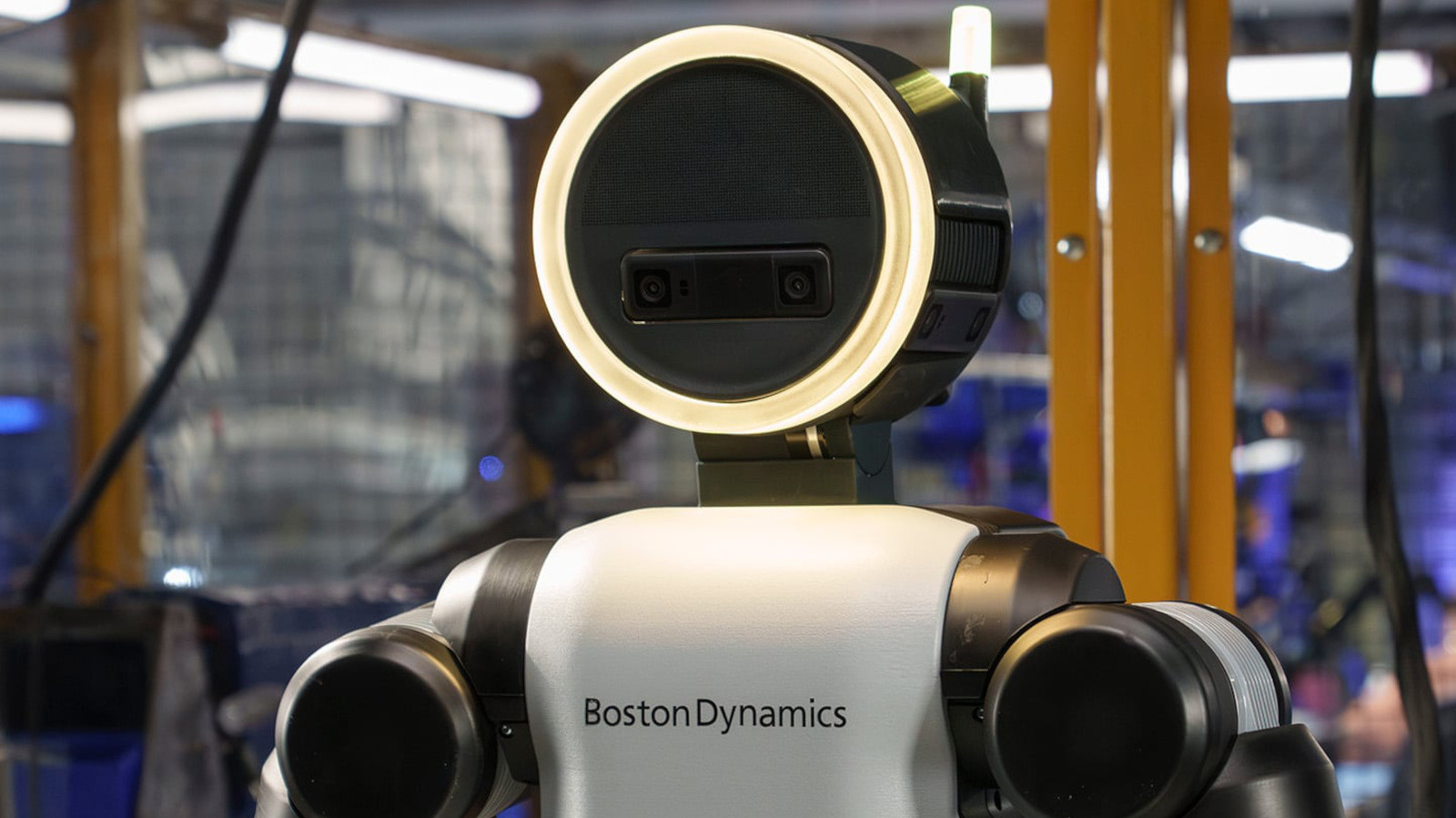
Central to Hyundai’s ambitious plans is the accelerated commercialization of Boston Dynamics’ Atlas humanoid robot. Atlas, renowned for its unparalleled agility, balance, and ability to perform complex maneuvers, has captivated audiences worldwide through its viral videos showcasing feats of parkour, dancing, and intricate manipulation. After years of intensive research and development, Boston Dynamics unveiled a production-ready version of Atlas at the Consumer Electronics Show (CES) earlier this year, signaling its readiness to transition from a research prototype to a commercially viable product.
The development trajectory of Atlas has been remarkable. Initially designed as a research platform for advanced locomotion and manipulation, Atlas has consistently pushed the boundaries of what humanoid robots can achieve. Its sophisticated hydraulic system, advanced control algorithms, and perception capabilities allow it to navigate complex environments, adapt to unforeseen obstacles, and perform dynamic movements that mimic human dexterity. The shift towards a "production-ready" model indicates that Boston Dynamics has focused on robustness, reliability, and manufacturability, essential steps for mass deployment.
Recent public appearances have further highlighted Atlas’s growing capabilities and potential. At the FIFA World Cup, Atlas made a notable appearance, walking down the player tunnel and ceremonially handing over the match ball to a referee. This demonstration, while symbolic, showcased the robot’s ability to operate in public, dynamic environments and interact with humans in a practical, if still limited, capacity. Such public engagements serve not only to demonstrate technological prowess but also to build public familiarity and acceptance of advanced humanoid robotics.
A Roadmap for Mass Production and Deployment
Hyundai’s long-term strategy for Atlas includes establishing a dedicated manufacturing facility in Georgia, with production slated to commence around 2028. The company aims for an ambitious production target of as many as 30,000 humanoid machines annually. This scale of production underscores Hyundai’s confidence in the market demand for humanoid robots and its intention to industrialize their manufacturing processes.
Initially, Atlas robots are envisioned to undertake relatively simpler, albeit critical, tasks within industrial settings, such as logistics and welding. These applications leverage Atlas’s ability to move heavy objects, navigate warehouses, and perform repetitive, precise actions that can be dangerous or monotonous for human workers. By 2030, Boston Dynamics anticipates that Atlas will evolve to handle more complex manufacturing and component assembly processes. This progression implies continuous improvement in dexterity, AI-driven decision-making, and integration with existing factory automation systems. The ability to perform delicate assembly tasks would open up vast possibilities across various manufacturing sectors, from electronics to automotive.
To achieve these advanced capabilities, Hyundai and Boston Dynamics are collaborating with leading technology partners. NVIDIA, a powerhouse in AI computing and graphics processing, and Google DeepMind, renowned for its cutting-edge artificial intelligence research, are key allies in refining Atlas’s intelligence, perception, and control systems. These partnerships are crucial for embedding the next generation of AI into Atlas, enabling it to learn, adapt, and operate autonomously in increasingly complex and unstructured environments.
A Brief History of Boston Dynamics: From Academia to Industry Leader
The journey of Boston Dynamics is a testament to persistent innovation in robotics. Founded in 1992 as a spin-off from the Massachusetts Institute of Technology (MIT), the company initially focused on developing advanced robots for military applications, often funded by DARPA (Defense Advanced Research Projects Agency). Its early creations, like BigDog and Cheetah, showcased unprecedented capabilities in locomotion and dynamic balance, quickly garnering global attention.
In 2013, Google acquired Boston Dynamics, integrating it into its burgeoning robotics division. Under Google, the company continued its pioneering research, producing more agile and sophisticated robots like Spot (initially known as SpotMini) and the early iterations of Atlas. However, Google’s long-term vision for robotics shifted, leading to the sale of Boston Dynamics to Softbank Group in 2017.
Softbank, through its Vision Fund, aimed to create a portfolio of leading technology companies, with robotics being a significant area of interest. Under Softbank’s ownership, Boston Dynamics made significant strides in commercializing Spot, its dog-like robot, which found applications in various industries from construction monitoring to remote inspection. The focus began to shift from pure research to product development and market readiness. The 2020 acquisition by Hyundai marked another significant chapter, bringing the company under the wing of a major industrial player with vast manufacturing capabilities and a clear strategic imperative for robotics.
Softbank’s Evolving Investment Strategy
Softbank’s decision to divest its remaining stake in Boston Dynamics is consistent with its broader strategy of portfolio optimization and capital reallocation, particularly within its Vision Fund. Over recent years, Softbank has made significant efforts to streamline its diverse investment portfolio, selling off stakes in various companies to generate liquidity and focus on core strategic areas, or to support new investments. The performance of the Vision Fund has seen fluctuations, prompting a more disciplined approach to its holdings.
The sale of Boston Dynamics, initially in 2020 and now the remaining stake, allows Softbank to realize substantial returns on its investment while freeing up capital for other ventures. For a company like Softbank, which often takes early-stage, high-risk bets on disruptive technologies, exiting mature investments once they have reached a certain valuation or strategic inflection point is a standard practice. This move underscores a calculated financial decision rather than a reflection on Boston Dynamics’ potential.
Broader Market Context: The Rise of Physical AI
The acquisition comes at a time when the global technology landscape is increasingly focused on the integration of artificial intelligence into physical products – a concept often referred to as "Physical AI." While software AI has revolutionized data processing, natural language, and digital services, the next frontier involves intelligent machines that can interact with the real world, performing tasks autonomously and adaptively.
Humanoid robots like Atlas represent the pinnacle of Physical AI, combining advanced perception, mobility, manipulation, and cognitive capabilities. The market for such robots is projected to grow exponentially, driven by factors such as labor shortages in manufacturing and logistics, the demand for automation in hazardous environments, and the potential for new services in healthcare and personal assistance. Companies like Tesla are also heavily investing in humanoid robot development (e.g., Optimus), signaling a burgeoning competitive landscape in this sector. Hyundai’s move to fully acquire Boston Dynamics positions it strategically to capitalize on this megatrend, leveraging its established industrial infrastructure and market reach.
Implications for Hyundai and the Robotics Sector
The complete acquisition of Boston Dynamics carries profound implications for Hyundai Motor Group. Foremost, it provides Hyundai with full strategic control, allowing for seamless integration of Boston Dynamics’ R&D with Hyundai’s manufacturing and business development units. This synergy is expected to accelerate product development cycles and reduce time-to-market for new robotics solutions. By owning the entire intellectual property and development roadmap, Hyundai can align Boston Dynamics’ innovations directly with its corporate goals, including its push into autonomous vehicles, smart factories, and future mobility services.
From a manufacturing perspective, Hyundai’s expertise in large-scale, high-quality production is invaluable. The challenge for many robotics companies has been scaling from prototypes to mass production. Hyundai brings this capability to the table, along with a robust supply chain and global distribution networks. This could enable Boston Dynamics to achieve its ambitious production targets for Atlas, making humanoid robots a reality in industrial settings much faster than previously imagined.
For the broader robotics sector, this acquisition signals a maturing market for advanced robots. It validates the commercial potential of highly capable, dynamic robots and is likely to spur further investment and competition. The focus on commercializing Atlas, particularly for industrial applications, demonstrates a pragmatic approach to introducing humanoid robots into the workforce, starting with well-defined tasks before potentially expanding to more complex human-robot collaboration scenarios.
However, the path to widespread humanoid robot adoption is not without challenges. Technical hurdles remain in areas like robust perception in unstructured environments, dexterous manipulation of diverse objects, and seamless human-robot interaction. Ethical considerations surrounding job displacement, safety, and the societal impact of intelligent autonomous machines will also require careful navigation and policy development. Hyundai, with its enhanced control over Boston Dynamics, will be at the forefront of addressing these challenges, shaping the future trajectory of humanoid robotics.
In conclusion, Hyundai’s move to take full control of Boston Dynamics is a declarative statement of its intent to become a dominant force in the global robotics and Physical AI market. By integrating Boston Dynamics’ unparalleled technological expertise with its own industrial might, Hyundai is positioning itself to lead the charge in bringing advanced humanoid robots like Atlas from the laboratory to widespread commercial deployment, fundamentally reshaping industries and the future of work.