Vera Intan Clara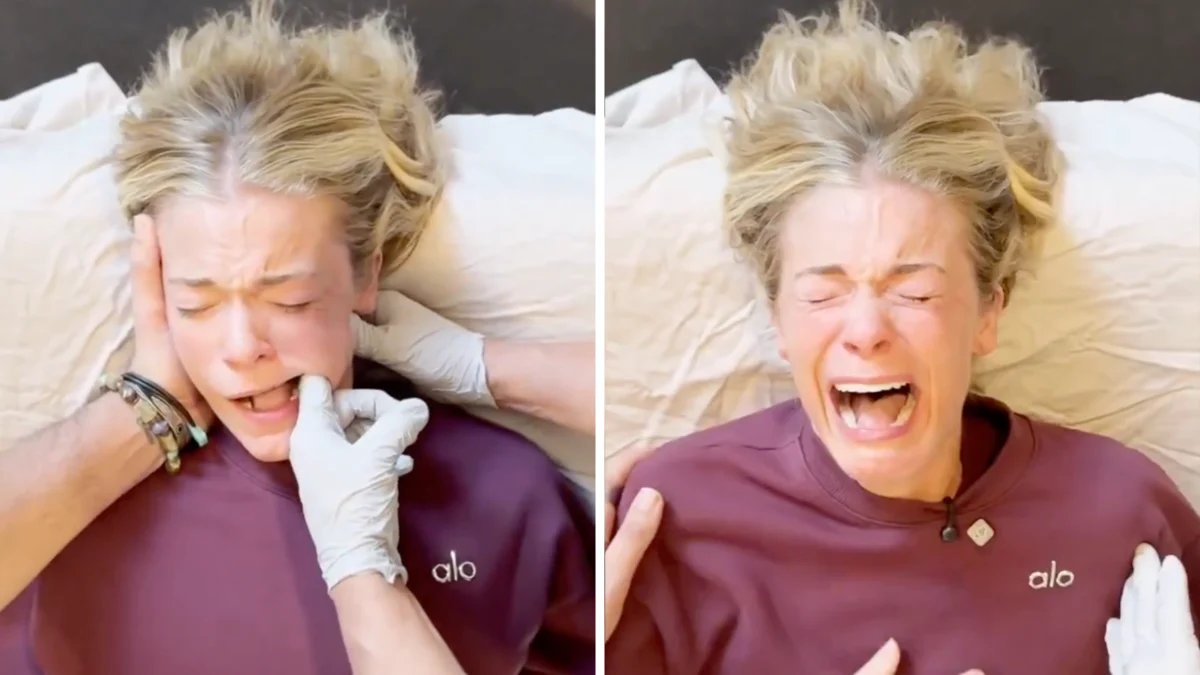
The renowned singer LeAnn Rimes recently garnered significant attention across social media platforms after sharing a video depicting herself in a deeply emotional state, sobbing during a bodywork technique known as a "deep jaw release." This widely circulated footage has left fans and observers alike in a state of equal parts concern for Rimes’ well-being and intrigue regarding the efficacy and scientific basis of the procedure, which claims to unlock stored stress and emotion through intense physical manipulation. The incident has thrust into the spotlight a burgeoning corner of the wellness industry, where alternative therapies like "fascial maneuvers" are gaining traction despite a prevailing lack of rigorous scientific validation.
The Viral Moment: A Deep Emotional Release
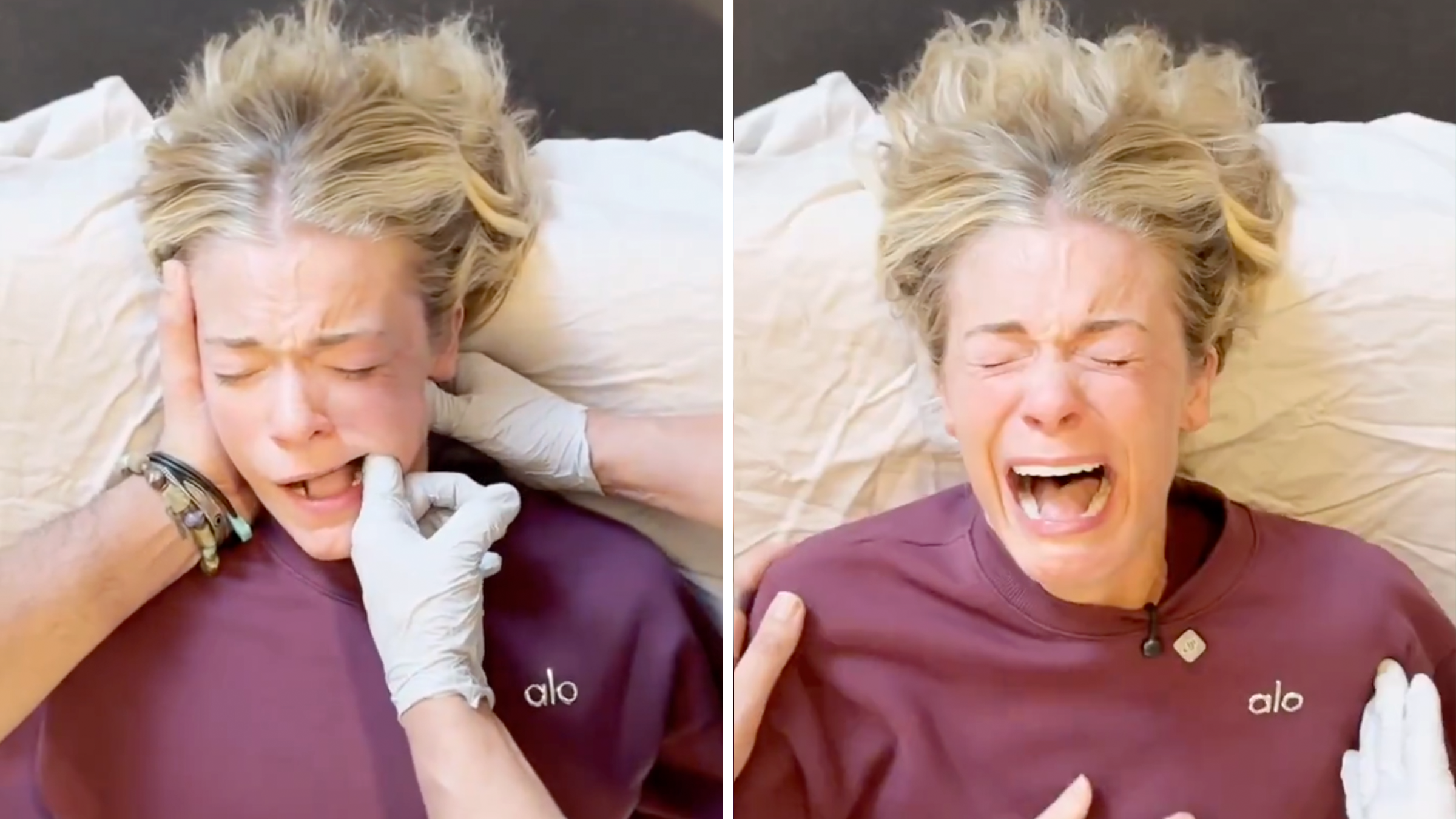
The incident unfolded on Sunday, March 30, 2026, when Garry Lineham, a practitioner of fascial maneuvers and a self-described expert in "human programming," posted an Instagram Reel showcasing his session with the "Blue" singer. The video quickly went viral, capturing a raw and intense moment as Lineham massaged an area of Rimes’ jaw from inside her mouth. Rimes’ reaction was immediate and profound; she is seen almost shouting, then moaning, and subsequently breaking down into profound sobs while lying on the treatment table.
During this emotionally charged release, Lineham could be heard offering specific instructions, guiding Rimes through the experience. "Say, ‘that part of my life is over,’" he prompted. Rimes, still visibly emotional but with a hint of relief, responded with a mix of laughter and earnestness, stating, "That part of my life better be over. Oh my god, you just don’t realize how much tension is in there." Her candid remark resonated with many viewers, highlighting the often-unacknowledged physical manifestations of prolonged stress and emotional burden. The unvarnished nature of the video, coupled with Rimes’ celebrity status, propelled the discussion into mainstream consciousness, prompting a broad spectrum of reactions from empathy to skepticism.
Understanding the "Deep Jaw Release" and Fascial Maneuvers
At the core of the discussion is the technique itself: the "deep jaw release" as part of broader "fascial maneuvers." In the video’s description, Garry Lineham articulated his theoretical framework, positing the jaw as "one of the body’s primary storage sites for stress." He elaborated, "When we hold back our voice or push through pressure, the fascia in the face and neck ‘locks’ to protect us. By using the maneuvers to signal safety to the nervous system, we can finally allow that stored energy to move." This explanation suggests a holistic approach, linking physical tension directly to emotional suppression and the body’s protective mechanisms.
To fully grasp Lineham’s claims, it is essential to understand the concept of fascia. According to Johns Hopkins Medicine, fascia is a thin, intricate casing of connective tissue that envelops and supports every organ, blood vessel, bone, nerve fiber, and muscle throughout the body. It forms a continuous, interconnected web, crucial for structural integrity and movement. When subjected to chronic stress, trauma, or habitual postures, this tissue can tighten, stiffen, and lose its elasticity, leading to restricted movement, chronic pain, and a feeling of being "locked up." Proponents of fascial release techniques believe that by manually manipulating these tissues, they can alleviate these physical restrictions and, in doing so, release associated emotional blockages or stored memories.
Lineham’s practice falls under the general umbrella of manual therapies that often draw parallels with Osteopathic Manipulative Treatment (OMT). OMT is a hands-on approach used by Doctors of Osteopathic Medicine (DOs) to diagnose, treat, and prevent illness or injury. The underlying theory of OMT is that the body is an integrated whole, and its inherent ability to heal itself can be enhanced by addressing structural imbalances. Therefore, treatment for conditions like chronic pain often involves a "whole-body approach," utilizing various techniques including massage, stretching, articulation, and gentle pressure to restore proper body mechanics and facilitate self-healing. While OMT is a recognized medical practice, the specific "fascial maneuvers" demonstrated by Lineham, particularly those involving intra-oral manipulation for emotional release, often extend beyond the conventionally accepted scope and evidence base of OMT.
The Scientific Scrutiny: Efficacy Versus Experience
Despite the dramatic and seemingly cathartic experience undergone by LeAnn Rimes, the scientific community maintains a cautious stance on the broader claims made by practitioners of "fascial maneuvers" and similar bodywork techniques, especially concerning their direct role in emotional release or "unlocking stored memories." The original article noted that these methods "aren’t exactly backed by science," a sentiment echoed by many in evidence-based medicine.
A comprehensive review published in 2020 examining perspectives on OMT affirmed that while modern medicine generally considers OMT safe when performed by qualified practitioners, "there is limited evidence on its efficacy in treating chronic pain." The most notable exception where OMT has shown some consistent positive results is in the treatment of chronic lower back pain. This condition is remarkably prevalent, affecting an estimated 75.8 million American adults in 2018, according to statistics from the Centers for Health Affairs. This distinction is crucial: while OMT may offer relief for certain musculoskeletal conditions, extrapolating its efficacy to encompass the release of deep emotional trauma or "human programming" requires far more robust scientific inquiry.
The challenge in validating such therapies lies in their subjective nature and the difficulty of designing controlled studies for complex, individualized manual treatments. Critics often point out that the profound emotional responses observed during sessions, while undeniably real for the individual, might stem from a combination of factors including the placebo effect, intense physical sensation, a safe therapeutic environment, and the individual’s psychological readiness for an emotional release, rather than solely the specific manipulative technique itself. The absence of clear, reproducible physiological markers for "stored emotion" further complicates objective measurement and validation.
A Spectrum of Reactions: From Empathy to Skepticism
The viral video ignited a fervent discussion across social media, particularly on X (formerly Twitter), revealing a stark divide between those who resonated deeply with Rimes’ experience and those who approached it with considerable skepticism.
Among the proponents and those intrigued by the potential benefits was Jonny Miller, who runs a "Nervous System Mastery" bootcamp. Miller attempted to provide a physiological explanation for Rimes’ reaction, asserting that "LeAnn Rimes is having her masseter worked on, one of the most densely vascularized areas in a human body." He continued, "When sufficient safety + presence + pressure are applied to clenched areas, it creates the conditions for a latch to open… which allows for the completion of buffered emotional responses and more interceptive awareness." Miller’s explanation suggests that the intense physical manipulation in a sensitive area, coupled with a therapeutic environment, can indeed trigger a release of pent-up emotional and physical tension, leading to a heightened self-awareness.
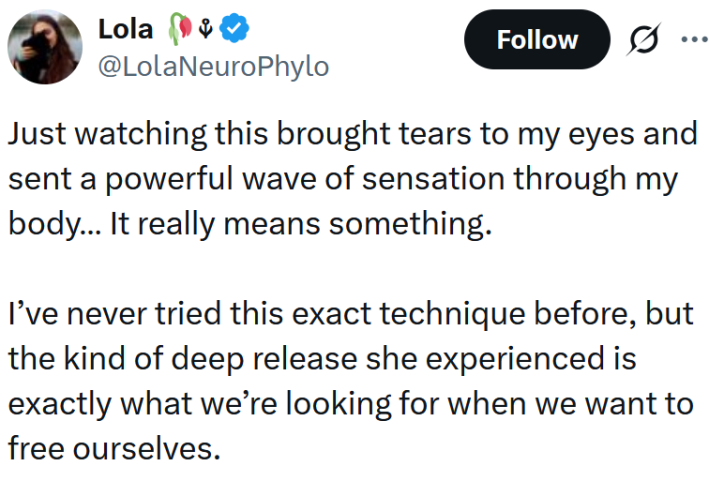
Many social media users echoed this sentiment, sharing their own experiences or expressing a desire to try the technique. User @LolaNeuroPhylo commented, "Just watching this brought tears to my eyes and sent a powerful wave of sensation through my body… It really means something. I’ve never tried this exact technique before, but the kind of deep release she experienced is exactly what we’re looking for when we want to free ourselves." Such responses underscore the pervasive human quest for relief from chronic stress and emotional burdens, and the powerful impact that witnessing another person’s catharsis can have. The desire for "deep release" speaks to a societal need for effective tools to manage the complexities of modern life.
However, a significant portion of the online discourse leaned towards skepticism, questioning the scientific legitimacy and long-term efficacy of such dramatic interventions. User @imonitie_lucky1 encapsulated this critical perspective, asking, "Is this legit science or more wellness theater? The reactions are dramatic, but does it actually help long term or just feel intense in the moment?" This question highlights a fundamental concern: whether the intense emotional experience translates into sustainable therapeutic benefits or is merely a transient, albeit powerful, sensation.
Concerns were also voiced by practitioners within the broader somatic (body) work community. Psychotherapist Stephen Buehler, for instance, offered a nuanced critique, emphasizing the importance of agency in therapeutic work. He stated, "Somatic work should expand a person’s agency: their capacity to sense & shape their own embodied experience. When it shifts toward ‘releasing’ someone by forcefully acting on their body, that person risks becoming a vehicle for experience rather than an active participant in it." Buehler’s observation points to an ethical dimension, suggesting that truly empowering somatic practices should foster an individual’s internal resources and self-regulation, rather than relying on external manipulation to induce a "release." This perspective cautions against approaches that might inadvertently diminish a person’s sense of control over their own healing process.
Broader Implications: The Wellness Industry and the Search for Healing
The LeAnn Rimes incident serves as a microcosm of broader trends within the rapidly expanding wellness industry. The prominence of "influencers" like Garry Lineham, who are not necessarily medically trained but command significant online followings, highlights the evolving landscape of health information dissemination. These figures often leverage social media to promote unconventional therapies, blending personal testimonials with speculative scientific claims, creating a powerful narrative that appeals to individuals disillusioned with conventional medicine or seeking alternative paths to well-being.
The intense public interest in the "deep jaw release" also reflects a widespread societal struggle with stress, anxiety, and the psychological toll of modern life. In an era marked by constant digital connectivity, demanding work environments, and global uncertainties, many individuals are actively seeking novel and effective methods to cope with emotional and physical tension. The allure of a quick, dramatic release, particularly one endorsed by a celebrity, can be incredibly compelling for those feeling overwhelmed and searching for immediate relief.
This phenomenon underscores the critical need for media literacy and critical thinking when evaluating health and wellness claims. While personal anecdotes and celebrity endorsements can draw attention to new approaches, they do not substitute for rigorous scientific evidence. The distinction between complementary therapies—which may support conventional treatments—and alternative therapies—which may be used instead of conventional treatments and often lack robust evidence—becomes increasingly blurred in the digital sphere.
Furthermore, the discussion around fascial maneuvers and similar bodywork techniques raises important ethical considerations for practitioners. Ensuring informed consent, maintaining clear professional boundaries, possessing appropriate qualifications, and adhering to evidence-based practices are paramount, especially when interventions involve deep tissue manipulation and purport to address profound emotional states. The potential for vulnerability in clients seeking relief from deeply held emotional pain necessitates a high degree of responsibility and ethical conduct from practitioners.
In conclusion, LeAnn Rimes’ viral video has done more than just offer a glimpse into a celebrity’s personal wellness journey; it has ignited a significant public conversation about the intersection of personal experience, alternative therapies, and scientific validation. While the emotional power of such releases is undeniable for individuals like Rimes, the scientific community continues to advocate for caution and evidence-based approaches. The ongoing debate between subjective, powerful personal experiences and objective scientific data will likely continue to shape how individuals navigate the complex and ever-evolving landscape of health and well-being. The public’s sustained interest in methods promising profound healing underscores a collective yearning for effective solutions to the pervasive challenges of stress and emotional well-being in the 21st century.