Galang Taruna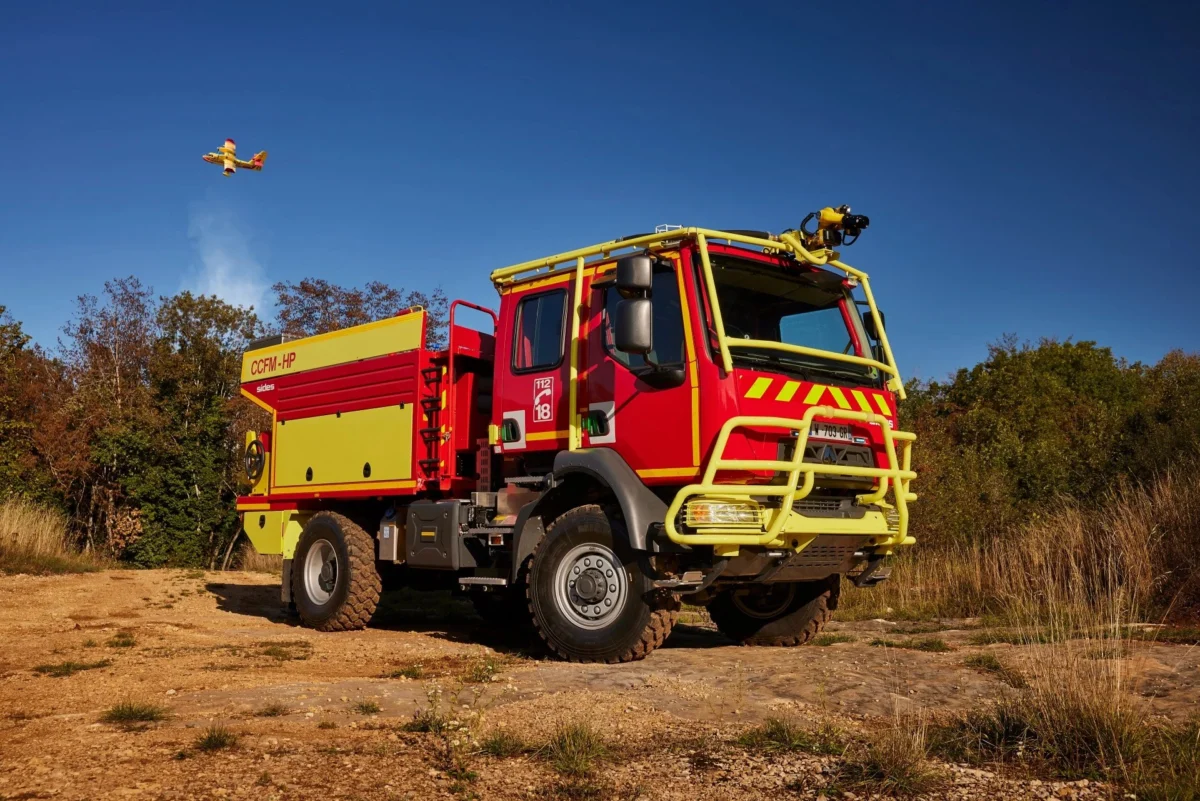
This week, the dynamic landscape of mobility and energy has been punctuated by several significant developments, ranging from practical demonstrations of electric vehicle endurance to critical infrastructure and industrial challenges. A detailed study sheds new light on how electric cars perform in prolonged summer gridlock, while an ongoing issue with AdBlue threatens the operational readiness of emergency vehicles in France. Concurrently, the French national railway company, SNCF, is exploring an innovative yet complex proposal to integrate solar panels directly into its vast rail network. Finally, the ambitious Rebirth Group, a key player in the European e-mobility sector through its acquisition of brands like Solex and Cowboy, finds itself embroiled in a severe financial dispute threatening its manufacturing base in Normandy. These diverse narratives collectively underscore the evolving complexities and opportunities within the contemporary mobility and energy transition.
Electric Cars in Gridlock: A Surprising Resilience Debunks Range Anxiety
One of the most persistent concerns hindering the widespread adoption of electric vehicles (EVs) is "range anxiety," particularly the fear of being stranded in challenging conditions such as extreme weather or prolonged traffic jams. A recent, rigorously conducted test by ADAC, Germany’s leading automobile club, has provided compelling evidence that modern EVs are far more resilient in such scenarios than commonly perceived, directly challenging a prevalent myth.
The ADAC Test: Simulating Summer Highway Congestion
To simulate a worst-case summer highway traffic jam, ADAC subjected a Tesla Model Y to an intensive eight-hour test within a climate chamber. The conditions were designed to be arduous: an ambient temperature of 35°C, with the vehicle’s air conditioning system set to maintain a comfortable 20°C inside the cabin. This setup aimed to mimic the energy demands an EV would face during a protracted stop-and-go situation on a hot summer day.
The results were notably reassuring for prospective EV owners. Over the entire eight-hour period, the Tesla Model Y demonstrated a remarkably low energy consumption rate of just 1.3 to 1.5 kilowatts (kW) per hour. This translates to an approximate battery drain of only 2% per hour. Cumulatively, the vehicle consumed about 12 kWh over the eight-hour test, resulting in a loss of approximately 64 kilometers (40 miles) of range, starting from a 60% charge level.
Debunking the Myth: EVs Outperform Expectations
These findings significantly relativize the popular misconception that an EV’s battery rapidly depletes when the air conditioning is used, especially in hot conditions. The test confirms that modern electric vehicles, equipped with advanced battery management systems (BMS) and efficient thermal regulation, are highly adept at managing energy consumption even under stress. Unlike internal combustion engine (ICE) vehicles, which continue to burn fuel at idle to power accessories like air conditioning, EVs draw directly from their battery pack, often with greater efficiency in converting electrical energy to cooling. For context, a typical ICE vehicle idling with air conditioning on can consume anywhere from 0.5 to 1.0 liters of fuel per hour, depending on engine size and ambient temperature, which translates to a continuous expenditure without any movement.
French automotive publication Automobile Propre has corroborated these orders of magnitude with its own measurements, reporting initial hourly consumption rates between 1 and 2 kWh, further solidifying the ADAC’s conclusions. This consistency across independent tests reinforces the reliability of these findings.
Broader Implications for EV Adoption
The ADAC study’s implications extend beyond mere technical performance. It serves as a powerful tool for consumer education, directly addressing one of the primary psychological barriers to EV adoption: range anxiety in extreme conditions. By demonstrating that an EV can comfortably maintain cabin temperature for extended periods in traffic without significant range depletion, it helps build confidence in electric mobility. This resilience is particularly relevant as summer travel, often associated with heavy traffic and high temperatures, becomes a major consideration for many drivers.
As the global push towards sustainable transportation intensifies, such empirical data is crucial for shifting public perception and accelerating the transition to electric vehicles. It underscores that, in many practical scenarios, EVs can not only match but often surpass the convenience and efficiency of traditional gasoline-powered cars.
The AdBlue Conundrum: Emergency Vehicles at Risk While Germany Found a Solution
A critical issue concerning the operational readiness of emergency services in France has resurfaced, highlighting a potential vulnerability in the country’s fleet of fire trucks. The problem centers on AdBlue, an exhaust fluid essential for meeting modern anti-pollution standards in diesel vehicles, and its potential to immobilize vital equipment during critical interventions.
The Gironde Incident and SDIS 33’s Warning
On July 3, during a public demonstration in front of the Prefect of Gironde, the director of SDIS 33 (Service Départemental d’Incendie et de Secours de la Gironde) brought renewed attention to a long-standing concern: the risk of fire trucks being severely power-limited or even immobilized if their AdBlue tanks run dry in the midst of an emergency. A video of this demonstration quickly went viral on social media, sparking widespread public debate and concern over the safety implications for both firefighters and the communities they serve.
AdBlue is a liquid urea solution used in Selective Catalytic Reduction (SCR) systems, which are mandated by Euro V and Euro VI emission standards for diesel engines. Its purpose is to convert harmful nitrogen oxides (NOx) in exhaust gases into harmless nitrogen and water vapor, significantly reducing air pollution. To ensure compliance with these environmental regulations, vehicles are typically designed to enter a "limp mode" – reducing engine power – or even prevent restarting if the AdBlue tank is critically low or empty. This mechanism, while effective for environmental compliance in commercial vehicles, poses a severe operational risk for emergency apparatus where uninterrupted power and mobility are paramount.
Renault Trucks’ Position and Technical Nuances
In response to the growing controversy, Renault Trucks, a major supplier of fire trucks in France, clarified its stance. The company asserts that all its fire trucks are equipped with a specific device designed to allow them to operate even if their AdBlue reservoir is empty. This technical provision aims to bypass the standard limp-mode or immobilization protocols typically enforced by the SCR system, thereby ensuring that emergency vehicles can continue their mission without being hampered by AdBlue levels.
However, this technical capability does not entirely negate the problem. Renault Trucks acknowledged that despite this safeguard, failures linked to the maintenance of the depollution systems can still occur. This nuance is crucial: the issue may not always be a direct result of an empty AdBlue tank triggering a mandatory shutdown, but rather malfunctions within the complex SCR system itself, which can still lead to operational disruptions. Such malfunctions could be due to sensor failures, pump issues, or blockages, all of which require diligent maintenance and potentially specialized diagnostics.
Germany’s Proactive Regulatory Framework
The debate in France stands in stark contrast to the situation in Germany, which proactively addressed this exact issue through regulatory means as early as 2018. Recognizing the unique operational demands and public safety implications for emergency services, German authorities implemented specific exemptions or modifications to the AdBlue system’s behavior for fire trucks and other critical emergency vehicles. This regulatory foresight ensures that German emergency responders are not faced with the prospect of their vehicles being compromised by emission control systems during life-saving interventions.
The German approach typically involves either a software override for emergency vehicles that prevents power reduction or a clear legal framework that allows emergency services to operate without penalty even if AdBlue levels are critical. This ensures that the imperative of public safety always takes precedence over emission compliance in emergency scenarios, a balance that France is still grappling with.
Call for French Policy Review and Public Safety Concerns
The recurring AdBlue problem in France, highlighted by the SDIS 33, underscores a pressing need for a comprehensive policy review. The current situation raises significant public safety concerns, as any delay or immobilization of a fire truck can have catastrophic consequences, particularly in situations like widespread forest fires or major accidents.
While technical solutions exist, as indicated by Renault Trucks, the discrepancy between the theoretical capability and actual operational reliability, coupled with the lack of a clear regulatory framework akin to Germany’s, points to a systemic vulnerability. French authorities, including relevant ministries and regulatory bodies, are now implicitly called upon to clarify the legal and operational status of AdBlue systems on emergency vehicles. A national policy, potentially mirroring Germany’s approach, could provide the necessary assurances for emergency services, ensuring that their critical work remains unhindered by environmental compliance mechanisms designed for other contexts. This would involve not only addressing potential technical failures but also establishing clear protocols for maintenance, driver training, and, crucially, regulatory exemptions that prioritize human life and safety.
SNCF’s Solar Track Vision: High Hopes Face Technical and Economic Hurdles
In the global pursuit of renewable energy sources, innovative ideas often emerge to repurpose existing infrastructure for green power generation. The French national railway company, SNCF, is exploring one such concept: installing solar panels in the narrow space between train tracks. While the theoretical potential is vast, the practical implementation presents a formidable array of engineering, logistical, and economic challenges.
The Innovative Concept and Pilot Projects
The idea is elegantly simple: utilize the 143-centimeter (approximately 56 inches) gap between two railway rails to embed photovoltaic modules. This concept aims to leverage the extensive railway network – France alone boasts over 40,000 kilometers (approximately 25,000 miles) of tracks – as an untapped resource for solar energy production, potentially contributing significantly to the national energy mix and the SNCF’s own operational power needs.
SNCF is actively testing this concept through collaborations with specialized companies. One such partner is Bankset, whose innovative modules are reportedly designed for rapid installation, purportedly in less than two minutes per unit. Another notable player is the Swiss company Sun-Ways, which has already launched a pilot project involving a hundred-meter stretch of track in Switzerland, demonstrating the feasibility of in-track solar panel deployment. These pilots represent crucial steps in evaluating the real-world performance and viability of such systems.
France’s Railway Network: Untapped Potential
The sheer scale of France’s railway infrastructure offers an immense theoretical potential for solar energy generation. If even a fraction of the country’s 40,000+ kilometers of tracks could be fitted with solar panels, the cumulative energy output could be substantial, reducing reliance on fossil fuels and contributing to national decarbonization goals. This approach also sidesteps the challenge of land scarcity, which often plagues large-scale solar farm developments, by utilizing existing linear corridors.
From an environmental perspective, integrating solar panels into railway infrastructure aligns with broader sustainability objectives, allowing for a dual-use of land and potentially powering parts of the railway system itself, such as signaling, lighting, or even directly feeding into the traction power network.
The Gauntlet of Engineering Challenges
Despite its attractive theoretical potential, the practical reality of installing and maintaining solar panels within active railway tracks is fraught with significant engineering and operational challenges, leading some to label it a "false good idea" in its current form.
- Vibrations and Mechanical Stress: Railway environments are inherently high-vibration zones. The constant passage of heavy trains generates intense mechanical stress and vibrations, which could severely impact the integrity and longevity of photovoltaic modules, their electrical connections, and mounting systems. Ensuring durability under such conditions requires robust and costly engineering solutions.
- Dust and Debris Accumulation: Tracks are exposed to considerable amounts of dust, gravel, leaves, and other debris generated by passing trains and the natural environment. Such accumulation on solar panels would significantly reduce their efficiency by blocking sunlight, necessitating frequent and challenging cleaning operations in a hazardous environment.
- Shading from Trains: While trains pass relatively quickly, they cast shadows that move across the panels. This intermittent shading can drastically reduce energy yield, especially with traditional string inverter systems where a shaded cell can impact the entire series of panels. Advanced microinverter technology could mitigate this, but at a higher cost.
- Maintenance and Safety: Maintaining railway tracks is an intensive process involving ballast tamping, rail replacement, and inspections. Integrating solar panels would complicate these essential tasks, potentially increasing maintenance costs and extending downtimes. Furthermore, worker safety when performing maintenance on live tracks, particularly those with embedded electrical components, introduces new risks.
- Optimal Angle and Efficiency: Solar panels typically achieve maximum efficiency when oriented at a specific angle towards the sun. Panels laid flat between rails would not be optimally angled for sunlight capture throughout the day or across seasons, leading to lower energy generation compared to optimally tilted rooftop or ground-mounted installations.
- Cost-Effectiveness: The specialized design, robust construction, complex installation procedures, and increased maintenance demands in such a harsh environment could render in-track solar panels significantly more expensive per kilowatt-hour generated than conventional solar farms or rooftop installations.
Economic Viability and Practical Realities
While SNCF and its partners are committed to exploring this innovative path, the data from real-world operations remains very preliminary. The critical question of economic viability, especially when juxtaposed against the capital and operational expenditures, has yet to be definitively answered.
Experts suggest that while large-scale deployment might face insurmountable hurdles, there could be niche applications where the concept proves valuable. For instance, such panels could power local railway infrastructure components like signaling systems, trackside monitoring equipment, or small grid connections in remote areas, where conventional power supply is costly or impractical.
Ultimately, the SNCF’s ambitious vision highlights the innovative spirit in the energy transition. However, the laws of physics, combined with the stringent demands of railway operations, present a formidable barrier that will require significant technological breakthroughs and perhaps a re-evaluation of the cost-benefit analysis before widespread implementation becomes a practical reality.
Rebirth Group on the Brink: Saint-Lô Factory Eviction Looms Amid Financial Turmoil
The Rebirth Group, an ambitious player in the European e-mobility sector known for acquiring iconic bicycle brands, is facing a severe crisis that threatens its manufacturing operations in Saint-Lô, Normandy. The local authorities, owners of the factory premises, have initiated eviction proceedings, casting a dark shadow over the group’s strategic vision and the future of its acquired brands.
Eviction Proceedings and Unpaid Dues
The Communauté d’Agglomération de Saint-Lô, the municipal body that owns the factory buildings where Rebirth assembles its electric bicycles, has launched a formal eviction procedure against the group. The core of the dispute revolves around a significant sum of unpaid rental charges, amounting to 122,665 euros. According to the agglomeration, these charges have been outstanding since December 2023, indicating a prolonged period of financial distress for Rebirth.
Adding to the financial grievances, local elected officials have voiced strong criticism, asserting that the factory is "not producing bikes." This accusation suggests a perceived lack of operational activity and delivery on Rebirth’s promises to revitalize local manufacturing. The situation has reached a critical juncture, with the agglomeration’s president declaring, "it’s clear: it’s over," signaling a definitive end to their patience and potentially Rebirth’s presence in Saint-Lô.
Rebirth’s Ambitious Acquisition Strategy
The Rebirth Group has made headlines in recent years for its strategic acquisitions, aiming to consolidate and revive several well-known brands in the light electric vehicle market. Its portfolio includes legendary names such as Solex, synonymous with French motorized bicycles, as well as modern e-bike brands like Cowboy, Angell, and Matra. This acquisition strategy was ostensibly aimed at leveraging established brand recognition and market share to create a formidable European e-mobility manufacturing powerhouse, with the Saint-Lô facility intended to be a key assembly hub.
The ambition was to bring production closer to home, fostering local employment and contributing to a circular economy model for electric bicycles. However, the current predicament at Saint-Lô severely undermines this vision, raising questions about the financial stability and operational execution behind Rebirth’s bold expansion.
A History of Financial Instability
The current crisis is not an isolated incident but rather appears to be part of a recurring pattern for the Rebirth Group and its associated entities. Reports indicate a history of repeated judicial restructurings and financial difficulties dating back to 2019. Such a track record suggests underlying systemic issues in the group’s financial management, business model, or operational efficiency, making it challenging to sustain its ambitious growth trajectory.
This history of instability would naturally fuel skepticism from creditors, suppliers, and local authorities, who are looking for consistent performance and financial reliability. The current situation in Saint-Lô is likely viewed by the agglomeration as a culmination of these past struggles, rather than an unforeseen setback.
Conflicting Narratives and Broader Impact
The president of the Saint-Lô agglomeration and the CEO of Rebirth are reported to offer "diametrically opposed readings" of the situation. While the agglomeration points to unpaid rent and a lack of production as clear grounds for eviction, the Rebirth CEO might counter with arguments related to production ramp-up challenges, supply chain disruptions, the complexities of integrating multiple brands, or even perceived lack of support from local authorities. Without direct statements, one could infer Rebirth’s perspective might involve appeals for more time, highlighting the long-term potential of their project, or attributing delays to external market factors.
The implications of this eviction extend far beyond the immediate financial dispute. For the French e-mobility sector, it represents a significant setback, potentially damaging confidence in efforts to repatriate manufacturing and foster a robust domestic industry. The fate of the acquired brands – Solex, Cowboy, Angell – now hangs in the balance, with their future production and availability uncertain.
Locally, the Saint-Lô community faces the loss of potential jobs and industrial activity that Rebirth had promised. It underscores the inherent risks for local authorities who invest in or provide facilities for new industrial ventures, especially those with a history of financial precarity. The episode serves as a cautionary tale regarding the challenges of industrial revival, the importance of solid financial planning, and the need for transparent communication between businesses and their public partners. The outcome of these eviction proceedings will be closely watched, as it could set a precedent for future collaborations between local governments and ambitious, yet financially strained, industrial players in the rapidly evolving e-mobility landscape.
The developments across electric vehicle performance, emergency services’ operational challenges, sustainable infrastructure innovation, and industrial manufacturing woes collectively paint a comprehensive picture of the dynamic and often complex world of mobility and energy. From debunking range anxiety to navigating regulatory hurdles and ensuring industrial viability, each story highlights the ongoing efforts and persistent challenges in shaping a more efficient, resilient, and sustainable future.
Content automatically generated and verified by the Survoltés editorial team.