Clarissa Hana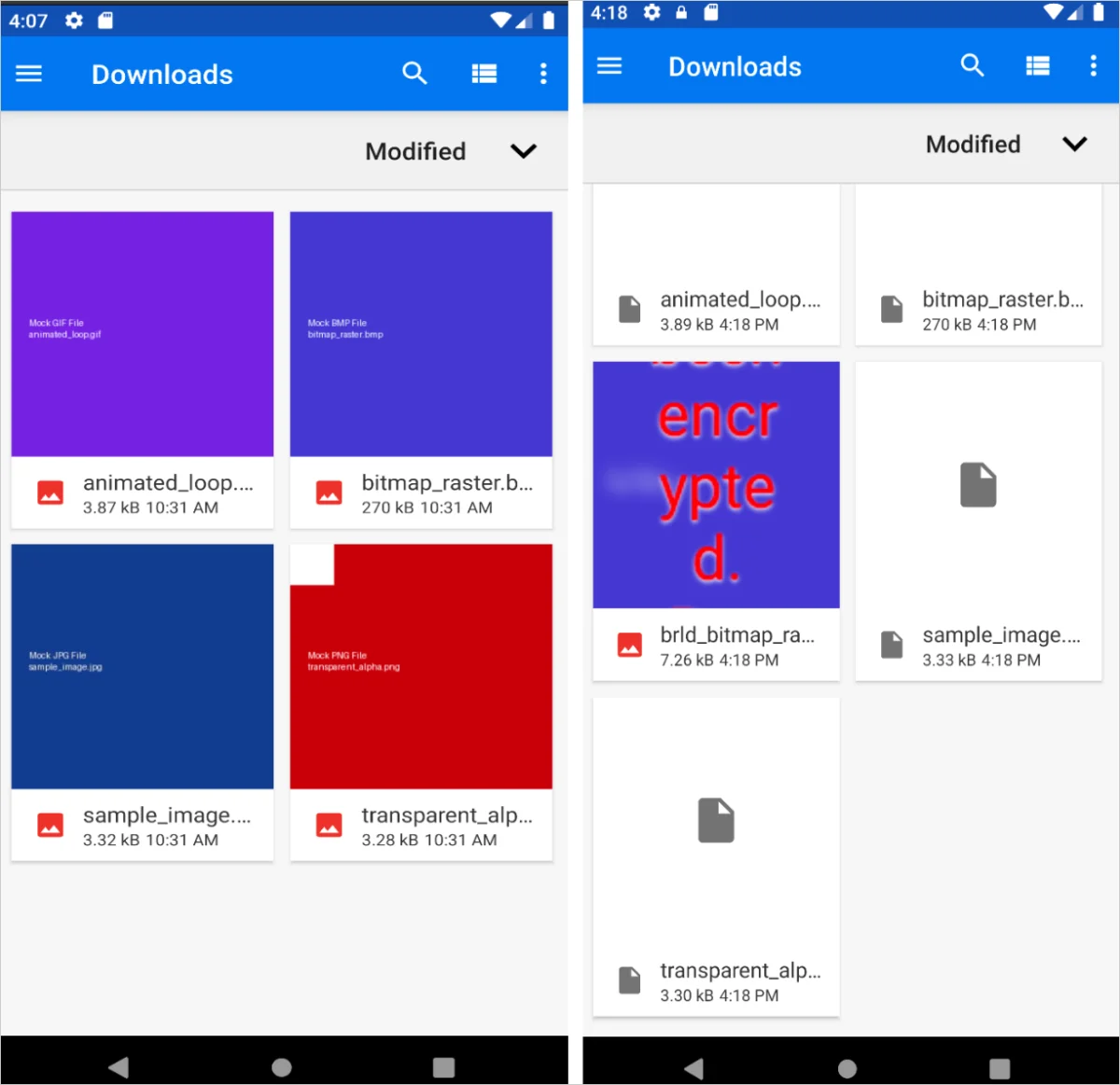
A sophisticated new strain of Android malware, identified as Mantax Otax, has emerged, exhibiting a dangerous convergence of ransomware, spyware, and aggressive harassment capabilities. This malicious software, reportedly operated by Indonesian actors, poses a significant threat to Android users by encrypting sensitive files, pilfering personal data, and actively tormenting victims through relentless spam and distressing digital attacks. The malware’s distribution method, relying on malicious APK files hosted outside the official Google Play Store, coupled with deceptive phishing and social engineering tactics, underscores a deliberate effort to ensnare unsuspecting users. Upon installation, Mantax Otax leverages the Android Accessibility Service, a powerful tool designed for users with disabilities, to gain extensive and intrusive control over compromised devices. This grants it the ability to monitor user interactions, simulate taps and swipes, and ultimately execute a wide range of malicious actions without explicit user consent for each step.
The initial stages of infection involve the malware establishing communication with its command-and-control (C2) infrastructure. It dynamically retrieves the C2 domain from GitHub, a platform widely used by developers for code hosting and collaboration, but which can also be exploited by malicious actors to store and disseminate their operational infrastructure. Once connected, Mantax Otax transmits a trove of victim details to the C2 server. This data typically includes the device’s geographical location, mobile carrier information, the specific Android version installed, and the unique device ID. This gathered intelligence is crucial for the attackers, allowing them to tailor their attacks, identify vulnerable targets, and potentially evade detection by understanding the user’s technical environment. Commands from the C2 server are then delivered to the infected device, often through Firebase Cloud Messaging or WebSockets, enabling real-time control and execution of further malicious payloads.
This alarming discovery was detailed in a report by Zimperium, a prominent mobile security firm. Their researchers diligently investigated the malware’s modus operandi, shedding light on the techniques employed by its operators. The report highlights that the Indonesian threat actors are actively distributing Mantax Otax through unofficial channels, deliberately bypassing the security vetting processes inherent to official app marketplaces like Google Play. This circumvention strategy is a common tactic for malware distributors, as it allows them to freely upload and modify their malicious applications without the risk of immediate removal. The reliance on social engineering further amplifies the threat, as it preys on human psychology, tricking users into voluntarily downloading and installing the malware by making it appear legitimate or beneficial.

Encrypting Older Androids: A Targeted Ransomware Attack
A key characteristic of Mantax Otax is its ransomware module, which has been observed to specifically target devices running older versions of the Android operating system, primarily versions 9 and below. This limitation is due to significant security enhancements introduced in Android 10, notably the "Scoped Storage" feature. Scoped Storage fundamentally alters how applications can access files on a device, restricting direct access to shared storage directories. This makes it considerably more difficult for malware to enumerate and encrypt files outside of the application’s own private storage or the designated external-files directory.
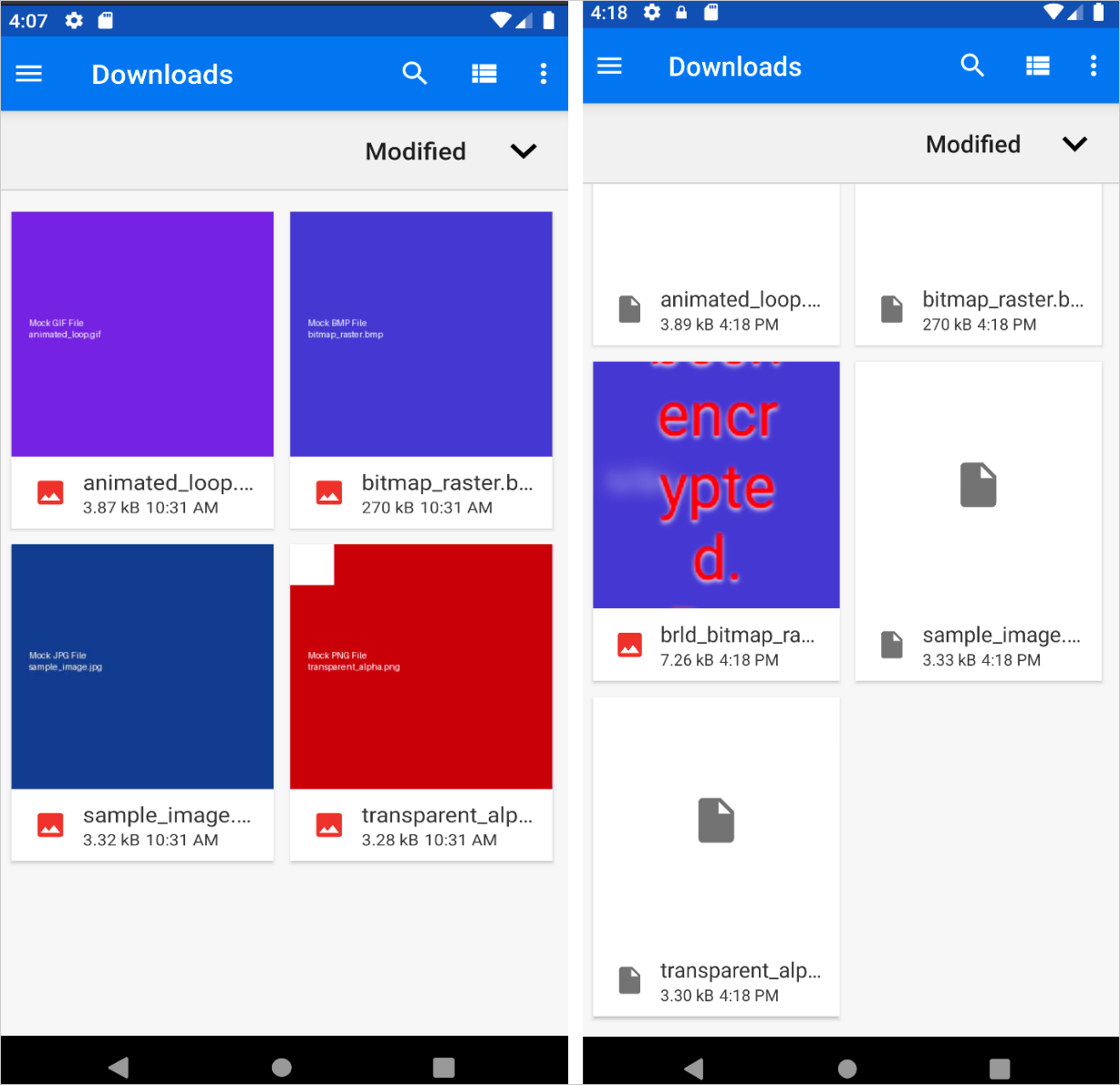
For vulnerable devices, Mantax Otax systematically searches through shared storage, a broad category encompassing internal storage and external storage like SD cards, for specific file types commonly used by individuals. These targeted files are then encrypted using a unique AES key. This key is not randomly generated but is obtained from the C2 server, implying a sophisticated infrastructure where keys are managed centrally. Once the encryption process is complete, the original, unencrypted files are deleted, leaving victims with inaccessible data. The encrypted copies are then appended with the ".enc" file extension, a clear indicator of the ransomware’s operation.
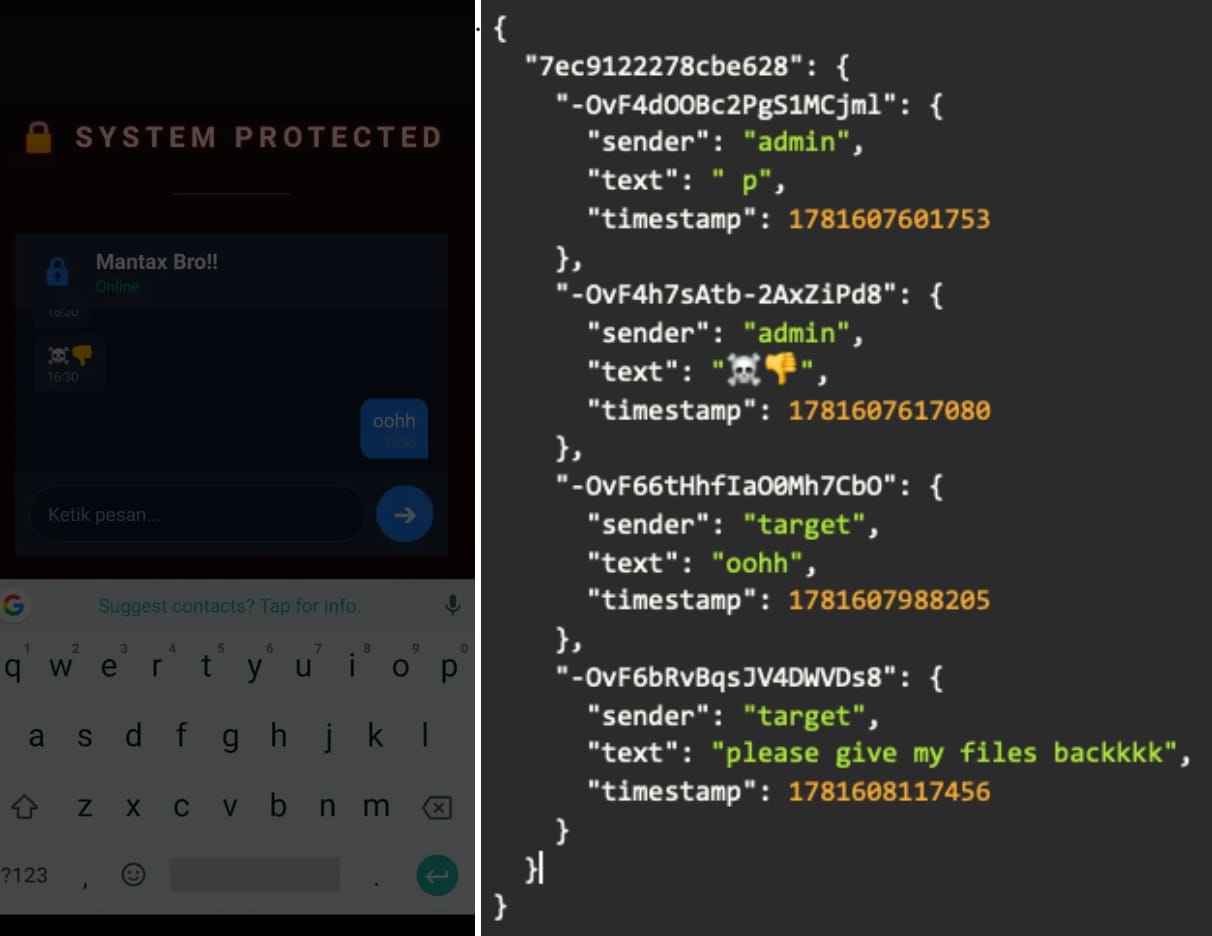
Adding a visual element to the extortion, Mantax Otax replaces local images on the victim’s device with stark ransom notices. These notices serve as direct communication from the attackers, detailing the demands for payment and instructions on how to proceed. To facilitate direct negotiation and pressure the victim into compliance, the malware also initiates a full-screen chat interface, often hosted on Firebase. This real-time communication channel allows attackers to interact with their victims, answer questions, and apply psychological pressure to ensure the ransom is paid.
During their investigation, Zimperium researchers discovered a critical misconfiguration within the Firebase C2 server used by the Mantax Otax operators. This oversight inadvertently exposed the chat logs between the attackers and their victims. The ability to review these logs provided invaluable insights into the attackers’ methods, their interactions, and the effectiveness of their pressure tactics. While the misconfiguration was a boon for researchers, it also underscores the potential for data leaks and the broader security vulnerabilities that can arise from improperly secured cloud infrastructure.
The ransomware’s operational constraint to older Android versions does not render it obsolete. Millions of devices worldwide still operate on these legacy systems, representing a substantial attack surface. The "Scoped Storage" feature, while a significant advancement in Android security, also highlights the ongoing cat-and-mouse game between platform developers and malicious actors, where new security measures often lead to the development of new evasion techniques.
Spying, Spamming, and Psychological Warfare
Beyond its ransomware capabilities, Mantax Otax distinguishes itself with an integrated suite of spyware, remote control functionalities, and aggressive harassment features. This multi-faceted approach aims to maximize the damage and distress inflicted upon victims, increasing the likelihood of ransom payment or simply causing widespread disruption.
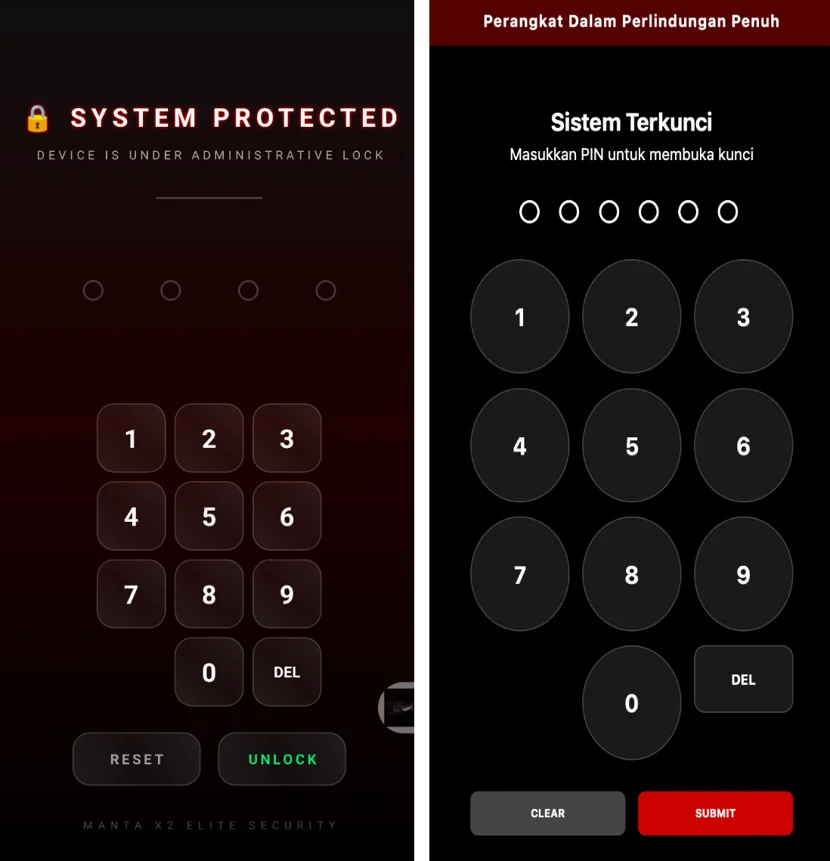
The spyware component is particularly invasive. Researchers at Zimperium have documented the malware’s ability to steal lock-screen PINs, a critical piece of information that allows for persistent, unauthorized access to the device even after reboots. This capability is often achieved through deceptive overlay screens that mimic legitimate login prompts. Furthermore, Mantax Otax possesses the ability to read SMS messages, including time-sensitive one-time passwords (OTPs) commonly used for two-factor authentication, thus compromising account security. Call logs, contact lists, browsing history, installed application lists, sensitive Google account information, and precise location data are also systematically exfiltrated.
The malware’s reach extends to popular communication platforms. It can extract user profiles and message histories from WhatsApp, and similarly access chat logs from Telegram. These actions are often accomplished through the sophisticated use of Accessibility services, which allow the malware to simulate user interactions, effectively "reading" and "typing" on behalf of the user without their knowledge.
In a further demonstration of its intrusive capabilities, Mantax Otax abuses Android’s MediaProjection API. This API, typically used for screen recording or casting, is weaponized by the malware to capture screenshots, record video in MP4 format, and stream the victim’s screen in near real-time. The captured media is then uploaded to the Catbox file hosting service, making it readily available to the attackers. The malware can also leverage the infected device’s cameras to capture photographs, which are then uploaded to the operator, potentially for blackmail or other malicious purposes.
Version 2 of Mantax Otax introduced a chilling new dimension: harassment functions. These features are designed to inflict psychological distress and create an unbearable user experience, serving as a potent pressure tactic to compel ransom payments. The malware can trigger a barrage of repeated dialog boxes, play full-screen videos without user interaction, and flash rapid "jumpscare" image overlays. In a particularly disturbing addition, it can also remotely control text-to-speech messages, broadcasting alarming or threatening audio content through the device’s speakers. These relentless assaults are intended to overwhelm the victim, making the device virtually unusable and amplifying their desperation to resolve the situation by any means necessary.
Defense and Mitigation Strategies
The collaboration between mobile security firms like Zimperium and technology giants such as Google plays a crucial role in combating evolving mobile threats. As a Google security partner through the App Defense Alliance (ADA), Zimperium’s findings are instrumental in enhancing Android’s built-in security measures. Consequently, Mantax Otax is already detected and actively blocked by up-to-date Android devices equipped with an active Play Protect service. This proactive defense mechanism scans applications for malicious behavior and known threats, providing a vital layer of protection for users.
However, the effectiveness of these defenses relies on users maintaining up-to-date operating systems and security software. Furthermore, user vigilance remains paramount. The primary vector of infection for Mantax Otax is the installation of APK files from sources outside Google Play. This practice inherently bypasses Google’s rigorous security checks and significantly increases the risk of downloading malware. Therefore, a strong recommendation for all Android users is to strictly avoid installing applications from untrusted or unofficial sources.
Granting excessive permissions to applications, particularly sensitive ones like Accessibility services, should also be approached with extreme caution. While these services are essential for many legitimate applications, they can be easily abused by malicious software. Users are advised to carefully review the permissions requested by any application before granting them, and to only provide such permissions to applications from reputable publishers and for clearly understood functionalities. A thorough understanding of an app’s purpose and the permissions it requires can prevent many common infection scenarios.
The broader implications of Mantax Otax extend beyond individual user impact. The sophisticated integration of multiple attack vectors – ransomware, spyware, and harassment – demonstrates a growing trend in mobile malware development. Attackers are moving beyond single-purpose threats to create comprehensive tools that can achieve a wider range of objectives. This necessitates a more holistic approach to mobile security, encompassing not only detection and blocking but also user education and awareness. The incident serves as a stark reminder of the persistent and evolving nature of cyber threats in the mobile ecosystem and the continuous need for robust security practices and vigilant user behavior. The ongoing efforts of security researchers and platform providers are critical in staying ahead of these threats, but user responsibility remains the first and most crucial line of defense.