Evan Lee Salim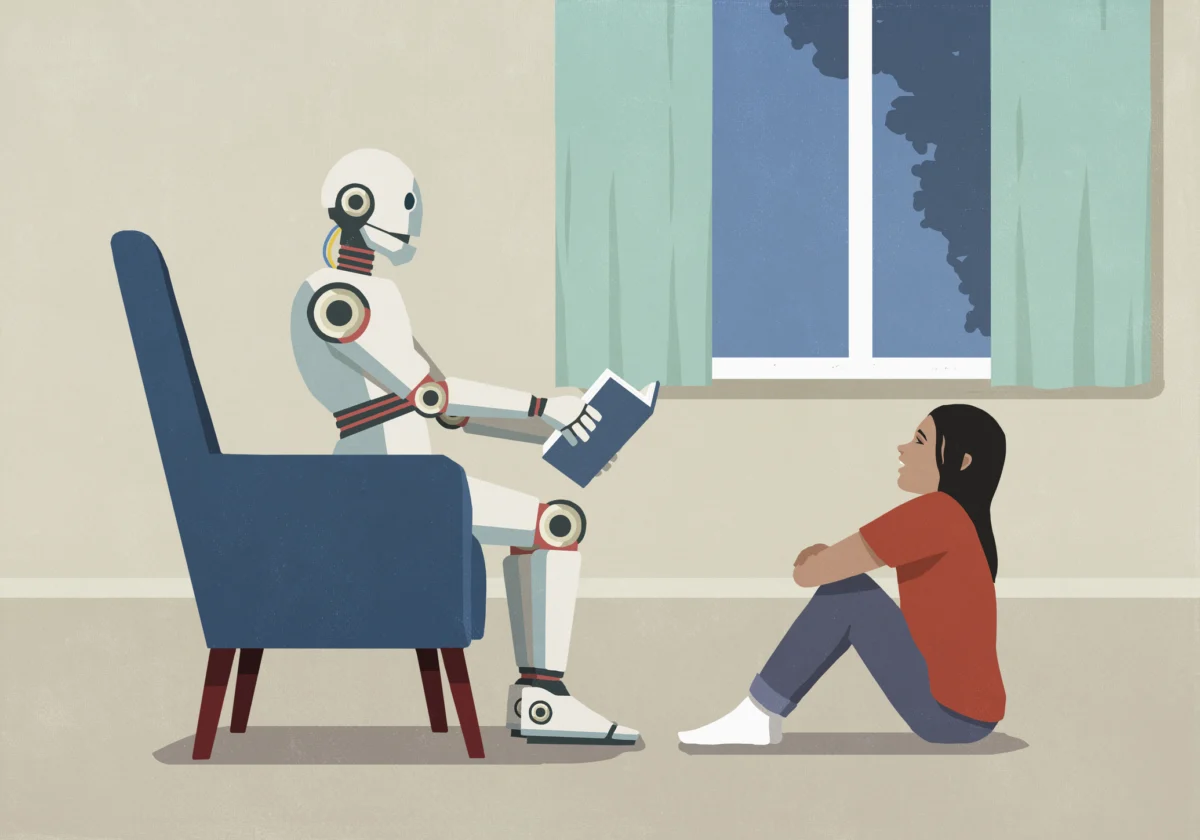
Meta Platforms, Inc. is currently piloting a new artificial intelligence (AI) powered application named StoryKit, designed to generate personalized children’s stories. The app, which has been spotted on the App Store in select regions, leverages AI to create unique narratives complete with custom characters, settings, educational lessons, and accompanying music, aiming to simplify the bedtime story process for parents. An official description from the App Store highlights its user-friendliness, stating, "You don’t need to write a single word."
The emergence of StoryKit underscores Meta’s persistent and evolving strategy to integrate advanced AI capabilities into its consumer-facing products, following numerous other AI initiatives across its platforms. This particular venture taps into the burgeoning market for personalized digital content and AI-assisted creative tools, specifically targeting the family and children’s entertainment sector.
Discovery and Official Confirmation
StoryKit first drew public attention after being discovered in the App Store by technology news outlet 9to5Mac in July 2026. Following this initial report, Meta confirmed the pilot program to TechCrunch, explaining that the company is testing StoryKit in a limited number of countries. The objective of this pilot phase is to gather feedback from parents and assess the app’s reception and utility.
A spokesperson for Meta characterized StoryKit as a "creative storytelling app" dedicated to crafting "personalized, imaginative storybooks for children." The company emphasized its commitment to user safety, confirming that the app incorporates "AI safety filters" and lacks any "social features." Furthermore, StoryKit is explicitly restricted to users aged 18 and above, ensuring that parental control and oversight remain central to its intended use. This age restriction is a critical aspect of its design, reflecting broader industry efforts to implement safeguards when AI-powered tools are accessible to families.
Core Functionality and User Experience
The operational flow of StoryKit is designed to be intuitive and accessible, even for users with no prior experience in content creation. The process begins with character selection, where parents are given the innovative option to "snap a photo of their favorite toy or person to bring them to life," as detailed in the App Store description. This feature allows for a high degree of personalization, potentially making stories more engaging and relatable for children by featuring familiar faces or beloved objects.
Following character creation, users are prompted to describe the desired setting or "world" for their story. This input guides the AI in generating the narrative’s environment, ranging from fantastical realms to everyday scenarios. A crucial element of StoryKit’s design is the ability to select a specific moral or educational lesson. Parents can "weave in values like kindness, courage, or empathy without it feeling like a lecture," according to the app’s description. This focus on embedding positive values positions StoryKit not just as an entertainment tool, but also as a potential aid for early childhood education and character development. The inclusion of music further enhances the immersive experience, contributing to the overall ambiance of the AI-generated stories.
Meta’s Broader AI Vision and Context
StoryKit represents a tangible outcome of Meta’s substantial investments and strategic pivot towards artificial intelligence. Over recent years, Meta has aggressively pursued AI research and development, particularly in generative AI, large language models (LLMs), and multimodal AI systems. The company’s open-source release of its Llama series of LLMs has significantly influenced the broader AI ecosystem, fostering innovation and competition. This overarching strategy aims to position Meta at the forefront of the AI revolution, integrating AI into its core platforms like Facebook, Instagram, and WhatsApp, as well as developing standalone AI-powered applications.
Prior to StoryKit, Meta has experimented with various AI applications, some of which have garnered mixed reactions. These include advanced AI assistants capable of generating text and images, and features like AI-powered deepfake generators on Instagram, which faced public scrutiny and were subsequently adjusted or removed. The development of StoryKit appears to be a more carefully curated effort, focusing on a specific use case with explicit safety measures, possibly learning from past experiences with more controversial AI integrations. This move aligns with a broader industry trend where tech giants are exploring diverse applications for generative AI, from productivity tools to creative content generation.
The Evolving Landscape of Children’s Digital Content
The market for children’s digital content, encompassing educational apps, interactive stories, and entertainment platforms, has witnessed exponential growth. Projections indicate that this market will continue to expand significantly, driven by increasing smartphone penetration among parents and a growing demand for high-quality, engaging, and safe digital experiences for children. Data from various market research firms suggest that parents are increasingly open to using technology to supplement traditional learning and entertainment methods. For instance, a 2023 report by Common Sense Media indicated that children aged 0-8 spend an average of over two hours per day with screen media, with a significant portion dedicated to educational or story-based apps.
StoryKit enters a competitive but rapidly innovating space. Existing platforms offer personalized stories, interactive books, and educational games. However, StoryKit’s unique selling proposition lies in its advanced AI capabilities, which allow for on-the-fly generation of truly novel stories based on user input, rather than simply adapting pre-existing narratives. This level of dynamic customization could appeal strongly to parents seeking fresh content and highly specific story elements for their children. The integration of "lessons" within the stories also positions StoryKit as a tool that aligns with parental desires for educational value in screen time.

Potential Implications and Analysis
The introduction of StoryKit raises several important implications across various domains, from family dynamics to the future of creative industries and ethical AI development.
Impact on Parental Engagement and Storytelling Traditions
One of the primary discussions surrounding StoryKit revolves around its impact on the long-standing tradition of human-led storytelling. For centuries, parents and caregivers have shared stories, often improvising or drawing from a vast repertoire of myths, fables, and personal experiences. This act of storytelling is often viewed as a fundamental bonding experience, fostering imagination, language development, and emotional connection between adults and children.
StoryKit offers a solution for busy parents facing time constraints or creative blocks. In an era where many parents juggle demanding careers and personal responsibilities, the convenience of an app that can instantly generate a tailored story could be highly attractive. It addresses scenarios where a child might reject traditional books and demand an impromptu narrative featuring highly specific and unusual characters or plots – for example, an intergalactic adventure starring a turtle and a hedgehog. For such moments, StoryKit provides a quick, personalized response, potentially alleviating parental stress.
However, critics might argue that an over-reliance on AI-generated stories could diminish the spontaneity and unique human element of storytelling. The depth of emotion, nuance, and personal connection inherent in a parent improvising a tale or reading from a beloved physical book might be perceived as irreplaceable by an algorithm, no matter how sophisticated. The debate centers on whether AI serves as an enhancement or a replacement for these cherished human interactions.
Ethical Considerations and AI Safety
Given its target audience, StoryKit places significant emphasis on AI safety filters and an 18+ user age restriction. These measures are crucial in mitigating potential risks associated with AI-generated content, especially for children. Ethical concerns in AI for children typically include:
- Content Appropriateness: Ensuring that generated narratives are always age-appropriate, positive, and free from harmful biases or stereotypes. Meta’s use of safety filters aims to address this.
- Data Privacy: The feature allowing users to upload photos to create characters raises questions about data storage, usage, and privacy. Parents will need assurances that children’s images are handled with the utmost care and not used for broader AI training without explicit consent.
- Algorithmic Bias: AI models can sometimes reflect biases present in their training data. For children’s content, it is critical to ensure that stories promote inclusivity and diversity and do not inadvertently perpetuate harmful stereotypes regarding race, gender, or culture.
- Over-reliance and Critical Thinking: While the app aims to "weave in values," questions remain about how AI-generated stories might influence a child’s imagination and critical thinking skills if they are primarily exposed to algorithmically predictable narratives rather than the often complex and open-ended stories created by human authors.
Meta’s proactive stance on safety and age restrictions is a positive indicator, but continuous vigilance and transparency regarding AI model training and content moderation will be essential for maintaining parental trust.
Future of Creative Industries and AI in Education
StoryKit’s model could foreshadow significant shifts in children’s literature and entertainment industries. Traditional authors and illustrators might find new avenues for collaboration with AI, or face increased competition from AI-driven content creation. Publishers might explore hybrid models where AI assists in generating drafts or personalized versions of stories, which are then refined by human creatives.
In the realm of education, AI storytelling tools could offer personalized learning experiences, adapting narratives to a child’s specific interests, learning pace, or even language proficiency. For children with diverse learning needs, such as those with autism or specific language processing challenges, highly customizable stories could be a valuable educational resource, provided they are developed with expert pedagogical input.
Official Responses and Anticipated Reactions
While Meta has confirmed the pilot program, detailed statements from child development experts, educators, or literary figures are yet to emerge publicly regarding StoryKit specifically. However, general reactions to AI in children’s content often fall into distinct categories:
- Proponents often highlight the potential for personalization, accessibility, and engaging new forms of entertainment. They see AI as a tool that can democratize storytelling and make it more adaptable to individual needs.
- Skeptics frequently voice concerns about the potential for AI to diminish human creativity, foster passive consumption rather than active engagement, and create content that lacks the depth, nuance, and "soul" often found in human-authored works. They emphasize the irreplaceable value of human connection and imagination in children’s development.
- Cautious Optimists suggest a balanced approach, advocating for AI tools to be used as supplements rather than replacements for traditional methods. They stress the importance of careful design, ethical guidelines, and ongoing research into the long-term effects of AI on child development.
The success of StoryKit will likely depend on Meta’s ability to address these concerns, demonstrate tangible benefits, and build a product that genuinely enhances, rather than detracts from, the enriching experience of childhood storytelling. As the pilot progresses, feedback from parents in the select countries will be crucial in shaping the app’s future development and broader rollout.
Conclusion
Meta’s StoryKit represents a notable entry into the growing field of AI-powered creative applications, specifically tailored for the children’s market. By offering personalized stories with custom characters, settings, and embedded lessons, the app aims to provide a convenient and engaging solution for parents. This initiative aligns with Meta’s overarching strategy to embed AI across its product ecosystem and explore new avenues for generative AI. While the app offers promising features for personalization and convenience, its long-term impact on traditional storytelling, parental engagement, and child development will be subject to ongoing observation and discussion. The pilot phase is critical for Meta to refine the app, ensure robust safety measures, and demonstrate its value within the complex landscape of children’s digital content.