Galang Taruna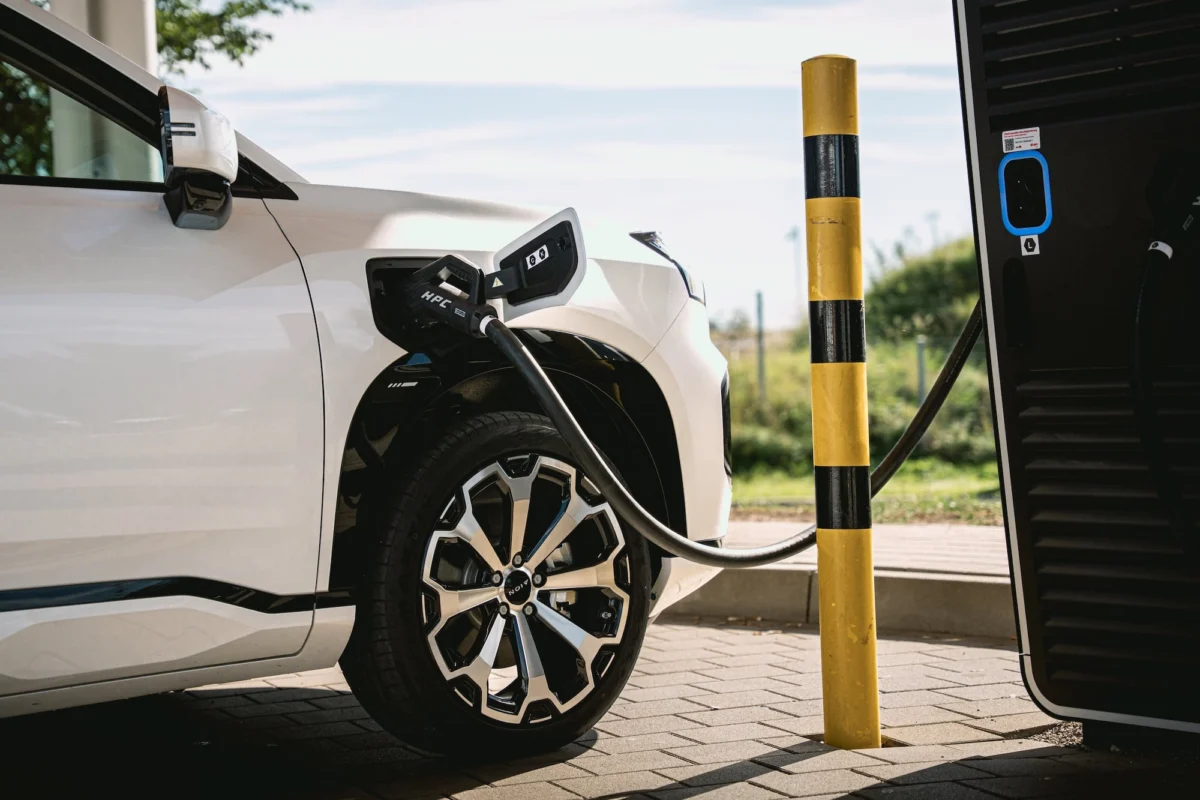
The landscape of electric mobility continues to evolve at a rapid pace, bringing with it both innovation and challenges. This week’s "Survoltés" recap highlights a critical financial standoff impacting thousands of Angell electric bike customers, the United Kingdom’s groundbreaking decision to implement a kilometer-based tax for electric vehicles starting in 2028, and Renault’s swift identification of the root cause behind a Twingo E-Tech breakdown during a recent press trial. These developments underscore the dynamic nature of the electric vehicle (EV) and electric bike (e-bike) sectors, touching upon consumer rights, public finance, and technological reliability.
Angell Electric Bikes: A Multi-Million Euro Dispute Leaves Thousands in Limbo
The saga surrounding Angell electric bikes has intensified, with a protracted financial dispute now leaving thousands of customers without a resolution for their defective frames. The issue, which first came to public attention with a recall announcement in November 2024, has spiraled into a complex legal and financial battle involving multiple parties.
Background of the Recall and Acquisition
Angell, once a promising name in the urban e-bike market, faced a significant setback when it was discovered that the frames of its first-generation electric bicycles were susceptible to breaking, posing a serious safety risk to riders. This critical flaw led to an immediate immobilization directive issued in November 2024, prompting a widespread recall. The company, facing immense pressure and financial strain, subsequently entered a period of uncertainty before being acquired by Rebirth. As the new owner, Rebirth inherited the formidable task of managing the aftermath of these defective frames.
The Financial Standoff: A Chain of Responsibility
While Rebirth is now at the helm, the company has firmly refused to bear the entire financial burden of the frame replacements and customer compensation alone. The core of the dispute lies in identifying and apportioning responsibility among the original manufacturing and design partners. SEB, a prominent French conglomerate known for its household appliances, was responsible for assembling the Angell bikes at its factory in Is-sur-Tille. Concurrently, Kickmaker, a company specializing in product industrialization, was tasked with designing the manufacturing processes, including the crucial frame bonding techniques.
This chain of responsibility has become a legal Gordian knot. Rebirth argues that the design and manufacturing flaws predate its acquisition and thus, the costs associated with rectifying these issues should be shared by SEB and Kickmaker. Both SEB and Kickmaker, however, are reportedly disputing the extent of their liability, leading to an intractable impasse. Each party is keen to avoid sole culpability for what is estimated to be a multi-million euro problem.
Impact on Consumers and Broader Implications
For the thousands of Angell customers who invested in these premium e-bikes, the situation is increasingly frustrating. Their bikes remain unusable, and the prospect of compensation or replacement is stalled by the ongoing legal wrangling. Without a clear determination of responsibility, the financial indemnities remain frozen, leaving customers in a state of indefinite waiting with no clear timeline for resolution. Consumer advocacy groups have voiced concerns about the lack of transparency and the prolonged period of uncertainty, emphasizing the need for swift action to restore consumer confidence in the e-bike market.
This case highlights several critical challenges within the rapidly expanding electric mobility sector:
- Supply Chain Complexity: The Angell dispute underscores the inherent complexities of modern manufacturing supply chains, where multiple entities contribute to a final product. Assigning blame for defects can be a tortuous legal process.
- Consumer Trust: Prolonged unresolved issues can severely erode consumer trust, not only in a specific brand but potentially in the broader e-bike industry, especially for nascent startups.
- Due Diligence in Acquisitions: Rebirth’s acquisition demonstrates the significant liabilities that can be inherited in corporate takeovers, particularly when dealing with product safety recalls.
- Regulatory Frameworks: The situation also raises questions about the adequacy of existing regulatory frameworks to protect consumers when companies enter financial difficulties or undergo ownership changes amidst major product recalls.
As the legal and financial battle continues, all eyes remain on the courts and the negotiating tables, hoping for a resolution that will finally provide relief to the thousands of Angell customers caught in this unfortunate predicament.
The United Kingdom to Implement Kilometer-Based Tax for Electric Vehicles by 2028
In a significant policy shift aimed at ensuring sustainable funding for road infrastructure, the United Kingdom has officially announced plans to introduce a kilometer-based tax for electric vehicles (EVs) starting in April 2028. This move signals a proactive approach by the British government to address the anticipated decline in fuel duty revenues as the nation transitions towards an electrified vehicle fleet.
Details of the New Tax
Under the new scheme, drivers of pure electric vehicles will be required to pay approximately 2.2 euro cents per kilometer traveled. For an average annual mileage of 12,200 kilometers, this translates to an estimated annual cost of around 268 euros. Plug-in hybrid electric vehicles (PHEVs) will also be subject to the tax, albeit at a reduced rate, typically half that of pure EVs, reflecting their partial reliance on fossil fuels.
Rationale Behind the Policy
The primary driver behind this policy is the long-term financial sustainability of the UK’s road network. Historically, fuel duty has been a substantial source of revenue for the Treasury, contributing billions of pounds annually to public coffers, which in turn funds road maintenance, improvements, and other public services. With the accelerating adoption of electric vehicles – sales of EVs in the UK alone have surged by 24.3% since January 2026 – this revenue stream is projected to diminish significantly over time.
The government’s stated objective is to ensure that all motorists, regardless of their vehicle’s propulsion type, contribute equitably to the upkeep of the roads they use. This measure is positioned as a necessary step to future-proof road funding in an era of decarbonization.
Industry Reactions and Broader Implications
The announcement has, predictably, met with mixed reactions, particularly from the automotive industry. Manufacturers and EV advocacy groups have expressed concerns that introducing such a tax could potentially deter consumers from switching to electric vehicles, especially at a time when the market is still maturing and governments are actively promoting EV adoption through various incentives. They argue that additional costs could slow down the transition away from internal combustion engine (ICE) vehicles, thereby hindering climate targets.
Conversely, proponents of the tax, including some public finance experts and environmentalists, argue that it represents a fairer system in the long run. They highlight that while EVs reduce tailpipe emissions, they still contribute to road wear and tear. Furthermore, the current exemption of EVs from Vehicle Excise Duty (VED), the annual road tax, means they effectively pay nothing towards road infrastructure beyond general taxation.
Global Context and Future Trends
The UK’s decision is not isolated. Several other countries and regions, including some U.S. states (e.g., Oregon, Utah) and parts of Australia, have either implemented or are actively exploring similar road user charging schemes. These initiatives often involve sophisticated telematics or odometer readings to accurately track mileage, raising debates about data privacy and the administrative burden on drivers and authorities.
The implementation of a kilometer-based tax in the UK signals a broader trend towards re-evaluating how road infrastructure is funded in an electrified future. It poses several implications:
- Impact on EV Adoption: The critical question is whether the additional cost will dampen the enthusiasm for EVs or if it will be perceived as a reasonable contribution once the market matures further.
- Technological Solutions: The practical implementation will likely involve new technologies for mileage tracking, potentially through in-car systems or periodic inspections, which could lead to debates around surveillance and privacy.
- Equity Concerns: There might be discussions on fairness, as drivers with higher mileage (e.g., rural commuters, commercial drivers) will pay more, potentially disproportionately affecting certain demographics or business models.
- Precedent Setting: The UK, as a major automotive market, could set a precedent for other nations grappling with similar revenue challenges from the decline of fossil fuel consumption.
As the 2028 deadline approaches, the UK government will undoubtedly face ongoing discussions and potential adjustments to this landmark policy, striving to balance environmental goals with economic realities and public acceptance.
Renault Twingo E-Tech: The Unexpected Culprit Behind a Press Test Breakdown
Reliability is paramount for any new vehicle, especially in the competitive electric car market. Renault recently faced a minor hiccup when a Twingo E-Tech electric model experienced a breakdown during a press trial. However, the French automaker has swiftly identified the cause and announced a resolution, reassuring prospective buyers about the vehicle’s underlying dependability.
The Incident and Initial Concerns
During a routine press test, designed to allow automotive journalists to evaluate the new Twingo E-Tech’s performance, range, and overall user experience, the vehicle unexpectedly suffered an electrical system failure. This kind of incident, particularly during a high-profile press event, can generate negative publicity and raise immediate concerns about the model’s reliability, potentially impacting initial sales and consumer confidence. For a car positioned as an accessible entry point into electric mobility, such an incident was particularly unwelcome.
Identifying the Culprit: The OBD Dongle
Renault’s engineering team launched an immediate investigation to pinpoint the exact cause of the breakdown. Their diagnostic efforts quickly converged on an unexpected external factor: an On-Board Diagnostics (OBD) dongle that had been permanently plugged into the vehicle’s diagnostic port.
OBD dongles are common aftermarket devices used by enthusiasts, mechanics, and even some journalists to access real-time vehicle data, monitor performance, or troubleshoot issues. However, in this specific instance, the dongle was inadvertently causing a critical system malfunction.
The issue arose because the dongle remained active even after the car’s ignition was turned off. This constant activity prevented certain electronic control units (ECUs) within the Twingo E-Tech from entering their designated sleep mode. Consequently, this persistent electrical draw and interference disrupted the optimal management of the 12-volt auxiliary battery – a crucial component that powers the vehicle’s essential low-voltage systems, including the infotainment, lights, and starting mechanisms. The instability in the 12V battery management ultimately triggered the electric fault warning light, bringing the vehicle to a halt.
Renault’s Swift Response and Resolution
Upon identifying the cause, Renault engineers successfully reproduced the phenomenon internally, confirming the diagnostic findings. This ability to replicate the problem is a critical step in verifying the diagnosis and developing an effective solution.
To address this vulnerability, Renault has announced a software corrective update that will be rolled out by the end of July. This update is designed to enhance the vehicle’s resilience to external diagnostic devices, ensuring that such dongles, even if left plugged in, do not interfere with the proper functioning of the car’s electrical architecture and battery management systems. The fix will likely involve refined power management protocols or improved isolation of the OBD port’s power supply when the vehicle is off.
Implications for the Twingo E-Tech and Modern Vehicles
Renault’s transparent and rapid response to this incident is crucial for maintaining consumer confidence in the Twingo E-Tech, which is intended to be a cornerstone of accessible electric mobility. The incident and its resolution highlight several important aspects of modern automotive engineering:
- Software Dominance: Modern vehicles are increasingly defined by their software. Even seemingly minor external hardware like an OBD dongle can have significant impacts if not properly accounted for in the software’s design.
- Robust Diagnostics: The ability of Renault’s team to quickly diagnose and replicate the issue speaks to the sophistication of their engineering and diagnostic capabilities.
- Third-Party Accessory Challenges: Automakers face the ongoing challenge of ensuring compatibility and preventing interference from a vast array of third-party accessories that consumers may plug into their vehicles.
- Consumer Reassurance: A swift and effective fix, publicly communicated, can mitigate potential damage to a new model’s reputation, reinforcing the brand’s commitment to quality and reliability.
By identifying and rectifying the issue promptly, Renault aims to solidify the Twingo E-Tech’s position as a dependable and affordable electric car, reassuring customers that the initial breakdown was an isolated, externally induced event rather than an inherent flaw in the vehicle’s design.
Concluding Thoughts on the Evolving Electric Mobility Landscape
The events of this week, from the Angell financial quagmire to the UK’s pioneering EV tax and Renault’s diagnostic triumph, paint a vivid picture of the dynamic and sometimes turbulent evolution of electric mobility. As e-bikes and EVs become more integrated into daily life, these stories underscore the critical interplay between technological innovation, consumer protection, public policy, and corporate responsibility. The coming years will undoubtedly bring further challenges and advancements, shaping how we move and how our societies adapt to a greener, more electrified future.