George Chandra Eka
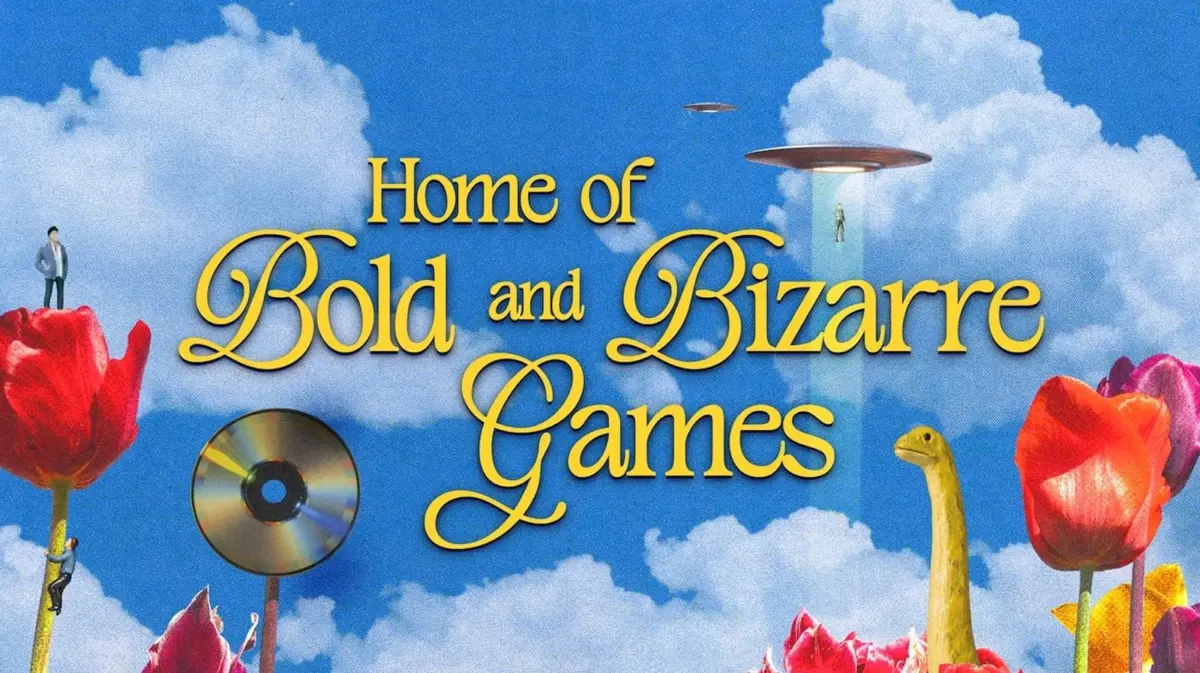
In a significant move poised to reshape how players discover and engage with independent titles, curator-turned-publisher Pantaloon has officially launched Playbill, a bespoke subscription service dedicated exclusively to "bold and bizarre" indie games. The new platform, which offers a curated selection of experimental and eccentric experiences, distinguishes itself sharply from mainstream offerings by implementing a stringent policy: Playbill will not feature any games that utilize generative AI in any form, a clear stance articulated by Pantaloon founder Jamin Smith as a "celebration of the craft of making games." This commitment to human-led creativity positions Playbill as a unique proposition in an increasingly crowded and technologically evolving gaming landscape.
Playbill enters a market dominated by giants like Xbox Game Pass and PlayStation Plus, yet carves out its niche by focusing intently on the often-overlooked and boundary-pushing segments of independent development. While drawing parallels to Game Pass in its subscription model, Playbill’s deliberate emphasis on unconventional titles and its ethical guidelines regarding AI underscore a distinct philosophy. The service aims to address key challenges faced by indie developers, particularly issues of discoverability on vast digital storefronts, and simultaneously offer players a curated gateway to experiences that might otherwise remain buried beneath algorithmic recommendations.
A New Paradigm for Indie Discovery: Playbill’s Core Offering
The core value proposition of Playbill revolves around meticulous curation and a commitment to showcasing innovative design. Jamin Smith emphasized this, stating, "We want the Playbill to be a celebration of more experimental and eccentric games. The nature of the model reduces that barrier to entry for players to check out genres and experiences that might not be surfaced by Steam’s market-shaping algorithms." This perspective highlights the service’s ambition to counteract the homogenizing effects of mainstream algorithms, which often favor titles with broad appeal over those pushing artistic boundaries.
The initial lineup for Playbill features a compelling mix of third-party games and Pantaloon’s own published titles. Among the third-party offerings are critically acclaimed and unique games such as Buckshot Roulette, a tense, atmospheric title known for its innovative mechanics; Silt, an eerie underwater exploration game; the unsettling Ex Sanguis; and the intriguing Cabin Factory. These titles exemplify the "bold and bizarre" aesthetic Pantaloon aims to cultivate. Complementing these are Pantaloon’s internal productions, including Sub-Verge, Occlude, It Takes a War, Boxroom, Rolla, and the highly anticipated music creation simulator, Offbeat, which has garnered attention for its creative freedom.
In a move reminiscent of larger platforms, Playbill subscribers will gain day-one access to all of Pantaloon’s own games as soon as they are released. This strategy not only sweetens the deal for subscribers but also provides a guaranteed audience and immediate launchpad for Pantaloon’s internal development efforts. Further enhancing its exclusive content portfolio, Playbill will feature timed exclusives, such as Virtue: Prologue, a visual novella designed as a companion piece to Virtue and a Sledgehammer. The latter, slated for release next week, has already generated considerable buzz among indie enthusiasts, making its prologue a significant draw for the new service.
The Genesis of Pantaloon: From Newsletter to Niche Publisher
Pantaloon’s evolution into a subscription service provider is rooted in its successful tenure as a curator and, subsequently, a publisher. The company initially built a robust community of over 50,000 newsletter subscribers, a testament to its discerning eye for quality and unique content. This community was engaged through an innovative model where subscribers could solve puzzles to receive game keys or purchase codes for Pantaloon’s curated selections. This approach fostered a highly interactive and dedicated audience, demonstrating a demand for carefully chosen, unconventional games.
This period of active curation provided Pantaloon with invaluable insights into the indie market, developer needs, and player preferences for niche content. The transition from a puzzle-based key distribution model to a full-fledged subscription service represents a natural progression, leveraging an established audience and a proven curatorial philosophy. The puzzles that were once a cornerstone of Pantaloon’s engagement strategy will continue to be accessible for free on the Playbill platform, alongside new community features and additional content like Augmented Reality Games (ARGs). This continuity ensures that the loyal fanbase who supported Pantaloon’s early efforts remains connected and valued within the new ecosystem. The successful cultivation of such a dedicated community over time highlights the power of authentic engagement and a clear brand identity in the digital space, proving that a strong curatorial voice can translate into a viable business model.
The Anti-Generative AI Stance: A Principled Stand in a Shifting Landscape
Perhaps the most defining and conversation-starting aspect of Playbill is its unequivocal rejection of generative AI in game development. In an era where AI tools are rapidly integrating into creative industries, Pantaloon’s policy to "not feature or platform any games that use genAI in any form" is a bold declaration. This stance resonates deeply with a segment of the gaming community, including developers, artists, and players, who harbor significant concerns about the ethical implications, artistic integrity, and potential job displacement associated with generative AI.
The debate around AI in creative fields is multifaceted. Proponents argue that AI tools can enhance productivity, automate tedious tasks, and unlock new creative possibilities, allowing smaller teams to achieve more ambitious projects. However, critics raise concerns about the origins of AI training data, often scraped from existing copyrighted works without consent or compensation, leading to issues of intellectual property infringement and fair use. There are also worries about the potential for AI to devalue human artistry, reduce opportunities for human creators, and lead to a homogenization of aesthetic styles. For many, the "craft of making games" implies a human touch, an intentionality in design, and a narrative derived from lived experience that AI, as a tool, cannot fully replicate or originate.
Pantaloon’s decision to explicitly ban AI-generated content positions Playbill as a haven for developers committed to traditional artistic and development processes. It signals a clear preference for games where every pixel, every line of code, and every narrative beat is a direct result of human ingenuity and effort. This policy could attract developers who feel marginalized or ethically compromised by the industry’s increasing adoption of AI, offering them a platform where their human-centric creations are explicitly valued and promoted. Conversely, for players, this ensures a curated selection free from the controversies surrounding AI, appealing to those who prioritize ethical production and authentic artistry. This principled stand not only differentiates Playbill but also contributes to the broader industry dialogue on the responsible integration of emerging technologies into creative endeavors.
The Green Room: Fostering Innovation and Preserving Legacy
Beyond its primary game catalog, Playbill introduces an innovative feature called the "Green Room." This dedicated section provides subscribers with access to demos, early playtests, and even "abandoned prototypes." The Green Room serves multiple purposes: it acts as an incubator for future titles, allowing developers to gather early feedback from an engaged audience; it offers a unique peek behind the curtain of game development, fostering a deeper connection between players and creators; and crucially, it serves as an archive for experimental and unfinished projects that might otherwise be lost to time.
At launch, the Green Room includes playtests for several intriguing titles, such as Isle Goblin, Mr Magpie’s Harmless Card Game, and Lemonade Apocalypse. These early-access opportunities provide value not only for players who enjoy being part of the development process but also for developers seeking crucial community input before full release. The inclusion of "abandoned prototypes" is particularly noteworthy. This offers a unique historical perspective, showcasing game concepts that never saw full development but still hold creative or experimental merit. In an industry notorious for its high project cancellation rates, preserving these prototypes within the Green Room could be seen as a form of digital archaeology, celebrating the creative journey as much as the final product. This emphasis on process and experimentation further solidifies Playbill’s commitment to the "craft of making games," extending beyond finished products to the very genesis of ideas.
Understanding Playbill’s Unique Subscription Model: Keys, Tiers, and Access
Playbill offers a Primo subscription plan priced at $5 per month or $60 per year, making it an accessible option for many gamers. However, its operational model diverges from typical subscription services in a significant way: it is key-based. This means Pantaloon acquires a certain number of game keys from developers, and when those keys run out, the game cycles out of the Playbill catalog. New titles are added regularly, maintaining a fresh and evolving collection. This key-based approach reflects a pragmatic solution for a smaller platform, allowing for flexible partnerships with indie developers and managing licensing costs without committing to perpetual access for every title.
The distinction between annual and monthly subscribers is another unique aspect. Annual subscribers receive a more comprehensive package, gaining access to all 13 games in the initial lineup, plus every new title introduced throughout their subscription year. This provides a stable and extensive library for long-term commitment. Monthly subscribers, on the other hand, are guaranteed one game each month, chosen through bespoke partnerships, meaning they cannot select their preferred title. While this might seem restrictive, Pantaloon founder Jamin Smith noted that some puzzles on the platform – like the one available this month – will allow subscribers a choice of reward, potentially offering more agency.
To address potential subscriber churn and encourage sustained engagement, Playbill has implemented a "mechanism just to prevent somebody getting all 14 titles straight away and then canceling," as Smith explained. Monthly subscribers will gain access to the full catalog of games only after maintaining a subscription for six consecutive months. This tiered access and strategic gating aim to balance the immediate gratification of a subscription service with the long-term sustainability required for Pantaloon to continue acquiring and showcasing quality indie titles. While a departure from the "all-you-can-eat" model of larger services, it reflects an innovative approach to managing a curated, rotating library within the financial realities of supporting a niche market.
Implications for Indie Developers and the Broader Gaming Ecosystem
Playbill’s launch carries significant implications for various stakeholders within the gaming industry. For independent developers, the service represents a potentially vital new avenue for discoverability and revenue. In a market saturated with thousands of new releases annually, standing out is a monumental challenge. Playbill’s curated approach means developers whose games align with the "bold and bizarre" ethos gain access to a pre-qualified, engaged audience without having to contend with the overwhelming marketing budgets of AAA studios. Furthermore, the explicit anti-AI policy offers a clear signal of support for human artistry, potentially attracting developers who are seeking platforms that align with their ethical and creative values. While specific revenue sharing models were not detailed, a key-based system often implies direct compensation per key, offering a predictable income stream for participating studios.
For players, Playbill offers a solution to "choice paralysis" – the overwhelming feeling of having too many options. By providing a highly curated selection, the service simplifies discovery and encourages players to experiment with genres and styles they might not typically encounter. The lower financial barrier of a subscription ($5/month) also reduces the risk associated with purchasing experimental or niche titles, fostering a more adventurous player base. The Green Room, with its demos and prototypes, further enhances player engagement by inviting them into the development process and offering a deeper appreciation for the craft.
From a broader industry perspective, Playbill’s emergence signals a growing trend towards niche subscription services. As the market for generalist services like Game Pass matures, there is increasing room for platforms that cater to specific tastes, genres, or ethical considerations. Playbill’s success could pave the way for other specialized subscriptions, further fragmenting the gaming ecosystem but also offering more tailored experiences for diverse player segments. The strong stance against generative AI is particularly noteworthy, as it could influence other platforms or prompt a deeper industry-wide discussion on the provenance and ethical use of content. It sets a precedent that artistic integrity and human craftsmanship can be a core differentiator and a powerful marketing tool in the modern creative economy.
The Future of Curated Gaming: Pantaloon’s Vision
Pantaloon’s Playbill represents more than just another subscription service; it embodies a vision for a more curated, ethically conscious, and artist-friendly corner of the gaming world. By championing "bold and bizarre" indie titles and taking a firm stand against generative AI, Pantaloon is actively shaping a community that values the human element of game creation. The unique key-based model, combined with tiered access and a commitment to day-one releases for its own titles, demonstrates an innovative approach to sustainability within the niche market.
As the digital landscape continues to evolve, platforms like Playbill could prove instrumental in preserving the diversity and experimental spirit of independent game development. Its success will be closely watched, not only by indie developers and players seeking unique experiences but also by industry analysts keen to understand the viability of specialized, principled subscription models. Pantaloon’s journey from a popular newsletter to a pioneering subscription service underscores the enduring power of strong curation and a clear artistic philosophy in connecting creators with their dedicated audiences, promising an exciting future for the "craft of making games."