Vera Intan Clara
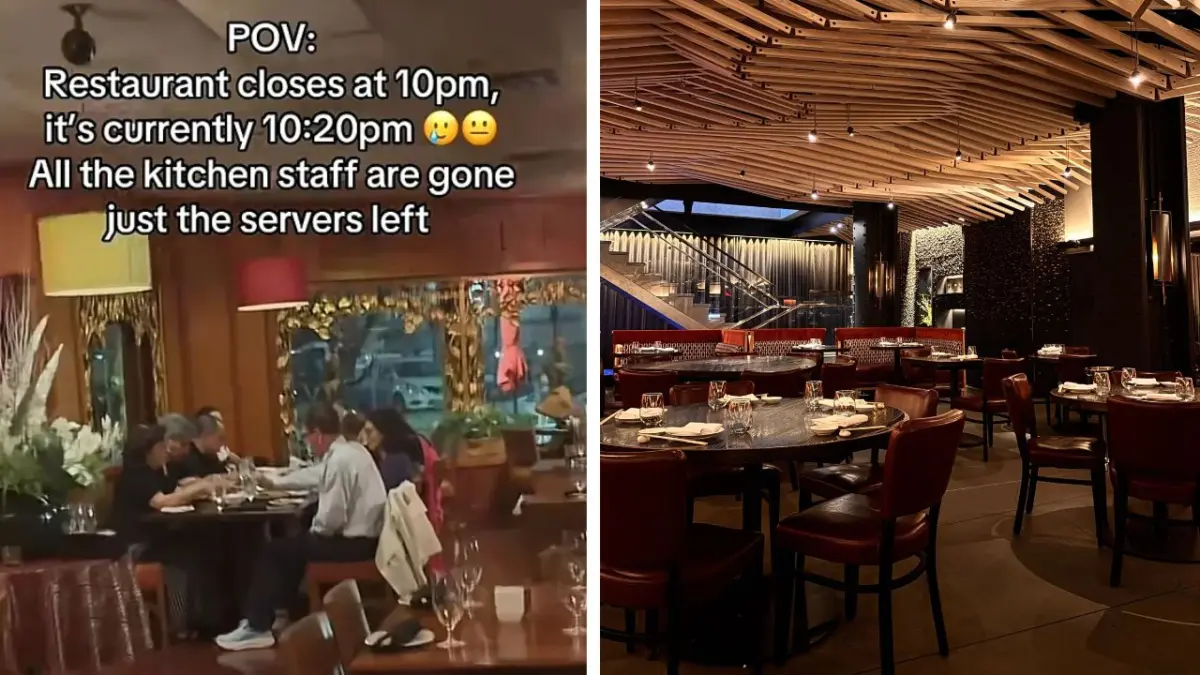
A recent TikTok video shared by user @jklmnop_21, identifying as a restaurant server, has ignited a significant discussion across social media and within the hospitality industry, showcasing a common yet often unacknowledged challenge faced by front-of-house staff. The video, posted on April 5, quickly amassed 4.5 million views, depicting a scenario where a table of customers continued their meal a full 20 minutes past the restaurant’s advertised 10:00 PM closing time, while all kitchen staff had already departed. This incident brings to the forefront the complex interplay between customer service expectations, operational efficiency, and the welfare of service industry employees.
The Viral Incident: A Server’s Lone Stand
The core of the viral content features a concise yet potent overlay of text: "POV: Restaurant closes at 10 pm; it’s currently 10.20 pm. All the kitchen staff are gone; just the servers are left." The accompanying video visually corroborates this, showing a seemingly isolated table of diners amidst an otherwise empty dining area and a dark, deserted kitchen. The creator, @jklmnop_21, further elaborated in the caption that this predicament — servers being left to manage remaining customers after the entire back-of-house crew, including cooks and prep team, has clocked out — is a recurring and frustrating aspect of restaurant work.
The creator articulated the dissonance between a restaurant’s posted operating hours and the practical reality of customer behavior. "Many places have a strict closing time, but the last tables often linger. Orders still need to be taken, drinks refilled, and the bill finally paid. Meanwhile, the kitchen is already closed, and the staff inside is heading home," the caption explained. This situation, according to the server, transforms a routine end-of-shift into an "awkward and exhausting" period. The absence of kitchen support means that any unforeseen request or issue, from a forgotten side dish to a complex dietary inquiry, becomes exponentially more stressful for the remaining front-of-house team. The creator described this uncomfortable reality as a "funny, slightly painful POV that many hospitality workers recognize instantly," underscoring its universality within the service sector.
Chronology of a Restaurant Closing: Ideal vs. Reality
In a well-managed restaurant, the closing process is a carefully orchestrated sequence designed to ensure efficiency, cleanliness, and staff well-being. Typically, this chronology unfolds as follows:
- Last Call (e.g., 9:30 PM for a 10 PM close): Diners are informed of the last opportunity to place food or drink orders. This is a crucial communication point, setting expectations.
- Kitchen Shutdown (e.g., 10:00 PM – 10:15 PM): Once all orders are in, the kitchen begins its rigorous cleaning procedures. Cooks may finish their last dishes, clean their stations, and often depart shortly after the official closing time, sometimes with a grace period for final ticket completion.
- Dining Room Operations (e.g., 10:00 PM onwards): Servers transition from taking orders to facilitating the departure of remaining guests. This includes refilling drinks, processing payments, and beginning their own sidework (cleaning, restocking, preparing for the next shift).
- Full Closure: Ideally, all guests have departed within a reasonable timeframe (e.g., 15-30 minutes post-closing), allowing servers to complete their duties and clock out, typically within an hour of the official closing time.
The incident captured by @jklmnop_21 starkly deviates from this ideal. With the kitchen staff gone by 10:20 PM, it suggests either an unusually early departure by the back-of-house team or a management policy that prioritizes kitchen staff’s clock-out times, potentially leaving servers in a vulnerable position. The video highlights a critical point of friction: while kitchen staff often have clear cut-off points dictated by the last food order, front-of-house staff’s duties are intrinsically tied to the physical presence of customers, making their end-of-shift less predictable.
Industry Standards and Operational Challenges
The hospitality industry, particularly the restaurant sector, operates on tight margins and relies heavily on efficient workflow and synchronized team efforts. The scenario depicted in the TikTok video underscores several inherent challenges:
- Synchronization of Staff Departures: Managing the staggered departure of kitchen and dining room staff is a perpetual balancing act for restaurant management. Kitchen staff, often paid hourly, have specific tasks that can be completed once the last order is fired. Delaying their departure incurs additional labor costs and can negatively impact morale. Servers, however, must remain until the last customer leaves, regardless of how long that takes.
- Customer Service vs. Operational Efficiency: Restaurants strive to provide an excellent customer experience, which often includes not rushing diners. However, prolonged stays past closing times strain operational efficiency. It delays cleaning, closing procedures, and staff departures, potentially impacting opening times the next day or simply adding uncompensated or poorly compensated hours for servers.
- Lack of Clear Policy Enforcement: The comments section of the TikTok video revealed public confusion about whether restaurants can legally ask customers to leave after closing. While establishments generally have the right to refuse service or ask patrons to leave after business hours, many opt not to for fear of negative reviews or confrontation. This often leaves service staff feeling powerless and unsupported.
The Economic and Human Cost of Lingering Customers
The implications of customers lingering past closing extend beyond mere inconvenience; they carry tangible economic and human costs for the hospitality workforce and businesses alike.
- Financial Impact on Servers: Many servers rely heavily on tips. While they are technically still working when customers linger, the amount of additional tip generated by a single table past closing time rarely compensates for the extended hours. According to the U.S. Bureau of Labor Statistics, the median hourly wage for waiters and waitresses was $14.50 in May 2022, but this often includes tips. The federal minimum wage for tipped employees is $2.13 per hour, meaning servers heavily depend on customer generosity. Being stuck waiting for one table significantly dilutes their effective hourly earnings for that additional time. Furthermore, if management expects servers to stay without additional compensation or adequate tips, it amounts to unpaid labor or underpaid time.
- Staff Morale and Burnout: The hospitality industry is notorious for high turnover rates. Data from the National Restaurant Association consistently shows that employee retention is a major challenge. Situations like the one depicted contribute significantly to burnout and dissatisfaction. Servers often work long, irregular hours, and the inability to clock out on time due to lingering customers erodes work-life balance and psychological well-being. It fosters a feeling of disrespect for their time and effort.
- Operational Costs for Businesses: While the immediate cost of a single table lingering might seem minimal, cumulative instances add up. Extended operational hours mean higher utility costs (lighting, heating/cooling), potential overtime pay for managers who stay to supervise, and increased wear and tear on equipment. More importantly, it impacts the ability to prepare for the next shift efficiently, potentially leading to delays or rushed work the following day.
- Impact on Back-of-House Staff: While the TikTok focused on servers, the early departure of kitchen staff is also a calculated decision. Kitchen teams often work physically demanding jobs, and management aims to release them as soon as their core duties are complete to manage labor costs and prevent burnout among cooks and dishwashers. This creates the very situation of servers being left without support, highlighting a systemic issue rather than a failing of either front-of-house or back-of-house staff.
Social Media as a Mirror: Public Reactions and Industry Dialogue
The comments section of @jklmnop_21’s video served as a vibrant forum for public opinion, reflecting a spectrum of understanding, empathy, and sometimes, ignorance regarding restaurant operations.
One commenter expressed genuine surprise and concern, writing, "how the hell is ur kitchen gone 20 mins after closing?" This reaction points to a general lack of public awareness about the phased closing procedures in restaurants and the differing roles of front and back-of-house staff. Another user directly criticized the customers’ behavior, stating, "people are so rude inconsiderate and just plain rude." This sentiment resonates with many service workers who feel their time and efforts are undervalued.
A particularly viral comment shared a personal anecdote: "My ex did this ONCE 5 mins before Red lobster closed, saying ‘they’re still open’ I broke up with him after dinner." This extreme reaction, while humorous, underscores the deep frustration many feel when their companions or others disregard the unwritten rules of dining etiquette and disrespect service staff. It highlights how deeply ingrained this issue is in personal experiences.
Perhaps most tellingly, a fourth commenter questioned the protocol directly: "Wait you’re not allowed to ask them to leave!?!? Are they just allowed to stay for all eternity if they want!? This seems so unfair to you." This comment encapsulates the confusion and perceived powerlessness of servers. It exposes a societal blind spot regarding the legal and practical limitations faced by service staff when confronted with lingering patrons.
These reactions collectively demonstrate the power of platforms like TikTok to bring often-overlooked industry challenges into mainstream conversation. They initiate a dialogue not just among service workers who instantly recognize the "POV," but also among the general public, prompting reflection on customer behavior and industry practices.
Broader Implications for the Hospitality Sector and Consumer Behavior
The viral success of @jklmnop_21’s video carries broader implications for the hospitality sector, influencing potential policy changes, customer education, and industry best practices.
- Need for Clearer Restaurant Policies: The incident underscores the necessity for restaurants to have explicit, communicated policies regarding closing times for both staff and customers. This could involve more assertive "last call" announcements, gentle reminders to remaining guests about closing procedures, or even a clear statement on menus or doors about expected departure times. Some establishments have experimented with "soft closing" where new entries are denied, but existing patrons are gently encouraged to finish.
- Educating Consumers on Service Industry Realities: The public’s varied reactions suggest a need for greater awareness about the operational intricacies and human element behind restaurant service. Understanding that staff have lives, families, and specific clock-out times can foster greater empathy and more considerate behavior from diners. Industry associations could play a role in launching public awareness campaigns.
- Rethinking Staffing Models: Some restaurants might need to re-evaluate their staffing models to better accommodate the realities of closing. This could involve scheduling one or two servers to stay a bit longer than the rest, ensuring they are adequately compensated, or having a manager actively oversee the final departures.
- Technological Solutions: While not directly applicable to the incident, technology might offer solutions in other contexts. Online reservation systems could include clear end times for tables, implicitly setting expectations for diners.
- Employee Welfare as a Priority: The incident serves as a stark reminder that employee welfare, including respect for their time and predictable working hours, is crucial for retention and overall industry health. As the hospitality sector continues to grapple with labor shortages, fostering a supportive work environment becomes paramount.
- The Tipping Debate: The situation also subtly touches upon the ongoing debate around tipping culture. In systems heavily reliant on tips, the incentive to stay and serve a lingering table might be low if the potential tip is minimal, creating a disincentive for quality service at the very end of the night.
Conclusion
The TikTok video by @jklmnop_21 is more than just a fleeting viral moment; it is a microcosm of a significant, long-standing issue within the restaurant industry. It vividly illustrates the tension between maintaining a welcoming atmosphere for customers and respecting the operational demands and personal time of service staff. The widespread recognition and passionate reactions generated by the video underscore a collective sentiment that the unspoken rules of dining etiquette, particularly around closing time, need re-evaluation. As social media continues to democratize perspectives and bring hidden challenges to light, this incident serves as a poignant catalyst for a broader, much-needed conversation about customer consideration, staff welfare, and the sustainable operation of the hospitality sector. The expectation for customers to depart respectfully and for management to support their staff efficiently are not just courtesies, but foundational elements for a healthy and respectful service industry.