Chandra Wibowo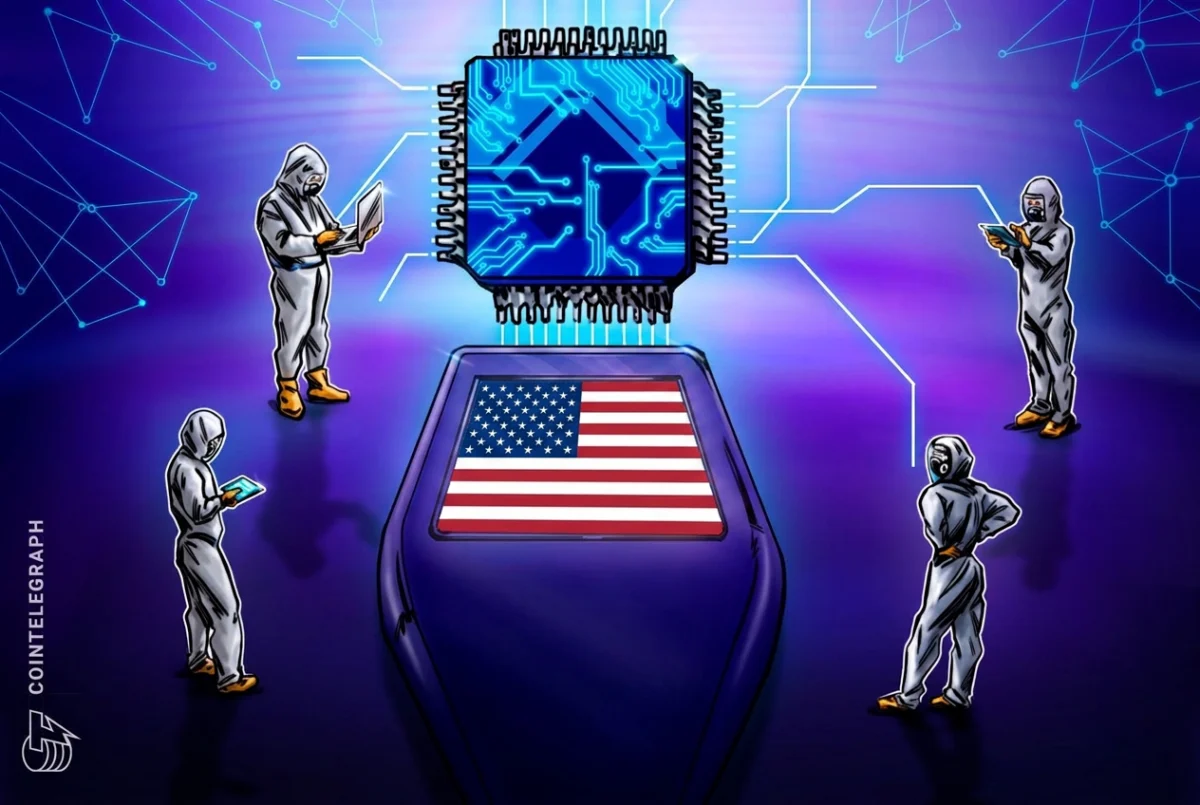
Senator Elizabeth Warren has formally requested a comprehensive explanation from the U.S. Commerce Department regarding its policy towards the United Arab Emirates (UAE), a demand stemming from recent investments by UAE-linked entities in a cryptocurrency venture associated with President Donald Trump’s family. The inquiry centers on the department’s decision to grant the UAE enhanced access to sensitive U.S. technology, including advanced artificial intelligence (AI) chips, following significant financial commitments to World Liberty Financial, a company with ties to the former president’s family.
The genesis of this significant legislative scrutiny can be traced to a series of financial transactions that have raised eyebrows in Washington D.C. In January of the current year, an entity based in Abu Dhabi, reportedly backed by Sheikh Tahnoon bin Zayed Al Nahyan, a prominent figure in the UAE’s economic and security landscape, is said to have invested a substantial $500 million into World Liberty Financial. This investment alone marked a significant financial engagement between a key Gulf nation and a business connected to a former U.S. president.
Adding another layer of complexity to the situation, a separate company with reported links to the UAE subsequently settled a $2 billion investment in the cryptocurrency exchange Binance. Notably, this settlement was reportedly facilitated using World Liberty Financial’s stablecoin, USD1. These two distinct but interconnected financial activities have placed the U.S. Commerce Department’s regulatory and policy decisions under a microscope, particularly concerning the potential for foreign influence in U.S. technology and financial sectors, and the ethical implications when such investments intersect with the interests of high-profile political figures.
A Pattern of Scrutiny and Calls for Transparency
This latest inquiry from Senator Warren is not an isolated event but rather an extension of a broader pattern of Democratic lawmakers seeking to understand and potentially curb the influence of foreign cryptocurrency investments on U.S. policy and national security. In June, a bipartisan group of senators, including Senator Warren, had already voiced their concerns by calling for legislative hearings specifically to investigate the $500 million investment made by the UAE-backed entity into World Liberty Financial. This proactive stance by lawmakers underscores a growing unease about the opaque nature of cryptocurrency markets and the potential for their exploitation in geopolitical and financial maneuvering.
Furthermore, many lawmakers have been actively scrutinizing other actions taken by the Trump administration that have drawn attention. One such action that has garnered significant attention is President Trump’s decision to pardon Changpeng Zhao, the former CEO of Binance. While the specifics of the pardon are separate from the UAE investment, it contributes to a broader narrative of scrutiny surrounding individuals and entities involved in the cryptocurrency space and their interactions with political power.
Commerce Department’s Policy Shift: Easing Export Controls
The timing of Senator Warren’s letter is particularly noteworthy, as it follows a significant policy shift by the U.S. Commerce Department concerning the UAE. In a move that has been met with both praise and criticism, the department reclassified the UAE from Country Group B to Country Group A:5. This reclassification effectively grants the UAE greater access to license-free exports of U.S. technologies. The implications of this change are far-reaching, as it eases restrictions on a wide array of goods, including highly sought-after advanced semiconductor chips, which are critical components for a multitude of modern technologies, from artificial intelligence to advanced computing.
Beyond the general easing of export controls, the Commerce Department also indicated its intention to "favorably review" license applications for chips and servers destined for MGX, the UAE entity that was involved in the $2 billion investment in Binance. This specific commitment to expedite reviews for a company linked to the UAE’s cryptocurrency dealings has intensified concerns about potential preferential treatment and the intertwining of economic policy with private financial interests.
The Core of Senator Warren’s Concerns: Potential Conflicts of Interest and National Security
In her letter to Commerce Secretary Howard Lutnick, Senator Warren articulated her deep-seated concerns with stark clarity. According to reports from CNBC, the Massachusetts lawmaker stated, "The Department’s actions raise significant questions about the potential influence the President’s cryptocurrency business interests may be having on the agency’s operations and our national security." This statement directly links the Commerce Department’s policy decisions to the business dealings of a former president’s family, highlighting a perceived conflict of interest and a potential threat to national security.
The concern is that by loosening export controls and offering favorable reviews to entities linked to the UAE and, by extension, to Trump-family associated businesses, the Commerce Department might be inadvertently compromising U.S. technological advantage or national security interests. Advanced AI chips, in particular, are considered dual-use technologies, meaning they can be employed for both civilian and military purposes. The unhindered flow of such sensitive technology to any foreign nation, especially when intertwined with investments that could benefit politically connected individuals, warrants rigorous examination.
Background: The Rise of Cryptocurrency and Geopolitical Investments
The current situation is set against a backdrop of rapid global expansion and increasing geopolitical significance of the cryptocurrency market. Once considered a niche technology, cryptocurrencies and blockchain technology have evolved into a multi-trillion dollar industry, attracting significant investment from individuals, corporations, and even nation-states. This growth has brought both opportunities and challenges, including regulatory hurdles, concerns about illicit finance, and the potential for foreign influence.
The UAE, in particular, has been actively positioning itself as a hub for innovation and investment in the digital economy. Its strategic location, favorable business environment, and proactive government initiatives have attracted a substantial inflow of capital and talent. However, this ambition for technological and financial leadership also necessitates careful navigation of international regulatory frameworks and ethical considerations, especially when engaging with U.S. technology and financial markets.
World Liberty Financial, the company at the center of these allegations, operates within this dynamic landscape. While the specifics of its operations and its direct familial ties to President Trump are subject to ongoing scrutiny, its association with substantial investment from UAE-linked entities has triggered alarm bells among those who advocate for transparency and accountability in both the financial and political spheres. The involvement of a stablecoin, designed to maintain a stable value relative to a currency like the U.S. dollar, further adds a layer of complexity, as stablecoins play a crucial role in facilitating cryptocurrency transactions and can be used to move large sums of money across borders with relative ease.
Timeline of Key Events:
- January (Current Year): An Abu Dhabi entity, reportedly backed by Sheikh Tahnoon bin Zayed Al Nahyan, invests $500 million in World Liberty Financial.
- Unspecified Date (Prior to Warren’s Letter): Another UAE-linked company settles a $2 billion investment in Binance using World Liberty Financial’s USD1 stablecoin.
- Unspecified Date (Prior to Warren’s Letter): The U.S. Commerce Department changes the UAE’s categorization to Country Group A:5, easing export controls. The department also commits to favorably reviewing license applications for chips and servers to MGX.
- June (Current Year): A group of senators, including Elizabeth Warren, calls for hearings into the $500 million World Liberty Financial deal.
- Present: Senator Elizabeth Warren sends a letter to Commerce Secretary Howard Lutnick demanding an explanation for the U.S. Commerce Department’s policies towards the UAE in light of these investments.
Broader Implications and Analysis
The implications of Senator Warren’s inquiry are significant and extend beyond the immediate concerns about specific investments. This situation highlights several critical issues at the intersection of technology, finance, foreign policy, and political influence:
- National Security and Technology Export Controls: The case underscores the inherent tension between fostering international trade and protecting sensitive technologies. The decision to ease export controls for advanced chips to the UAE, when these exports could potentially benefit entities linked to politically connected businesses, raises questions about the robustness of U.S. national security protocols. The dual-use nature of AI chips makes their export a matter of significant strategic importance.
- Transparency and Accountability in Cryptocurrency: The burgeoning cryptocurrency market, with its often-opaque transaction structures and global reach, presents unique challenges for regulators and lawmakers. This event reinforces the need for greater transparency in cryptocurrency investments and clearer regulations to prevent their potential misuse for illicit activities or undue political influence.
- Ethics and Potential Conflicts of Interest: The appearance of a nexus between foreign investments in a politically linked cryptocurrency venture and favorable U.S. government policy creates a perception of potential conflicts of interest. Such perceptions can erode public trust in government institutions and the integrity of policy-making processes.
- U.S.-UAE Relations: While the U.S. and UAE share strategic interests, this incident could strain diplomatic relations if not handled with transparency and a clear commitment to upholding U.S. regulatory and ethical standards. The UAE’s efforts to bolster its position as a global financial and technological hub are significant, but they must align with international norms of governance and transparency.
The U.S. Commerce Department’s decision to ease export controls to the UAE, coupled with the reported investments in World Liberty Financial, has ignited a crucial debate about the integrity of U.S. trade policies and the potential for foreign financial interests to influence them, especially when those interests intersect with the business dealings of prominent political figures. Senator Warren’s demand for an explanation is a call for clarity and accountability, aiming to ensure that U.S. national security and economic interests remain paramount, uncompromised by the complex and often murky world of international finance and cryptocurrency. The response from the Commerce Department will be closely watched by policymakers, industry stakeholders, and the public alike.