Vera Intan Clara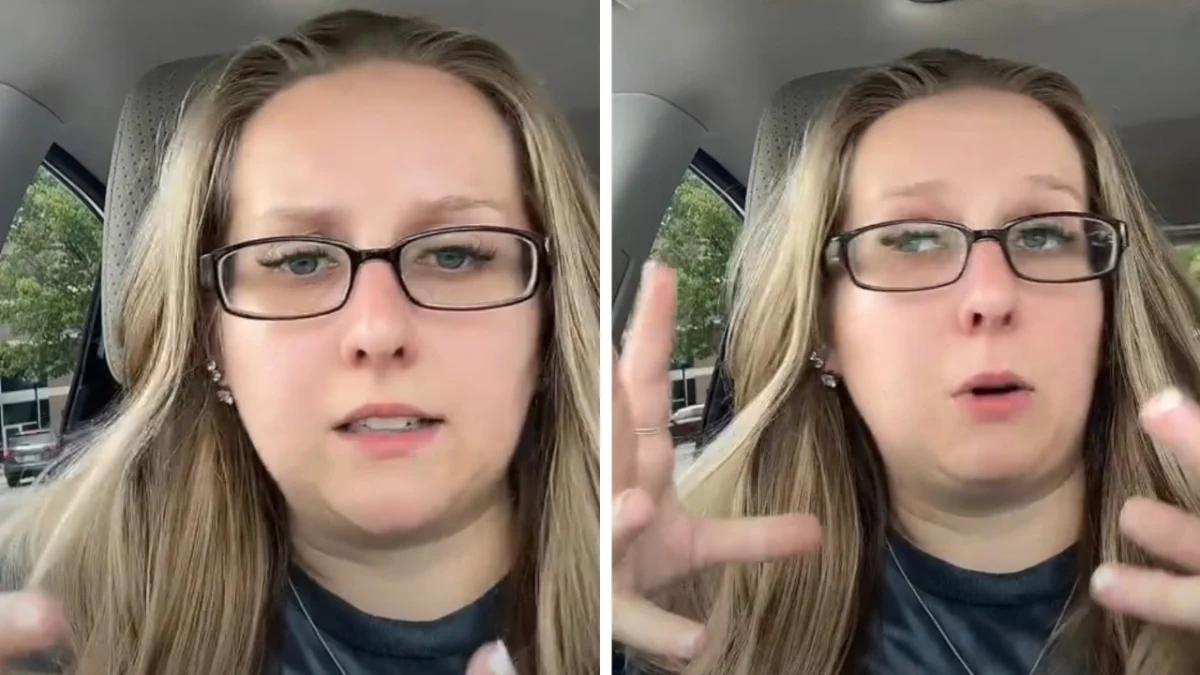
A recent viral TikTok video, spearheaded by creator Miss Redacted, has ignited a fervent national debate concerning the appropriateness of tipping owner-operators in various service industries, challenging long-held gratuity norms and prompting widespread introspection into consumer expectations. The discussion, which rapidly transcended the digital platform, has brought to the forefront complex questions about fair compensation, pricing transparency, and the psychological contract between service providers and their clientele, particularly in an era marked by the proliferation of digital tipping prompts.
The Catalyst: A TikToker’s Provocative Stance
The controversy originated with Miss Redacted’s video, posted on October 26, 2023, which garnered millions of views and thousands of comments. In her initial exposition, Miss Redacted posited a distinction between employees who earn hourly wages and owner-operators, arguing that the latter, by virtue of setting their own prices and directly profiting from their labor, should not inherently expect gratuities. Her central contention was that tipping is primarily intended to supplement the income of wage-earning employees who often rely on such additions to meet living costs, a historical rationale that she argued does not apply to business owners. She further highlighted the discomfort and uncertainty experienced by customers when faced with ambiguous tipping expectations, suggesting it complicates transactions that should otherwise be straightforward.
Chronology of a Cultural Shift: From Restaurant Floors to Digital Prompts
The debate sparked by Miss Redacted is not an isolated incident but rather a microcosm of a larger, ongoing shift in American tipping culture. Historically, tipping in the United States traces its roots back to post-Civil War practices, initially introduced by European travelers and later institutionalized, partly as a means to pay freed slaves low wages, relying on customer generosity for their livelihood. For decades, tipping remained largely confined to specific sectors, predominantly restaurants, bars, and certain personal services like barbershops and taxi rides. The general understanding was that a tip was a discretionary reward for exceptional service, supplementing the often-subminimum wages of waitstaff and bartenders.
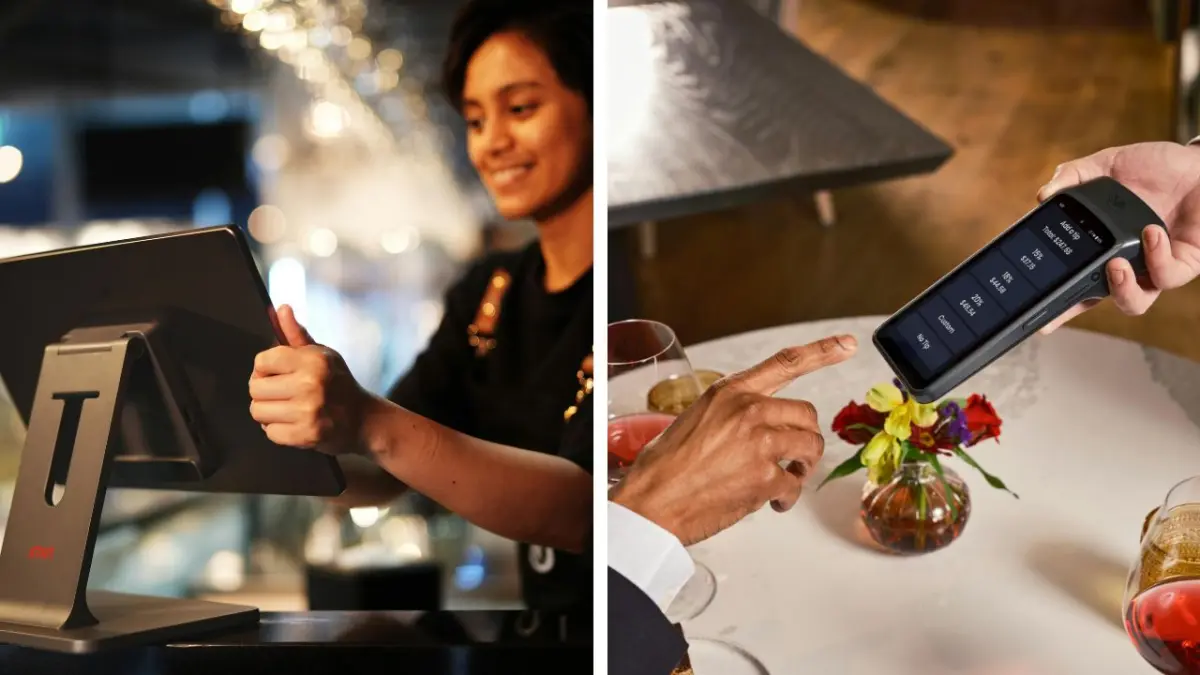
However, the late 20th and early 21st centuries witnessed a gradual expansion of tipping expectations. The rise of the gig economy, accelerated by platforms like Uber and DoorDash in the 2010s, introduced tipping into new service categories, from ride-sharing to food delivery. This expansion gained further momentum during the COVID-19 pandemic, as consumers were encouraged to tip generously to support essential workers and struggling businesses. Concurrently, the widespread adoption of digital payment systems, particularly Square and similar point-of-sale (POS) terminals, normalized the presentation of tipping prompts at nearly every transaction point, from coffee shops and bakeries to retail stores and concert merchandise booths. This technological integration has been a significant driver of what many now refer to as "tip creep" or "tipping fatigue," where consumers feel an increasing pressure to tip in situations where it was previously uncommon or unheard of.
Public Reaction: A Spectrum of Opinion on Social Media
The comments section of Miss Redacted’s video, and subsequent discussions across various social media platforms, revealed a deeply divided public. Many commenters echoed her sentiment, expressing frustration with the perceived expansion of tipping culture. Several users firmly stated their belief that tipping should remain exclusive to traditional restaurant and bar service. "I only tip waiters and bartenders," one commenter wrote, encapsulating a widely held view. Another took an even more rigid stance: "I’m not tipping anyone who is NOT a waiter/waitress." These comments underscore a segment of the population clinging to established tipping norms and resisting the perceived erosion of those boundaries.
A significant point of contention revolved around the ubiquity of digital tipping prompts. The exasperated query, "There’s tips at MERCH BOOTHS, MERCH BOOTHS AT CONCERTS!! WHY!" highlighted consumer bewilderment at the increasing frequency and context of tip requests. This sentiment reflects a growing discomfort with the perceived obligation to tip, even for transactions that involve minimal personal service or for goods rather than services.
The debate also extended to the fundamental premise of percentage-based tipping for hourly wage earners. One commenter questioned, "I HATE IT. if you make at least the federal minimum wage, why are we expected to tip a %?" This perspective argues that the original justification for tipping—to supplement unusually low base wages, particularly for roles like waitstaff—becomes less relevant when employees earn a standard minimum wage or above. They suggest that if wages are adequate, tips become an unnecessary additional burden on the consumer.
The Nuance of Personal Relationships: Hair Stylists and Tattoo Artists
The discussion became particularly complex when addressing service providers with whom customers often develop long-term, personal relationships, such as hair stylists and tattoo artists. Here, the strict owner-operator distinction blurred considerably.
One commenter articulated a common sentiment, stating they consistently tipped their hair stylist despite the stylist owning the business. Their reasoning was rooted in the longevity of the relationship and the stylist’s occasional gestures of goodwill, such as offering discounts or waiving minor charges. This highlights how personal rapport and a perceived reciprocal relationship can override purely economic considerations in tipping decisions. For many, a tip in these scenarios transcends a mere supplement to income; it becomes an expression of appreciation, loyalty, and a desire to foster a positive ongoing connection with a trusted professional.
Conversely, the case of tattoo artists sparked a more direct challenge to the owner-operator tipping model. One commenter drew a sharp line, arguing that once a specific price for a tattoo project is agreed upon, that price should be final. "If you tell me you will do a project for me for X price, that’s the price," they asserted, drawing a parallel to hiring a general contractor. "Do you tip a general contractor?" they provocatively asked. This perspective emphasizes a contractual understanding of service, where the agreed-upon price is deemed comprehensive and reflective of the artist’s skill, time, and business overhead. Tipping, in this view, would imply that the initial price was somehow insufficient or that the customer is expected to pay more than initially agreed.
Economic Implications and the Business Owner’s Dilemma
The debate has significant economic implications for both consumers and small business owner-operators. For consumers, the proliferation of tipping requests, often for services traditionally not tipped, contributes to "tipping fatigue." A 2023 survey by Bankrate found that 66% of U.S. adults have a negative view of tipping, citing reasons like businesses using tips to avoid paying fair wages and feeling pressured to tip. This fatigue can lead to resentment, potentially impacting customer loyalty and spending habits.
For owner-operators, the situation is multifaceted. While Miss Redacted argued they control their pricing, the reality for many small businesses is complex. They face rising operational costs, including rent, utilities, supplies, and often employee wages (even if they don’t have many employees themselves). Setting prices too high can deter customers, especially in competitive markets. Tips, even for owner-operators, can represent a valuable margin, allowing them to keep base prices competitive while still achieving a sustainable income. For some, particularly in creative fields like tattooing or highly personalized services like hairstyling, a tip might be seen as recognition of artistic merit or exceptional care that goes beyond the basic service cost.
However, relying on tips for owner-operators can also create an unstable income stream and place the onus of fair compensation onto the customer, rather than building it directly into the business model. This creates the "uncertainty" Miss Redacted highlighted, where customers are left to guess at expectations, potentially leading to awkward social dynamics or a feeling of being nickel-and-dimed.
Broader Impact and Implications for the Service Economy
The TikTok debate underscores a critical juncture in American consumer culture and the service economy. It highlights a growing consumer demand for transparency and clarity in pricing. As digital payment systems continue to evolve, so too must the social contract surrounding gratuities.
One potential implication is a renewed push towards alternative compensation models. Some restaurants, for instance, have experimented with "no-tipping" policies, opting instead for higher base wages or implementing a mandatory service charge that is distributed among all staff. While these models have met with mixed success, they offer a pathway to more predictable income for workers and clearer pricing for consumers.
Another implication is the potential for increased consumer selectivity in tipping. As tipping fatigue grows, customers may become more discerning, reserving tips for truly exceptional service or for industries where it is deeply ingrained and understood as part of the compensation structure. This could disadvantage sectors that have more recently adopted tipping practices without a clear societal consensus.
Ultimately, the conversation initiated by Miss Redacted and amplified by millions of TikTok users is forcing a reevaluation of what a "tip" truly signifies in contemporary society. Is it a bonus for exceptional service, a necessary supplement to low wages, an expression of personal appreciation, or an increasingly expected surcharge for virtually any transaction? The lack of consensus evident in the online discussion suggests that a uniform answer remains elusive, and the landscape of gratuity will likely continue to evolve as consumers, service providers, and technology navigate this complex social and economic terrain. The ongoing dialogue is crucial for shaping future norms and ensuring that both workers and consumers feel fairly treated in the evolving service economy.