Garick Elordi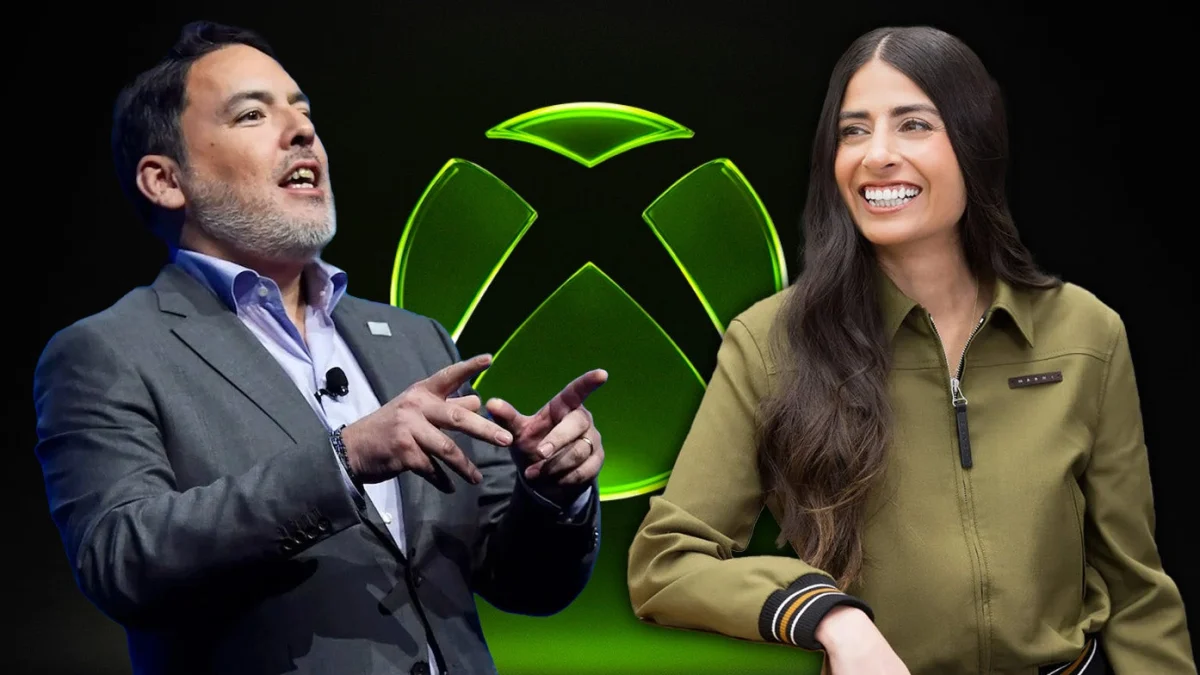
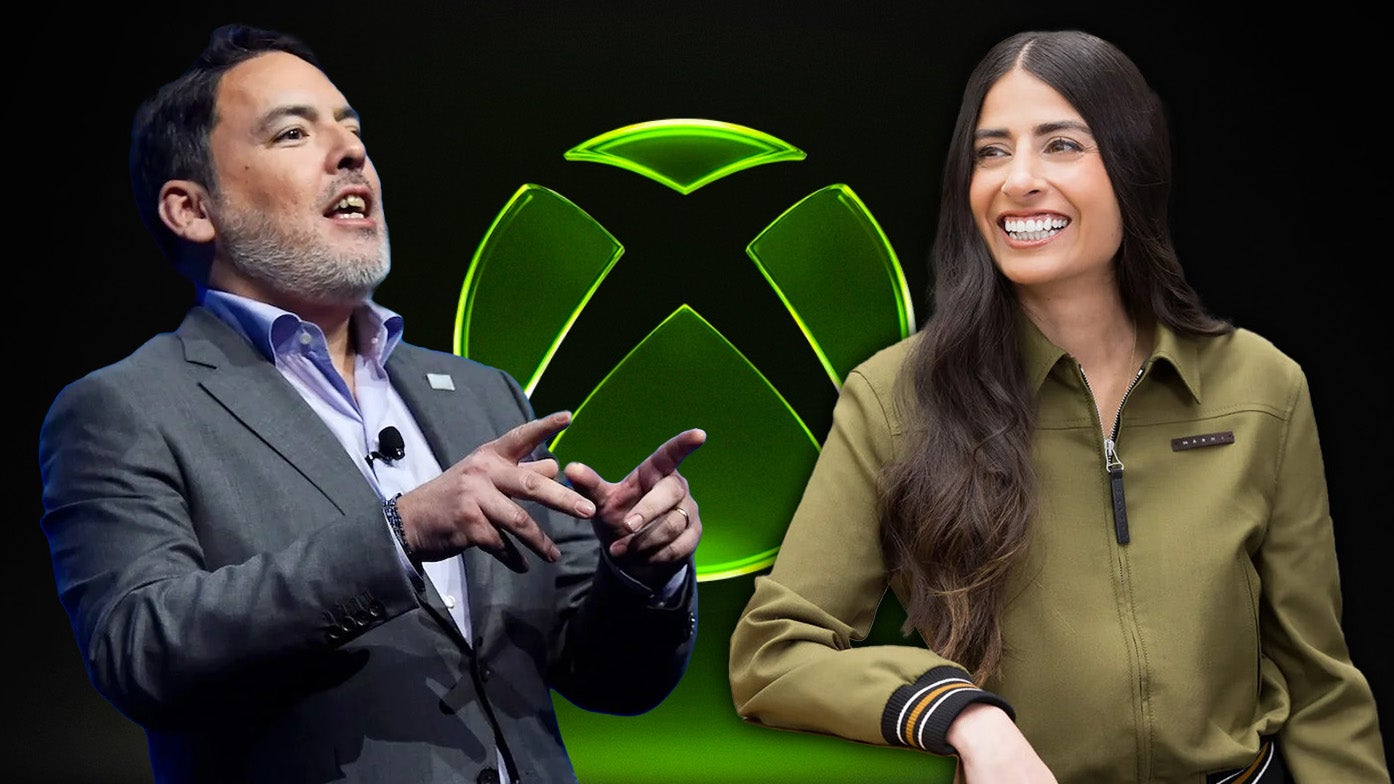
The global gaming landscape is currently witnessing a significant strategic shift as Microsoft’s Xbox division grapples with identity challenges and declining hardware sales. Shawn Layden, the former chairman of Sony Interactive Entertainment Worldwide Studios, recently offered a candid assessment of the current state of Team Xbox, suggesting that the company has reached a critical juncture. During an appearance on The Expansion Pass podcast, Layden asserted that Microsoft must definitively "pick a lane" regarding its software exclusivity strategy, or risk losing the core identity of its gaming platform altogether. Layden’s commentary comes at a time when Xbox is navigating the complexities of its massive $69 billion acquisition of Activision Blizzard while simultaneously managing a noticeable downturn in console adoption across key global markets.
The Identity Crisis of Modern Console Ecosystems
At the heart of Layden’s critique is the fundamental tension between being a hardware platform holder and a multi-platform software publisher. For decades, the console industry has operated on a "razor and blades" model: hardware is often sold at a loss or thin margins to establish an install base, which is then monetized through exclusive software that cannot be found elsewhere. Layden argues that Xbox has blurred these lines to its own detriment. By porting major titles—which previously served as system sellers—to competing platforms like the PlayStation 5 and Nintendo Switch, Microsoft is inadvertently devaluing the necessity of owning an Xbox console.
"A platform needs exclusives or else the platform has no meaning," Layden stated during the interview. He noted that while Xbox has attempted various strategies, it has struggled to maintain a consistent direction. According to Layden, the company has "flip-flopped" on its commitment to exclusivity, creating confusion among the consumer base. This lack of a cohesive "lane" prevents the brand from establishing the same level of platform loyalty that has historically sustained its competitors.
Historical Context: The Dreamcast Moment and Sega’s Pivot
Layden drew a poignant historical parallel, comparing Xbox’s current predicament to the "Dreamcast moment" experienced by Sega in the early 2000s. The Sega Dreamcast, while technologically innovative and beloved by a dedicated fan base, failed to gain sufficient market traction against the dominant PlayStation 2. In 2001, Sega made the monumental decision to discontinue its hardware production and transition into a third-party software publisher, bringing iconic franchises like Sonic the Hedgehog to the very platforms that had previously been its rivals.
Layden suggested that Microsoft may be approaching a similar crossroads. With the acquisition of Activision Blizzard, Microsoft now owns some of the most lucrative intellectual properties in entertainment history, including Call of Duty, World of Warcraft, and Candy Crush. If Microsoft chooses to prioritize its role as the "biggest publisher in the world," Layden argues that the business model necessitates being on every available screen. However, this path is fundamentally at odds with maintaining a closed hardware ecosystem. "You can’t be successful at both," Layden warned, highlighting the inherent conflict in trying to sell a $500 console while simultaneously offering its best content to people who chose not to buy that console.
Analyzing Hardware Trends and Market Performance
The urgency of Layden’s advice is underscored by recent market data. In the United Kingdom, a traditionally strong territory for the Xbox brand, console sales for the Xbox Series X and Series S have faced significant year-on-year declines. Reports indicate that hardware sales for the platform have hit record lows during the current generation, trailing significantly behind the PlayStation 5 and the aging Nintendo Switch.
The broader European market reflects a similar trend, where the gap between Sony and Microsoft has widened. This decline in hardware momentum puts immense pressure on Microsoft’s "Game Pass" subscription model. While Game Pass remains a cornerstone of the Xbox strategy, the stagnation of console sales limits the potential "top of funnel" growth for new subscribers who prefer the traditional console experience over PC or cloud gaming. Consequently, Microsoft has begun looking toward rival platforms to recoup the massive development costs of its AAA titles, leading to the recent "Xbox Everywhere" initiative that saw titles like Sea of Thieves and Hi-Fi Rush arrive on PlayStation 5.
Leadership Transitions and Corporate Restructuring
The current strategic pivot is being overseen by Asha Sharma, who assumed a leadership role at Xbox earlier this year. Sharma’s tenure has been marked by significant internal upheaval and a focus on operational efficiency. Under her leadership, Microsoft has initiated a massive corporate restructure that is projected to result in the loss of approximately 3,200 jobs across its gaming divisions. This downsizing has impacted several high-profile studios, including the closure of Tango Gameworks and Arkane Austin, a move that sent shockwaves through the development community.
Despite the internal contraction, Sharma has been tasked with "righting the ship." Layden acknowledged her efforts, though he remained uncertain about the ultimate outcome. "I hope she does it, though I don’t know what that looks like," he remarked. Sharma has recently moved to quell rumors regarding the potential sale of the Xbox brand, asserting that Microsoft remains committed to the gaming sector. Her strategy appears to involve a "reset" that doubles down on established, high-revenue franchises such as The Elder Scrolls, Halo, Fallout, and Call of Duty, while being more selective with experimental or niche titles.
The Financial Reality of AAA Development
Layden’s perspective is informed by the escalating costs of game production, a topic he has frequently addressed since leaving Sony. The budget for a modern blockbuster title can now exceed $200 million, with marketing costs often doubling that figure. For a platform holder, these costs are traditionally justified by the "halo effect"—the idea that a high-quality exclusive drives hardware sales and keeps users within a digital ecosystem where the platform holder takes a 30% cut of all third-party sales.
However, if the hardware install base remains stagnant, the math for exclusivity becomes difficult to justify. Microsoft’s decision to move toward a multi-platform model for certain titles is a pragmatic response to these financial pressures. By selling games on PlayStation’s 100-million-plus user base, Microsoft can more easily recoup its investment. The trade-off, as Layden points out, is the erosion of the Xbox console’s value proposition. If a consumer can play the majority of "Xbox games" on a PlayStation, the incentive to purchase an Xbox Series X vanishes, potentially turning the hardware into a niche product for "super-fans" rather than a mass-market competitor.

Future Outlook: Project Helix and the Next Generation
Despite the hardware struggles, Microsoft is reportedly moving forward with its next-generation plans under the codename "Project Helix." Rumors suggest that the company is exploring a variety of form factors, including a dedicated handheld device to compete with the Steam Deck and the successor to the Nintendo Switch. This suggests that while Xbox may be leaning into its role as a publisher, it is not yet ready to follow Sega’s path into a purely software-based existence.
The company has also continued to secure high-profile partnerships, such as the upcoming Physint from Hideo Kojima, and has signaled a return to its roots with announcements like Gears of War: E-Day. These moves indicate an attempt to balance the "platform" and "publisher" identities, but the industry remains skeptical about whether this "middle-of-the-road" approach is sustainable.
Implications for the Broader Gaming Industry
The outcome of Xbox’s current identity crisis will have profound implications for the entire video game industry. If Microsoft eventually transitions to a third-party publisher model, the "Console Wars" as they have been known for three decades would effectively end, leaving Sony as the sole provider of high-end traditional consoles, alongside Nintendo’s unique hybrid offerings.
Such a shift could lead to a less competitive hardware market, potentially slowing innovation in console architecture. Conversely, it could usher in a new era of software accessibility, where the barriers between player communities are dismantled. For now, the industry awaits Microsoft’s next move. As Shawn Layden succinctly put it, the time for "flipping and flopping" has passed. Whether through a renewed commitment to hardware-defining exclusives or a bold transition into a platform-agnostic publishing powerhouse, Xbox must choose its lane before the market chooses it for them.