
 Galang Taruna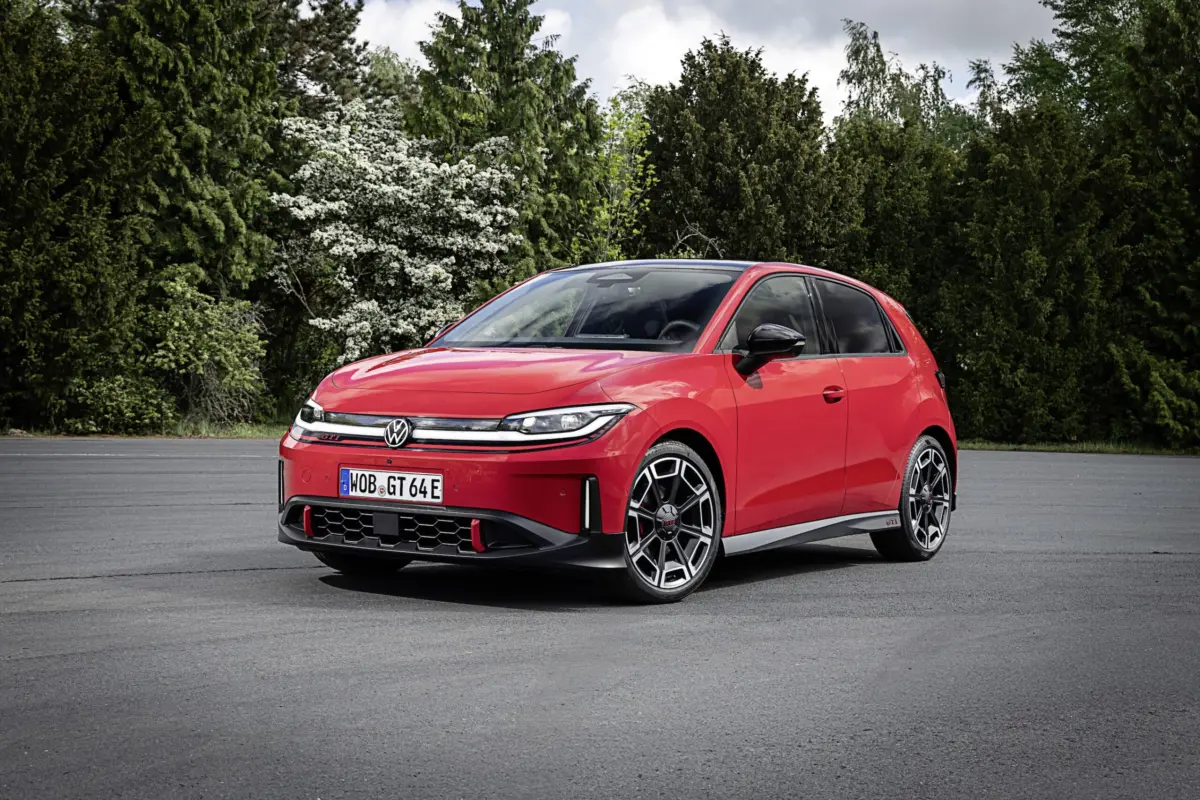
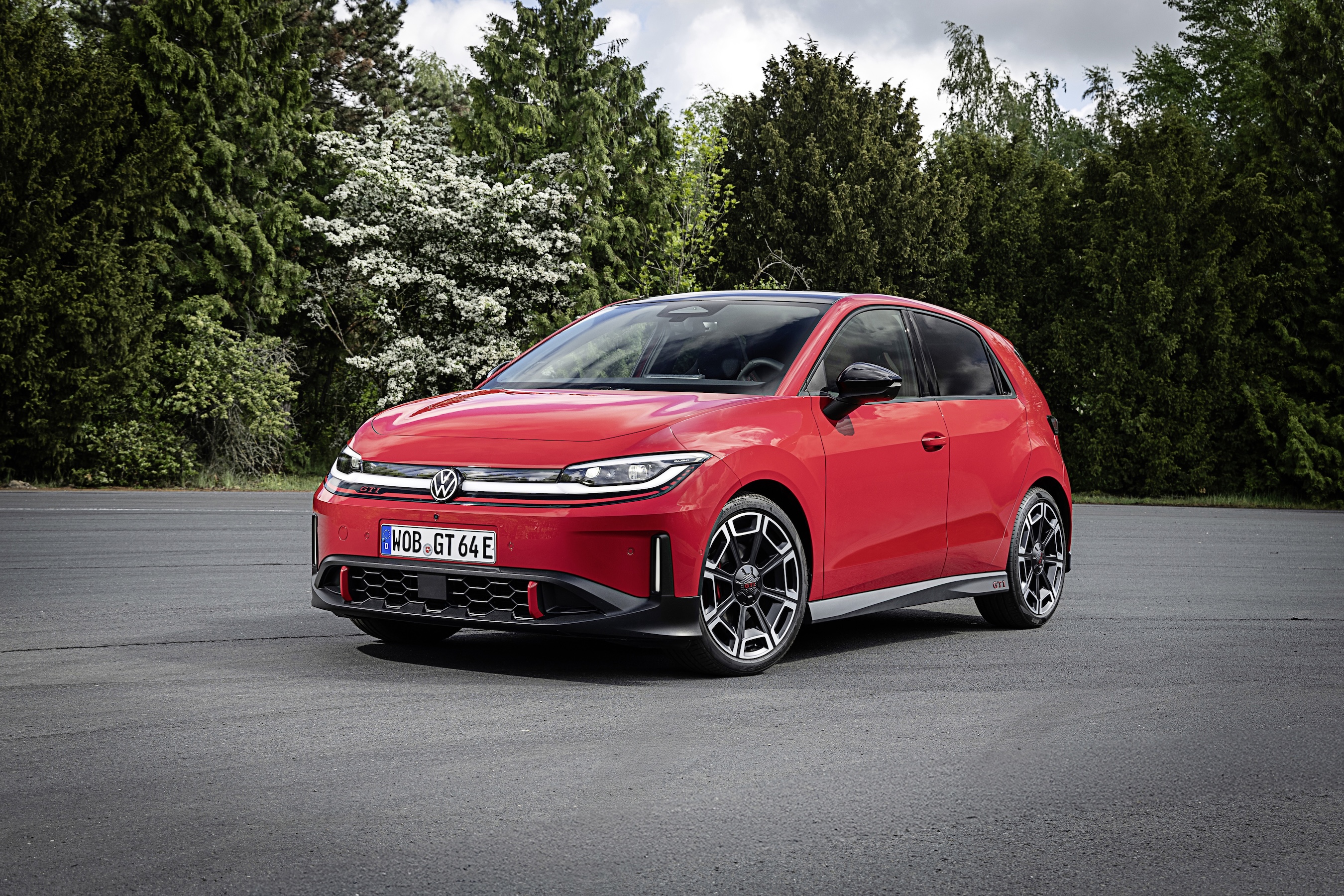
Volkswagen has officially opened pre-orders for its highly anticipated ID. Polo GTI in France, marking a significant milestone as the brand’s first fully electric vehicle to bear the legendary "GTI" badge. Priced from €41,450, this new electric hot hatch enters a burgeoning segment with a unique proposition, blending spirited performance with notable practicality. While its 226 horsepower output positions it slightly below some Stellantis rivals in terms of sheer power, the ID. Polo GTI distinguishes itself with superior driving range and a considerably larger boot, aiming to redefine expectations for electric performance city cars.
A Legacy Electrified: The GTI Heritage
The introduction of the ID. Polo GTI comes exactly fifty years after the debut of the iconic Golf GTI in 1976, a vehicle that single-handedly created and dominated the hot hatch segment. For decades, the three letters "GTI" have symbolized accessible performance, agile handling, and everyday usability, cementing their place in automotive history. Volkswagen’s decision to bestow this revered moniker upon an electric vehicle underscores its commitment to electrifying its core performance identity while acknowledging the evolving landscape of automotive engineering. This move is not merely a branding exercise but a strategic declaration of Volkswagen’s vision for the future of performance driving in the electric age. The Polo GTI, in its internal combustion engine (ICE) iterations, has consistently delivered a more compact and nimble interpretation of the Golf GTI’s philosophy, and the ID. Polo GTI aims to continue this tradition with zero emissions.
Chronology of an Electric Hot Hatch Launch
The journey to the ID. Polo GTI’s market launch has been carefully orchestrated.
- Early May (Specific Date Noted in Original): Selected automotive journalists were granted early access to test prototypes of the electric Polo GTI, offering initial insights and generating considerable anticipation even before its official unveiling. These early drives provided crucial feedback and allowed Volkswagen to fine-tune the vehicle’s dynamics.
- September (Specific Date Noted in Original): Volkswagen officially unveiled the 100% electric Polo GTI, revealing its design and initial technical specifications. This public debut ignited discussions among enthusiasts and industry observers about its potential impact on the electric hot hatch market.
- Wednesday, October 7th: Volkswagen issued an official press release announcing the impending opening of pre-orders for the ID. Polo GTI in France, detailing pricing and key specifications. This communication set the stage for its commercial debut.
- Thursday, October 8th: Pre-orders officially commenced in France, allowing eager customers to secure their models.
- Future Deliveries: While pre-orders are now open, Volkswagen has yet to announce specific dates for the first customer deliveries, indicating a phased rollout typical of new model introductions.
Technical Deep Dive: Power, Performance, and Platform
At the heart of the ID. Polo GTI’s performance lies a 166 kW (226 horsepower) electric motor, delivering 290 Nm of torque to the front wheels. This setup enables the vehicle to accelerate from 0 to 100 km/h in a respectable 6.8 seconds, with a top speed electronically limited to 190 km/h. Volkswagen explicitly states that this maximum speed was determined "based on customer feedback," suggesting a strategic decision to prioritize usable road performance and range over outright top-end speed, which might be less relevant for daily driving in an urban-centric hot hatch.
The ID. Polo GTI is built on Volkswagen’s highly adaptable MEB (Modular Electric Drive Matrix) platform, specifically the MEB Small variant tailored for compact electric vehicles. This platform is central to Volkswagen’s electrification strategy, offering significant advantages in packaging, weight distribution, and modularity. For the GTI, the MEB platform allows for optimal integration of the battery pack within the vehicle floor, contributing to a low center of gravity and enhanced handling characteristics.
To effectively manage its power and ensure a dynamic driving experience, Volkswagen has equipped the ID. Polo GTI with a suite of advanced chassis technologies as standard:
- Electronically Controlled Differential Lock: Integrated into the front axle, this system intelligently distributes power between the two front wheels, minimizing wheelspin during cornering and maximizing traction, particularly when exiting bends. This is crucial for front-wheel-drive performance cars.
- Progressive Steering: This system adjusts the steering ratio based on the steering angle, becoming more direct as the wheel is turned further. This enhances agility and responsiveness during spirited driving while maintaining ease of maneuverability at lower speeds.
- DCC Adaptive Chassis Control: This feature allows drivers to adjust the firmness of the shock absorbers according to selected driving modes, offering a customizable balance between comfort and sportiness.
- 19-inch Alloy Wheels: These larger wheels, standard on the GTI, not only contribute to the vehicle’s aggressive stance but also accommodate larger brakes and enhance grip.
Battery and Range: A Practical Edge
Powering the ID. Polo GTI is a 52 kWh net (usable capacity) NMC (Nickel-Manganese-Cobalt) battery. This chemistry is known for its higher energy density compared to the LFP (Lithium Iron Phosphate) batteries used in the entry-level ID. Polo variants, contributing to a greater range. The ID. Polo GTI achieves an impressive WLTP (Worldwide Harmonized Light Vehicles Test Procedure) estimated range of 431 km on a single charge. While this is slightly less than the 211 hp ID. Polo, which offers 454 km with the same 52 kWh battery (due to the GTI’s higher power output and more aggressive tuning), it represents a significant advantage over many direct competitors in the electric hot hatch segment.

For recharging, the ID. Polo GTI supports DC fast charging at up to 105 kW. This capability allows the battery to replenish from 10% to 80% in just 24 minutes, making longer journeys more feasible and minimizing downtime.
Interior and Design: A Nod to Heritage and Modernity
The interior of the ID. Polo GTI seamlessly blends modern digital interfaces with nostalgic design cues. The cockpit features two prominent screens: a 10.25-inch digital display behind the steering wheel and a larger 12.9-inch central infotainment touchscreen. These screens offer a unique "retro display" mode that mimics the classic instrumentation of the original Golf I GTI, providing a charming callback to the brand’s heritage. In a playful touch, the music player even displays the current track as a cassette tape, appealing to a sense of nostalgia or perhaps a touch of ironic humor.
Beyond the digital enhancements, the GTI treatment extends to practical aspects. The transition to an electric powertrain has yielded a significant increase in cargo capacity. The ID. Polo GTI boasts a generous 441-liter boot, a substantial improvement over the 351 liters found in its thermal Polo GTI predecessor. Furthermore, an optional tow hitch allows for the transport of up to two electric bicycles, enhancing its versatility for active lifestyles. Standard features like sport seats and matrix LED headlights further elevate the premium and performance feel. And, of course, the iconic red stripe accents, a hallmark of GTI models, adorn the exterior, unmistakably signaling its sporty lineage.
The Sibling Rivalry: ID. Polo vs. ID. Polo GTI
Volkswagen already offers the standard ID. Polo with the same 52 kWh battery, paired with a 155 kW (211 hp) motor, starting from €35,820 in France. The entry-level ID. Polo, equipped with a 37 kWh LFP battery and 116 hp, begins at €24,995. Both 52 kWh versions share the same 290 Nm of torque.

Comparing the 211 hp ID. Polo to the GTI variant reveals the premium commanded by the performance badge:
- Power: The GTI gains 15 hp (226 hp vs. 211 hp).
- Acceleration (0-100 km/h): The GTI shaves 0.3 seconds off the sprint (6.8 seconds vs. 7.1 seconds).
- Top Speed: The GTI boasts a significantly higher top speed of 190 km/h compared to the 211 hp version’s 160 km/h.
- Range: The GTI sacrifices 23 km of WLTP range (431 km vs. 454 km).
- Price Difference: The ID. Polo GTI commands an additional €5,630 over the 211 hp ID. Polo.
For this price differential, buyers are investing in more than just a marginal power increase. The premium primarily covers the advanced chassis enhancements (electronically controlled differential, DCC adaptive suspension, progressive steering), the larger 19-inch wheels, sport seats, matrix LED headlights, and the distinctive GTI styling elements. The motor itself sees a modest increase of 11 kW, highlighting that the GTI experience is holistic, focusing on handling and driver engagement as much as raw acceleration.
Competitive Landscape: Clash of the Electric Hot Hatches
The ID. Polo GTI enters a fiercely competitive segment, particularly against a strong contingent of electric hot hatches from the Stellantis group, as well as the eagerly anticipated Alpine A290.
Stellantis Rivals:
The Peugeot E-208 GTi, Lancia Ypsilon HF, and Opel Corsa GSE are closely related, sharing the same e-CMP platform and electric powertrain.
- Power: All three Stellantis models feature a more powerful 280-281 hp electric motor, delivering 345 Nm of torque. This is a considerable 54-55 hp advantage over the ID. Polo GTI.
- Acceleration (0-100 km/h): Consequently, they boast quicker acceleration times, achieving 5.5 to 5.6 seconds, more than a full second faster than the Volkswagen.
- Battery: They utilize a 51 kWh usable battery, similar in capacity to the ID. Polo GTI.
- Range: However, their higher power output and potentially different aerodynamic profiles result in lower WLTP ranges: 352-375 km for the Peugeot (depending on tires), 373 km for the Lancia, and 336 km for the Opel.
- Charging: They generally support up to 100 kW DC fast charging, marginally less than the Volkswagen’s 105 kW.
- Trunk Space: The Stellantis models also lag significantly in practicality, with the Lancia Ypsilon HF, for example, offering only 309 liters of boot space compared to the ID. Polo GTI’s 441 liters.
- Pricing: The Peugeot E-208 GTi and Lancia Ypsilon HF are priced at €42,900, while the Opel Corsa GSE is the most affordable at €39,990. The ID. Polo GTI’s price of €41,450 positions it competitively between these rivals.
Alpine A290:
The Alpine A290, a high-performance variant of the Renault 5, presents the closest profile to the ID. Polo GTI in terms of specifications:

- Power: The A290 offers 220 hp and 300 Nm of torque, very similar to the Volkswagen.
- Acceleration (0-100 km/h): It achieves 6.4 seconds, slightly faster than the ID. Polo GTI.
- Battery: It shares the same 52 kWh battery capacity.
- Range: Alpine estimates a WLTP range of up to 380 km, which is notably lower than the ID. Polo GTI’s 431 km.
- Trunk Space: Its boot capacity is 326 liters, again significantly less than the Volkswagen.
- Pricing: The 220 hp GT Performance trim of the A290 is priced at €42,700, with the GTS trim rising to €45,500, making it slightly more expensive than the ID. Polo GTI for comparable power.
Comparative Data Summary:
| Model | Power (hp) | 0-100 km/h (s) | Battery Useful (kWh) | WLTP Range (km) | Price (€) |
|---|---|---|---|---|---|
| Volkswagen ID. Polo GTI | 226 | 6.8 | 52 | 431 | 41450 |
| Volkswagen ID. Polo 211 ch | 211 | 7.1 | 52 | 454 | 35820 |
| Peugeot E-208 GTi | 281 | 5.5 | 51 | 352 to 375 | 42900 |
| Lancia Ypsilon HF | 280 | 5.6 | 51 | 373 | 42900 |
| Opel Corsa GSE | 281 | 5.5 | 51 | 336 | 39990 |
| Alpine A290 (220 ch) | 220 | 6.4 | 52 | up to 380 | 42700 |
The data clearly illustrates the ID. Polo GTI’s strategic positioning. It is the only electric hot hatch in this comparison to surpass 400 km of WLTP range, making it a leader in long-distance usability. It also boasts the highest top speed among its competitors, reaching 190 km/h, while Peugeot and Opel models are typically limited to 180 km/h.
Volkswagen’s Strategy and Market Positioning
Volkswagen’s approach with the ID. Polo GTI appears to be a deliberate effort to balance performance with the everyday practicality that has always been a hallmark of the GTI badge. Instead of chasing the absolute quickest 0-100 km/h times, which might come at the expense of range and cost, Volkswagen has seemingly opted for a more rounded proposition. The emphasis on a superior range, a class-leading boot capacity, and a slightly higher top speed suggests that Volkswagen is targeting customers who desire a sporty driving experience without compromising on the daily usability and long-distance capability of an electric vehicle.
This strategy might be a direct response to market research indicating that while acceleration figures are attention-grabbing, factors like range anxiety and practical utility (e.g., luggage space for families or hobbies) remain critical for mass adoption of EVs, even in the performance segment. By offering a "GTI for every day," Volkswagen aims to carve out a distinct niche that differentiates it from rivals prioritizing raw, short-burst performance.
Implications for the Electric Hot Hatch Segment

The entry of the ID. Polo GTI into the electric hot hatch market signals a maturing segment where manufacturers are exploring different philosophies for performance EVs. The divergence between Volkswagen’s balanced approach and Stellantis’s more power-focused strategy suggests that consumers will soon have a wider array of choices, catering to different priorities.
This competition is healthy for the market, pushing innovation in battery technology, motor efficiency, and chassis dynamics. It also underscores the challenge of translating the visceral, auditory, and tactile experience of a traditional hot hatch to an electric platform, where silent power delivery and instant torque reshape the driving sensation. The ID. Polo GTI’s blend of range, practicality, and accessible performance could set a new benchmark for what an electric daily driver hot hatch can be, potentially influencing future designs and engineering choices across the industry.
Availability and Future Outlook
With pre-orders now open since October 8th, prospective buyers can secure their ID. Polo GTI. While the exact delivery schedule remains undisclosed, the initiation of pre-orders suggests that production is well underway, and initial deliveries are likely to commence in the coming months. The ID. Polo GTI represents a pivotal moment for Volkswagen, not just in its electric vehicle lineup, but in its broader commitment to evolving its most cherished performance badges for a sustainable future. It will be fascinating to observe how this electric icon performs in the market and how its unique blend of attributes resonates with a new generation of performance car enthusiasts.








