admin
admin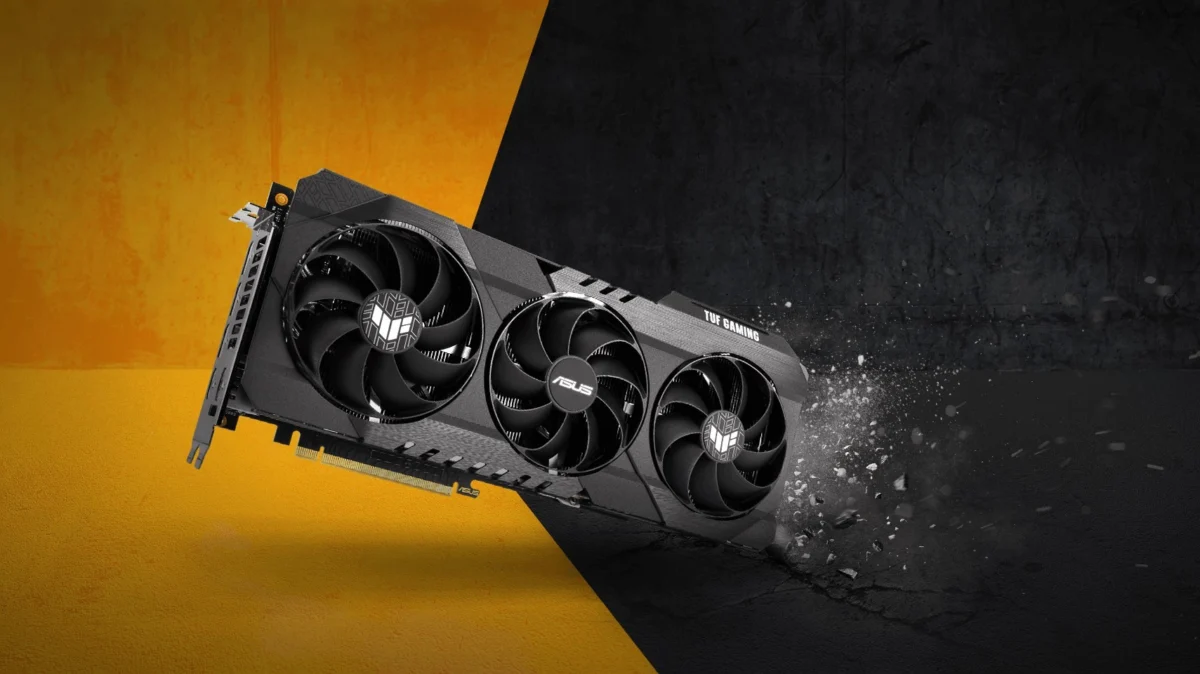
The case of a high-end hardware enthusiast, known by the Reddit handle u/SharpLoquat579, has sparked significant discussion within the PC gaming community regarding the efficacy and fairness of modern Return Merchandise Authorization (RMA) processes. The user, who owned a flagship ASUS GeForce RTX 4090, sought professional assistance from the retailer Galaxus after experiencing severe performance degradation and thermal instability. However, rather than receiving the requested repair or a functional replacement unit, the user was informed that the hardware—a component currently valued at thousands of dollars—had been discarded as electronic waste, leaving them with a refund that fails to cover the cost of a modern replacement.
Technical Failure and Thermal Instability
The incident began when the user’s ASUS GeForce RTX 4090, the current pinnacle of consumer graphics technology, began exhibiting signs of critical failure after approximately two years of intensive use. According to the owner, the graphics card started to thermal throttle during heavy workloads, specifically those involving path tracing and complex ray-tracing operations. These symptoms eventually escalated to system-wide instability, characterized by "black screen" crashes and subsequent automatic reboots when the GPU was under full load.
Upon investigating the hardware’s telemetry via monitoring software, the user discovered a massive discrepancy in temperature readings. While the average GPU core temperature remained at a seemingly safe 70°C, the "hotspot" temperature—the hottest single point on the silicon die—was reaching a staggering 112°C. This 42°C delta between the core and the hotspot is a classic indicator of a failure in the thermal interface material (TIM) or a loss of mounting pressure between the heatsink and the GPU die. In high-performance computing, a delta exceeding 20°C is often considered a cause for concern, while a 40°C+ gap typically triggers the card’s internal safety mechanisms to downclock or shut down entirely to prevent permanent silicon damage.
The RMA Timeline and Retailer Intervention
Recognizing that the hardware was no longer fit for purpose, the user initiated an RMA request with Galaxus, a major European retailer through which the card was originally purchased. The user noted that the product was still well within its warranty period, which was slated to expire on September 5, 2026. The card was officially sent to the retailer’s designated service center on August 27, 2024.
In the RMA submission, the user explicitly selected the "Repair or Replacement" option. For an enthusiast-level component like the RTX 4090, a repair is often the preferred outcome, as it restores the existing hardware to its original specifications. If a repair is not feasible, a replacement with a new or refurbished unit of equal or greater performance is the standard industry expectation.
However, the communication the user received from Galaxus deviated sharply from these expectations. The retailer informed the customer that the third-party service center tasked with the inspection had deemed the defect "so severe that the product could no longer be repaired." Consequently, citing internal policy regarding non-functional electronics, the service center opted to dispose of the card as electronic waste before notifying the customer of the decision.
The Financial Impact of a Refund Policy
While Galaxus fulfilled its legal obligation by offering a full refund of the original purchase price, this resolution has left the consumer in a precarious financial position due to the volatile nature of the semiconductor market. The ASUS GeForce RTX 4090 launched with a Manufacturer’s Suggested Retail Price (MSRP) of approximately $1,599 in late 2022. However, several factors have driven the market price of the card significantly higher in the years since its release.
Current market data indicates that the RTX 4090 is frequently listed between $2,000 and $3,000 at major retailers, with some specialized enthusiast models fetching even higher premiums. This price inflation is attributed to several macroeconomic and industry-specific factors:

- AI Demand: The surge in artificial intelligence development has led to increased demand for high-VRAM consumer GPUs, as the RTX 4090’s 24GB of G6X memory makes it a viable entry-level card for AI training and inference.
- Export Restrictions: U.S. government restrictions on the export of high-end silicon to certain regions have tightened global supply, causing prices to rise in secondary markets.
- Production Cycles: As NVIDIA prepares for the eventual transition to the next-generation "Blackwell" architecture, production of current-gen flagship chips may be tapering, further limiting availability.
Because of these factors, the original refund amount is insufficient for the user to purchase an equivalent replacement card today. The consumer is essentially being forced to pay a "market premium" of $500 to $1,000 out of pocket to return to the level of performance they possessed before the hardware failure occurred.
Corporate Responses and Service Center Standards
The statement provided by Galaxus to the user emphasized that their policy requires the "proper disposal" of devices that cannot be repaired. The retailer stated: "The defect was so severe that the product could no longer be repaired. In such cases, our policy requires that the device be properly disposed of as electronic waste—which, unfortunately, has already been done in this instance."
Industry analysts point out that the decision to scrap a card rather than return it to the manufacturer (ASUS) or the customer is unusual for a flagship product. Many hardware enthusiasts argue that even a "broken" RTX 4090 retains significant value; the cooler, the shroud, and even the PCB can be used for parts or specialized repairs by third-party technicians. By disposing of the card without the owner’s explicit consent for that specific action, the service center effectively stripped the user of any secondary options, such as seeking a second opinion from an independent repair shop like NorthridgeFix or Northwest Repair, which specialize in complex GPU micro-soldering.
Furthermore, this incident highlights a growing tension between consumers and third-party service centers. Large retailers often outsource warranty claims to centralized hubs that prioritize high-volume processing over intricate, component-level repair. In many cases, it is more "cost-effective" for a service center to declare a card unrepairable and issue a refund than to spend the labor hours required to diagnose and fix a complex electrical issue.
Broader Implications for the Hardware Industry
This case serves as a cautionary tale for owners of high-value PC components. It underscores a loophole in consumer protection where a "full refund" can actually result in a net loss for the consumer if the asset’s market value has appreciated or if inflation has significantly impacted the purchasing power of the original currency.
From a legal perspective, many jurisdictions consider a full refund of the purchase price to be a "make-whole" remedy. However, in the context of the enthusiast hardware market, this definition is increasingly viewed as antiquated. Some consumer advocates suggest that warranty terms should be updated to ensure that if a product is unrepairable, the retailer must provide a replacement of equivalent performance regardless of current market pricing, rather than defaulting to a monetary refund based on historical data.
The incident also brings the "Right to Repair" movement back into focus. If the service center had been required to return the "unrepairable" card to the user, the user might have found that the issue was merely a matter of replacing dried thermal pads or correcting a warped mounting bracket—repairs that are well within the capability of specialized shops but perhaps outside the scope of a high-volume RMA center.
Conclusion and Future Outlook
As of the latest reports, the user u/SharpLoquat579 remains in a state of frustration, having lost a flagship GPU and received a payout that does not cover the cost of a replacement in the current economy. This event highlights a critical failure in the synergy between retail policy and market reality.
For the wider community, the takeaway is clear: when submitting high-value items for RMA, consumers should document the condition of their hardware extensively and, where possible, demand that the item be returned to them if a repair is not performed. As GPU prices continue to be influenced by the global AI boom and supply chain complexities, the traditional "refund" may no longer be the safety net it was once perceived to be. The industry may need to re-evaluate how it handles flagship-tier warranties to ensure that enthusiasts are not left behind by the very systems designed to protect them.