Vera Intan Clara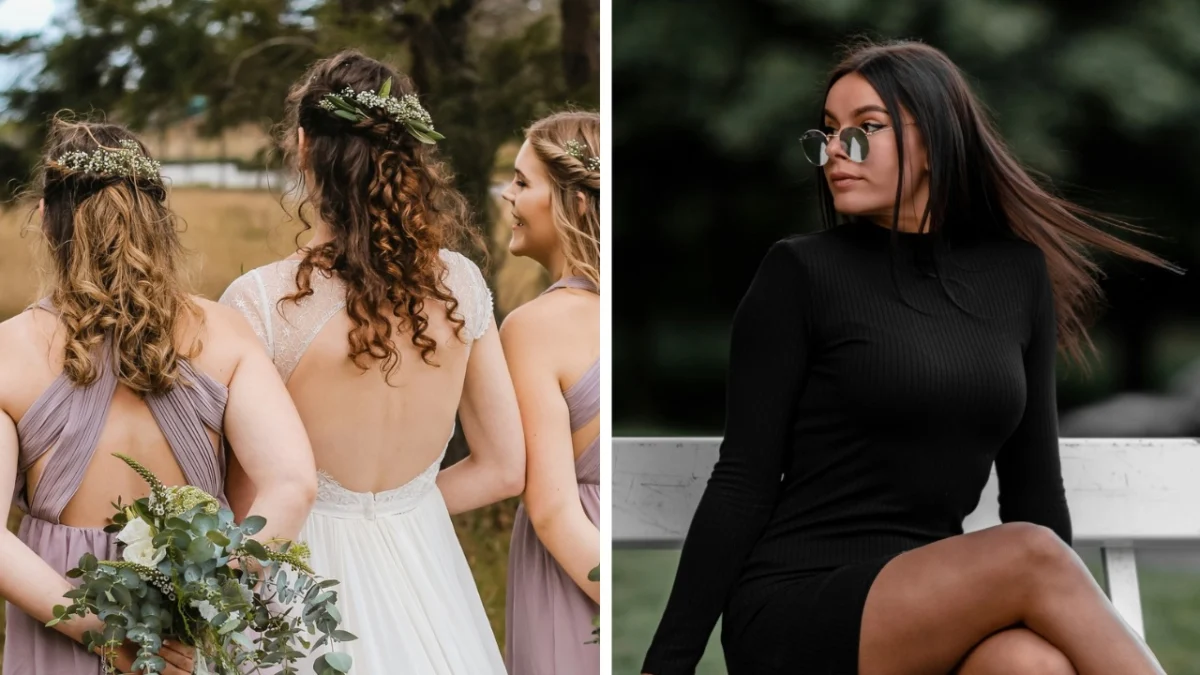
A recent incident involving a bride and her best friend, shared on Reddit’s r/Brides community, has ignited a fervent online discussion regarding wedding etiquette, the boundaries of friendship, and personal expression versus ceremonial conformity. The 26-year-old bride detailed a conflict that culminated in her removing her best friend from the bridal party on the day of her wedding, following the friend’s refusal to adhere to a pre-agreed pastel dress code and makeup theme. The dispute, centering on the friend’s choice to wear a black dress and dark makeup, underscores the often-intense pressures and expectations that can arise during wedding preparations, testing even the strongest bonds.
The Genesis of the Dispute: A Vision and a Violation
The bride’s account, posted on the popular online forum, painted a picture of meticulous planning and a clear aesthetic vision for her nuptials. She had envisioned a pastel-themed wedding, with her bridal party adorned in matching pink dresses and opting for simple, understated makeup. This specific theme was communicated to her chosen best friend when she was extended the invitation to be a bridesmaid, an offer the friend reportedly accepted, along with the associated dress and beauty requirements.
The initial agreement, however, began to fray when the best friend later approached the bride with a request to wear a black dress instead of the designated pink. This request was reportedly denied by the bride, who emphasized her desire for a cohesive, color-coordinated bridal party that aligned with her overall wedding aesthetic. In an attempt to mitigate the budding conflict and preserve the friendship, the bride offered an alternative: her friend could attend the wedding as a regular guest, thereby having the freedom to choose her own attire. This compromise was also reportedly declined by the friend. Despite the initial friction, the bride stated that an eventual agreement was reached, with the friend seemingly committing to wear the pink dress and adhere to the specified makeup. This apparent resolution, however, proved to be temporary.
Wedding Day Confrontation: A Climax of Disagreement
The simmering disagreement reached its boiling point on the wedding day itself. According to the bride’s narrative, her best friend arrived at her apartment, not in the agreed-upon pink attire, but in a black dress, complemented by dark eye makeup and a dark lip color. The bride acknowledged that her friend looked aesthetically pleasing, remarking that she "looked beautiful." However, she stressed that the chosen outfit represented a complete disregard for her carefully curated wedding vision and the prior agreement.
This blatant deviation from the dress code prompted a direct confrontation between the bride and her best friend. The argument reportedly lasted several minutes, culminating in the bride issuing an ultimatum: her friend could either attend the wedding as a guest, adhering to a revised, less restrictive expectation, or leave entirely. The bride reported that her friend responded by slamming the door and departing, effectively severing her role in the bridal party and, implicitly, her attendance at the wedding. The abrupt exit left the bride grappling with the emotional fallout just hours before her ceremony, and subsequently, led her to seek validation and perspective from the anonymous users of Reddit.
The Reddit Reckoning: A Divided Digital Jury
The bride’s post quickly attracted a torrent of comments, transforming her personal dilemma into a public debate. The responses from the r/Brides community were notably polarized, reflecting the complex interplay of personal expectations, friendship dynamics, and wedding traditions.
A significant segment of commenters expressed strong criticism of the bride, with some labeling her a "terrible friend" for her perceived inflexibility and for prioritizing aesthetics over the friendship. This perspective often highlighted the emotional vulnerability inherent in weddings and suggested that a true friend would have been more accommodating, particularly given the stress of the day. One commenter’s direct accusation of the bride being a "terrible friend" encapsulated this sentiment, suggesting that the drastic measure of removing a best friend from the bridal party was disproportionate to the offense.
Conversely, a substantial number of Reddit users rallied in defense of the bride, asserting her right to dictate the terms of her own wedding, especially for her bridal party. These commenters often emphasized that bridesmaids, by definition, agree to support the bride’s vision and adhere to her chosen theme, which typically includes coordinated attire and makeup. They argued that the friend’s prior agreement to the dress code, followed by her deliberate defiance on the wedding day, constituted a breach of trust and a disrespect for the bride’s wishes. The sentiment, "It’s her wedding," frequently surfaced, underscoring the belief that the bride’s expectations for her special day should be paramount. Another user pointed out the "bestfriend did not" honor the agreement, placing the onus squarely on the friend for reneging.
Adding another layer of complexity to the discussion, some Reddit users voiced skepticism about the veracity of the entire account. Comments such as "this actually happens to people??" and descriptions of the post as "horrible" suggested a disbelief that such a dramatic confrontation could unfold, particularly on a wedding day. This skepticism reflects a broader phenomenon on online forums where dramatic narratives are sometimes questioned for their authenticity, especially when they touch upon highly emotional or sensational events. Despite this, many users acknowledged the bride’s frustration, recognizing that the friend had indeed agreed to the outfit before changing her mind.
Contextualizing the Conflict: The Stakes of Wedding Planning
To understand the intensity of this dispute, it is crucial to consider the broader context of modern wedding planning and the emotional investment involved. Weddings are often considered one of life’s most significant events, demanding extensive planning, substantial financial outlay, and immense emotional energy. In 2023, the average cost of a wedding in the United States ranged from $29,000 to $35,000, according to various industry reports, with significant portions allocated to aesthetics, including attire and décor. This financial and emotional investment elevates the stakes for every detail, making deviations from a carefully planned vision particularly jarring for the couple.
The role of the bridal party, particularly the maid of honor or best friend, is traditionally seen as one of unwavering support for the bride. This includes assisting with planning, offering emotional encouragement, and, crucially, adhering to the bride’s specific requests regarding attire and presentation. Coordinated bridesmaids’ dresses have been a long-standing tradition, evolving from ancient practices meant to confuse evil spirits to a modern aesthetic choice signifying unity and a cohesive visual theme. While contemporary trends have introduced more flexibility, with brides sometimes allowing bridesmaids to choose their own styles within a color palette, the expectation of adherence to a defined dress code, once agreed upon, remains strong.
The psychology of friendship also plays a significant role. Being asked to be a bridesmaid is often viewed as an honor, a testament to a deep and cherished bond. However, this honor comes with responsibilities. When personal preferences clash with these responsibilities, especially during a high-stress event like a wedding, existing tensions in a friendship can be exacerbated, sometimes to a breaking point. The bride’s feeling of betrayal stems not just from the dress code violation but from the perceived disregard for her wishes by someone she considered her closest confidante. Conversely, the friend’s insistence on wearing black, despite prior agreement, could stem from a desire for personal autonomy, discomfort with the chosen style, or perhaps an uncommunicated underlying issue. Without the friend’s perspective, the full motivations remain speculative.
Broader Implications: Friendships, Expectations, and Social Media
This incident, while seemingly personal, illuminates several broader societal and relational implications.
Firstly, it highlights the delicate balance between a bride’s vision for her wedding and the individual autonomy of her bridal party. While a bride has every right to establish a theme, the expectation of complete conformity can sometimes strain relationships, especially when individuals feel their personal style or comfort is being compromised. This case serves as a stark reminder of the importance of clear communication and mutual respect in navigating these potentially contentious areas. Early, open discussions about expectations, potential compromises, and even the option of declining the bridesmaid role if requirements are too restrictive, could prevent such dramatic confrontations.
Secondly, the incident underscores the pervasive influence of social media platforms like Reddit in mediating personal disputes. By posting her story, the bride effectively turned a private conflict into a public spectacle, inviting thousands of anonymous users to weigh in. While this can offer a sense of validation or diverse perspectives, it also exposes individuals to intense scrutiny and judgment, often without the full context of the situation. The immediate and often harsh criticisms directed at the bride illustrate the double-edged sword of online forums, where empathy can be scarce and definitive judgments are swiftly rendered.
Finally, the likely outcome of this dispute is a severe, if not irreparable, rupture in a long-standing friendship. The emotional toll on both individuals, particularly on a day meant for celebration, is significant. The absence of her best friend from her wedding photographs and memories will undoubtedly be a poignant reminder of the conflict. This incident serves as a cautionary tale about the fragility of friendships under the intense spotlight of life’s major milestones and the critical need for empathy, understanding, and effective communication, even when disagreements seem insurmountable.
Looking Ahead: The Unseen Aftermath
The Reddit post concludes with the bride seeking validation, but the immediate aftermath of the wedding day for both parties remains unshared. What transpired after the friend slammed the door? Was the wedding itself overshadowed by the preceding drama? Did the bride regret her ultimatum? What is the friend’s perspective on the entire ordeal? These unanswered questions underscore the inherent limitation of a single-sided narrative. The Daily Dot, like other journalistic outlets, cannot independently verify the events described in the Reddit post, relying solely on the bride’s account.
However, the scenario described is not isolated. Anecdotal evidence from wedding forums, social media, and personal accounts frequently details similar conflicts arising from dress codes, financial contributions, time commitments, and other bridesmaid expectations. These recurring narratives suggest that while the specifics may vary, the underlying tension between individual expression and collective conformity within the bridal party remains a perennial challenge in the modern wedding landscape. The story serves as a potent reminder that even joyous occasions can become crucibles for interpersonal conflict, demanding difficult choices and potentially altering the course of cherished relationships.