Vera Intan Clara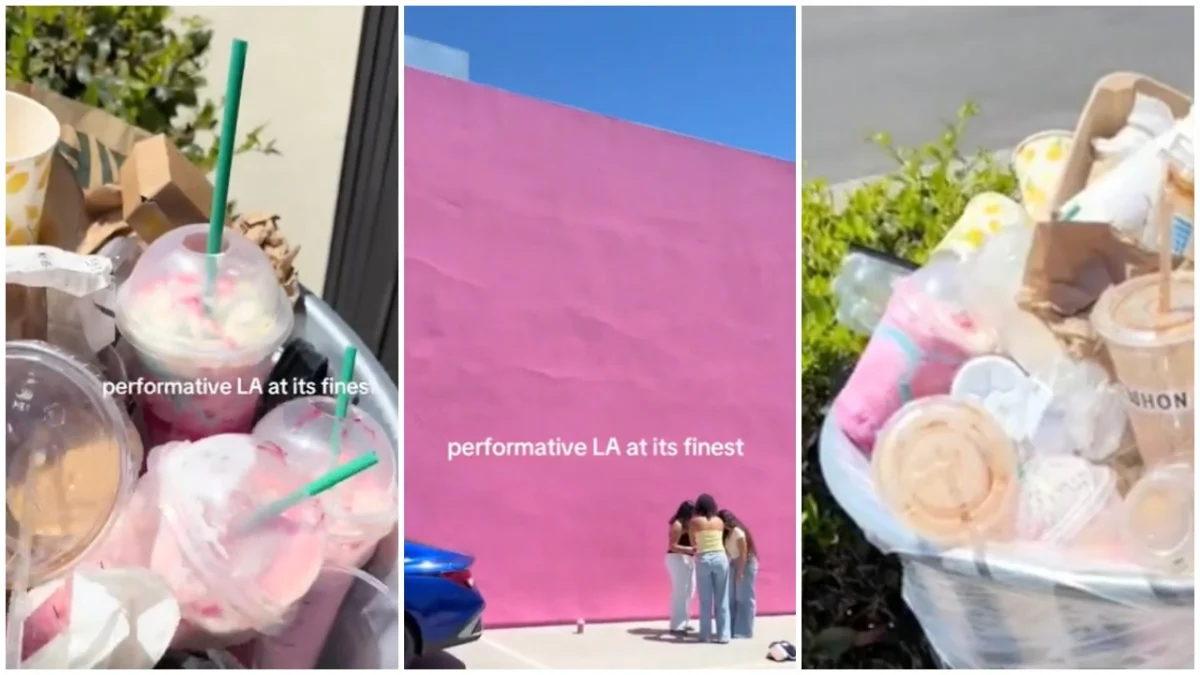
A recent incident involving multiple apparently full Starbucks Unicorn Frappuccinos discarded near West Hollywood’s iconic Pink Wall has ignited a widespread discussion about contemporary consumer habits, the influence of social media aesthetics, and the concerning implications of food waste. The event, brought to light by a viral video, suggests a growing trend where products are acquired not for their intrinsic value or intended use, but primarily as props for social media photographs, only to be discarded shortly thereafter. This phenomenon at a locale synonymous with Instagram-worthy backdrops highlights a complex interplay between brand virality, the curated online persona, and real-world environmental and ethical consequences.
The Incident Unfolds: A Visual Testament to Waste
The core of the controversy emerged from a video clip shared recently on Reddit, specifically within the r/TikTokCringe thread by user u/Tobias-Tawanda. The footage captures two individuals expressing profound shock and dismay at the sheer volume of Unicorn Frappuccinos they observed in a public waste receptacle. "I have to document the amount of Unicorn Frappuccinos in front of the pink wall," one person states, her voice tinged with disbelief. Her companion quickly adds, "They’re literally full," emphasizing the egregious waste. The camera then pans, revealing several of the vibrant, multi-colored beverages, appearing untouched and completely full, submerged among other refuse in a garbage can. This visual evidence quickly catalyzed a torrent of online reactions, with the video accumulating over 15,000 views and drawing a significant number of impassioned comments, many decrying the apparent casualness of the waste.
While the Daily Dot noted its inability to independently verify the precise reasons behind the discarded drinks or definitively confirm they were purchased solely for photographic purposes, the anecdotal evidence and the context of the location strongly suggest a link to performative consumption. This incident is not isolated, with one Reddit commenter recalling a similar scene in Venice, California, where a person bought ice cream from a "famous" creamery, posed with it for several minutes, and then discarded it without a single bite. These observations collectively paint a picture of a consumer culture increasingly driven by optics rather than utility.
The Unicorn Frappuccino: A Brief, Brilliant Marketing Saga
To fully comprehend the context of the discarded drinks, it is crucial to revisit the phenomenon of the Starbucks Unicorn Frappuccino itself. Launched globally by Starbucks on April 19, 2017, the limited-edition beverage was an undeniable marketing marvel. Designed explicitly for virality in the age of social media, the drink was characterized by its strikingly vibrant colors—a blend of sweet pink and sour blue, topped with whipped cream and a sprinkle of "fairy powder." Its flavor profile was described as a magical transition from sweet to tart, ostensibly evoking the mythical creature it was named after.
The Unicorn Frappuccino was more than just a drink; it was an experience, a photo opportunity, and a cultural touchstone that capitalized on the burgeoning "unicorn food" trend prevalent at the time. Its limited availability—only five days in most markets—created immediate urgency and demand, transforming it into a must-have item for consumers eager to participate in a transient pop culture moment. Social media platforms, particularly Instagram, were flooded with images and videos of the drink, with consumers actively engaging in its promotion by sharing their own visually appealing captures. This campaign perfectly illustrated how a product’s aesthetic appeal could be prioritized over its taste or nutritional value, driving unprecedented engagement and demonstrating the immense power of visually-driven marketing. For Starbucks, it was a masterclass in generating buzz, proving that a cleverly designed, visually arresting product could achieve unparalleled organic reach through user-generated content, even if its consumption was secondary to its display.
The Pink Wall: A Canvas for the Instagram Generation
Equally integral to this narrative is the setting: the Pink Wall. Located on Melrose Avenue in West Hollywood, specifically the vibrant pink exterior wall of the Paul Smith boutique, it has long transcended its architectural function to become an unintentional, yet globally recognized, landmark. Its appeal lies in its minimalist design and uniform, eye-catching hue, providing an ideal, uncluttered backdrop for photographs. For years, the Pink Wall has been a magnet for tourists, fashion enthusiasts, and especially social media influencers and content creators. It symbolizes the quintessential "Instagrammable moment"—a place designed, whether intentionally or not, to facilitate the creation of shareable, aesthetically pleasing digital content.
The wall’s rise to prominence coincided with the explosion of platforms like Instagram, where visual storytelling and curated personal brands reign supreme. Visiting the Pink Wall became a pilgrimage for those seeking to enhance their online profiles, to capture a piece of Los Angeles’s vibrant culture, or simply to generate engaging content for their followers. Its enduring popularity underscores a broader cultural shift towards valuing experiences and objects not just for their inherent qualities, but for their potential to be documented and shared online. In this environment, the Pink Wall serves as a silent witness to countless attempts to craft a perfect digital image, often prioritizing the visual over the tangible experience.
Performative Consumption: The Psychology of the Photo-Op
The discarding of seemingly full Unicorn Frappuccinos near the Pink Wall serves as a stark illustration of "performative consumption"—a phenomenon where individuals purchase goods or services primarily for the purpose of documenting their acquisition or experience on social media, rather than for personal enjoyment or utility. This behavior is deeply rooted in the psychology of social media, where validation, aspirational living, and the construction of an idealized online persona often supersede authentic engagement with products or activities.
In an era dominated by influencer culture and the relentless pursuit of viral content, the pressure to maintain a visually appealing and dynamic online presence is immense. A limited-edition, brightly colored drink like the Unicorn Frappuccino, paired with an iconic backdrop like the Pink Wall, creates a perfect storm for such performative acts. The "likes," comments, and shares generated by such posts can be perceived as social currency, offering a dopamine hit that, for some, outweighs the financial cost or the moral implications of waste. This behavior is not merely about showing off; it’s about signaling identity, status, and participation in cultural trends. The act of buying and photographing the drink fulfills a social function online, making the actual consumption of the product largely irrelevant. This detachment between acquisition and consumption reflects a broader societal shift, where the act of ‘having’ or ‘doing’ for an audience takes precedence over genuine personal experience.
The Economic and Environmental Burden of Aesthetic Pursuits
Beyond the cultural commentary, the incident at the Pink Wall carries tangible economic and environmental implications. The casual disposal of full beverages represents a significant contribution to food waste, a global issue with far-reaching consequences. According to the Food and Agriculture Organization (FAO) of the United Nations, approximately one-third of all food produced globally for human consumption is lost or wasted, amounting to about 1.3 billion tons per year. In the United States alone, the Environmental Protection Agency (EPA) estimates that food waste constitutes the single largest component of municipal solid waste reaching landfills.
When food and beverages are discarded, it’s not just the product itself that is wasted; it’s all the resources—water, energy, labor, packaging, and transportation—that went into producing, processing, and delivering it. For a single Unicorn Frappuccino, this includes the water used to grow coffee beans and produce dairy, the energy consumed in refrigeration and blending, and the petroleum products used in its plastic cup and straw. Each discarded drink, therefore, contributes to greenhouse gas emissions (especially methane from landfills), depletes natural resources, and exacerbates the challenges of waste management. From an economic perspective, this represents wasted consumer money, collectively amounting to billions annually worldwide, redirecting financial resources away from more sustainable or beneficial uses. While the individual cost of a single Frappuccino may seem negligible, the cumulative effect of such performative waste paints a concerning picture of resource inefficiency and environmental disregard.
Public Outcry and Varied Perspectives on a "Cultural Problem"
The viral video and subsequent online discourse underscored a deep vein of public frustration and concern. Many Reddit commenters expressed outright disgust, echoing the sentiments of the video’s narrators. One particularly salient comment labeled the behavior a "cultural problem in America," articulating a critique of "hyper consumerism, severe lack of accountability, and herd-like mentality that goes after whatever is popular without question." This perspective suggests that the incident is merely a symptom of a larger societal malaise, where instant gratification and conformity to trends override thoughtful consumption and personal responsibility.
The anecdote of the ice cream discarded in Venice, California, further solidified this sentiment, indicating that the Unicorn Frappuccino incident is not an anomaly but part of a broader pattern of performative consumption. These comments highlight a collective unease with the superficiality that can accompany digital culture, where the pursuit of online validation leads to tangible waste.
However, not all reactions were purely condemnatory. One commenter offered a slightly different perspective, writing, "You know… at least they’re wasting their own money. As stupid as this shit is, it’s definitely not as bad as that girl who ‘borrowed’ some workers drill to pose for some photos without actually helping." This viewpoint, while still critical of the waste, introduces a hierarchy of ethical concerns, suggesting that financial waste of one’s own resources, while regrettable, is less egregious than potentially exploiting or misrepresenting others’ labor for personal gain. This nuanced take reflects the complexities of ethical judgment in the digital age, where different forms of "fakeness" and waste are weighed against each other.
Broader Implications: Corporate Responsibility and Consumer Ethics
The incident, while specific to a particular product and location, raises broader questions for both consumers and corporations. For Starbucks, a company that has publicly committed to ambitious sustainability goals, including reducing waste by 50% by 2030, such incidents present a complex challenge. While the company cannot control individual consumer behavior, the viral nature of products like the Unicorn Frappuccino, designed for maximum social media impact, implicitly encourages a focus on aesthetics over consumption. A company like Starbucks might typically respond to such observations by reiterating its commitment to environmental stewardship, encouraging customers to enjoy their purchases responsibly, and promoting its broader initiatives aimed at reducing packaging waste and improving recycling infrastructure. However, directly addressing the performative consumption aspect of their own products remains a delicate balance between leveraging viral marketing and fostering responsible consumer habits.
From an ethical standpoint, the phenomenon challenges individuals to reflect on their own consumption patterns. Environmental advocacy groups frequently highlight how seemingly small acts of waste accumulate into significant ecological burdens. They might argue that this incident underscores the urgent need for greater awareness regarding the lifecycle of products and the resources embedded within them. Educators and social scientists, meanwhile, might delve into the psychological underpinnings of why individuals feel compelled to participate in such performative acts, exploring the impact of social media algorithms, peer pressure, and the commodification of identity.
Ultimately, the discarded Unicorn Frappuccinos at the Pink Wall serve as a potent symbol of the ongoing tension between the allure of a curated digital existence and the tangible realities of resource consumption and waste. It compels a re-evaluation of what constitutes value in the modern consumer landscape—is it the fleeting image, or the genuine experience? As digital platforms continue to shape our interactions with the world, the ethical considerations of performative consumption and its environmental footprint will undoubtedly remain a critical area of discussion and concern. The incident at the Pink Wall is not merely about a few wasted drinks; it is a snapshot of a broader cultural moment, urging a deeper conversation about authenticity, responsibility, and the true cost of our online lives.