admin
admin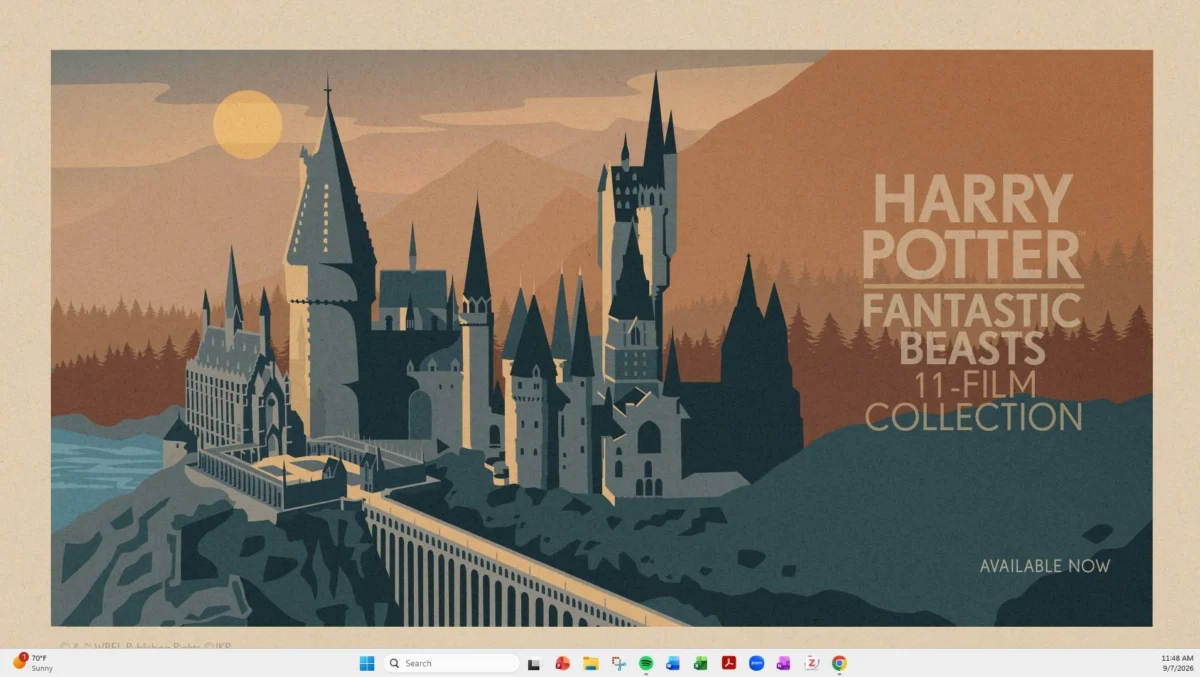
Microsoft is currently facing a wave of criticism from its user base following the discovery of full-screen advertisements appearing on the Windows 11 desktop environment. This development centers on the Bing Wallpaper application, a popular tool used by millions to automatically refresh their desktop backgrounds with high-quality photography. Instead of the expected landscapes or nature scenes, users have reported seeing promotional material for commercial products, including film collections and entertainment franchises. This shift in strategy marks a significant departure from the application’s original purpose and highlights a growing trend within Microsoft to monetize the Windows user interface through integrated advertising.
The incident gained traction after users on various community platforms, including Reddit and Microsoft Learn, began sharing screenshots of their desktops being replaced by large-scale advertisements. In one notable instance, a user identified as “Fujoshi_Queen1228” on Reddit shared an image of a promotional background for a film collection that had overridden their standard wallpaper. Similarly, on the Microsoft Learn support forums, user Reed Miller expressed frustration, questioning why a curated photography app had pivoted to serving commercial content without prior notification or user consent. These reports suggest that Microsoft is leveraging its first-party applications to bypass traditional advertising spaces, placing promotional content directly into the primary visual space of the operating system.
The Evolution of Advertising in the Windows Ecosystem
To understand the current friction between Microsoft and its users, it is necessary to examine the historical trajectory of advertising within the Windows operating system. For decades, Windows was viewed strictly as a productivity tool—a "product" purchased via a one-time license. However, with the transition to Windows 10 and subsequently Windows 11, Microsoft has increasingly adopted a "Software as a Service" (SaaS) model. This shift has seen the gradual introduction of promotional elements designed to drive engagement with Microsoft’s broader ecosystem of services, such as OneDrive, Microsoft 365, and the Edge browser.
The chronology of this integration began with "Suggested Apps" in the Windows 10 Start menu. This was followed by promotional "tips" in the File Explorer and the lock screen. In Windows 11, Microsoft introduced a "Recommended" section in the Start menu, which often features apps from the Microsoft Store that the user has not installed. More recently, the company faced backlash for implementing persistent "nag screens" during the initial setup and update process, urging users to subscribe to OneDrive or set Bing as their default search engine. The use of the Bing Wallpaper app to serve desktop-level advertisements is seen by many industry analysts as the latest escalation in this long-term strategy to maximize the "Average Revenue Per User" (ARPU).
Technical Implications and System Performance
The introduction of advertisements into the desktop environment raises questions about system efficiency and resource management. Ironically, this development comes shortly after Microsoft announced plans to optimize Windows 11 for systems with 8GB of RAM. The company has publicly committed to making the operating system more efficient, yet the inclusion of background processes required to fetch, cache, and display high-resolution advertising assets appears to contradict these optimization goals.

From a technical standpoint, the Bing Wallpaper app functions by pinging Microsoft servers to download new image assets. When these assets transition from static, compressed photographs to dynamic promotional content, it necessitates additional telemetry and data usage. For users on metered connections or those using older hardware, the cumulative effect of various "ad-serving" background tasks—ranging from the Widgets board to the "Spotlight" feature—can lead to a perceptible impact on system responsiveness. Furthermore, the lack of transparency regarding how much data is being used to deliver these ads has become a point of contention for privacy advocates and power users alike.
User Sentiment and Market Reaction
The reaction from the Windows community has been overwhelmingly negative. The primary grievance cited by users is the intrusive nature of the advertisements. Unlike a banner ad on a website, which exists within a defined browser space, a desktop wallpaper advertisement occupies the most fundamental layer of the user interface. For many, the desktop is a personal space that should remain free from commercial influence.
Data from community forums suggests that the Bing Wallpaper app, while optional, was highly regarded for its aesthetic value. By replacing art with advertisements, Microsoft risks alienating its most loyal users—those who actively seek out and install Microsoft-branded utility apps. The sentiment among users on Reddit indicates a growing "advertisement fatigue," with many expressing a desire to switch to alternative operating systems, such as Linux distributions, or to utilize third-party "de-bloating" tools to strip Windows 11 of its promotional elements.
The Business Logic of In-OS Monetization
From a corporate perspective, Microsoft’s move into OS-level advertising is driven by the lucrative nature of the digital advertising market. In its recent quarterly earnings reports, Microsoft has shown significant growth in its "Search and News Advertising" revenue, which now generates billions of dollars annually. By utilizing the Windows 11 install base—estimated to be in the hundreds of millions—Microsoft possesses a massive, captive audience.
Industry analysts suggest that Microsoft is attempting to replicate the success of mobile operating systems like Android, where system-level promotions and pre-installed apps are common. However, the desktop environment carries different user expectations. While a free mobile app might be expected to contain ads, Windows 11 is often a paid product, either through a retail license or as part of the cost of a new laptop. This "double-dipping"—charging for the software while also serving ads within it—is the core of the ethical debate surrounding Microsoft’s current trajectory.
Broader Implications for Privacy and Choice
The integration of ads via the Bing Wallpaper app also highlights concerns regarding user choice and the "opt-out" culture. Recently, Microsoft made headlines for finally allowing users to opt out of persistent OneDrive setup reminders, but only after years of user complaints. The current wallpaper ad situation follows a similar pattern: a feature is introduced without an obvious "off" switch for the commercial components, forcing users to either accept the ads or uninstall the application entirely.

Furthermore, serving "relevant" ads requires data collection. To determine which film collection or product to display to a specific user, the system must leverage telemetry data, including location, search history, and app usage. This raises the stakes for privacy-conscious users who view the operating system as a private environment for work and personal communication. The blurring of the line between a functional tool and a marketing platform continues to be a primary criticism of the Windows 11 ecosystem.
Future Outlook and Potential Course Correction
As of now, Microsoft has not issued a formal statement regarding the specific advertisements seen in the Bing Wallpaper app. It remains unclear whether this was a limited-time experiment or a permanent shift in the app’s monetization strategy. Historically, Microsoft has occasionally rolled back unpopular features if the public outcry is loud enough. For example, the company previously experimented with ads in the File Explorer but withdrew them after intense negative feedback from the tech community.
However, the trend toward more aggressive monetization seems unlikely to reverse entirely. As Microsoft continues to integrate AI features like "Copilot" into Windows, the opportunities for "contextual advertising" will only increase. Copilot could, in theory, suggest products or services based on the documents a user is writing or the websites they are visiting. The Bing Wallpaper incident may be a precursor to a more pervasive advertising framework that treats every corner of the operating system as potential real estate for sponsors.
Conclusion
The appearance of advertisements on the Windows 11 desktop via the Bing Wallpaper app represents a pivotal moment in the relationship between Microsoft and its users. While the company seeks to maximize revenue and leverage its massive user base for advertising growth, it faces a significant challenge in maintaining user goodwill. The desktop remains a sacred space for many, and the intrusion of promotional content into that space is seen as an overreach.
As Windows 11 matures, the balance between functional efficiency and commercial monetization will likely remain a central theme of its development. For now, users who wish to avoid these advertisements are left with few options other than uninstalling the affected applications or turning to third-party alternatives. Whether Microsoft will heed the current wave of criticism and offer a more refined, less aggressive approach to monetization remains to be seen. What is clear, however, is that the era of the "clean" operating system is rapidly giving way to a new model where the desktop is no longer just a place to work, but a billboard for the highest bidder.