Garick Elordi
The newly ratified contract introduces several industry-first provisions, most notably regarding the integration of generative artificial intelligence in the workplace. Under the terms of the agreement, Blizzard management is now legally required to bargain with the union over the implementation of AI technologies in game development. This clause addresses growing anxieties among artists, writers, and designers who fear that automation could displace creative roles or degrade the quality of artistic output. Furthermore, the contract provides significant safeguards against the volatility of the current tech market, offering enhanced severance packages and a unique "recall" right for laid-off employees. These measures arrive at a critical juncture for the industry, which has seen tens of thousands of job cuts over the past 24 months.
A Comprehensive Scope of Representation
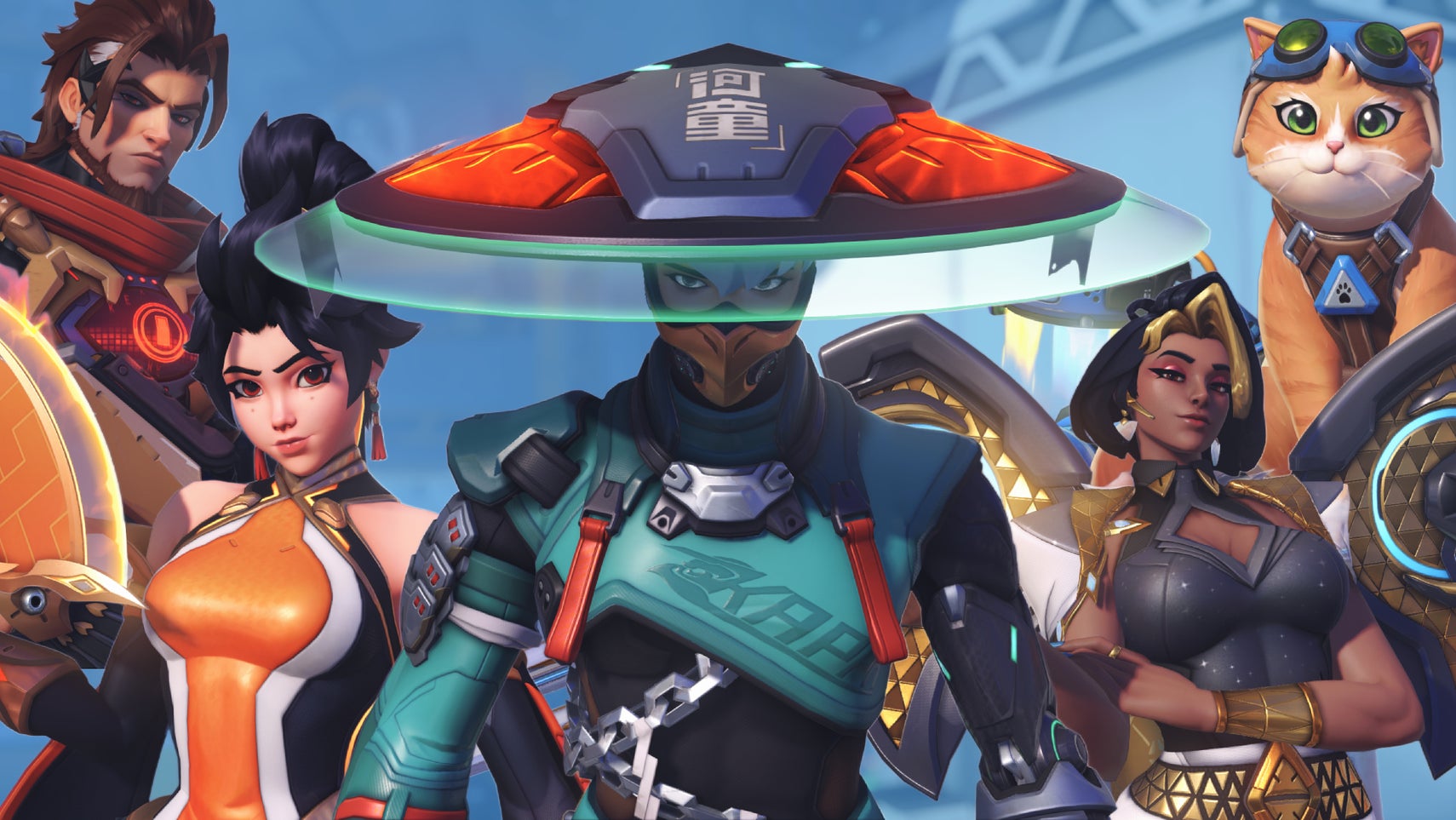
The contract covers a diverse array of professionals across Blizzard’s most vital divisions. This includes the core development teams for World of Warcraft, Warcraft Rumble, Hearthstone, Overwatch, and Diablo. Beyond the frontline developers, the bargaining unit encompasses staff within Quality Assurance (QA), Platform and Technology, and Story and Franchise Development. By uniting these disparate departments under a single contract, the CWA has created a "wall-to-wall" union structure that ensures consistent standards of pay, benefits, and working conditions across the entire studio.
The breadth of the contract is particularly significant given the historical siloization of game development roles. Traditionally, QA testers have faced the most precarious employment conditions, often working as seasonal contractors with limited benefits. By including QA alongside senior developers and creative leads in this historic agreement, the union has established a unified front that addresses the specific vulnerabilities of each role while bolstering the collective bargaining power of the entire workforce.
Key Provisions: AI Bargaining and Layoff Protections
The centerpiece of the agreement is the language surrounding generative artificial intelligence. As AI tools become more sophisticated, their application in generating concept art, writing dialogue, and coding has become a point of intense contention. The Blizzard contract does not ban AI, but it mandates that the company must "discuss, evaluate, and bargain" over its usage. This ensures that workers have a seat at the table when determining how these tools are integrated into their workflows, protecting human creativity from being summarily replaced by algorithmic automation.
Equally impactful are the protections regarding job security. The contract grants workers the right to be "recalled" into open positions across any Blizzard bargaining unit for up to 14 months following a layoff. This means that if the company begins hiring again after a round of redundancies, former union members must be given priority for those roles. In addition to recall rights, the union secured an additional four weeks of severance pay for any member affected by layoffs, providing a more robust financial cushion during periods of industry contraction. These provisions are viewed as a direct response to the recent wave of layoffs across Microsoft’s gaming division, which saw approximately 1,900 jobs cut earlier this year, followed by subsequent announcements of further reductions.

The Chronology of Unionization at Blizzard
The path to this contract was paved by years of labor unrest and a fundamental shift in the corporate culture of Activision Blizzard. The timeline of this movement is a testament to the persistence of the workforce:
- July 2021: The California Department of Fair Employment and Housing (DFEH) filed a lawsuit against Activision Blizzard alleging widespread sexual harassment and discrimination. This served as a catalyst for internal organizing, leading to employee walkouts and the formation of the ABK Workers Alliance.
- May 2022: Quality Assurance workers at Raven Software, a subsidiary of Activision, successfully voted to form the first union at a major U.S. game studio. This victory inspired similar efforts across other Blizzard offices.
- December 2022: QA workers at Blizzard Albany (formerly Vicarious Visions) followed suit, voting to unionize despite initial opposition from management.
- October 2023: Microsoft officially completed its $68.7 billion acquisition of Activision Blizzard. Crucially, Microsoft had previously signed a labor neutrality agreement with the CWA, promising not to interfere with unionization efforts at its newly acquired studios.
- July 2024: Over 500 members of the World of Warcraft development team formed a wall-to-wall union, the largest of its kind in the industry. This was followed by Diablo developers and other teams joining the movement throughout the summer.
- October 2024: After months of intense negotiations, the first comprehensive contract was finalized and put to a vote, resulting in the current ratification.
Industry Reactions and Official Statements
The ratification has been met with praise from both labor advocates and Blizzard leadership, suggesting a move toward a more collaborative relationship between the company and its employees. Simon Hedrick, an Overwatch QA worker and member of the bargaining committee, emphasized the broader implications for the sector. "This contract marks the beginning of a new era at Blizzard Entertainment, but it doesn’t stop with us," Hedrick stated. "I look forward to the day that everyone in the industry can enjoy the protections that this contract affords us. The positive change we have won will ripple out and help make the games industry as a whole a better place for workers and players alike."
Blizzard President Johanna Faries also acknowledged the significance of the milestone. In a statement provided to media outlets, Faries noted that the agreement "reflects our shared commitment to continuing to work together in support of our teams and our players." This diplomatic stance highlights the impact of Microsoft’s neutrality policy, which has largely neutralized the hostile anti-union rhetoric that characterized the previous administration under Bobby Kotick.

The Communications Workers of America characterized the contract as "historic," noting that the inclusion of AI bargaining rights and recall provisions sets a new standard for labor contracts in the digital age. Claude Cummings Jr., President of the CWA, remarked that the Blizzard workers have demonstrated that collective action is the most effective tool for navigating the rapid technological and economic changes facing the modern workforce.
Broader Implications for the Video Game Industry
The success of the Blizzard union is expected to serve as a blueprint for other major studios. For decades, the video game industry relied on a "passion-based" labor model, where workers accepted long hours (often referred to as "crunch"), lower relative pay, and job instability in exchange for the opportunity to work on beloved franchises. However, the Blizzard contract signals a transition toward a professionalized labor model where workers demand the same protections found in other mature industries like film and television production.
The timing of the ratification is also notable as the industry looks toward BlizzCon 2026. While the event is expected to showcase the future of the Starcraft and Warcraft franchises, the internal stability provided by the new contract may lead to more sustainable development cycles. Observers suggest that a more secure and satisfied workforce could reduce turnover, preserving institutional knowledge and potentially improving the quality of future game releases.

Furthermore, the "recall rights" established in this contract could disrupt the traditional hire-and-fire cycle common in AAA game development. By forcing a company to look toward its former employees before hiring new talent, the contract encourages long-term career paths within the studio rather than treat developers as disposable assets for individual project cycles.
Looking Ahead
As the 1,900 workers at Blizzard begin their new chapter under a union contract, the eyes of the global gaming community remain on the remaining non-unionized sectors of the industry. The Blizzard victory proves that even the largest and most complex development teams can successfully organize and win substantial concessions from management.
With the gaming industry continuing to grapple with the integration of AI and the economic pressures of a post-pandemic market, the Blizzard contract stands as a significant pivot point. It suggests that the future of game development may not be defined solely by technological advancement, but by the strength of the labor protections that support the people behind the screen. As other studios watch the implementation of these new rules, the "Blizzard model" may soon become the industry standard for the next generation of interactive entertainment.