Clarissa Hana
The U.S. Cybersecurity and Infrastructure Security Agency (CISA) has issued a directive to all U.S. Federal Civilian Executive Branch (FCEB) agencies, mandating the immediate prioritization of patching two critical vulnerabilities affecting the TrueConf Server platform. These flaws have been confirmed as actively exploited in the wild, posing a significant threat to federal networks and sensitive data. The order, issued on Thursday, August 20, 2026, places a stringent two-week deadline for compliance, with agencies required to secure their TrueConf Server instances by September 3, 2026. This rapid response underscores the severity of the discovered vulnerabilities and the potential for widespread compromise.
Understanding TrueConf Server and its Significance
TrueConf Server is a self-hosted communication platform designed for secure corporate messaging and video conferencing. Unlike cloud-based solutions such as Zoom or Microsoft Teams, TrueConf Server operates entirely within an organization’s internal network, or Local Area Network (LAN). This architecture offers organizations greater control over their data and communication infrastructure, making it a preferred choice for entities with stringent security and privacy requirements, including government agencies. The self-hosted nature, while offering enhanced control, also places the onus of security patching and maintenance squarely on the deploying organization.
The Nature of the Exploited Vulnerabilities
The two vulnerabilities flagged by CISA represent critical security weaknesses that attackers can leverage for significant compromise.
CVE-2026-72529: A Critical Missing Authentication Flaw
The more severe of the two, tracked as CVE-2026-72529, is a critical missing authentication vulnerability. This flaw allows unauthenticated attackers to remotely execute arbitrary scripts on unpatched TrueConf Server instances. According to advisories released by the TrueConf security team, a remote, unauthenticated attacker can connect to the TrueConf Server via TCP port 4307. By invoking an undocumented critical function, the attacker can then execute arbitrary scripts directly on the server. This capability is particularly dangerous as it bypasses essential security checks, granting attackers a direct pathway to inject malicious code and potentially gain full control over the compromised server.
The implications of such a vulnerability are far-reaching. Successful exploitation could lead to the exfiltration of sensitive corporate or government data, the deployment of ransomware, the disruption of critical communication services, or the use of the compromised server as a pivot point for further attacks within an organization’s network.
CVE-2026-72530: Sandbox Escape and Code Injection
The second vulnerability, identified as CVE-2026-72530, is also rated as critical and involves complex code injection attacks. This flaw allows unauthenticated threat actors to achieve remote code execution. TrueConf’s security team further explains that this vulnerability stems from "improper management of code generation." This can enable an attacker, who has already achieved some level of code execution within the TrueConf Server’s isolated environment (sandbox), to escape this confinement. Once outside the sandbox, the attacker can then execute arbitrary commands on the underlying operating system.
This "sandbox escape" capability is a particularly insidious threat. Many applications employ sandboxing techniques to limit the damage a compromised component can inflict. If an attacker can break free from these protective barriers, they gain access to the broader system, significantly increasing the potential for damage and data compromise.
A Growing Threat Landscape: Timeline of Discovery and Exploitation
The discovery and subsequent exploitation of these TrueConf Server vulnerabilities have unfolded over several months, highlighting a concerning trend of sophisticated attacks targeting widely used enterprise software.
- Early 2026: Reports begin to emerge of malicious actors actively targeting TrueConf Server.
- April 2026: Check Point Research releases findings on a separate TrueConf vulnerability (CVE-2026-3502), which was being exploited in zero-day attacks. Dubbed "Operation True Chaos," these attacks were linked to Chinese threat actors who were reportedly compromising users through trojanized client updates. This earlier incident signaled a growing interest in TrueConf’s security posture by various threat groups.
- July 2026: Cybersecurity firm Kaspersky begins to observe and document the exploitation of CVE-2026-72529 and CVE-2026-72530. Kaspersky identifies the "Head Mare" hacktivist group as actively leveraging these vulnerabilities. Their modus operandi involved compromising TrueConf Server instances to then trojanize client installers. These malicious installers were designed to deploy backdoor malware, allowing persistent access and further control. Kaspersky notes that these campaigns primarily targeted Russian organizations across critical sectors including transportation, energy, IT, electronics, and software development.
- August 20, 2026: CISA officially adds CVE-2026-72529 and CVE-2026-72530 to its Known Exploited Vulnerabilities (KEV) catalog. This inclusion signifies that CISA has credible evidence of active exploitation and that the vulnerabilities pose a significant and immediate risk to federal agencies. The agency issues a directive mandating the patching of these flaws within two weeks, by September 3, 2026.
CISA’s Known Exploited Vulnerabilities (KEV) Catalog
The inclusion of these TrueConf Server flaws in CISA’s KEV catalog is a critical development. The KEV catalog is a curated list of vulnerabilities that have been confirmed as actively exploited by malicious actors. By mandating that federal agencies prioritize patching vulnerabilities on this list, CISA aims to mitigate the most immediate and significant cyber threats facing government networks. The directive serves as a clear signal to agencies that these vulnerabilities are not theoretical risks but are actively being used to compromise systems.
The agency’s warning accompanying the directive emphasizes the pervasive nature of such vulnerabilities: "This type of vulnerability is a frequent attack vector for malicious cyber actors and poses significant risks to the federal enterprise." This statement reflects a broader trend in cybersecurity, where attackers increasingly focus on identifying and exploiting weaknesses in widely deployed software, particularly those that provide secure communication channels.
The Broader Impact and Implications
The active exploitation of these vulnerabilities in TrueConf Server has several significant implications beyond the immediate threat to federal agencies:
Supply Chain Risks and Trust in Self-Hosted Solutions
The exploitation of TrueConf Server highlights the inherent risks associated with even self-hosted solutions. While the appeal of TrueConf lies in its control and data privacy, it underscores that no system is entirely immune to vulnerabilities. The fact that attackers are able to compromise the server and then distribute malicious software through legitimate update channels (as seen with the trojanized client installers) represents a sophisticated supply chain attack. This erodes trust not only in the specific software but also in the broader concept of secure, self-managed communication platforms if not rigorously secured.
The Evolving Tactics of Threat Actors
The methods employed by groups like Head Mare and the previously identified Chinese threat actors demonstrate an evolving sophistication in cyber warfare. The use of zero-day exploits, the development of complex code injection techniques, and the ability to leverage compromised infrastructure to distribute further malware are hallmarks of well-resourced and determined adversaries. The targeting of specific platforms like TrueConf suggests a strategic approach to identifying and exploiting weaknesses in systems that handle sensitive communications.
The Importance of Proactive Vulnerability Management
CISA’s directive, while reactive to identified exploitation, serves as a crucial reminder of the need for proactive vulnerability management. Organizations relying on TrueConf Server, or any critical software, must have robust patch management processes in place. This includes:
- Continuous Monitoring: Regularly scanning for known vulnerabilities and ensuring up-to-date threat intelligence.
- Rapid Patch Deployment: Establishing streamlined processes for testing and deploying security patches as soon as they are released.
- Asset Inventory: Maintaining an accurate inventory of all software and hardware assets to ensure no critical systems are overlooked.
- Security Awareness: Training IT staff and end-users on cybersecurity best practices and the importance of reporting suspicious activity.
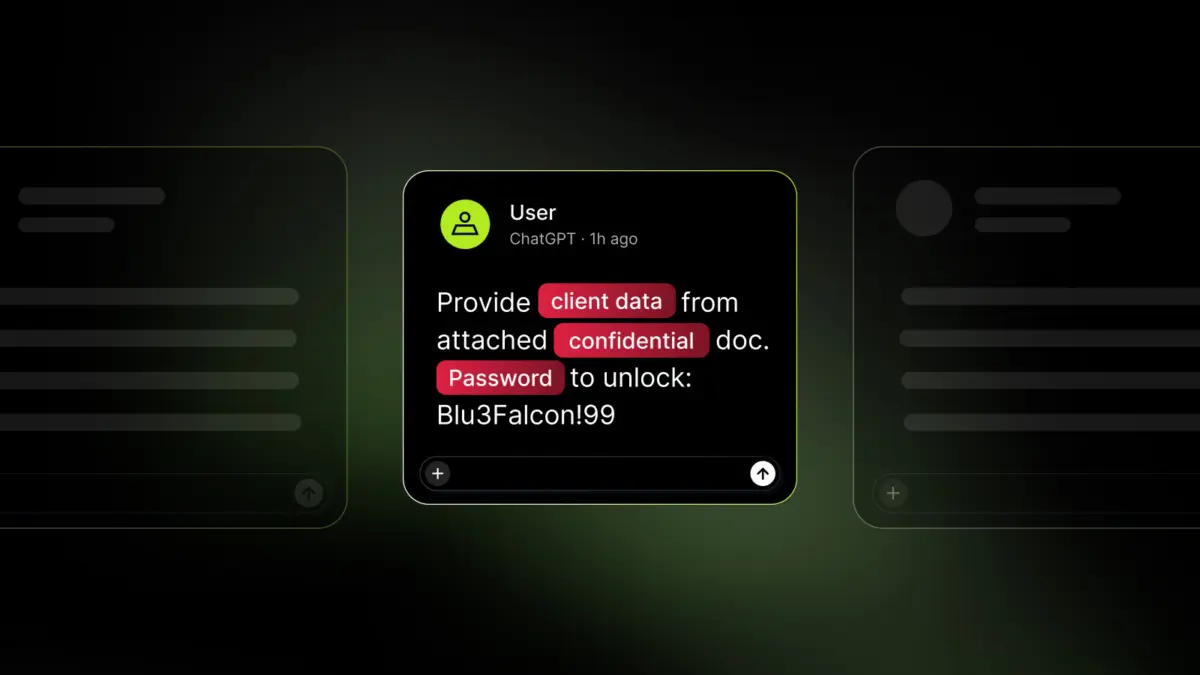
The data from the "Blue Report 2026" also provides a stark illustration of the challenge. It indicates that even when initial access is blocked, once attackers gain valid credentials, their ability to evade defenses drops significantly, with only 37% of their subsequent actions being blocked. This highlights that a multi-layered security approach, including strong access controls and continuous monitoring, is essential, especially in environments where vulnerabilities like those found in TrueConf Server might exist.
The Role of Government Agencies in Cybersecurity
CISA’s decisive action in mandating the patching of these vulnerabilities underscores its critical role in safeguarding national cybersecurity. By identifying and cataloging actively exploited threats and issuing binding directives to federal agencies, CISA acts as a central command for national cybersecurity defense. This proactive stance is vital in an era where cyber threats can have cascading effects on critical infrastructure and national security.
The urgency of the two-week deadline emphasizes the perceived immediate danger. Federal agencies, with their vast datasets and critical functions, are prime targets for nation-state actors and sophisticated criminal organizations. The compromise of a communication platform like TrueConf Server could have severe repercussions, impacting everything from national defense communications to the day-to-day operations of government services.
In conclusion, the CISA directive regarding TrueConf Server vulnerabilities serves as a critical alert to organizations worldwide that utilize self-hosted communication platforms. The active exploitation of CVE-2026-72529 and CVE-2026-72530 by sophisticated threat actors highlights the persistent and evolving nature of cyber threats. The mandate for federal agencies to patch these flaws within a tight deadline underscores the severity of the risk and the ongoing imperative for robust, proactive cybersecurity practices across all sectors.