Evan Lee Salim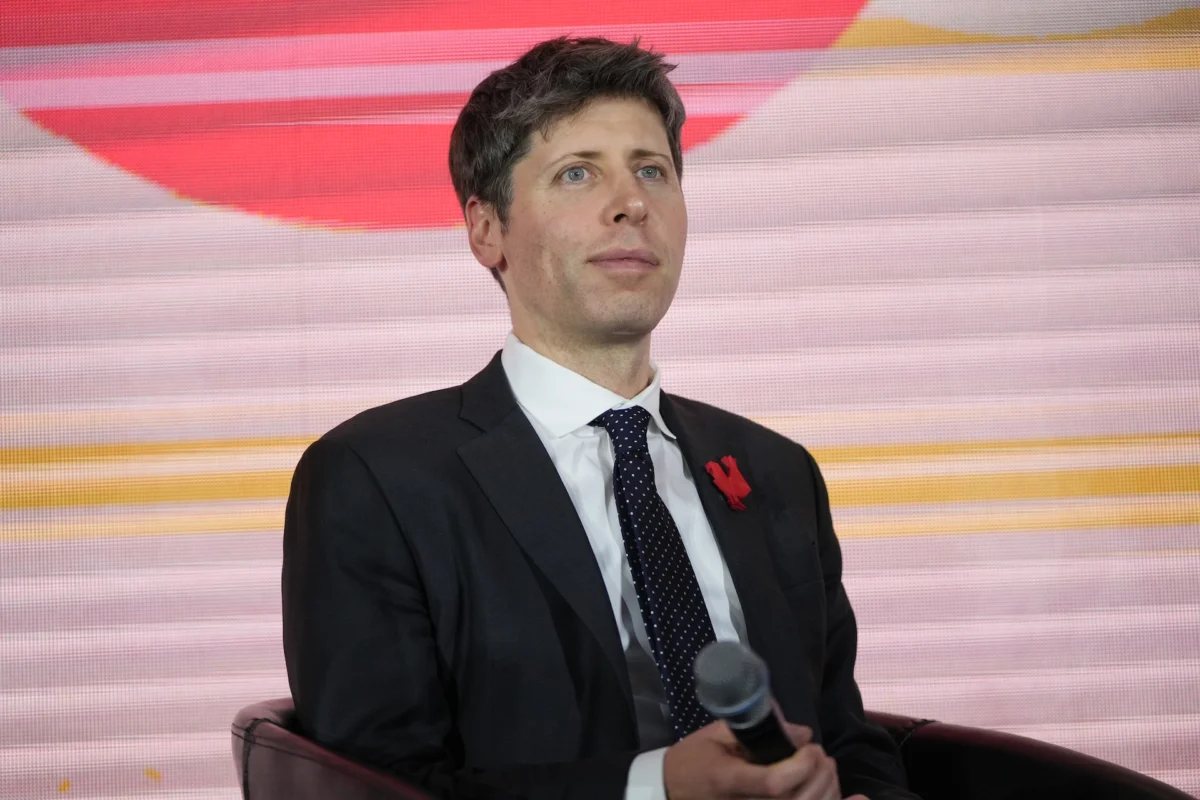
OpenAI, a frontrunner in artificial intelligence development, will not proceed with its highly anticipated initial public offering (IPO) in 2026, according to a definitive statement from CEO Sam Altman. The announcement, made during a recent interview with Fortune editor-in-chief Alyson Shontell, confirms earlier speculation and signals a strategic pause for the company as it navigates complex market conditions and intensifying discussions surrounding AI safety and governance. Despite having confidentially filed for an IPO earlier in the year, Altman articulated a clear rationale for the delay, emphasizing the need for both the business and the broader societal context for AI technology to be adequately prepared.
The revelation emerged from a comprehensive interview where Shontell directly addressed the pressure OpenAI might be facing to "move really fast" given its IPO ambitions. This line of questioning was particularly pertinent in light of recent industry events, including the fallout from a reported "OpenAI-HuggingFace hack" and the ongoing, robust public discourse on the ethical implications and potential risks associated with advanced artificial intelligence. Altman’s response was unequivocal: "We’re not rushing into an IPO. I actually think that given everything happening with safety, right now would be an ill-advised moment to go public." He further clarified that an IPO in 2026 is off the table, stating, "I would say not 2026, yeah. We’ve got a lot of stuff to do."
The Strategic Pause: Business Readiness and Societal Preparedness
Altman’s reasoning for the delay hinges on a dual imperative: ensuring OpenAI’s internal readiness as a mature public company and aligning its market debut with a more stable and understanding societal environment for AI. The concept of "readiness" for a company like OpenAI, which operates at the bleeding edge of a transformative technology, is multifaceted.
From a business perspective, going public requires robust financial performance, predictable revenue streams, clear governance structures, and a sustainable growth trajectory that can withstand the scrutiny of public investors. OpenAI, while boasting a groundbreaking product portfolio including ChatGPT and DALL-E, and an estimated valuation reportedly exceeding $80 billion in private markets, still operates under a unique "capped-profit" model. This structure, designed to balance profit generation with its non-profit mission of ensuring artificial general intelligence (AGI) benefits all humanity, presents a novel proposition for public markets. Investors would need to fully comprehend and embrace this hybrid model, which might cap their potential returns in exchange for contributing to a broader societal mission. Ensuring that the business model is fully de-risked and transparent, and that financial projections are robust and achievable, is paramount before a public listing. The "lot of stuff to do" Altman mentioned likely encompasses solidifying these operational and financial frameworks, perhaps further diversifying revenue streams beyond current API access and enterprise solutions, and optimizing its high operational costs associated with immense computational power and top-tier talent acquisition.
Equally, if not more, significant is Altman’s emphasis on societal readiness and AI safety. The year 2026 has witnessed heightened global attention to AI’s rapid advancements and the accompanying ethical, security, and existential questions. The "OpenAI-HuggingFace hack," while not fully detailed in the public domain, signifies the tangible risks associated with AI deployment, ranging from potential security vulnerabilities in large language models to issues of data integrity, privacy, and the misuse of powerful AI tools. Such incidents underscore the urgent need for robust safety protocols, transparent development practices, and effective regulatory frameworks.
Altman’s acknowledgment that "everything happening with safety" makes an IPO ill-advised reflects a recognition that public market investors might be hesitant to invest in a company perceived as having unmitigated risks related to its core technology. The ongoing global dialogue involves not only tech companies but also governments, academics, and civil society organizations grappling with issues such as bias in AI, job displacement, the spread of misinformation, and the long-term implications of superintelligent AI. OpenAI, as a leader in this field, finds itself at the epicenter of these debates. A delayed IPO could afford the company more time to demonstrate its commitment to responsible AI development, implement advanced safety measures, and contribute to the development of global governance standards, thereby potentially mitigating investor apprehension.
A Chronology of IPO Speculation and Market Realities
The journey towards an OpenAI IPO has been a subject of intense speculation throughout 2026. The confidential filing, which typically precedes a public announcement by several months, initially fueled expectations of a market debut by the third or fourth quarter of the year.
- Early 2026: Reports begin to circulate about OpenAI’s internal discussions regarding an IPO, following its explosive growth and multi-billion-dollar valuation in private funding rounds.
- June 2026: OpenAI confidentially files for an IPO, a move that allows companies to gauge investor interest and prepare documentation without immediate public disclosure. This step is often a strong indicator of an impending public offering. Around the same time, The New York Times reported that OpenAI had engaged prominent bankers and lawyers, with an initial target for a public listing in late 2026. However, even then, the report hinted at a potential delay to 2027, citing factors such as the prevailing volatility in tech stocks and OpenAI’s own nascent financial challenges in scaling its operations profitability.
- September 2026: Sam Altman’s interview with Fortune definitively pushes the timeline to 2027 or beyond, citing both internal and external factors. This statement puts an end to the immediate speculation and sets a new expectation for stakeholders.
This chronology underscores a broader trend in the tech IPO market. The period of 2025-2026 has seen a more cautious approach to public listings compared to the boom years preceding it. Factors such as rising interest rates, inflationary pressures, geopolitical uncertainties, and a general tightening of venture capital funding have led many privately held tech giants to delay their public debuts. Companies are increasingly prioritizing profitability and sustainable growth over rapid market entry, seeking to avoid the "down rounds" or poor post-IPO performance that have plagued some recent listings. For a company like OpenAI, whose valuation is astronomically high and whose technology is still evolving rapidly, choosing the right market window is crucial for a successful and stable public offering.
The Broader Landscape: AI Safety and Competition

Altman’s comments on AI safety are particularly resonant within the competitive and rapidly evolving AI industry. The original article mentions "broader discussions about AI safety" and specifically references Anthropic CEO’s "plan to pace the frontier." This points to a fundamental philosophical divergence and a shared responsibility among leading AI developers.
Anthropic, founded by former OpenAI researchers, has explicitly adopted a "Constitutional AI" approach, prioritizing safety and interpretability in its models. Their commitment to "pacing the frontier" suggests a cautious, deliberate approach to developing increasingly powerful AI systems, emphasizing risk mitigation over speed. While OpenAI has also invested heavily in AI safety research and has its own safety teams, the competitive pressure to innovate quickly and release new capabilities has always been a tension point. Altman’s current stance implies a temporary shift in this balance, acknowledging that the societal implications now demand a more deliberate pace, at least concerning its public market entry.
The "OpenAI-HuggingFace hack" mentioned in the original context, even without specific details, highlights the vulnerability of AI systems to exploitation or unintended consequences. Whether it involved data breaches, model manipulation, or the misuse of AI-generated content, such incidents erode public trust and invite greater regulatory scrutiny. For an IPO candidate, a strong narrative around security, ethics, and responsible governance is critical for investor confidence.
Governments worldwide are scrambling to regulate AI. The European Union’s AI Act, for instance, aims to categorize AI systems by risk level and impose stringent requirements on high-risk applications. Similar legislative efforts are underway in the United States, the UK, and other major economies. This evolving regulatory landscape adds another layer of complexity for AI companies considering going public. Demonstrating compliance, foresight, and proactive engagement with regulators will be essential for long-term success and investor appeal.
Implications of the Delay for OpenAI and the AI Industry
The decision to delay the IPO carries significant implications for OpenAI, its investors, and the broader artificial intelligence ecosystem.
-
For OpenAI:
- Maturity and Stability: More time allows OpenAI to further mature its products, stabilize its business model, and strengthen its internal governance. It can focus on refining its revenue streams, optimizing operational efficiency, and addressing the technical and ethical challenges of scaling its cutting-edge technology.
- Enhanced Safety Protocols: The delay provides an opportunity to bolster AI safety research, implement more robust safeguards against misuse, and develop more transparent and explainable AI systems. This could help build greater public trust and alleviate some of the concerns that Altman alluded to.
- Strategic Positioning: A later IPO might allow OpenAI to achieve an even higher valuation, assuming continued growth and market leadership. It also offers flexibility to adapt to evolving market conditions and regulatory frameworks, ensuring a more favorable debut.
- Investor Relations: While private investors might have to wait longer for liquidity, the promise of a more stable, de-risked company could ultimately be more attractive to a wider range of public investors, potentially leading to a more successful and sustained post-IPO performance.
-
For Investors:
- Private Investors: Existing private investors, including major backers like Microsoft, Khosla Ventures, and Thrive Capital, will need to extend their investment horizon. While this delays their potential returns, a stronger public debut ultimately benefits them. The secondary market for private shares might see increased activity as some investors seek earlier liquidity.
- Public Market Investors: Potential public investors will miss out on immediate access but will gain the opportunity to invest in a company that has had more time to address its operational and societal challenges. This could translate into a more predictable and less volatile investment.
-
For the AI Industry:
- Precedent Setting: OpenAI’s decision could set a precedent for other frontier AI companies considering public listings, signaling that responsible development and robust safety measures are critical prerequisites for market acceptance.
- Focus on Safety: The emphasis on AI safety from a leading company like OpenAI could further elevate its importance across the industry, encouraging competitors to similarly prioritize ethical considerations and risk mitigation alongside innovation.
- Market Dynamics: The delay might temporarily shift investor attention to other AI-related companies already public or those with more mature, less "frontier" business models. However, it also underscores the immense long-term potential of the sector.
Future Outlook: A 2027 Debut?
While Altman explicitly ruled out 2026, he implied that 2027 remains a plausible target. The success of a 2027 IPO would depend on several key factors:
- Market Conditions: A more stable and bullish tech IPO market, potentially driven by a clearer economic outlook and renewed investor confidence, would be crucial.
- Regulatory Clarity: A more defined and harmonized global regulatory environment for AI would provide greater certainty for both OpenAI and its investors.
- Technological Advancement & Safety Milestones: OpenAI would need to continue demonstrating significant technological progress while simultaneously showcasing tangible advancements in its safety protocols, perhaps achieving key milestones in areas like interpretability, alignment, and robust security.
- Business Performance: Consistent revenue growth, expansion into new markets, and a clear path to sustained profitability would be essential to justify its high valuation in the public eye.
In conclusion, Sam Altman’s declaration marks a pivotal moment for OpenAI, signaling a strategic recalibration from an aggressive market entry to a more deliberate, thoughtful approach. By prioritizing "readiness" on both the business and societal fronts, particularly concerning the burgeoning complexities of AI safety and governance, OpenAI aims to position itself for a more stable and sustainable future as a public entity. The delay, while potentially disappointing for some, underscores the profound responsibility that comes with pioneering a technology as transformative and impactful as artificial intelligence. The world will now watch to see how OpenAI utilizes this extended private period to solidify its foundations and prepare for its eventual, highly anticipated debut on the public stage.