Vera Intan Clara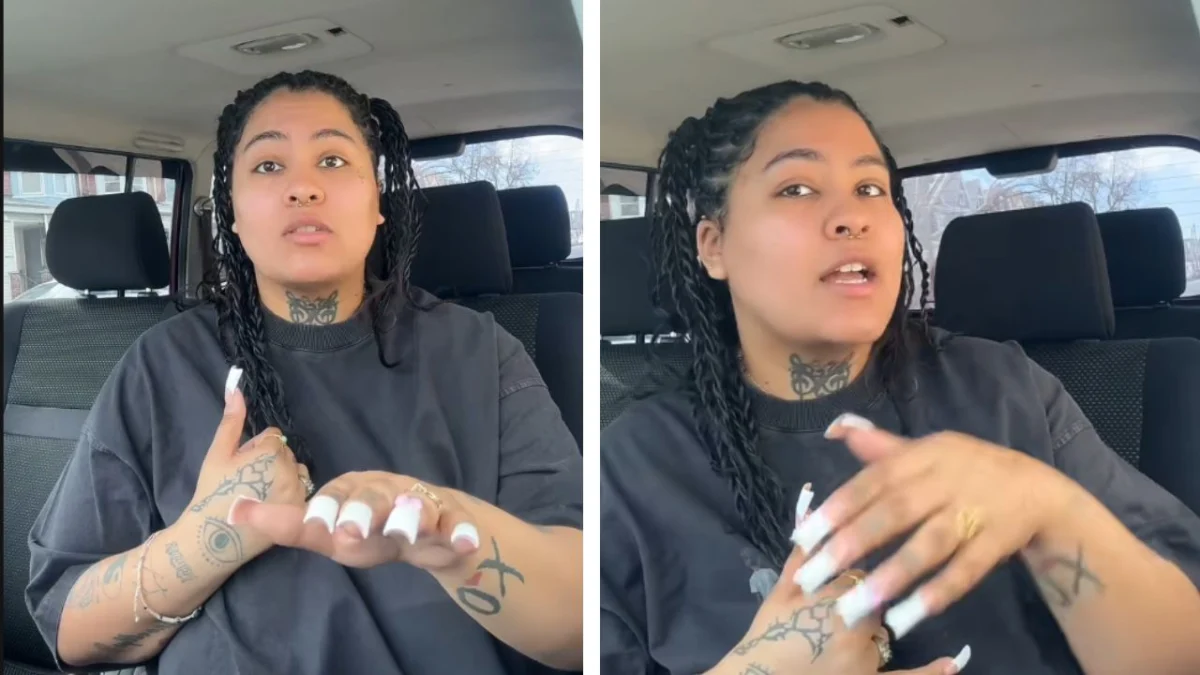
A recent TikTok video detailing a first date that began with high hopes but culminated in the woman leaving her companion to foot the entire bill has captivated millions online, drawing over 439,000 likes as of publication and igniting a widespread discussion on modern dating etiquette, gender roles, and financial responsibilities. The incident, recounted by creator @nashalantmusic, quickly transcended the digital confines of TikTok to become a focal point in the ongoing cultural conversation about the complexities of romantic encounters in the 21st century.
The Anatomy of a Viral Date: A Chronological Account
The narrative, as presented by @nashalantmusic, unfolded with an initial sequence of events that painted a picture of an ideal first date, aligning with many traditional expectations of a thoughtful suitor. The creator described her date as having "actually started off as the best date I have ever been on." This positive sentiment was attributed to several key actions by her male companion.
-
The Promising Beginning: Expectations and First Impressions
The date commenced with the man picking her up in his personal vehicle, a gesture often seen as a mark of consideration and effort, particularly in an era where ride-sharing services are prevalent. Crucially, he had already secured restaurant reservations, demonstrating initiative and planning. The creator expressed a clear preference for this proactive approach, stating in her video, "He had the restaurant in mind and did not ask me anything. That’s how I like it. Don’t ask me s—, just take me where you want to take me." This statement highlights a segment of daters who appreciate decisiveness and a sense of direction from their partners, contrasting with the often-indecisive back-and-forth common in early dating stages.The evening reportedly progressed smoothly through the initial courses. Drinks were ordered, appetizers shared, and conversation flowed, fostering a seemingly strong connection. The two engaged in multiple rounds of drinks, suggesting a comfortable and enjoyable atmosphere. The creator’s initial assessment of her date was overwhelmingly positive: "He is cute, he is funny, he seems like he got money." These attributes – physical attractiveness, a sense of humor, and apparent financial stability – are frequently cited as desirable qualities in a partner, further cementing the date’s promising trajectory. This phase of the date exemplifies the careful dance of first impressions, where mutual attraction and perceived compatibility are paramount.
-
The Shifting Mood: The Arrival of the Bill
The convivial atmosphere, however, reportedly underwent a dramatic transformation with the arrival of the restaurant bill. The creator observed a distinct shift in her companion’s demeanor, noting that "the mood shifted when the bill arrived and the man became quiet." This sudden change in disposition often serves as a subtle, yet potent, indicator of underlying tension or discomfort, particularly when financial matters are at stake. Initially, the creator interpreted his silence as a possible desire to prolong their evening, perhaps to suggest an extension of the date to another venue. This misinterpretation underscores a common challenge in early dating: deciphering unspoken cues and intentions.However, as approximately 15 minutes elapsed with the conversation growing noticeably shorter and more strained, her initial assumption began to falter. A growing unease settled in, prompting an internal query: "Why isn’t he picking it (the bill) up?" This pivotal moment marked the transition from a seemingly perfect date to one fraught with ambiguity and unspoken expectation. The delay in addressing the bill, a commonplace formality at the end of a meal, became a source of increasing discomfort and confusion, signaling an impending conflict of expectations.
-
The Confrontation: A Dispute Over Financial Responsibility
The simmering tension eventually erupted into an overt confrontation regarding the payment for the meal. According to the video, the man announced his intention to use the restroom. Before he could depart, the creator directly addressed the looming question of the bill, asking how he planned to handle it. His response, "I thought this was on you," reportedly came as a significant surprise, fundamentally challenging her expectations and the perceived dynamics of the date.The creator articulated her position, emphasizing that his actions – picking her up, selecting the restaurant, and initiating the date – suggested he intended to cover the expenses. She expressed her belief that she should not be responsible for paying, given these gestures of initiation and planning. Her date’s alleged retort further escalated the dispute: he reportedly stated he wasn’t paying either, asserting that he took her on the date "because she wanted him to," and adding, "I don’t take b—— on dates." This inflammatory statement not only revealed a stark divergence in expectations but also introduced a misogynistic undertone that fundamentally altered the perception of the date. The interaction devolved from a discussion about payment to a direct challenge of respect and intention, stripping away the earlier veneer of romance and revealing a deeply problematic perspective.
-
The Unconventional Exit: The Ditching and Its Aftermath
Following this contentious exchange, the creator recounted a strategic maneuver to extricate herself from the situation. As she began to operate her phone, her date reportedly inquired about her actions. She informed him she was transferring funds to pay the bill, a statement she later revealed to be a misdirection. He then allegedly offered to cover their second date, before proceeding to the restroom. The creator, agreeing to handle the current bill, created an impression that she would resolve the financial obligation.However, her true intention, as disclosed in the video, was not to pay. Instead, she was actively booking an Uber for her swift departure. Upon successfully securing her ride, she approached the restaurant’s front desk. Rather than settling the bill, she reportedly informed the staff that her date, who was in the restroom, would be covering the entire cost and would leave a 30% tip. With this audacious declaration, she exited the establishment before his return, leaving him to contend with the unpaid tab. This dramatic and unconventional exit immediately sparked a flurry of reactions online, dividing opinions between those who lauded her quick thinking and those who questioned the ethical implications of her actions. The incident left both the date and the restaurant in an unforeseen predicament, highlighting the potential for real-world consequences stemming from interpersonal disputes.
Social Media’s Echo Chamber: The TikTok Phenomenon
The rapid dissemination of @nashalantmusic’s video underscores TikTok’s potent role as a platform for sharing personal anecdotes and catalyzing public discourse. The format of short, engaging videos allows for narratives to go viral quickly, often bypassing traditional news gatekeepers.
-
User Engagement and Commentary
The comments section beneath the video quickly became a lively forum for debate, with users largely expressing support for the creator’s decision. One commenter wrote, "I would have asked for separate checks soooo fast and got my a– an Uber." This reaction reflects a common sentiment among online users who prioritize self-preservation and swift action in uncomfortable dating scenarios. Another user remarked, "I love how he BOLDLY assumed there would be a second date," highlighting the perceived audacity of the man’s suggestion for a future encounter given the unfolding dispute. A third comment, "How bro was looking after the bill came," humorously speculated on the man’s likely reaction upon discovering he had been left with the bill. These comments collectively reveal a shared understanding of modern dating frustrations and a collective approval of the creator’s unconventional response. The virality of such content on platforms like TikTok is often fueled by its relatability and the opportunity for users to collectively process and react to common social dilemmas. -
The Authenticity Debate: Verifying Viral Content
It is crucial to note, as did the original source, that "The Daily Dot was unable to independently verify the events described in this video. The details above reflect the creator’s account as shared on TikTok." This caveat is paramount in the age of viral content, where the line between genuine experience, embellished storytelling, and outright fabrication can be blurred. TikTok, like many social media platforms, thrives on user-generated content, which inherently carries challenges regarding factual verification. While the narrative is compelling and resonates with many, the absence of independent corroboration means the story remains solely from the creator’s perspective. This raises questions about the responsibility of platforms and audiences in discerning truth from fiction, especially when personal narratives can significantly influence public opinion and shape broader societal conversations.
Dating Economics and Evolving Etiquette
The dispute over the restaurant bill at the core of this viral incident taps into a long-standing and continually evolving debate about financial expectations in dating.
-
Historical Context of Bill-Splitting
Historically, especially in Western cultures, it was a common societal expectation for men to pay for dates, particularly first dates. This tradition was often rooted in patriarchal norms, where men were seen as providers and women as recipients of courtship gestures. This practice, often termed "chivalry," was intricately linked to gender roles and societal structures that have undergone significant transformation over the past century. While still prevalent in some circles, the rigidity of this expectation has softened considerably with the rise of gender equality movements and increased financial independence among women. -
Modern Dating Dynamics: Gender Roles and Financial Expectations
In contemporary dating, the question of "who pays" has become increasingly complex and often a source of anxiety. Surveys and dating experts frequently highlight the divergence in expectations. A 2023 study by LendingTree, for instance, found that while 79% of men believe they should pay for the first date, only 40% of women expect them to. However, a significant portion of women (60%) still prefer that the man initiate the offer to pay, even if they intend to split or pay themselves. This illustrates a nuanced landscape where traditional expectations clash with modern desires for equality and shared responsibility. The rise of dating apps has also altered the dynamics, making initial encounters more transactional and less imbued with the prolonged courtship rituals of previous generations. The financial burden of dating, especially with rising costs, has also become a more pressing concern for individuals of all genders. -
The Cost of Connection: Economic Pressures on Daters
The economics of dating have become a significant factor in shaping contemporary romantic interactions. Data from various sources indicates that dating can be an expensive endeavor. For example, a 2023 analysis by Match.com revealed that the average cost of a single date in the U.S. can range from $70 to over $100, depending on the city and activities. This figure has been impacted by inflation, which has driven up the cost of dining out, entertainment, and transportation. For many, particularly younger generations facing student loan debt and stagnant wages, these costs represent a considerable financial strain. The pressure to present a certain lifestyle, often amplified by social media, can lead to financial anxiety, making discussions around bill payment particularly sensitive. The man’s alleged statement, "I don’t take b—— on dates," could be interpreted not just as misogyny, but also potentially as a defensive reaction to perceived financial strain or a refusal to adhere to traditional dating norms he might view as outdated or unfair.
Broader Implications and Societal Discourse
The viral TikTok incident extends beyond a single awkward date, touching upon broader societal implications and sparking crucial conversations.
-
Impact on Dating Norms and Communication
The incident serves as a stark reminder of the critical importance of clear communication, especially regarding financial expectations, early in a dating relationship. The lack of an explicit agreement on who would pay led directly to conflict. Dating experts often advise that couples, particularly in the initial stages, should have candid discussions about financial roles to avoid misunderstandings. While traditionally considered awkward, a brief conversation or even a subtle gesture (like suggesting splitting the bill when ordering) can preempt such dramatic confrontations. The incident also highlights a growing demand for transparency and authenticity in dating, where mismatched expectations can quickly sour a potentially promising connection. -
The Restaurant’s Dilemma: Unpaid Bills and Operational Challenges
From the perspective of the restaurant, an incident like this represents a "dine and dash," a form of theft that poses a tangible financial loss and operational challenge. Restaurants operate on thin margins, and every unpaid bill directly impacts their profitability. While the specific restaurant in this instance remains unnamed and its direct response unknown, establishments typically have protocols for handling such situations, which may include reporting to authorities, especially if the bill is substantial. The creator’s instruction to the front desk, claiming her date would pay and tip 30%, further complicates the situation, potentially delaying the realization of the unpaid bill and the subsequent actions the restaurant might take. Such incidents, while rare, contribute to the cumulative challenges faced by the hospitality industry. -
Ethical Considerations of Publicizing Personal Encounters
The decision to publicize a personal, negative dating experience on a platform like TikTok raises significant ethical questions. While the creator found a supportive audience, the act of sharing potentially humiliating details about another individual without their consent, and without the possibility of their counter-narrative, presents a one-sided account that can have real-world consequences for the person involved. The virality of such content means that an individual’s reputation can be severely damaged, often based on unverified claims. This phenomenon contributes to the broader debate about privacy in the digital age and the boundaries of sharing personal experiences for public consumption and entertainment. -
The Challenge of Verification in the Digital Age
As highlighted by the inability of news outlets to independently verify the account, the incident underscores a fundamental challenge of reporting in the digital era: separating fact from fiction in user-generated content. While platforms like TikTok offer unparalleled access to diverse narratives, they also create an environment where personal stories, however compelling, may lack factual grounding. This necessitates a critical approach from both consumers and journalists, encouraging skepticism and the pursuit of corroborating evidence, even when the immediate emotional impact of a story is strong.
Conclusion
The TikTok video chronicling a first date gone awry over an unpaid bill is more than just a viral sensation; it is a microcosm of contemporary dating challenges, societal shifts, and the pervasive influence of social media. It brings to the forefront enduring questions about gender roles, financial expectations, the etiquette of courtship, and the responsibilities inherent in sharing personal narratives online. As dating norms continue to evolve, incidents like this serve as powerful, albeit unverified, case studies, prompting introspection and dialogue among daters, experts, and the wider public about how to navigate the intricate landscape of modern romance with clarity, respect, and mutual understanding. The conversation sparked by @nashalantmusic’s account will undoubtedly resonate for some time, shaping perceptions and perhaps even influencing future dating behaviors.