admin
admin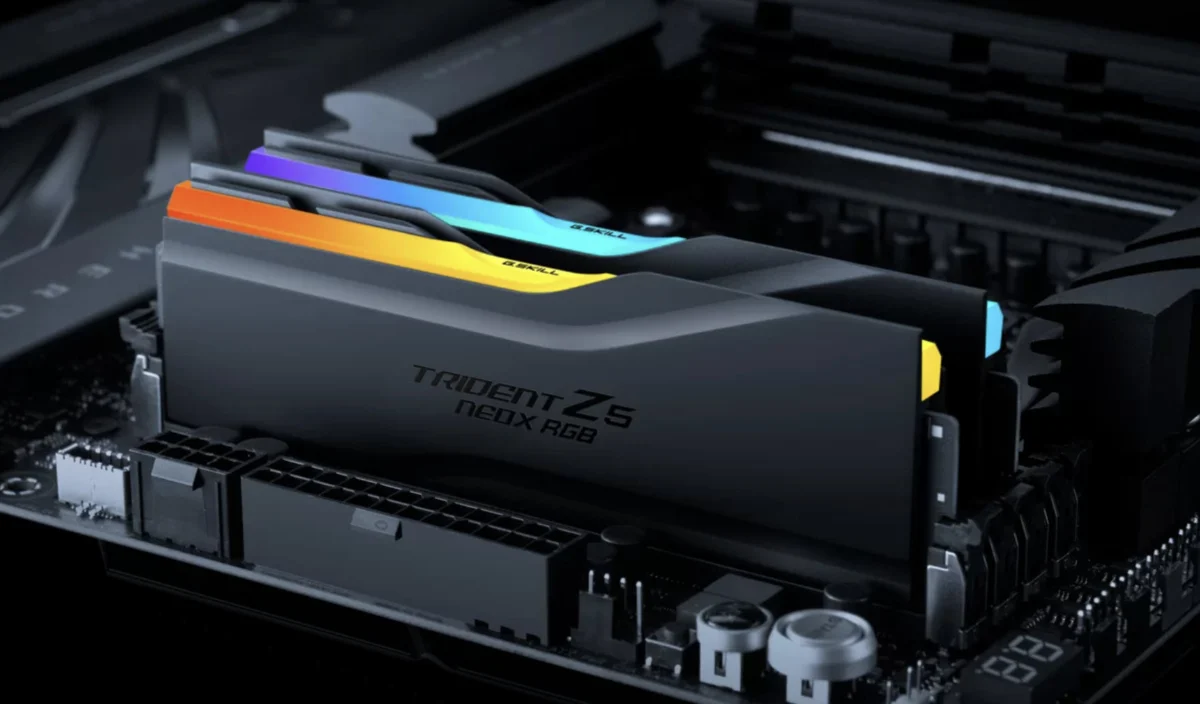
The European PC hardware market has reached a critical inflection point as DDR5 memory prices soared to unprecedented heights in September 2026, marking a significant escalation in a year-long trend of rising costs. According to the latest retail data, the price index for DDR5 memory kits has not only surpassed the previous records set in early 2026 but has decisively broken through the 500% barrier compared to the baseline established in July 2025. This 12% month-over-month increase represents one of the most aggressive price hikes observed in the German market this year, signaling a deepening crisis for PC builders, system integrators, and enthusiasts alike.
Data aggregated by 3D Center and tracked via the Geizhals pricing platform reveals that the average cost of DDR5 memory now sits at approximately 544% of what it was a mere fourteen months ago. While the first half of 2026 saw prices fluctuate within a relatively stable—albeit high—range of 400% to 500%, the September surge suggests that the market has entered a new phase of volatility. This development is particularly concerning for the DIY PC segment, where memory has transitioned from a standard commodity to one of the most expensive components in a modern build, rivaling the costs of mid-range GPUs and high-end CPUs.
Statistical Breakdown: The September Surge Analyzed
The 12% jump in the general price index does not fully capture the extremity of price movements for specific high-demand configurations. A granular look at the September data reveals that the primary driver of this index spike was the 2x 16 GB DDR5-6400 CL30 memory kit. This specific configuration, widely regarded as the "sweet spot" for performance-oriented gaming systems, witnessed a staggering 103% price increase in a single thirty-day window. Such a move is nearly unheard of in the semiconductor retail space without a catastrophic supply chain failure or a massive shift in manufacturing priorities.

Other segments of the DDR5 market also experienced significant upward pressure. The 2x 32 GB DDR5-6400 kits, favored by content creators and professional workstations, saw a 33% price hike. Meanwhile, mid-tier 24 GB and 32 GB kits across various speeds reported increases of up to 18%. Even the entry-level 16 GB DDR5 kits, which had remained somewhat shielded from the worst of the inflation, saw single-digit growth that contributed to the overall 544% index rating.
This tiered inflation suggests that while all DDR5 is becoming more expensive, the "enthusiast-grade" modules with tighter timings (lower CAS latency) and higher frequencies are being hit the hardest. Analysts suggest this may be due to the limited availability of high-quality DRAM dies capable of hitting these performance targets, as manufacturers prioritize higher-margin enterprise and AI-focused silicon.
Chronology of a Crisis: From July 2025 to September 2026
To understand the gravity of the current situation, one must look at the trajectory of the market over the last year. In July 2025, the DDR5 market was characterized by oversupply and aggressive pricing as manufacturers transitioned away from the aging DDR4 standard. At that time, the price index was set at a baseline of 100%.
The first signs of trouble appeared in late 2025. Between November and December of that year, prices spiked sharply, driven by a combination of seasonal demand and the initial reports of manufacturing shifts toward High Bandwidth Memory (HBM) for the burgeoning AI data center market. By January 2026, the index had already tripled, hovering around the 300% mark.

Throughout the spring and summer of 2026, the market appeared to reach a plateau. For nearly six months, prices remained within the 400-500% range, leading many industry observers to hope that the market had found its ceiling. However, the September data has shattered that optimism. The jump from 486% in August to 544% in September represents a total decoupling from traditional consumer electronics pricing cycles, where components typically become cheaper as a technology matures.
Supply Side Constraints: The HBM Shadow over Consumer DRAM
The underlying causes of this "memory crisis" are multifaceted, but most industry insiders point toward the insatiable demand for AI-related hardware. Major DRAM manufacturers, including Samsung, SK Hynix, and Micron, have significantly reallocated their wafer production capacity to HBM3 and HBM4 (High Bandwidth Memory). These specialized memory stacks are essential for AI accelerators and enterprise-grade GPUs, offering significantly higher profit margins than standard consumer DDR5.
As fabrication plants (fabs) prioritize the production of AI memory, the supply of the DDR5 dies used in consumer-grade RAM kits has dwindled. This scarcity is compounded by the increasing complexity of DDR5 architecture, which includes on-die ECC (Error Correction Code) and integrated Power Management Integrated Circuits (PMICs). These additional components have their own supply chains, and any bottleneck in PMIC production further inflates the final cost of the memory module.
In Germany, these global supply issues are exacerbated by regional economic factors. High energy costs for local logistics and warehouse operations, combined with a weakening Euro against the US Dollar throughout mid-2026, have forced retailers to pass increased procurement costs directly to the consumer.

The Death of the Budget PC: Wildcat Lake and the $1,000 Entry Point
The implications of this price surge extend far beyond the enthusiast market, fundamentally altering the economics of "budget" computing. The recent launch of mini-PCs and entry-level desktops based on the Wildcat Lake architecture was intended to bring modern performance to the sub-$600 price bracket. However, the reality of the September price hike has rendered these targets impossible to meet.
A standard Wildcat Lake mini-PC, equipped with a modest 16 GB of DDR5 RAM, is now frequently retailing for $1,000 or more in the German market. For a system where the memory was originally intended to account for less than 10% of the total Bill of Materials (BOM), the current pricing landscape means that RAM can now represent nearly 30% to 40% of the total system cost.
This shift is forcing many consumers to reconsider their purchasing decisions. Small businesses and educational institutions, which typically rely on high-volume orders of budget-friendly systems, are seeing their procurement budgets stretched to the breaking point. There are growing concerns that this could lead to a "digital divide" in hardware, where only well-funded entities can afford to stay current with the latest architectural standards.
DDR4: A Stagnant Sanctuary for Legacy Users
While the DDR5 market is in turmoil, the legacy DDR4 standard offers a stark contrast. Prices for DDR4 RAM have largely stabilized, showing negligible growth over the last several months. However, "stabilized" is a relative term; DDR4 prices currently sit at approximately 296% of their July 2025 levels. While significantly cheaper than DDR5, it is still nearly three times more expensive than it was during the "golden era" of low-cost memory.

The problem for consumers is that most modern platforms, including the latest offerings from Intel and AMD, have moved exclusively to DDR5 support. Opting for DDR4 requires using older-generation motherboards and CPUs, which limits the upgrade path and longevity of the system. For many, the choice is between paying the "DDR5 tax" or investing in technology that is already nearing its end-of-life cycle.
Market Outlook: Is There a Ceiling in Sight?
As we move into the final quarter of 2026, the outlook for the memory market remains grim. With the holiday shopping season approaching, historical trends suggest that demand will only increase, potentially driving prices even higher if supply remains constrained.
Market analysts at 3D Center and other European hardware outlets are watching the 600% index mark closely. If the current trajectory continues, we could see the price of a standard 32 GB DDR5 kit reach levels previously reserved for professional-grade GPUs. There is some hope that as HBM production yields improve, some capacity may be returned to consumer DRAM, but most experts do not expect a significant correction until well into 2027.
For the time being, the advice from the building community is clear: unless an upgrade is absolutely necessary, now may be the worst time in a decade to purchase memory. For those who must buy, the September data suggests that opting for slightly higher latency kits (such as CL40 instead of CL30) may provide the only remaining way to mitigate the extreme costs of the current "memory crisis."