Vera Intan Clara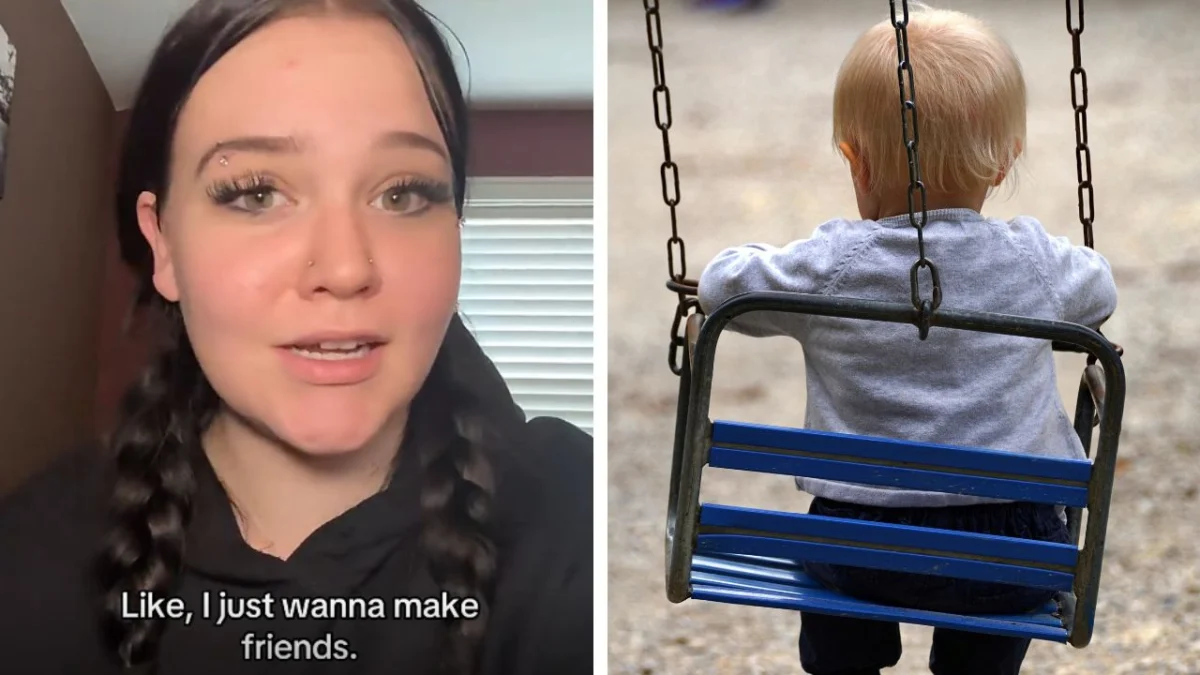
A poignant TikTok video shared by a mother identified as Vanessa, known online as @xoxo.nessalovelyn, has resonated deeply with millions globally, illuminating the emotional challenges faced by children struggling to make friends on their first day of preschool. The video, which rapidly garnered over 1.7 million likes since its publication, captures Vanessa’s raw account of observing her son’s attempts at social connection and the difficulty she experienced in allowing him the independence to navigate rejection. This personal narrative has sparked a broad conversation about early childhood social development, the nuances of neurodiversity, and the collective responsibility of fostering inclusive environments for all children.
The Heartbreaking Chronology of a First Day
The narrative unfolded as Vanessa recounted her son’s profound anticipation for his inaugural day at preschool. For several days leading up to the event, he enthusiastically wore his new Spider-Man backpack, a symbol of his eagerness to embark on this new chapter and, crucially, to forge new friendships. "He keeps telling me, like, Mommy, I’m so excited to make friends," Vanessa shared in her video, painting a picture of a child brimming with hope and social aspirations.
On the much-anticipated day, Vanessa, driven by a natural parental instinct and perhaps a premonition of the emotional intensity of the day, arrived at the school earlier than necessary for pickup. This allowed her a discreet vantage point from which to observe her son’s interactions during playtime. What she witnessed was a series of earnest, yet ultimately unrequited, attempts at connection. Her son repeatedly approached various groups of children, attempting to initiate conversations and join their games, but consistently met with difficulty in establishing meaningful connections.
A particularly difficult moment arose when he finally managed to engage with another child who captured his interest. This interaction, despite his efforts, did not progress positively. Following this setback, Vanessa watched as her son retreated to the swings, a solitary figure attempting to climb onto the equipment. The mother described a powerful urge to intervene and assist him, but consciously held back, recognizing the importance of allowing him to work through the situation independently, a common parental dilemma between protection and fostering resilience.
"He finally gets on this swing, and he just looks so sad," Vanessa recounted, her voice heavy with emotion, capturing the visual despair of a child grappling with early social disappointment. The situation intensified when her son later fell while playing, losing a shoe in the process. What struck Vanessa most profoundly was the lack of notice or assistance from his peers, reinforcing the sense of isolation he was experiencing.
After school, Vanessa engaged in a conversation with the teacher to understand the day’s events from an educator’s perspective. It was during this discussion that she revealed a critical piece of information: her son has high-functioning autism and receives speech therapy. This context added a layer of understanding to his social difficulties, highlighting the specific challenges he might face in navigating complex social cues and interactions. The teacher’s report further solidified the day’s emotional toll: when asked whether they felt happy or sad, Vanessa’s son was the sole student to choose "sad."
Upon returning home, the emotional weight of the day was palpable. Her son remained silent for several minutes, processing his experiences. Eventually, he confided in his mother, expressing his liking for the teacher but his profound disappointment at not having made any friends. Vanessa’s response was a visceral expression of maternal anguish: "I just feel so bad as a mom," she stated, confessing her growing apprehension that her son might continue to be excluded or, worse, become a target of bullying.
Understanding High-Functioning Autism and Early Social Development
Vanessa’s son’s diagnosis of high-functioning autism, now more formally recognized as Autism Spectrum Disorder (ASD) Level 1, provides crucial context for his preschool experience. ASD is a neurodevelopmental disorder characterized by difficulties in social interaction and communication, and restricted or repetitive patterns of behavior or interests. Individuals with ASD Level 1 typically have average or above-average intelligence and fluent speech, but they often struggle with the subtle nuances of social communication.
According to the Centers for Disease Control and Prevention (CDC), approximately 1 in 36 children in the United States has been identified with ASD, making it a significant public health concern. For children with ASD, challenges in social settings often manifest as:
- Difficulty with social-emotional reciprocity: Problems initiating or responding to social interactions, understanding give-and-take in conversations.
- Nonverbal communication deficits: Struggling to understand or use eye contact, facial expressions, body postures, and gestures.
- Developing, maintaining, and understanding relationships: Challenges in adjusting behavior to suit various social contexts, making friends, or lacking interest in peers.
These characteristics can make the unstructured social environment of a preschool particularly daunting. While other children may instinctively understand the unspoken rules of play and friendship formation, a child with ASD might miss these cues, leading to misunderstandings, frustration, and feelings of isolation. Speech therapy, as mentioned by Vanessa, plays a vital role in addressing these social communication deficits, helping children develop strategies for initiating conversations, understanding social cues, and expressing themselves effectively.
The early years of preschool (typically ages 3-5) are a critical period for social-emotional development. During this time, children learn fundamental skills such as sharing, turn-taking, empathy, conflict resolution, and the initiation and maintenance of friendships. A child’s initial experiences in these social settings can profoundly impact their self-esteem, their perception of school, and their future social competence. For children with ASD, early intervention and supportive environments are paramount to navigating these developmental milestones successfully.
The Digital Echo Chamber: Community Response and Shared Experiences
The viral spread of Vanessa’s video on TikTok transformed a private moment of parental anguish into a public forum for empathy, shared experiences, and collective problem-solving. The comments section quickly became a vibrant digital community, with thousands of viewers pouring out their hearts and offering support.
Many commenters expressed profound empathy, describing their own childhood experiences with loneliness, particularly those who had similar challenges related to autism. "I would LOVE to be his friend," one user wrote, a sentiment echoed by many others who felt a strong connection to the boy’s plight. Another commenter offered reassurance, stating that Vanessa’s son now had "hundreds of thousands of online supporters," a testament to the video’s viral reach and the powerful sense of solidarity it generated.
Beyond expressions of sympathy, the comments section also became a repository of practical advice and shared wisdom. Several viewers, themselves parents, recommended proactive strategies for fostering social connections, such as organizing playdates and enrolling children in group activities outside of school. These suggestions align with established pedagogical practices that emphasize structured opportunities for interaction to help children practice social skills in a less overwhelming environment.
A particularly insightful piece of advice came from a commenter who urged their own child to approach classmates who appeared to be playing alone. This reflects a conscious effort by parents to instill values of inclusion and empathy in their children, teaching them to actively seek out and include others who might be feeling isolated. This proactive approach underscores the idea that social inclusion is not solely the responsibility of the child struggling, but also of the community around them.
The widespread resonance of the video highlights a pervasive societal experience: the pain of feeling isolated, especially during formative years. Several viewers mentioned that the situation brought back vivid memories of their own difficulties with friendship and belonging during childhood, underscoring the universal nature of these emotional struggles, regardless of neurodevelopmental differences.
Educational and Parental Perspectives: Navigating Social Challenges
The incident raises important questions for both educational institutions and parents regarding the support systems in place for children with diverse needs.
Educational Institutions: Preschools and early learning centers play a critical role in fostering social-emotional development. For children with ASD, an inclusive classroom environment is crucial. This often involves:
- Teacher Training: Equipping educators with knowledge and strategies to understand and support neurodiverse learners, including recognizing subtle cues of distress or social difficulty.
- Structured Social-Emotional Learning (SEL) Curricula: Implementing programs that explicitly teach social skills, empathy, and conflict resolution to all children.
- Peer Support Programs: Facilitating opportunities for neurotypical peers to learn about and interact positively with children with ASD, often through guided play or buddy systems.
- Individualized Support Plans: For children with identified needs like ASD, Individualized Education Programs (IEPs) or similar support plans can outline specific accommodations and goals related to social skill development, ensuring tailored interventions.
- Sensory-Friendly Environments: Adjusting classroom environments to minimize sensory overload, which can significantly impact a child with ASD’s ability to engage socially.
While the original article does not detail the specific support provided by Vanessa’s son’s preschool, the teacher’s act of asking children about their happiness or sadness indicates an awareness of emotional well-being. However, the outcome for Vanessa’s son suggests that more targeted interventions might be necessary to ensure genuine inclusion.
Parental Role: Vanessa’s story underscores the profound role parents play as advocates and facilitators. Her decision to observe her son, though painful, provided crucial insights into his experiences. Parents of children with ASD often engage in:
- Advocacy: Working closely with schools to ensure their child’s needs are met and appropriate support is provided.
- Skill Building: Practicing social skills at home through role-playing, social stories, and structured playdates.
- Emotional Support: Validating their child’s feelings and helping them process social setbacks, while also fostering resilience.
- Community Building: Seeking out groups or activities specifically designed for children with ASD to provide opportunities for positive peer interactions.
The comments section advice to "create opportunities for children to meet and interact through playdates and group activities" is a testament to the proactive role parents can take. Furthermore, the suggestion to teach children to include others highlights the collective responsibility of the parent community in cultivating a culture of empathy and acceptance among young children.
The Power of Viral Content and Advocacy
Vanessa’s TikTok video transcends a simple personal anecdote; it functions as a powerful piece of digital advocacy. Platforms like TikTok have democratized storytelling, allowing individual experiences to reach a global audience and spark widespread conversations on critical social issues. This video has effectively:
- Raised Awareness: It has brought the often-unseen struggles of children with autism in mainstream settings to the forefront, increasing public understanding and empathy for neurodiversity.
- Validated Experiences: For countless parents and individuals who have faced similar challenges, the video offers validation and a sense of not being alone.
- Catalyzed Discussion: It has prompted discussions among parents, educators, and the wider public about inclusive practices, the importance of social-emotional learning, and how to better support all children in school environments.
- Inspired Action: The outpouring of advice and offers of friendship demonstrates the potential for digital platforms to inspire real-world empathy and community action.
While the immediate pain of watching her son struggle was undeniable, Vanessa acknowledged a crucial developmental truth: "learning to navigate difficult moments independently is part of growing up." This perspective, while heartbreaking for a parent, points to the long-term goal of fostering resilience and self-advocacy in children.
In conclusion, Vanessa’s viral TikTok video serves as a poignant reminder of the complex social landscape of early childhood, particularly for children with high-functioning autism. It highlights the profound emotional impact of social rejection, the critical role of parental empathy and advocacy, and the collective responsibility of schools and communities to cultivate truly inclusive environments. The digital response underscores a universal human desire for connection and belonging, transforming a mother’s personal heartache into a powerful catalyst for broader understanding and potential positive change in how society supports its youngest and most vulnerable members. The ongoing conversation sparked by this single video underscores the enduring power of personal stories to illuminate systemic challenges and inspire collective action towards a more empathetic and inclusive future for all children.