Garick Elordi
The video game industry is currently processing one of the most significant unauthorized data disclosures in recent memory, as a massive repository of internal files belonging to Rockstar Games has surfaced online. This latest breach, which reportedly comprises nearly 200GB of data, includes the comprehensive source code for Grand Theft Auto V (GTA 5), providing an unprecedented look into the development cycle, scrapped content, and future roadmap of one of the most successful entertainment products in history. The leak not only confirms long-standing rumors regarding cancelled single-player expansions but also provides a glimpse into the early conceptual stages of the highly anticipated Grand Theft Auto VI (GTA 6).
The Scope of the Leak and the Liberty City Discovery
The leaked data, totaling approximately 192GB, has been meticulously scrutinized by digital forensic enthusiasts and the Grand Theft Auto modding community. Among the most notable discoveries is evidence of a substantial, yet ultimately aborted, plan to bring Liberty City—the fictionalized version of New York City last seen in 2008’s Grand Theft Auto IV—into the GTA 5 engine.
Technical analysis conducted using specialized community tools such as CodeWalker has allowed researchers to visualize map data hidden within the source files. YouTuber TJGM and other prominent community figures have highlighted a specific outline of a Liberty City shoreline that suggests a playable area significantly larger and more detailed than the version presented in the previous console generation. This data corroborates a decade-old mystery involving a screenshot of Liberty City rendered in the GTA 5 engine that appeared briefly on a Rockstar artist’s portfolio before being scrubbed from the internet.
The presence of these files suggests that Rockstar Games had reached a sophisticated stage of development for a "Return to Liberty City" expansion. Speculation among industry analysts suggests this DLC was intended to bridge the gap between the Los Santos-based narrative and the broader Rockstar universe, potentially allowing players to travel between the two iconic metropolises. While some fans hope this assets might be repurposed for a future expansion in GTA 6, no concrete evidence in the current leak confirms such a transition.
The Cancellation of Single-Player Story DLC
For years, the GTA community has lamented the absence of single-player story expansions, a staple of the franchise’s fourth iteration with The Lost and Damned and The Ballad of Gay Tony. The leak provides a definitive look at what was lost. Chief among these projects was the "Agent Trevor" DLC, a narrative expansion featuring Steven Ogg’s volatile protagonist, Trevor Philips.
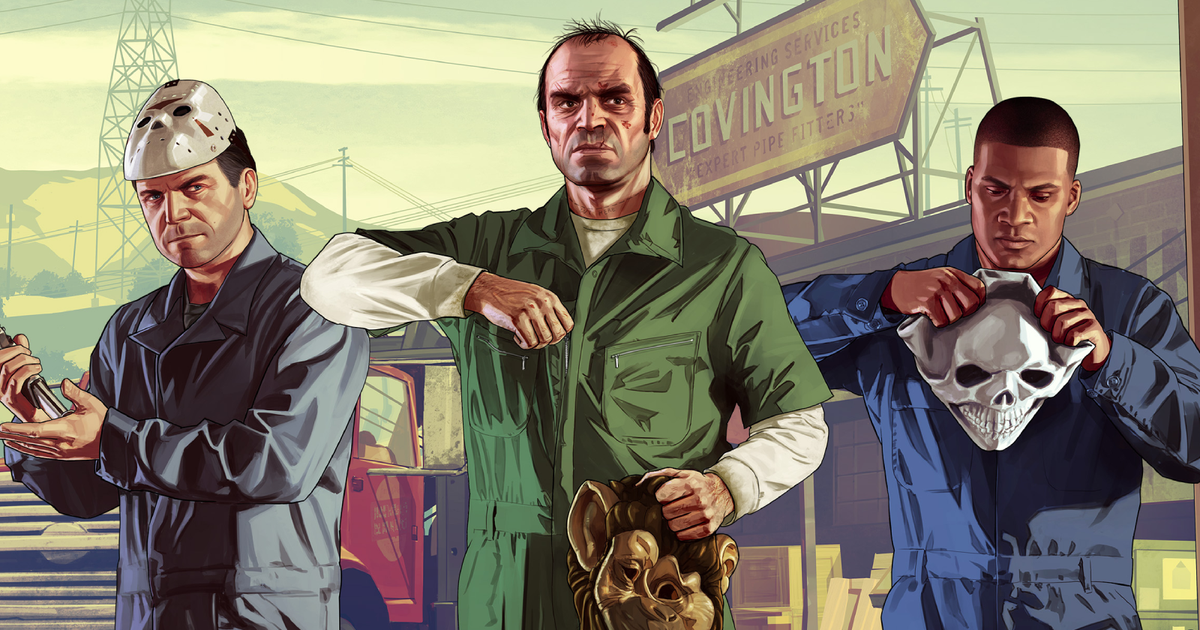
According to the leaked files and previous testimonies from former Rockstar employees, "Agent Trevor" would have seen the character recruited by federal agencies for high-stakes, James Bond-style espionage missions. Steven Ogg himself recently confirmed that he had recorded dialogue and performed motion capture for this specific project. The expansion was reportedly designed to feature over-the-top gadgets, undercover operations, and a tone that deviated from the main game’s gritty crime drama into more satirical, high-octane action.
The primary reason for the cancellation of these projects appears to be the meteoric and unexpected success of Grand Theft Auto Online. Joseph Rubino, a former senior camera artist and digital cinematographer at Rockstar, has stated that the studio’s resources were heavily diverted to support the online component once it became a "cash cow." In 2014 and 2015, Rockstar Games faced a pivotal business decision: invest in standalone single-player content that offered a one-time purchase value, or double down on a live-service model that was generating billions of dollars in recurring revenue through Shark Card microtransactions. The studio ultimately chose the latter, leading to the indefinite shelving of all single-player narrative expansions.
Insights into Grand Theft Auto VI Development
Beyond the retrospective look at GTA 5, the leak contains early developmental breadcrumbs related to Grand Theft Auto VI, currently slated for a 2025 release. These files include rough map wireframes, technical scripts, and references to "Project Americas," the long-rumored internal codename for the next entry in the series.
The data suggests that Rockstar has been iterating on the geography of Vice City (the fictionalized Miami) for several years, with the leaked files showing early iterations of terrain and environmental assets. While much of this information is outdated—likely predating the massive September 2022 leak that showed actual gameplay footage—it provides a structural timeline of how the studio transitioned its RAGE (Rockstar Advanced Game Engine) technology to accommodate the vastly increased scale and graphical fidelity expected for the next generation of hardware.
A Chronology of Rockstar Games Security Breaches
The current leak is the latest in a series of security failures that have plagued Rockstar Games over the last three years. The timeline of these events illustrates an ongoing struggle between the developer and hackers:
- September 2022: A massive breach resulted in over 90 videos of early GTA 6 gameplay being posted to the GTAForums. This was arguably the biggest leak in gaming history, confirming the dual-protagonist system and the return to Vice City.
- December 2023: Shortly before the official reveal of the GTA 6 trailer, the video was leaked online ahead of schedule, forcing Rockstar to release the high-definition version early.
- Late 2023 – Early 2024: Various iterations of the GTA 5 source code began circulating in private groups before the current 192GB repository was made more widely accessible to the public.
These breaches have raised significant concerns regarding the security of proprietary intellectual property. For a studio as secretive as Rockstar, the exposure of source code is a worst-case scenario, as it allows bad actors to identify vulnerabilities in the current GTA Online architecture and potentially reverse-engineer core technologies.

Industry Implications and Financial Context
The pivot from single-player DLC to live-service updates is a trend that has defined the last decade of the video game industry, and Rockstar Games is the primary case study for this shift. According to financial reports from Take-Two Interactive (Rockstar’s parent company), Grand Theft Auto V has sold over 190 million copies as of late 2023. However, the true financial engine has been GTA Online, which has consistently generated hundreds of millions of dollars in net bookings per quarter.
From a business perspective, the decision to scrap the Liberty City and Agent Trevor expansions was mathematically sound, even if it alienated a portion of the core fanbase. The development cost of a full-scale map expansion is comparable to producing a new game, whereas the ROI (Return on Investment) for online content updates—such as new vehicles, clothes, and heist missions—is significantly higher due to lower production overhead and continuous player engagement.
Official Responses and Security Measures
Rockstar Games has historically maintained a policy of minimal public comment regarding leaks, though they have taken aggressive legal action behind the scenes. Following the 2022 breach, the studio issued a statement expressing "extreme disappointment" but assured fans that the development of GTA 6 would continue as planned.
In response to the source code leaks, Rockstar and Take-Two have been active in issuing DMCA takedown notices across social media platforms and hosting sites. Law enforcement agencies, including the FBI and the UK’s City of London Police, have previously been involved in investigating the individuals responsible for these intrusions, leading to the arrest and conviction of a teenager associated with the hacking group Lapsus$.
Conclusion: The Legacy of a Canned Expansion
The revelation of the 200GB leak serves as a "what if" moment for the gaming community. The prospect of a modern-day Liberty City integrated into the GTA 5 ecosystem represents a missed opportunity for a definitive "World of Grand Theft Auto" experience. However, the data also highlights the sheer ambition of Rockstar Games and the logistical complexities of managing a global phenomenon.
As the industry looks toward the release of Grand Theft Auto VI in 2025, these leaks provide a somber reminder of the vulnerabilities inherent in modern game development. While the discovery of cut content offers a fascinating historical record for fans, it also underscores the immense pressure on developers to protect their work in an era of unprecedented digital transparency and cyber-warfare. For now, the "Agent Trevor" and Liberty City expansions remain digital ghosts—remnants of a different era of Rockstar Games, preserved only in the code that was never meant to be seen.