Galang Taruna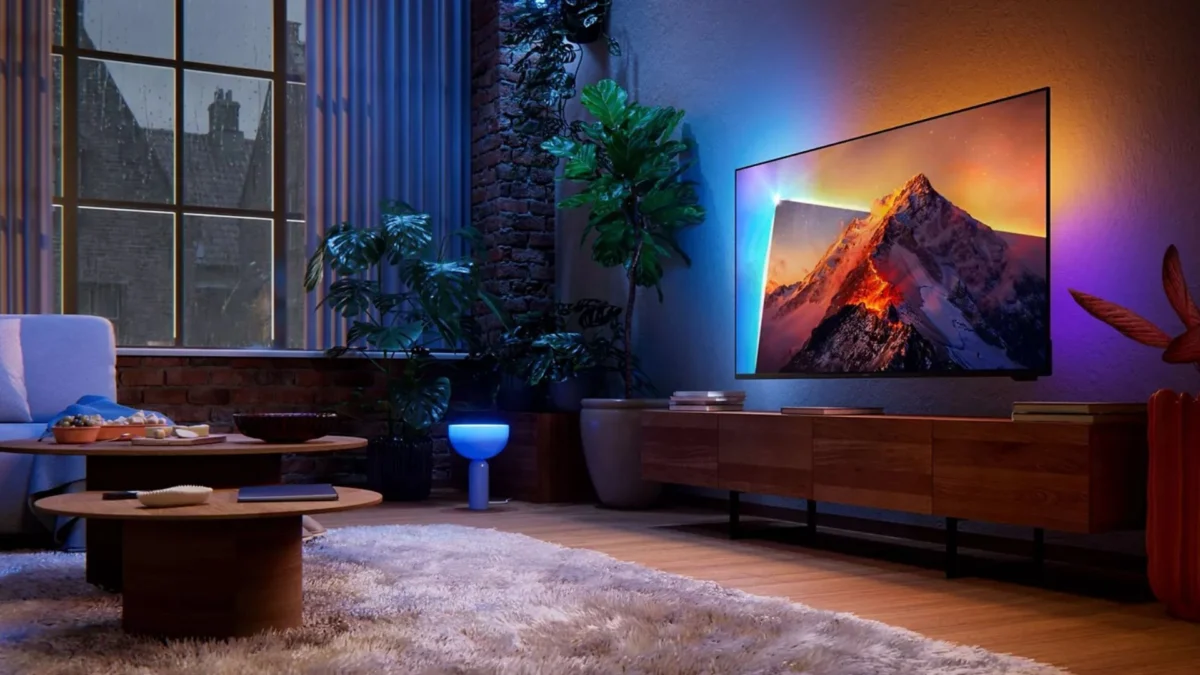
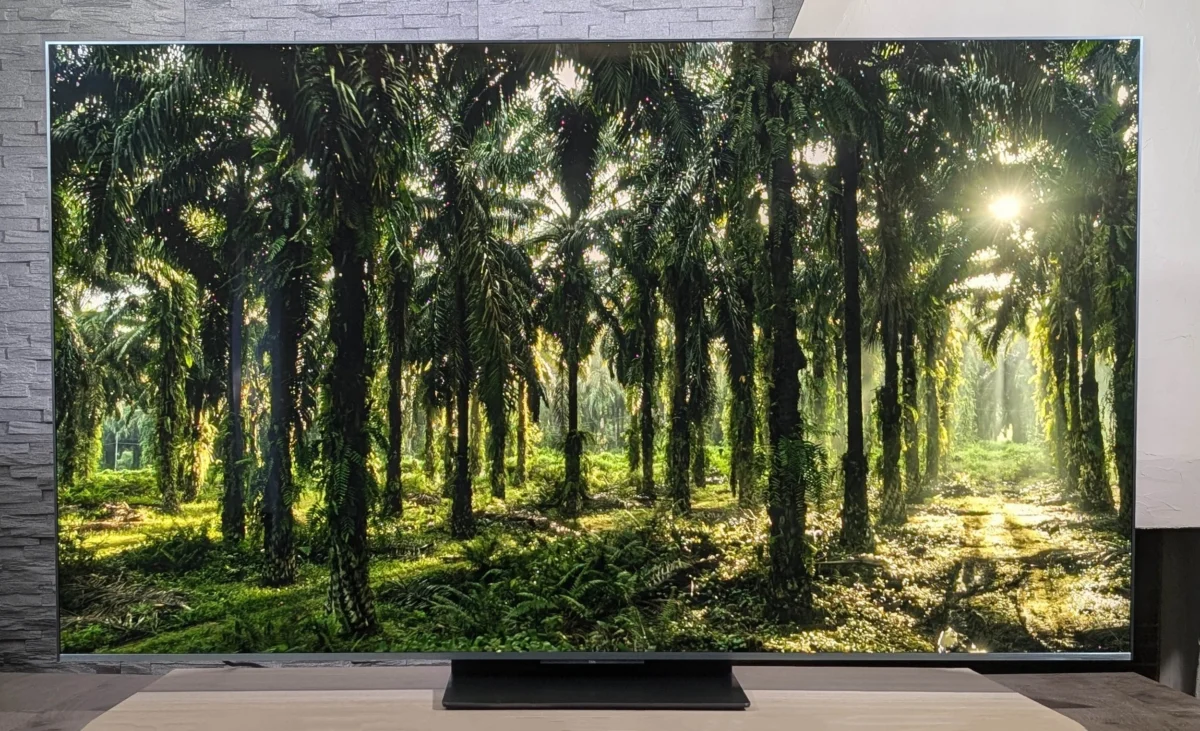
This strategic price adjustment positions the Philips 65PQS8631, initially listed at €799, as a highly competitive option in the burgeoning large-screen television market, particularly for those unwilling to exceed the €1,000 threshold. Offered through Boulanger, the €100 reduction underscores a broader market trend towards making advanced display technologies more accessible to a wider consumer base. The 65PQS8631 distinguishes itself with a vibrant 65-inch QLED panel and Philips’ signature Ambilight technology, designed to significantly enhance viewing immersion by extending the on-screen action beyond the physical boundaries of the display.
Philips, through its brand licensee TP Vision, has historically been a significant innovator in the television sector, and its 2026 product lineup continues this tradition, featuring both cutting-edge OLED models and more budget-friendly QLED offerings. The 65PQS8631 falls into the latter category, aiming to deliver a premium visual experience without the prohibitive cost often associated with top-tier OLED panels. At its core, the television leverages a 65-inch QLED display, a technology that utilizes quantum dots to produce brighter images and a wider, more accurate color spectrum compared to conventional LED-backlit LCD screens. This quantum dot enhancement allows for superior color volume and peak brightness, critical for impactful HDR (High Dynamic Range) content playback, ensuring that movies, TV shows, and games appear more lifelike and dynamic.
Beyond its impressive display specifications, the Philips 65PQS8631 integrates the company’s proprietary smart TV interface, Titan OS. This operating system represents Philips’ strategic move to consolidate its smart TV experience, offering a streamlined and intuitive platform that prioritizes content accessibility and user convenience. Titan OS is designed to provide seamless navigation through a myriad of streaming services and applications, mirroring the functionality and breadth of content found on other leading smart TV platforms such like Google TV, WebOS, or Tizen. The inclusion of popular streaming giants such as Netflix, Prime Video, Disney+, and MyCanal directly addresses contemporary viewing habits, placing a vast library of entertainment at the user’s fingertips. Furthermore, the television’s compatibility with both Google Assistant and Amazon Alexa integrates it into existing smart home ecosystems, enabling hands-free control and enhancing the overall user experience through voice commands.
The hallmark feature, Ambilight, transforms the viewing environment by projecting colors from the screen onto the surrounding wall. In the 65PQS8631, this technology is implemented on three sides of the television, creating an optical illusion that visually expands the screen size and draws the viewer deeper into the content. The subtle, dynamic interplay of light and color behind the TV significantly reduces eye strain during prolonged viewing sessions and intensifies the emotional impact of scenes. Building on this foundational technology, Philips has introduced AmbiScape, an advanced iteration that extends the synchronized lighting beyond the television’s immediate vicinity. AmbiScape, integrated within Titan OS, can connect with compatible smart lighting systems, such as Philips Hue bulbs installed throughout the living space, to synchronize the entire room’s ambiance with the on-screen content. This innovation pushes the boundaries of immersive entertainment, blurring the lines between the digital world and the physical environment, and offering a unique selling proposition that differentiates Philips TVs in a crowded market.
From a technical standpoint, the QLED panel of the 65PQS8631 supports 4K Ultra HD resolution, delivering exceptional detail and clarity. It is also compatible with multiple HDR standards, including HDR10+, HDR10, and HLG, ensuring that users can experience content as intended by creators, with enhanced contrast and a broader range of colors. The integration of Dolby Atmos audio further elevates the cinematic experience, providing a three-dimensional soundstage that envelops the listener. While the built-in speakers offer a competent audio experience, the article judiciously recommends pairing the TV with an external soundbar to fully capitalize on the immersive potential of Dolby Atmos, a common practice for home theatre enthusiasts seeking unparalleled audio fidelity.
For the gaming community, the Philips 65PQS8631 offers a solid foundation, albeit with certain caveats. It supports key gaming features such as Variable Refresh Rate (VRR), which helps eliminate screen tearing and stuttering by synchronizing the display’s refresh rate with the console’s frame output. Auto Low Latency Mode (ALLM) is also present, automatically switching the TV to a low-latency mode when a gaming console is detected, thereby minimizing input lag for a more responsive gaming experience. However, prospective buyers should note that the native refresh rate is 60Hz, with processing capabilities extending up to 120Hz. More critically, the television’s three HDMI ports adhere to the HDMI 2.0 standard rather than the newer HDMI 2.1. This distinction is significant for owners of current-generation consoles like the PlayStation 5 or Xbox Series X, as HDMI 2.0 does not fully support advanced features such as 4K resolution at 120 frames per second (4K@120Hz) or enhanced Audio Return Channel (eARC) for uncompressed audio passthrough to sound systems. While the 65PQS8631 provides a comfortable and responsive gaming experience for most titles at 4K@60Hz, it will not unlock the absolute peak performance capabilities of these consoles, catering more to the casual or mainstream gamer rather than the hardcore enthusiast demanding the very latest specifications.
The strategic pricing of the Philips 65PQS8631 at €699 reflects Philips’ understanding of the competitive landscape and consumer demand for value. In a market where 65-inch televisions often command prices well over €1,000, this model presents a compelling proposition. It targets a segment of consumers who desire a large, high-quality display with advanced features like Ambilight and comprehensive smart TV capabilities, but without the financial commitment required for premium OLED panels. This aggressive pricing strategy allows Philips to capture market share by offering a blend of innovative features, robust performance, and an attractive price point. The timing of such a discount often aligns with sales events, inventory management, or a broader strategy to introduce new models by making previous iterations more accessible.
Looking at the broader context of Philips’ television strategy, the mention of a new series of OLED TVs in 2026 indicates a dual-pronged approach. Philips continues to innovate at the high end with OLED technology, renowned for its perfect blacks and infinite contrast, catering to videophiles and those seeking the ultimate picture quality. Simultaneously, its commitment to QLED models like the 65PQS8631 ensures that the brand remains competitive in the mid-range segment, offering technologies that deliver significant visual enhancements at a more attainable price. This balanced portfolio allows Philips to address various consumer needs and budgets, solidifying its position as a versatile player in the global television market.
The evolution of television technology has seen rapid advancements in display types, processing power, and smart features. QLED, as a refined iteration of LED-backlit LCDs, has emerged as a strong contender in the market, bridging the gap between traditional LCDs and the more expensive OLED technology. Its ability to deliver high brightness, vivid colors, and excellent longevity makes it a popular choice for well-lit environments and for consumers prioritizing overall picture vibrancy. Philips’ integration of Ambilight with QLED panels in models like the 65PQS8631 is a testament to the brand’s commitment to enhancing the viewing experience beyond mere panel specifications. This synergy creates a unique value proposition, distinguishing Philips TVs from competitors who often rely solely on display technology.
In conclusion, the Philips 65PQS8631, now available at €699, represents a significant opportunity for consumers to acquire a feature-rich, large-screen QLED television. Its combination of a 65-inch 4K QLED panel, the unique immersive Ambilight technology (including the advanced AmbiScape feature), the user-friendly Titan OS, and robust smart connectivity, all at an accessible price point, makes it a highly attractive option. While its gaming specifications, particularly the HDMI 2.0 ports and 60Hz native refresh rate, may not satisfy the most demanding next-generation console players, it provides an excellent experience for the vast majority of users. This move by Philips, facilitated through retailers like Boulanger, reinforces the ongoing trend of democratizing advanced home entertainment technologies, making immersive viewing experiences more widely available to a diverse consumer base. For those prioritizing a large, vibrant display with unique atmospheric enhancements and smart capabilities without breaking the bank, the 65PQS8631 stands out as a compelling choice in the current market.