Sisilia Frederika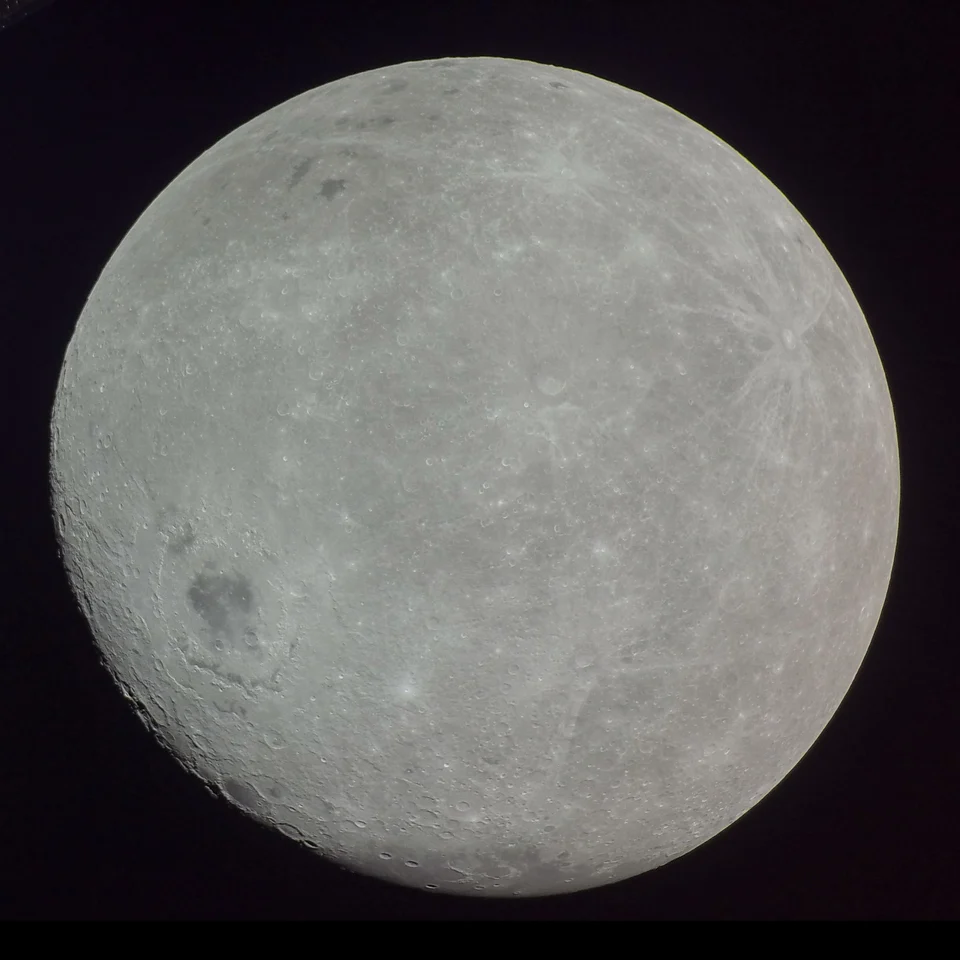
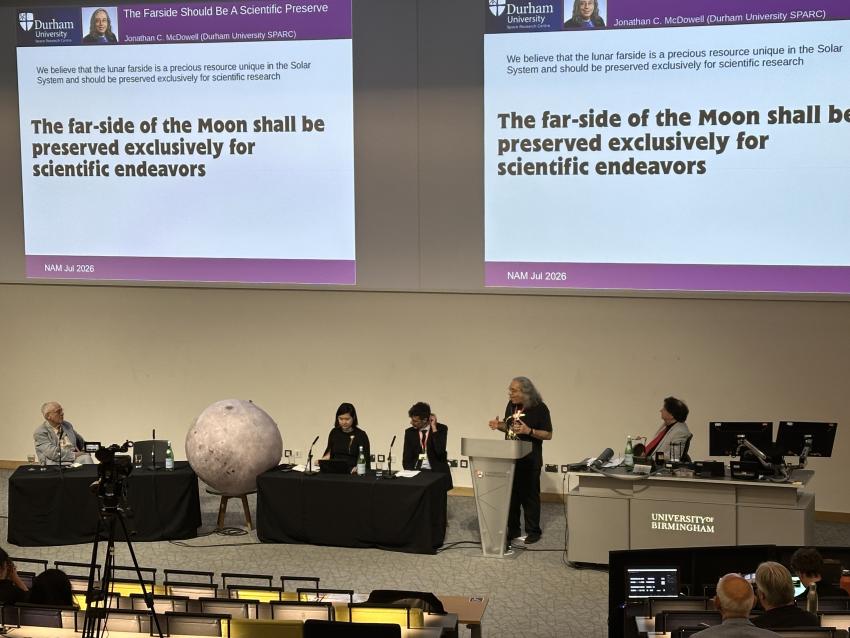
The rapid acceleration of lunar exploration initiatives has catalyzed a profound international dialogue regarding the preservation of the Moon’s unique environment. As government agencies and private enterprises prepare for a new era of permanent lunar presence, the scientific community is raising urgent questions about the protection of specific regions for research purposes. This debate reached a critical juncture on July 21 during a conference hosted by the Royal Astronomical Society (RAS) in Birmingham, England. The proceedings centered on a pivotal question: should the lunar far side be legally shielded as a protected scientific environment, or should commercial activities be permitted to operate alongside research installations? Following a rigorous exchange between leading astrophysicists and policy experts, a significant 76 percent of the attendees voted in favor of prioritizing scientific preservation, highlighting a growing consensus that the Moon’s pristine state is a finite and fragile resource.
The Evolution of Planetary Protection Protocols
The concept of safeguarding celestial bodies is not a modern innovation but a discipline rooted in the early days of the Space Race. In the 1960s and 1970s, as NASA developed the Viking missions to Mars, the scientific community established the foundational principles of planetary protection. These protocols were designed with two primary objectives: to prevent "forward contamination"—the introduction of Earth-based microbes to other worlds which could compromise the search for indigenous life—and to mitigate the risk of "back contamination," or the accidental return of extraterrestrial organisms to Earth’s biosphere.
In subsequent decades, these concerns expanded as missions targeted the gas giants and their icy moons. NASA’s Galileo and Cassini missions were intentionally deorbited into the atmospheres of Jupiter and Saturn, respectively, to ensure that the spacecraft would never crash into and potentially contaminate moons like Europa or Enceladus, which are considered prime candidates for harboring life. However, the current debate regarding the Moon represents a shift in focus. While the Moon is generally considered a sterile body, the threat is no longer biological contamination alone, but the degradation of the physical and electromagnetic environment required for high-precision science.
The Unique Value of the Lunar Far Side
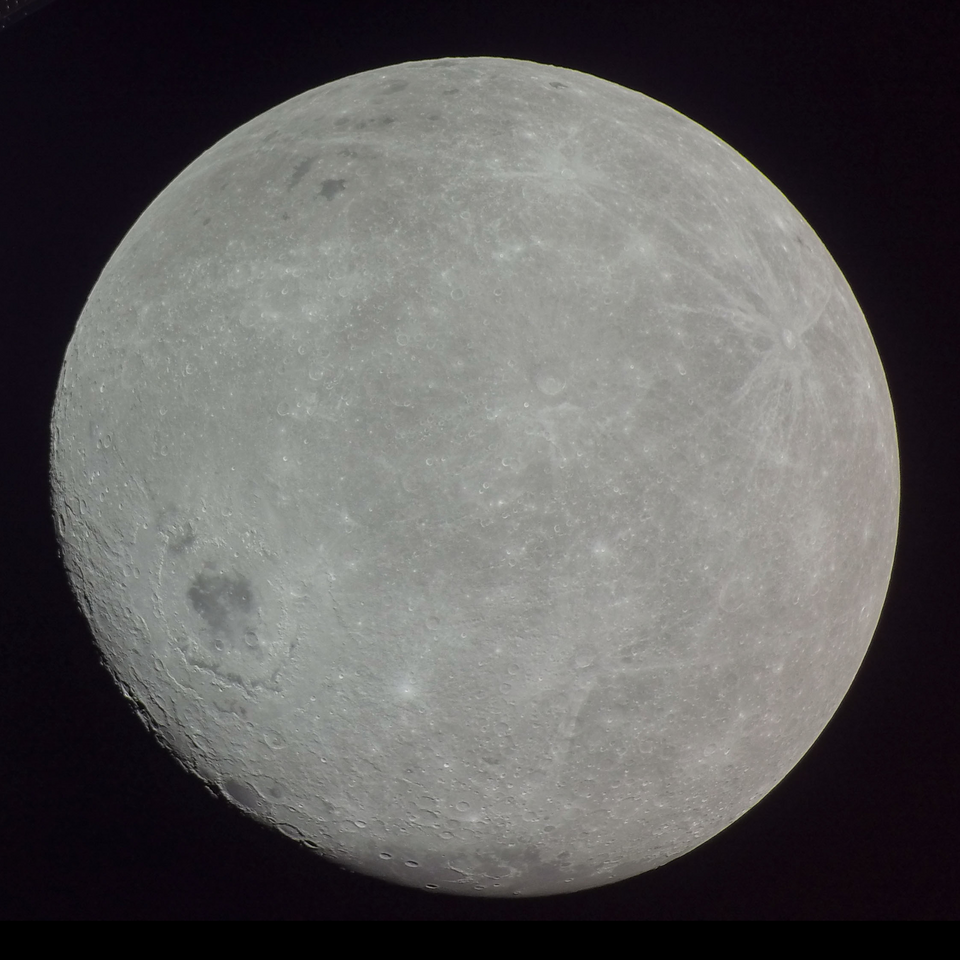
The lunar far side—the hemisphere that perpetually faces away from Earth—is widely regarded as the most radio-quiet location in the inner Solar System. Earth is an incredibly "noisy" planet; the atmosphere is saturated with radio frequency interference (RFI) from television broadcasts, cellular networks, GPS satellites, and radar systems. Furthermore, the Earth’s ionosphere acts as a barrier, reflecting low-frequency radio waves back into space and preventing ground-based telescopes from observing a significant portion of the electromagnetic spectrum.
Because the bulk of the Moon acts as a massive physical shield, the far side is the only place where astronomers can detect faint, low-frequency radio signals dating back to the "Dark Ages" of the universe—the period before the first stars and galaxies were formed. Dr. Jonathan McDowell of the Harvard-Smithsonian Center for Astrophysics and Professor Joe Silk of Johns Hopkins University argued during the RAS debate that the far side is an irreplaceable laboratory for cosmology. Observations from this region could provide the first empirical data on the 21-centimeter hydrogen line from the early universe, potentially answering fundamental questions about the nature of dark matter and the origins of cosmic structure.
Beyond radio astronomy, the far side offers a stable platform for optical telescopes and gravitational wave detectors. Unlike Earth, the Moon lacks a significant atmosphere, eliminating the "twinkling" effect caused by atmospheric turbulence that limits the resolution of ground-based optical observatories. The lunar night, which lasts approximately 14 Earth days, provides an environment of absolute darkness, free from the light pollution that is increasingly blinding terrestrial observatories due to the proliferation of satellite constellations like Starlink and OneWeb.
Chronology of Modern Lunar Governance and Competition
The urgency of the RAS debate is driven by a timeline of upcoming missions that threaten to change the lunar landscape irrevocably within the next decade. The 2020s have seen the commencement of NASA’s Artemis program, which aims to return humans to the lunar surface and establish a sustained presence via the Lunar Gateway station. Simultaneously, China’s Chang’e program has already successfully landed on the far side (Chang’e 4) and returned samples (Chang’e 6), signaling a shift from exploration to utilization.
In the private sector, companies such as Intuitive Machines and Astrobotic are already delivering payloads to the Moon under NASA’s Commercial Lunar Payload Services (CLPS) initiative. Meanwhile, several nations and private firms have expressed interest in "in-situ resource utilization" (ISRU), which involves mining lunar regolith for water ice to produce rocket fuel and extracting Helium-3 for potential nuclear fusion applications.
The chronology of these developments suggests that the "wild west" phase of lunar expansion is approaching. Professor Silk emphasized during the Birmingham debate that the window for establishing "science reserves" is closing. He noted that if communication satellites are placed in lunar orbit to support mining operations on the far side, they will create the same radio pollution that scientists are trying to escape on Earth.
Perspectives on Coexistence and Regulation
The debate featured a diverse panel including Dr. Nikita Chiu and Dr. Manual Salvoldi, who provided insights into the geopolitical and commercial complexities of lunar governance. Dr. Chiu argued that while preservation is essential, a total ban on commercial activity may be unrealistic and counterproductive. Instead, she proposed a framework where commercial and scientific activities could coexist through stringent international regulations and "zoning" laws.
This perspective aligns with the challenges facing the 1967 Outer Space Treaty, which declares that space is the "province of all mankind" and prohibits national appropriation of celestial bodies. However, the treaty remains vague on the specifics of resource extraction and environmental protection. The Artemis Accords, a non-binding set of principles led by the United States, attempt to establish "safety zones" to prevent interference between different actors, but critics argue these do not go far enough to protect the electromagnetic silence of the far side.
Dr. Manual Salvoldi highlighted the economic drivers of lunar exploration, noting that the infrastructure required for science—such as power grids and transportation—often overlaps with the needs of commercial industry. The challenge lies in ensuring that the pursuit of short-term economic gain does not permanently deafen the "ear" we have turned toward the deep universe.
Data and Technical Implications of Environmental Degradation
Supporting data presented during the conference illustrated the precariousness of the lunar environment. Currently, Earth-based radio telescopes are struggling to filter out noise from more than 6,000 active satellites in low Earth orbit. On the Moon, even a small number of lunar-orbiting relay satellites could increase the radio noise floor on the far side by several orders of magnitude.
Furthermore, the physical landing of spacecraft creates "plume effects," where exhaust gases and dust particles are kicked up and can travel vast distances in the low-gravity, vacuum environment. This dust can settle on sensitive telescope mirrors or interfere with delicate instruments. For gravitational wave detectors, which measure distortions in space-time smaller than the width of an atom, the seismic vibrations caused by mining equipment or heavy rover traffic could render the Moon’s "quiet" crust useless for precision physics.
Broader Implications for Solar System Exploration
The outcome of the Birmingham debate and the subsequent 76 percent vote in favor of preservation carry implications far beyond the Moon. Dr. Jonathan McDowell stressed that the decisions made regarding the lunar far side will set the precedent for how humanity treats the rest of the Solar System.
"Is the whole Solar System up for grabs?" McDowell asked the assembly. He warned that without a clear strategy for "nature reserves" and "science reserves," the future of space could mirror the environmental degradation seen on Earth. If the Moon is treated solely as an industrial hub or a "theme park," it paves the way for the unregulated exploitation of asteroids and the eventual industrialization of Mars.
The consensus among the RAS attendees suggests a desire for a "science-first" approach to lunar development. This would involve designating specific regions, particularly the cratered highlands of the far side, as internationally recognized "Radio Quiet Zones" where all electromagnetic emissions are strictly prohibited.
Conclusion and Future Outlook
As the international community moves toward a permanent presence on the Moon, the tension between scientific discovery and commercial exploitation remains the central conflict of 21st-century space policy. The Royal Astronomical Society debate served as a critical reminder that the value of the Moon is not merely in the minerals that can be extracted from its soil, but in the silence and darkness it provides to the observers of the cosmos.
The call for immediate planning and "claiming territory" for observatories reflects a pragmatic understanding of history: once an environment is industrialized, it is rarely restored. For astronomers, the far side of the Moon represents the "ultimate science" frontier, offering a window into the birth of the universe that cannot be found anywhere else. The next few years of international treaty negotiations and mission planning will determine whether that window remains open for future generations or is obscured by the noise of human progress.