Clarissa Hana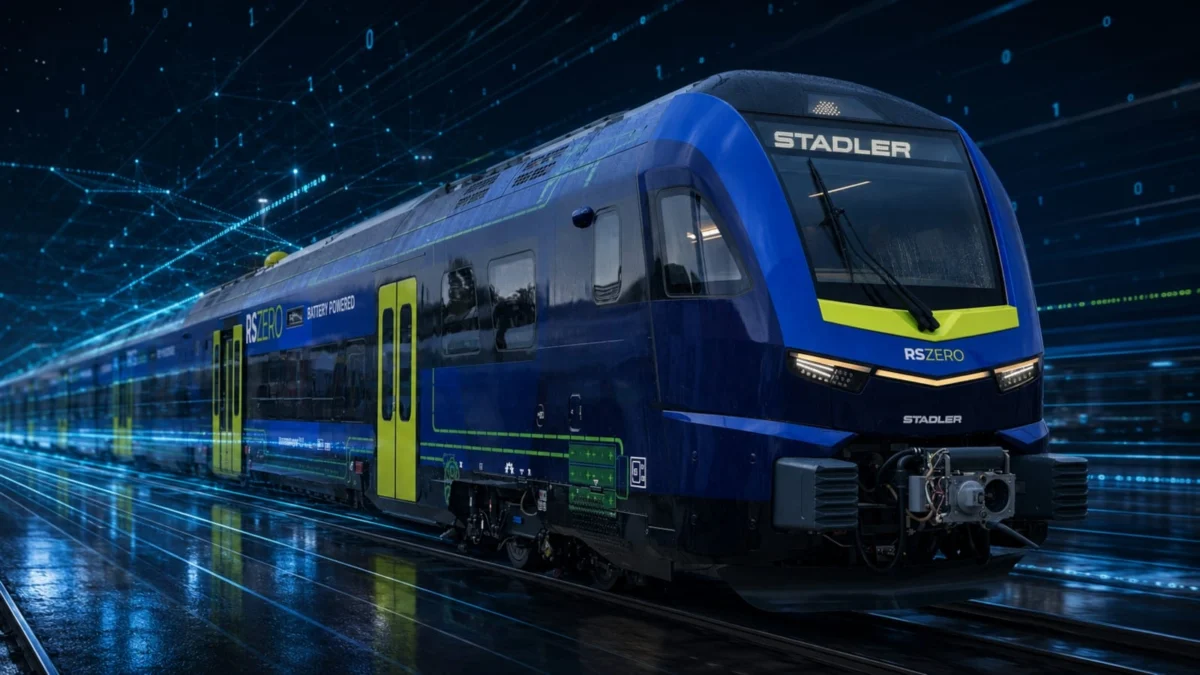
Swiss rail giant Stadler Rail has publicly declared its refusal to pay a ransom demand of approximately $12.3 million (10 million Swiss francs) from the Everest ransomware gang, following a cyberattack that compromised a data exchange platform shared with one of its suppliers. The company confirmed that it received an extortion letter from the threat actor, but has maintained a firm stance against engaging with cybercriminals, instead filing a criminal complaint with the Thurgau cantonal police. This incident highlights the persistent threat of ransomware attacks on critical infrastructure and industrial sectors, even as companies adopt robust cybersecurity measures.
Incident Overview and Initial Discovery
The cyberattack, which occurred in mid-July, targeted a data exchange platform used by Stadler Rail in collaboration with one of its suppliers. While the threat actor has not yet publicly claimed responsibility for the breach, Stadler Rail’s internal investigation and subsequent communication with law enforcement indicate the involvement of the Everest ransomware group. The demand, communicated through an extortion letter, placed a significant financial burden on the company, but Stadler’s resolute stance underscores a growing trend among large organizations to prioritize integrity and long-term security over short-term appeasement of cybercriminals.
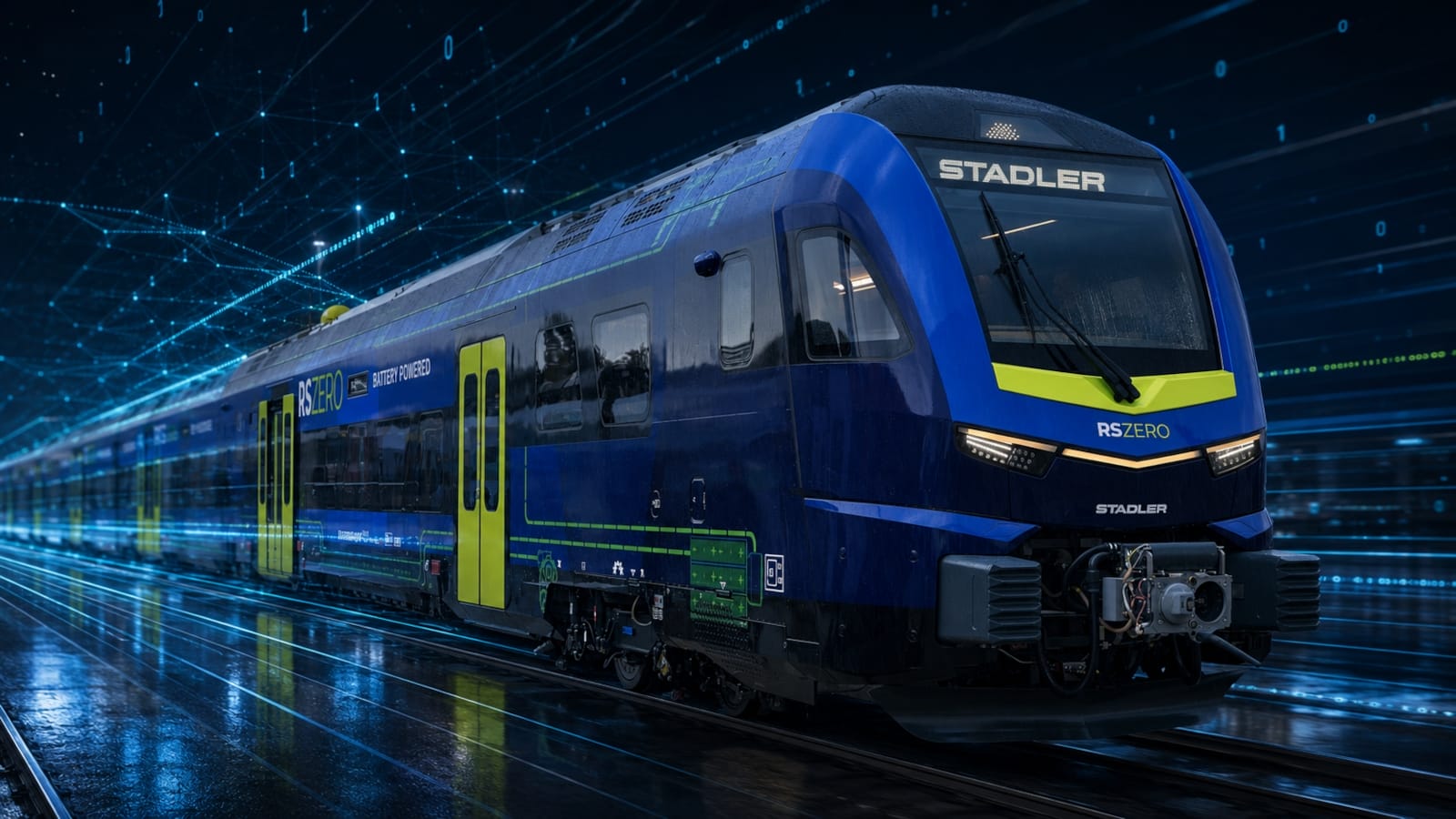
Stadler Rail, a globally recognized manufacturer of rolling stock, operates in a sector crucial for public transportation and logistics. The company’s extensive operations, which include the production of locomotives, trams, metro trains, passenger trains, and sophisticated railway signaling systems, make it a potential target for sophisticated cyber adversaries. With a workforce of 18,000 employees spread across eight production facilities and six engineering sites, and an annual revenue exceeding $4.9 billion, Stadler represents a significant entity within the international rail industry.
The company’s swift response and public disclosure demonstrate a commitment to transparency and proactive risk management. By immediately reporting the incident to the authorities and explicitly stating its non-payment policy, Stadler aims to mitigate potential reputational damage and signal to other threat actors that it will not be an easy target.
Chronology of the Incident
While the exact date of the initial breach is not precisely detailed, Stadler Rail confirmed that the incident occurred in mid-July. Following the discovery of the unauthorized access, the company initiated an internal investigation to ascertain the scope and impact of the breach.
Within days of discovery, Stadler Rail received an extortion letter from the Everest ransomware gang, demanding approximately 10 million Swiss francs ($12.3 million USD). This demand was based on the threat actors’ assertion of having exfiltrated data.
Subsequently, Stadler Rail made the decision not to pay the ransom. This decision was communicated internally and publicly.
Concurrently, the company filed a criminal complaint with the Thurgau cantonal police. This action signifies the formal engagement of law enforcement in investigating the cyberattack and pursuing any potential legal recourse against the perpetrators.
Stadler Rail then issued a public disclosure detailing the incident, its response, and the nature of the compromised data. This disclosure emphasized that neither its core IT systems nor its production operations were impacted.
The company’s public statement, released on its official media channels, clearly articulated its position: "Stadler will not pay any ransom under any circumstances and is therefore not susceptible to extortion."
Details of the Breach and Data Exfiltration
According to Stadler Rail’s official disclosure, the cyberattack did not originate from a direct intrusion into the company’s internal IT infrastructure. Instead, the breach occurred through a data exchange platform shared with one of its suppliers. This critical distinction suggests that the attackers likely gained access to the supplier’s systems first and then exploited the shared platform to access Stadler’s data.
The company has stated that the information stolen by the hackers from the supplier was technical in nature and not considered security-relevant. Furthermore, Stadler explicitly confirmed that "No relevant personal data was stolen." This assertion is crucial, as it aims to allay concerns about the compromise of sensitive employee, customer, or operational data that could have broader implications.
Crucially, Stadler Rail has also affirmed that its global rail vehicle operations remain unaffected by the data theft. This means that the integrity and functionality of the trains, trams, and other rail systems manufactured and supplied by Stadler to operators worldwide have not been compromised. Similarly, the company’s global production facilities continue to operate normally, indicating that the attack did not disrupt manufacturing processes.
The nature of the stolen data being "technical information" could refer to design blueprints, engineering specifications, or other operational details related to the supplier’s components or Stadler’s manufacturing processes. While not directly sensitive from a personal data perspective, such information, if fallen into the wrong hands, could potentially be exploited for industrial espionage or to identify vulnerabilities in future product designs. However, Stadler’s assessment that it is "not security relevant" suggests that the immediate risk associated with this specific data type is considered low by the company.
The Everest Ransomware Gang: Modus Operandi and History
The Everest ransomware gang is a threat actor that has evolved its tactics over time. Emerging in 2020, the group initially operated as a ransomware operation, focusing on encrypting victim data and demanding payment for decryption keys. However, like many contemporary cybercriminal groups, Everest has shifted its primary strategy towards data theft and extortion. This "double extortion" tactic involves not only encrypting data but also exfiltrating sensitive information, which the gang then threatens to leak publicly if a ransom is not paid. This approach increases the pressure on victims, as the potential for reputational damage and regulatory fines due to data leaks can be as significant as the cost of operational disruption from encryption.
Beyond its direct extortion activities, the Everest gang has also been known to act as an initial access broker (IAB). In this capacity, they leverage their capabilities to breach networks and then sell access to these compromised systems to other threat actors, including other ransomware groups. This makes them a foundational element in the broader cybercriminal ecosystem.
Furthermore, there have been instances where the Everest group has acquired data stolen by other threat actors and then used this stolen information to conduct their own extortion campaigns. This demonstrates a degree of opportunism and adaptability within their operations, allowing them to capitalize on breaches orchestrated by others.
The Everest ransomware gang has faced operational challenges, including the defacement of its original dark web leak site in April 2025. The site was targeted with a message from Prague stating, "Don’t do crime CRIME IS BAD xoxo from Prague." This event suggests potential disruption to their infrastructure or a successful counter-operation by security researchers or law enforcement. Despite this setback, the group appears to be operating a new domain, indicating their continued persistence. As of the reporting of this incident, Stadler Rail has not yet been listed on the gang’s extortion site, which could mean the group is still in the process of verifying the data or preparing their public shaming campaign.
Stadler Rail’s Previous Cybersecurity Encounters
This is not the first time Stadler Rail has been targeted by cybercriminals. In 2020, the company experienced a significant cybersecurity incident. During that event, an unidentified hacking group infiltrated its IT systems, deployed malware, and successfully exfiltrated data from compromised devices. At the time, the incident bore the hallmarks of a ransomware attack, although Stadler did not publicly confirm it as such. This prior experience likely informed their current robust response and their clear policy against paying ransoms, suggesting a learned lesson in resilience and incident response. The 2020 incident would have prompted Stadler to review and enhance its security posture, which may have contributed to the limited impact of the current attack on its core operations.

Broader Implications and Industry Context
The incident involving Stadler Rail underscores a critical trend in the cybersecurity landscape: the increasing sophistication and targeting of industrial and critical infrastructure sectors by ransomware gangs. These sectors are often attractive targets due to the potential for significant disruption, which can translate into higher ransom demands.
Impact on Supply Chains: The fact that the breach originated through a supplier’s data exchange platform highlights the vulnerability of complex supply chains. Organizations must not only secure their own networks but also ensure that their partners and suppliers adhere to stringent security standards. The compromise of one entity can easily cascade and impact its clients and collaborators. This incident serves as a stark reminder for companies to conduct thorough due diligence on the cybersecurity practices of their third-party vendors and to implement robust contractual clauses regarding data security.
Resilience of Critical Infrastructure: Stadler Rail’s ability to continue its global operations and production without interruption is a testament to its investment in business continuity and disaster recovery planning. In an era where cyberattacks can cripple essential services, such resilience is paramount. The company’s statement that its rail vehicles are unaffected is particularly important, given the role of rail transport in global logistics and public transportation. Any compromise of operational technology (OT) in this sector could have severe consequences.
The "No Ransom" Stance: Stadler’s firm commitment to not paying ransoms aligns with recommendations from cybersecurity experts and law enforcement agencies. Paying ransoms not only funds criminal enterprises but also incentivizes further attacks. While challenging, a principled refusal can, over the long term, contribute to a less favorable environment for ransomware actors. However, this stance requires strong internal cybersecurity defenses and the ability to withstand potential data leaks and public pressure.
Evolving Threat Landscape: The shift of groups like Everest from pure encryption to data exfiltration and extortion reflects the evolving tactics of cybercriminals. They are constantly seeking new leverage points to maximize their financial gains. This necessitates a proactive and adaptive approach to cybersecurity, focusing on threat intelligence, robust detection and response capabilities, and comprehensive data protection strategies.
Regulatory Scrutiny: Incidents involving data breaches, even of non-personal information, can attract regulatory attention, particularly in regions with strict data protection laws like GDPR. While Stadler has stated no personal data was stolen, the nature of the technical data and its potential implications could still be subject to inquiry.
The Role of Law Enforcement: Stadler’s immediate filing of a criminal complaint is a crucial step in combating cybercrime. Collaboration between private sector entities and law enforcement agencies is vital for intelligence sharing, investigation, and eventual prosecution of cybercriminals.
In conclusion, the Stadler Rail incident is a significant event in the ongoing battle against cyber threats. It underscores the interconnectedness of global businesses, the evolving tactics of ransomware gangs, and the critical importance of robust cybersecurity practices, transparent communication, and unwavering resilience in the face of adversity. The company’s strong stance against paying ransoms, coupled with its ability to maintain operational continuity, offers valuable lessons for other organizations operating in critical sectors.