Metty Iskandar
Android Auto is poised for a significant transformation in the coming months, signaling a new era for in-car infotainment systems. With planned enhancements including more fluid design elements, the integration of Material You’s dynamic theming, expanded widget support, and the long-awaited introduction of video playback capabilities, Google is clearly aiming to bridge the visual and functional gap with its primary competitor, Apple CarPlay. While an exact rollout date remains unconfirmed, the company’s recent hardware launch cadence suggests a renewed focus on software advancements. Evidence of this imminent overhaul is already emerging, with the discovery of a new, subtly redesigned icon for Android Auto, appearing in version 17.6.663424 of the application.
A Shift in Color and Design Philosophy
The most striking change in the updated Android Auto icon is its dominant color. The familiar blue hue has been replaced by a vibrant shade of green, strongly reminiscent of the iconic Android "bugdroid." This color choice is not merely aesthetic; it could subtly allude to Google’s growing emphasis on sustainability and the increasing prevalence of electric and eco-friendly vehicles, aligning with broader industry trends. Beyond the color shift, the icon exhibits a refined design. The once sharp edges have been softened, with rounder corners now characterizing the upward-pointing arrow, which itself resembles a stylized paper airplane. While the use of shadows remains consistent, there is a noticeable increase in padding between the green and white elements of the logo, contributing to a cleaner and more distinct visual identity.
Interestingly, Google’s decision to adopt solid colors for this updated icon contrasts with its recent design direction in some other applications, which have embraced gradients and more complex visual effects in line with its push for the Material You design language. This might indicate a specific design strategy for Android Auto, prioritizing clarity and immediate recognition within the often visually dynamic environment of a car’s dashboard. The new icon is expected to become widely available as the updated version of Android Auto rolls out to users, though its current limited appearance suggests a phased deployment.
The Road to a Revamped Android Auto: A Timeline of Anticipation
The groundwork for this significant Android Auto update has been laid over several months, with various features and design principles being teased and tested. Google’s vision for a more modern and capable Android Auto was first articulated with the announcement of a comprehensive redesign at Google I/O 2023. This event served as a crucial inflection point, where the company showcased a suite of upcoming features designed to enhance the user experience and bring Android Auto closer to parity with, and in some areas surpass, its rivals.
Key Milestones and Anticipated Features:
- Material You Integration: A core component of the upcoming overhaul is the deep integration of Material You’s dynamic theming capabilities. This will allow Android Auto to adapt its color palette and UI elements based on the user’s phone theme and even the car’s interior lighting, creating a more personalized and cohesive experience. This adaptive design approach aims to reduce visual fatigue and improve usability, especially during nighttime driving.
- Widget Support: The introduction of widgets marks a significant functional leap for Android Auto. Users will be able to place customizable widgets directly on their home screen, providing quick access to frequently used apps and information such as weather updates, calendar events, music controls, and navigation shortcuts. This feature promises to streamline interactions and reduce the need to navigate through multiple menus.
- Video Playback: Perhaps the most highly anticipated feature is the ability to play video content within Android Auto. While details are still emerging, this capability could open up possibilities for entertainment during stationary periods, such as while charging or waiting. The implications for passenger entertainment and potential commercial applications are substantial.
- Enhanced Navigation and Communication: Beyond visual and functional upgrades, Google has been working on improving the core functionalities of Android Auto. This includes more intuitive navigation experiences, potentially leveraging AI-driven insights, and more seamless integration with communication apps, allowing for easier message management and hands-free calling.
The discovery of the new icon in version 17.6.663424 of Android Auto suggests that the development and testing phases are progressing well. While the exact timeline for the full public release remains elusive, the current pace of development, coupled with the visual cues like the new icon, indicates that users can expect these transformative changes to arrive in the near future. Industry analysts have noted that Google’s strategic timing often aligns with new hardware cycles or major software updates for its Android ecosystem, further fueling anticipation for a widespread rollout in late 2024 or early 2025.
Data-Driven Insights and User Adoption Trends
The evolution of Android Auto is not occurring in a vacuum. It is shaped by user behavior, technological advancements, and the competitive landscape of the automotive technology sector. Data from industry reports consistently highlight the growing importance of in-car connectivity and the increasing demand for seamless smartphone integration.
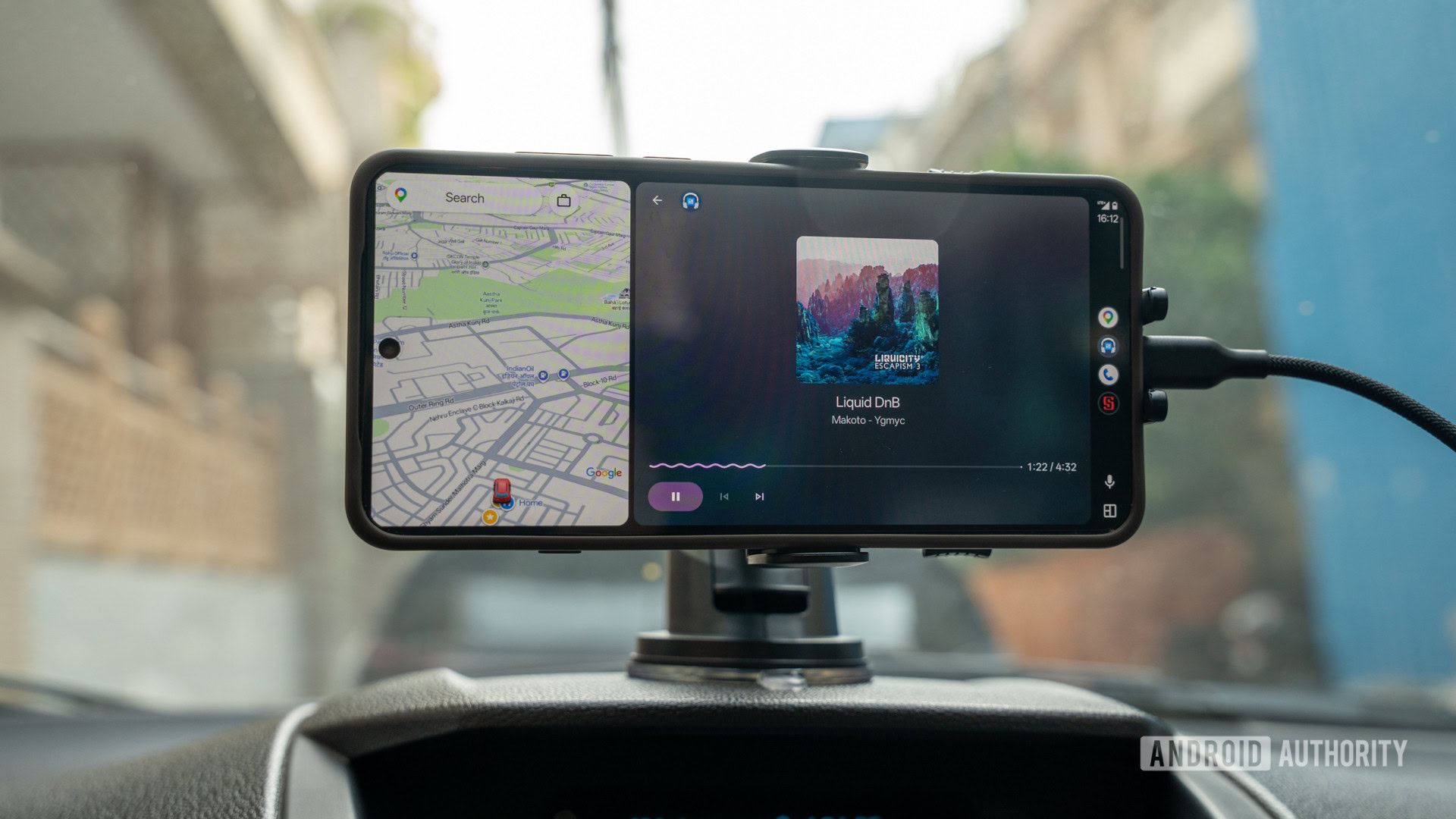
According to a recent report by Statista, the global automotive infotainment market is projected to reach over $50 billion by 2027, with smartphone integration platforms like Android Auto and Apple CarPlay being key drivers of this growth. User adoption rates for Android Auto have steadily increased, particularly in markets where Android smartphone penetration is high. This growing user base necessitates continuous innovation and improvement to maintain user satisfaction and loyalty.
The introduction of features like Material You theming, widget support, and video playback directly addresses common user pain points and desires. For instance, a survey conducted by Consumer Reports found that a significant percentage of drivers express frustration with the complexity of in-car interfaces and a desire for more personalized control over their infotainment systems. The upcoming Android Auto update appears to directly respond to these concerns.
Furthermore, the competitive pressure from Apple CarPlay, which has often been lauded for its polished user interface and intuitive design, has undoubtedly spurred Google to invest heavily in the visual and functional refinement of Android Auto. The ongoing "platform wars" in the automotive sector are characterized by a continuous cycle of feature development and refinement, with both Google and Apple striving to offer the most compelling in-car digital experience. The success of the upcoming Android Auto overhaul will likely be measured not only by the number of new features but also by their seamless integration and their ability to enhance the overall driving experience for a diverse range of users.
Expert Analysis and Potential Implications
The strategic shift towards a more visually appealing and functionally robust Android Auto carries significant implications for consumers, automakers, and the broader technology ecosystem. From a consumer perspective, these upgrades promise a more personalized, intuitive, and engaging in-car experience. The ability to customize the interface with widgets and dynamic theming will empower drivers and passengers to tailor their infotainment system to their specific needs and preferences, potentially leading to increased satisfaction and reduced distraction.
For automakers, the enhanced capabilities of Android Auto present an opportunity to differentiate their vehicle offerings. By seamlessly integrating these advanced features into their vehicle’s infotainment systems, manufacturers can provide a more compelling user experience, attract a wider range of buyers, and potentially reduce the need for developing proprietary, complex in-car software. This collaborative approach, where Google provides the core platform and automakers integrate it with their hardware and branding, has proven successful in the past and is likely to continue.
The introduction of video playback, in particular, could redefine in-car entertainment. While safety concerns will undoubtedly remain paramount, the ability to stream content during stationary periods could transform long commutes or waiting times into more enjoyable experiences for passengers. This opens up new avenues for content providers and streaming services to reach consumers in a new environment.
However, the successful implementation of these changes hinges on several factors. The reliability and stability of the new features will be critical. Any glitches or performance issues could detract from the intended benefits and lead to user frustration. Additionally, ensuring compatibility across a wide range of vehicles and smartphone models will be a significant undertaking for Google. The company’s ability to manage this complex ecosystem effectively will be a key determinant of the update’s overall success. The new green icon, while a small change, serves as a tangible symbol of this larger, ambitious push to modernize and elevate the Android Auto experience, signaling a clear intent to capture a larger share of the evolving automotive technology market.