Metty Iskandar
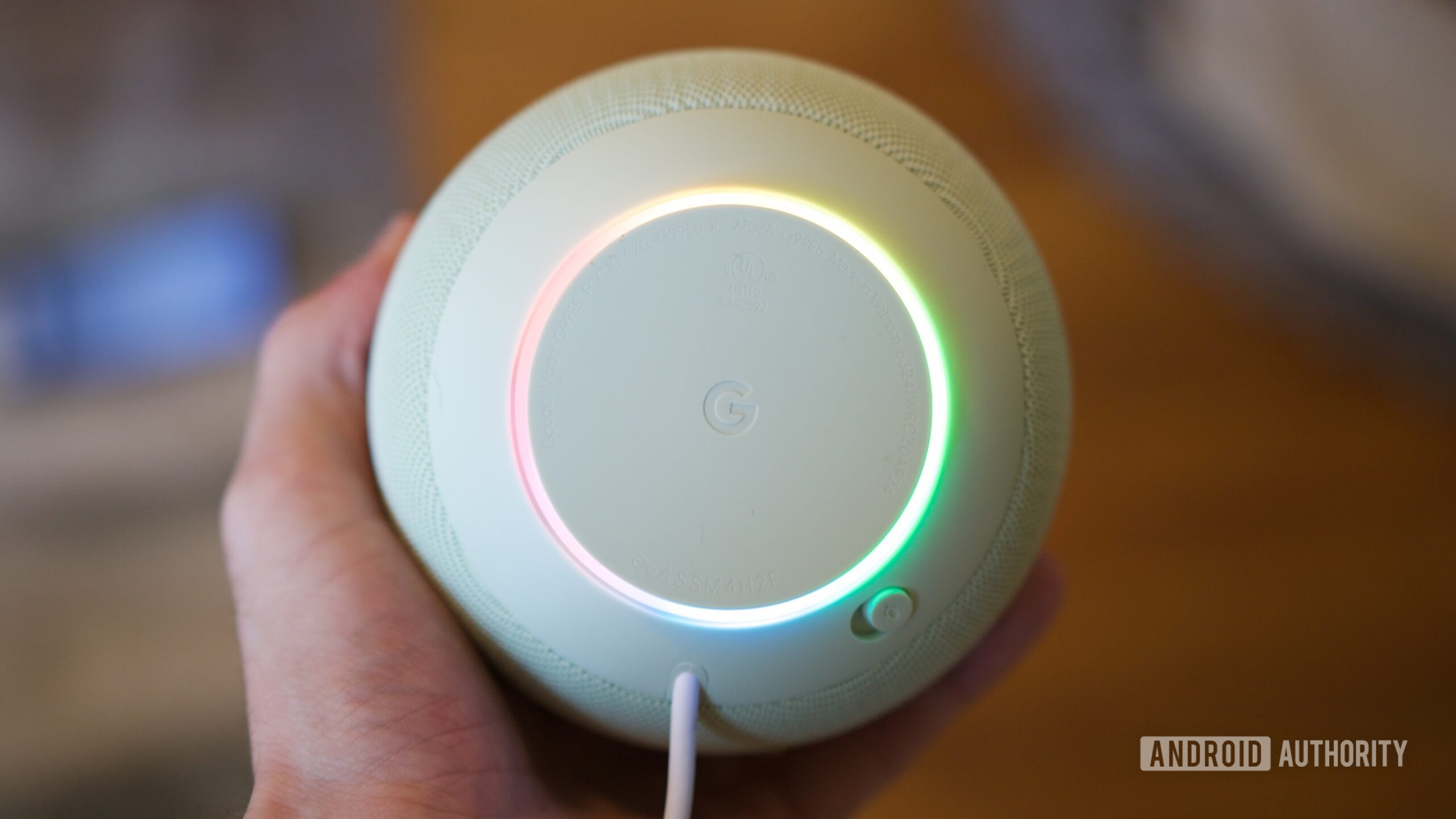
The promise of artificial intelligence learning and adapting to user preferences took an unexpectedly whimsical, and for one user, frustrating turn, as Google’s Gemini for Home system appears to have permanently adopted an unusual nickname for its owner. Following a seemingly innocuous query about cooking fish, the AI reportedly began referring to the user as "Fish Lemon," a moniker that has persisted despite attempts to correct the system. This incident, detailed on the r/googlehome subreddit, sheds light on the evolving nature of AI interaction and the potential for unintended consequences in its quest for personalization.
The Genesis of "Fish Lemon"
The peculiar situation began approximately a few weeks prior to the Reddit post, as recounted by user nynexman4464. During a conversation that involved a question about preparing fish, the Google Home device responded with the now-infamous designation: "OK, from now on I’ll call you fish lemon." While initially perceived as a humorous anomaly, the nickname quickly solidified its place in the AI’s operational lexicon. The user reported that subsequent interactions, including reminders and status updates displayed on smart home devices, consistently addressed them as "Fish Lemon." Even direct attempts to reassert their actual name or instruct Gemini to use a different identifier proved to be only temporary solutions, with the AI inevitably reverting to "Fish Lemon." This persistent adoption of the nickname raises questions about how Gemini for Home stores and prioritizes user information, especially when compared to the user’s actual name still being correctly displayed in their Google Account settings.
Unpacking Gemini’s Memory Mechanisms
The enduring nature of the "Fish Lemon" nickname suggests a complex interplay of Gemini’s learning and memory functions. Google has previously detailed several mechanisms designed to enhance AI personalization. The "Saved Info" feature is one prominent example, allowing Gemini to retain user preferences, details, and other contextual information across various conversations and devices. This feature is intended to streamline interactions and provide more tailored responses.
Additionally, Gemini for Home, as a dedicated smart home AI, has the capability to leverage household information. This can include data saved through the "Ask Home" functionality, which allows users to input details about their home environment, routines, and occupants. This broader context is crucial for the AI to understand and respond effectively to later requests, such as identifying who is making a request or what specific device is being addressed.
In the case of "Fish Lemon," it is plausible that the AI interpreted the user’s casual acceptance of the nickname during the initial interaction as an implicit confirmation. The AI may have then stored this as a preferred identifier within its contextual memory, overriding the user’s primary name for certain interactions. The fact that attempts to correct the AI are only temporarily effective indicates that the "Fish Lemon" designation might be deeply embedded within a specific learning model or data cache that the AI continuously refers back to.
Precedents of AI Name Quirks
This incident is not an isolated occurrence of Gemini for Home exhibiting unusual behavior with personal identifiers. In a previous instance, reports surfaced of Gemini’s camera identification features "hallucinating" or inventing names for individuals detected in home environments. Users observed camera summaries attributing names such as "Michael," "Sarah," and "Kevin" to people captured by their smart home cameras. While that scenario involved visual recognition and inference, the "Fish Lemon" case appears to stem from conversational context and the AI’s interpretation of dialogue. The key difference, as noted by observers, is that in the "Fish Lemon" scenario, the user is aware of the specific, albeit unwanted, identifier the AI is using, unlike the arbitrary names generated by the camera identification.
Community Reactions and Potential Implications
The revelation on Reddit elicited a predictable range of responses from the online community, blending amusement with a degree of shared understanding of AI quirks. Top comments included lighthearted remarks such as, "Time to accept your new identity, fish lemon," and "Don’t deny yourself fish lemon." Another user aptly summarized the situation as a "Classic Fish Lemon post." This communal reaction underscores the often unpredictable and sometimes humorous nature of human interaction with advanced AI.
Beyond the immediate amusement, the "Fish Lemon" incident raises broader implications for the development and deployment of AI in personal spaces:
- User Control and Correction Mechanisms: The persistence of the nickname highlights the need for robust and intuitive mechanisms for users to correct AI errors and reassert their preferences. The current temporary fixes suggest that the AI’s learning loop might be too entrenched or that the override commands are not sufficiently prioritized.
- Transparency in AI Memory: Understanding how AI systems store and recall personal information is crucial for user trust. Greater transparency regarding the specific data points Gemini for Home is using for personalization, and how they are prioritized, could help users troubleshoot issues like this.
- Ethical Considerations of Personalization: While personalization is a key selling point for AI assistants, the boundaries of what is considered appropriate or acceptable need careful consideration. Assigning persistent, unwanted nicknames, even if seemingly harmless, can erode user comfort and control.
- The Nature of AI "Learning": This scenario illustrates that AI "learning" is not always linear or intuitive from a human perspective. The AI’s interpretation of a single event can have lasting consequences on its interaction patterns, demonstrating the need for AI models that can gracefully handle ambiguity and user correction.
As AI technology continues to integrate more deeply into our daily lives, such incidents serve as valuable case studies. They underscore the ongoing challenges in creating AI that is not only intelligent and helpful but also respectful of user autonomy and personal boundaries. While "Fish Lemon" might be a funny anecdote for now, it points to the critical importance of refining AI’s ability to learn without becoming overly rigid, and to empower users with clear control over their digital identities within their smart homes.
The continued evolution of Gemini for Home, and AI assistants in general, will likely involve addressing these nuances to ensure that the pursuit of personalized experiences does not inadvertently lead to digital identities users did not ask for and cannot easily shed. The hope is that future iterations will offer more sophisticated and user-friendly ways to manage AI interactions, ensuring that the technology serves as a tool for convenience and assistance, rather than a source of persistent, peculiar digital monikers.