Garick Elordi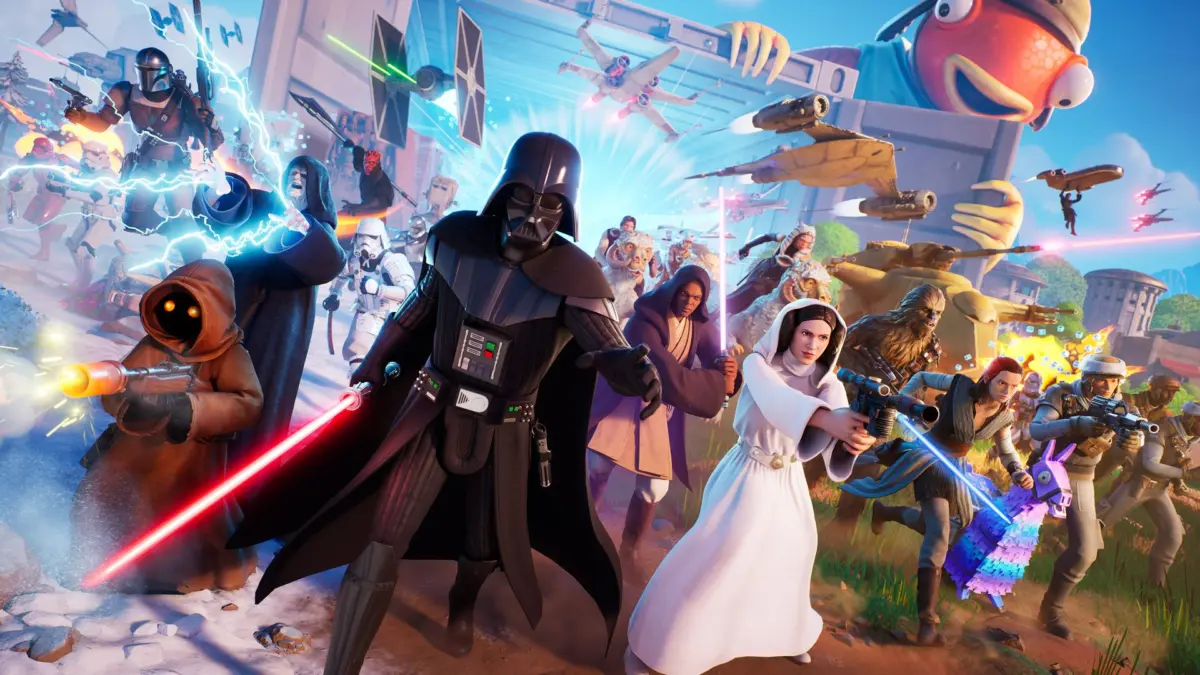
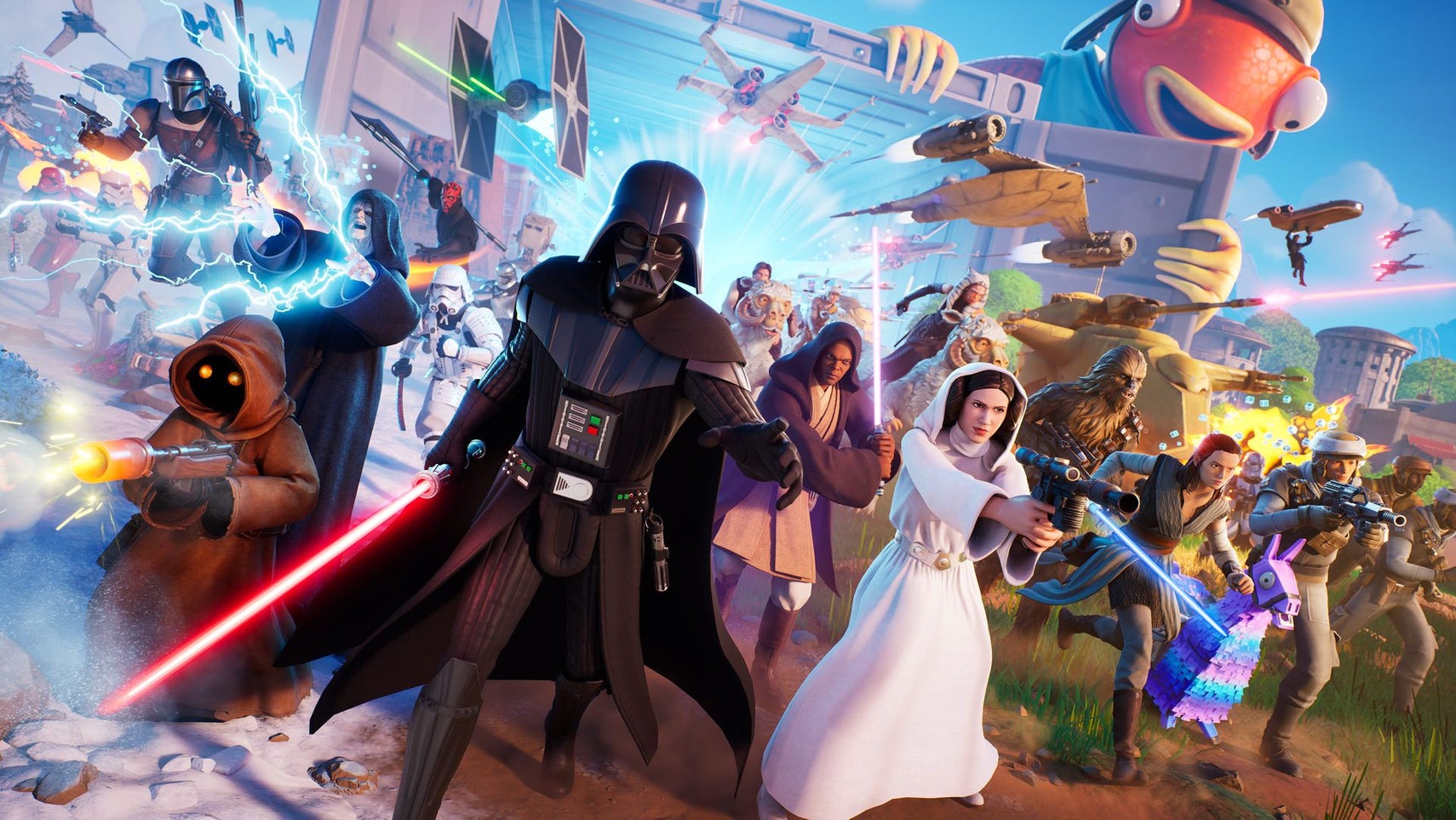
Epic Games, the developer behind the global phenomenon Fortnite and the industry-standard Unreal Engine, has reportedly pivoted its internal development strategy to prioritize generative artificial intelligence (AI) to complete a high-profile crossover project involving Disney’s most valuable intellectual properties. According to a detailed report from Bloomberg, the North Carolina-based gaming giant has instructed its staff to adopt an "AI-first" production pipeline for an upcoming shooter featuring characters from the Marvel and Star Wars universes. This strategic shift follows internal delays that have pushed the project’s expected release window past its original March 2027 target.
The move marks a significant departure from traditional game development methodologies, particularly within a studio of Epic’s stature. Citing anonymous sources familiar with the matter and internal communications, the report suggests that Epic Games is now mandating the use of advanced AI tools, including Anthropic’s Large Language Model (LLM) Claude, to handle tasks ranging from software engineering to asset creation. The directive reportedly went as far as to suggest a transition away from "hand-written code" toward "full AI workflows," a revelation that has caused a stir among the company’s creative and technical staff.
The Evolution of the Epic-Disney Partnership
The project in question is a central pillar of the massive partnership between Epic Games and The Walt Disney Company. In early 2024, Disney announced a $1.5 billion equity stake in Epic Games, a move intended to forge a multi-year collaboration to create a "persistent universe" that expands the reach of Disney’s stories and experiences. This collaboration was described as a world that would live alongside Fortnite, allowing users to play, watch, shop, and engage with content from Disney, Pixar, Marvel, Star Wars, and Avatar.
Historically, Epic and Disney have maintained a symbiotic relationship. Fortnite has hosted numerous "crossover seasons," most notably Chapter 2 Season 4’s "Nexus War," which was entirely themed around Marvel Comics. These events served as both gameplay innovations and massive marketing vehicles. However, the current project represents a more ambitious standalone endeavor—a dedicated shooter experience that integrates these disparate franchises into a cohesive, high-fidelity environment.
The reported delay of this project into 2027 and beyond has created a sense of urgency within Epic’s leadership. By leaning into generative AI, the company aims to bridge the gap created by these delays, seeking to accelerate the production of complex assets and codebases that would traditionally require thousands of man-hours.
Financial Pressures and the 2023 Restructuring
The pivot toward AI-accelerated development cannot be viewed in isolation from Epic’s recent financial history. In September 2023, Epic Games implemented a major workforce reduction, laying off approximately 830 employees, or about 16% of its total staff. At the time, CEO Tim Sweeney informed employees in a company-wide memo that the studio was "spending significantly more than we’re making," citing a transition in Fortnite’s revenue model toward creator-led content, which carries lower margins than the game’s original internal development.
Sweeney’s strategy appears to involve a "leaner" approach to development where technology fills the void left by a reduced headcount. In a recent public statement on social media, Sweeney defended the shift, stating, "We have a huge pivot underway here at Epic, moving developers around to retool for maximum AI acceleration. The aim isn’t to do the same stuff with fewer people, but to enable everyone here to build MORE and BETTER stuff."
This vision of "building more" with AI suggests that Epic views the technology as a force multiplier. However, for many within the industry, the transition from human-centric creation to AI-generated workflows raises concerns about the long-term viability of entry-level and mid-level roles in game design and programming.
Technical Scope: "No More Hand-Written Code"
The most controversial aspect of the Bloomberg report is the alleged internal directive that developers should move away from hand-written code. In the realm of high-end game development, the codebase is typically considered a studio’s most guarded and refined asset. Modern AAA games rely on millions of lines of C++ code, optimized specifically for the Unreal Engine to ensure performance across various platforms, including the PlayStation 5, Xbox Series X, and high-end PCs.
The integration of Anthropic’s Claude into this pipeline suggests that Epic is utilizing AI for:
- Code Generation and Debugging: Using LLMs to draft boilerplate code, refactor existing logic, and identify bugs within the Unreal Engine environment.
- Asset Generation: Utilizing generative models to create textures, 3D models, and environmental layouts, reducing the need for manual artistry in world-building.
- Narrative and Scripting: Leveraging AI to generate dialogue branches and quest structures for the Marvel and Star Wars characters.
Jake Jones, Epic’s Communications Director, emphasized that these tools are meant to be "led by Epic developers who are the visionaries and creative drivers." This positioning attempts to frame AI as a tool for empowerment rather than a replacement for human creativity, though the directive for "full AI workflows" suggests a more systemic integration than simple assistance.
Timeline of Key Events in Epic’s AI Transition
To understand the current state of development, it is necessary to look at the chronology of Epic’s recent corporate shifts:
- September 2023: Epic Games announces the layoff of 830 employees, citing financial instability and a need to recalibrate spending.
- February 2024: Disney invests $1.5 billion in Epic Games, announcing a long-term "games and entertainment universe" project.
- Mid-2024: Internal reports suggest the Disney crossover shooter has hit production bottlenecks, leading to a projected delay past the March 2027 release window.
- Late 2024: Epic leadership issues directives to pivot to an "AI-first" production model, integrating tools like Anthropic’s Claude into the core development pipeline.
- October 2024: Public statements from Tim Sweeney and Jake Jones confirm the company’s aggressive push into AI-accelerated development.
Broader Industry Implications and Ethical Concerns
Epic Games is not the only industry titan exploring generative AI. Ubisoft recently unveiled "Ghostwriter," an AI tool designed to help narrative designers generate "barks" (short lines of dialogue spoken by NPCs). Microsoft has also partnered with Inworld AI to develop tools that allow developers to create AI-powered characters and quests. However, Epic’s reported mandate to move toward "no hand-written code" represents perhaps the most aggressive stance taken by a major studio to date.
This shift occurs against a backdrop of increasing labor tension in the entertainment sector. Organizations like SAG-AFTRA have expressed deep concerns regarding the use of AI to replicate the voices and likenesses of actors, while various artist guilds are fighting against the training of AI models on copyrighted material without compensation.
Within the game development community, the technical implications are equally scrutinized. While AI can certainly speed up production, critics argue that "AI-generated code" may lead to technical debt—complex, unoptimized code that is difficult for humans to fix or maintain in the future. Furthermore, the "homogenization" of art and design is a recurring fear; if multiple studios use the same AI models to generate assets, the unique visual identity of individual games could be at risk.
Analysis: The Future of the "Metaverse" Shooter
The success of the Disney-Marvel-Star Wars crossover is vital for Epic Games. As Fortnite matures, Epic needs a new "North Star" project to maintain its dominance in the live-service gaming space. The "games and entertainment universe" promised to Disney investors is intended to be a persistent digital space that functions as much as a social network and shopping mall as it does a game.
By adopting an AI-first approach, Epic is betting that the speed of content iteration will be more important than the traditional craftsmanship of manual coding. If successful, this could set a new precedent for the industry, potentially lowering the barrier to entry for massive-scale projects but also fundamentally altering the career trajectories of software engineers and digital artists.
If the AI-driven pipeline fails to deliver the high quality expected of Disney’s premier brands, Epic could face significant backlash from both its corporate partners and its massive player base. For now, the eyes of the industry remain on Epic’s 2027 window, waiting to see if a game built by "visionaries" using "full AI workflows" can capture the magic of the world’s most iconic cinematic universes.