Garick Elordi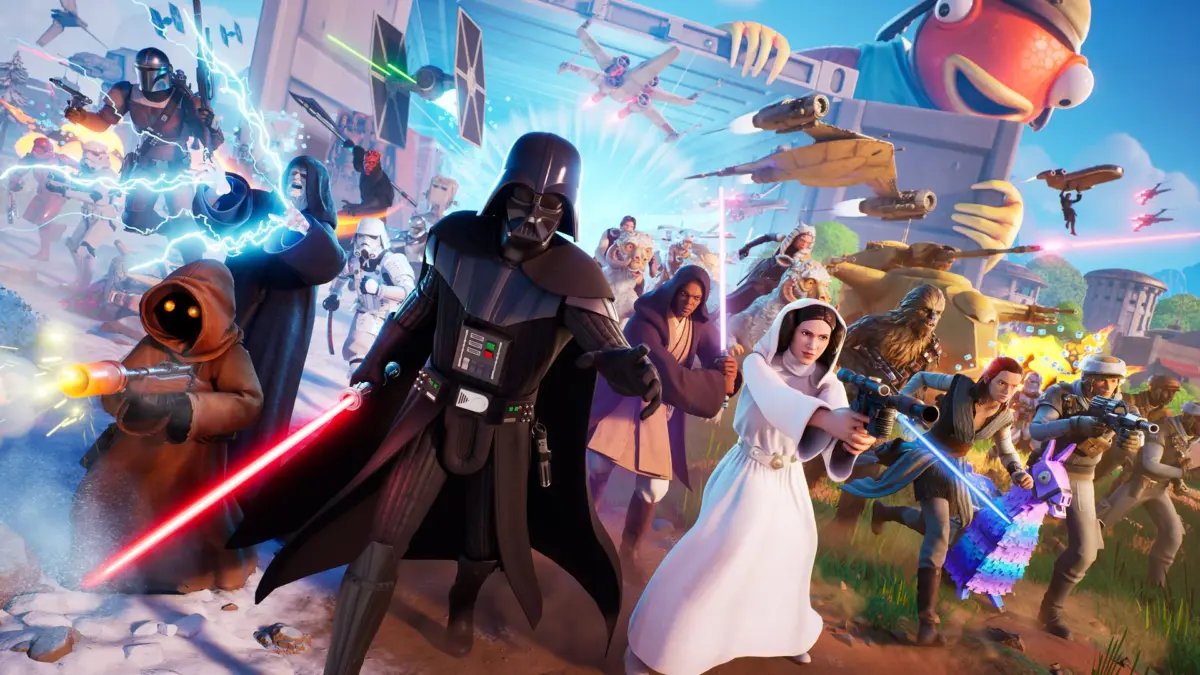
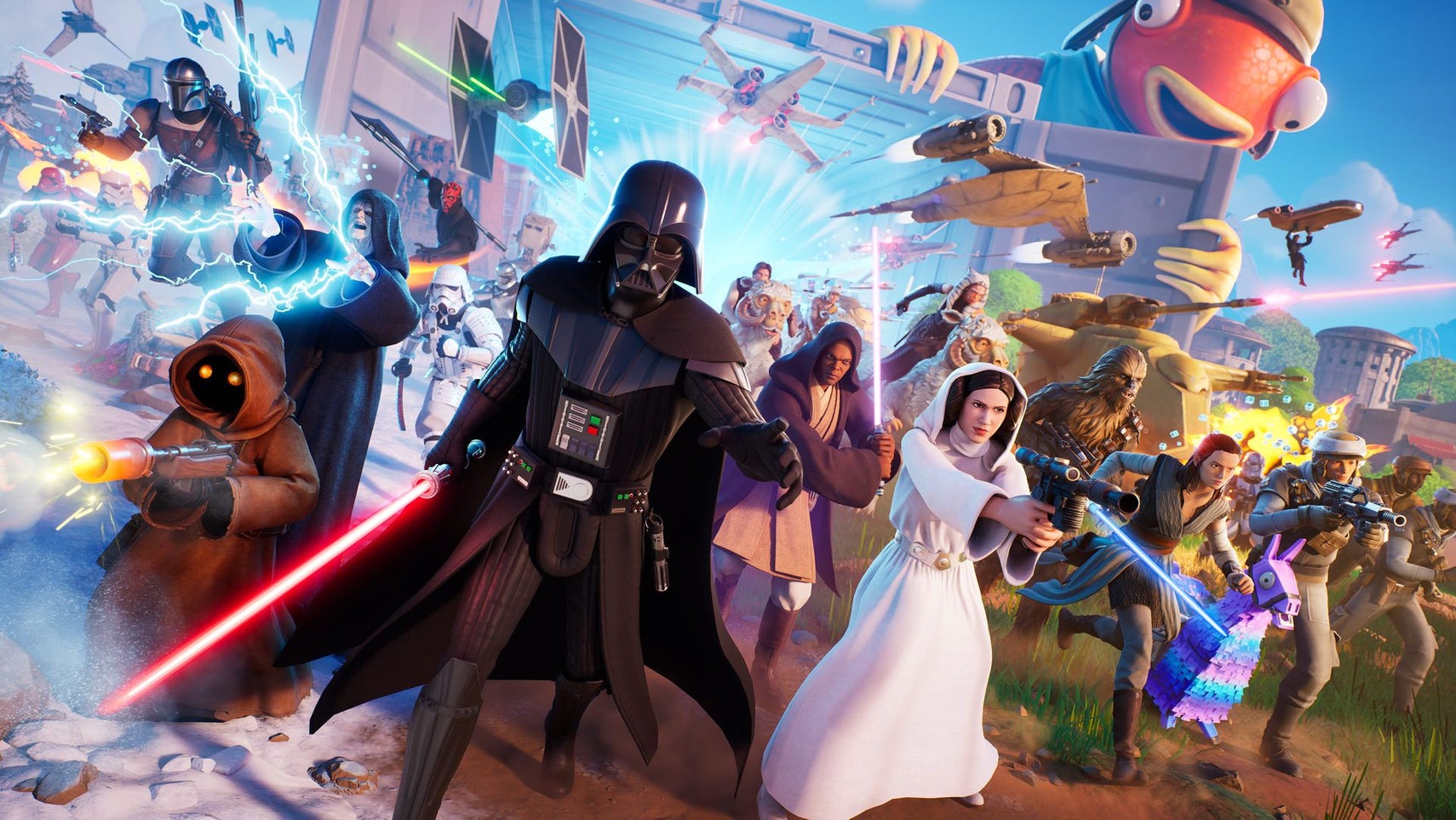
Epic Games has reportedly undergone a significant strategic realignment, mandating the use of generative artificial intelligence to complete a high-profile shooter featuring characters from the Star Wars and Marvel universes. This internal shift comes as the project, a cornerstone of Epic’s multibillion-dollar partnership with The Walt Disney Company, has officially slipped from its original production schedule. According to a detailed report from Bloomberg, which cited anonymous sources familiar with the company’s internal operations, the project was originally slated for a March 2027 release. However, following recent development hurdles, Epic leadership has instructed its engineering and art teams to adopt an "AI-first" production pipeline to recover lost time and optimize resource allocation.
The unannounced crossover title represents one of the most ambitious collaborations in the history of the interactive entertainment industry, aiming to bridge the expansive lore of Disney’s flagship franchises within a new gaming experience. The directive to pivot toward generative AI tools, specifically mentioning Anthropic’s Claude for coding and various automated workflows for art assets, marks a departure from traditional "hand-crafted" development methods that have long been the standard for AAA video game production.
Internal Directives and the Shift to AI-First Development
The transition to an AI-driven workflow was communicated to staff via internal messaging that signaled a fundamental change in how Epic Games approaches software engineering. One game director reportedly informed developers that the era of "hand-written code" was effectively ending for this project, with a new mandate that art assets be "generated with full AI workflows." This instruction has sparked significant discussion within the company, as it challenges the conventional roles of technical directors and concept artists.
Jake Jones, Epic Games’ Communications Director, confirmed the shift in a statement, characterizing the move as "AI-accelerated development." He emphasized that the process is still "led by Epic developers who are the visionaries and creative drivers for everything we do." Despite these assurances, the pivot suggests a tactical response to the increasing complexity of modern game development, where ballooning budgets and decade-long production cycles have become unsustainable for many major studios.
Epic Games CEO Tim Sweeney further clarified the company’s stance via social media, stating that the "huge pivot" currently underway is intended to retool the workforce for "maximum AI acceleration." Sweeney argued that the objective is not to reduce headcount but to empower existing teams to build "MORE and BETTER stuff." He noted that these advancements are intended to eventually benefit all developers utilizing the Unreal Engine, Epic’s proprietary suite of development tools used by a vast portion of the global gaming industry.
The Disney Partnership and Strategic Objectives
The collaboration between Epic Games and Disney was formalized in early 2024 when Disney announced a $1.5 billion equity stake in the North Carolina-based developer. This partnership was described as a multi-year project to create an "all-new games and entertainment universe" that would expand the reach of Disney’s stories and experiences. While the specific details of the Star Wars and Marvel shooter remain under wraps, it is understood to be a critical component of this "persistent universe" that will operate in tandem with Fortnite.
The synergy between the two companies is well-established. Fortnite has hosted numerous high-profile Disney events, including the "Nexus War" Marvel season and various Star Wars "May the 4th" celebrations. These events have served as a proof-of-concept for a more integrated digital ecosystem. Reports have even surfaced suggesting that senior Disney executives have explored the possibility of acquiring Epic Games outright, reflecting the strategic importance Disney places on Epic’s technology and player base.
The delay of the March 2027 release date for the crossover shooter is a setback for both companies, as it pushes the realization of their shared "metaverse" vision further into the future. By integrating generative AI, Epic appears to be attempting to bypass the traditional bottlenecks of asset creation and debugging that often cause project timelines to expand.
Economic Context and the Impact of Recent Layoffs
The mandate for AI integration follows a period of significant structural upheaval at Epic Games. In late 2023, the company laid off approximately 1,000 employees, representing roughly 16% of its total workforce. At the time, Tim Sweeney attributed the cuts to a financial imbalance, stating that the company was "spending significantly more than we’re making."
The decision to cut human staff and subsequently push for AI-automated workflows has drawn scrutiny from industry analysts and labor advocates. Critics point out that while AI can increase output speed, it often does so at the cost of the nuanced creativity and specialized expertise that human developers provide. The gaming industry, as a whole, has faced a turbulent 2024, with more than 10,000 layoffs recorded across various studios including Microsoft, Sony, and Electronic Arts.
Data from industry analysts suggest that the cost of developing a AAA title has risen to between $200 million and $500 million, excluding marketing expenses. For a project involving licensed IP as massive as Star Wars and Marvel, the stakes are even higher. Epic’s move toward AI is seen by some as a necessary evolution to maintain profitability in an era of "peak development costs," while others view it as a risky gamble on unproven technology.
Technical Integration: Claude and Unreal Engine
The specific mention of Anthropic’s Claude in Epic’s internal communications highlights the growing role of Large Language Models (LLMs) in software engineering. Claude, known for its high-context window and advanced reasoning capabilities, is increasingly being used by developers to generate boilerplate code, refactor existing scripts, and identify bugs.
In the context of the Unreal Engine, generative AI is expected to play a role in several key areas:
- Procedural Content Generation (PCG): While Epic already utilizes PCG for environments, generative AI can add a layer of "intelligence" to how assets are placed and interacted with.
- Asset Pipeline Automation: Converting high-fidelity concept art into 3-D models, a process that usually takes weeks of manual labor, could potentially be reduced to days using AI-assisted tools.
- Dynamic Dialogue and Scripting: For a game featuring iconic characters like Darth Vader or Iron Man, AI could assist in generating vast amounts of situational dialogue, though this remains a sensitive area due to voice actor rights and union regulations.
Industry Implications and Labor Concerns
The shift at Epic Games reflects a broader trend in the tech and entertainment sectors, where "efficiency" has become the primary buzzword for 2024. However, the adoption of AI in creative fields is currently a flashpoint for labor disputes. The Screen Actors Guild-American Federation of Television and Radio Artists (SAG-AFTRA) recently initiated a strike against several major video game companies, specifically over concerns regarding the use of AI to replicate performers’ voices and movements without fair compensation or consent.
While Epic’s current directive focuses on "code and art," the precedent it sets for the industry is substantial. If a market leader like Epic Games successfully moves to an AI-first production model, it is likely that other major publishers will follow suit to remain competitive. This raises questions about the future of entry-level positions in the industry, such as junior environment artists and QA testers, roles that are most susceptible to automation.
Timeline of Key Events
To understand the current state of Epic Games’ development strategy, it is essential to look at the timeline of the company’s recent history:
- September 2023: Epic Games announces layoffs of 830 employees (later confirmed to be over 1,000 including subsidiary divestments), citing a need to stabilize finances.
- February 2024: The Walt Disney Company announces a $1.5 billion investment in Epic Games to create a new "games and entertainment universe."
- August 2024: Internal reports suggest that the Disney crossover shooter has missed key milestones, leading to a projected delay past its original March 2027 window.
- October 2024: Bloomberg reveals internal directives at Epic Games mandating an "AI-first" workflow and the use of Anthropic’s Claude to accelerate production on the Disney project.
Analysis of the "AI-First" Future
The success or failure of Epic’s Star Wars and Marvel project will likely serve as a bellwether for the rest of the AAA gaming industry. If the game launches to critical and commercial acclaim while maintaining a reduced development cost through AI, it will validate Tim Sweeney’s vision of "AI-accelerated development." However, if the project suffers from technical "hallucinations" or a lack of creative soul—common criticisms of AI-generated content—Epic may find itself facing a backlash from a fanbase that expects high-quality storytelling from Disney’s most beloved franchises.
Furthermore, the legal landscape regarding AI-generated content remains in flux. The U.S. Copyright Office has previously ruled that AI-generated works without significant human intervention cannot be copyrighted. For a company like Disney, which is notoriously protective of its intellectual property, the use of AI in a flagship game presents unique legal challenges regarding the ownership of the final product.
As Epic Games moves forward with this "maximum AI acceleration," the industry will be watching closely. The intersection of iconic IP, massive financial stakes, and cutting-edge automation makes this project one of the most consequential developments in modern gaming history. For now, the developers at Epic find themselves at the forefront of a technological experiment that could redefine what it means to build a video game in the 21st century.