Garick Elordi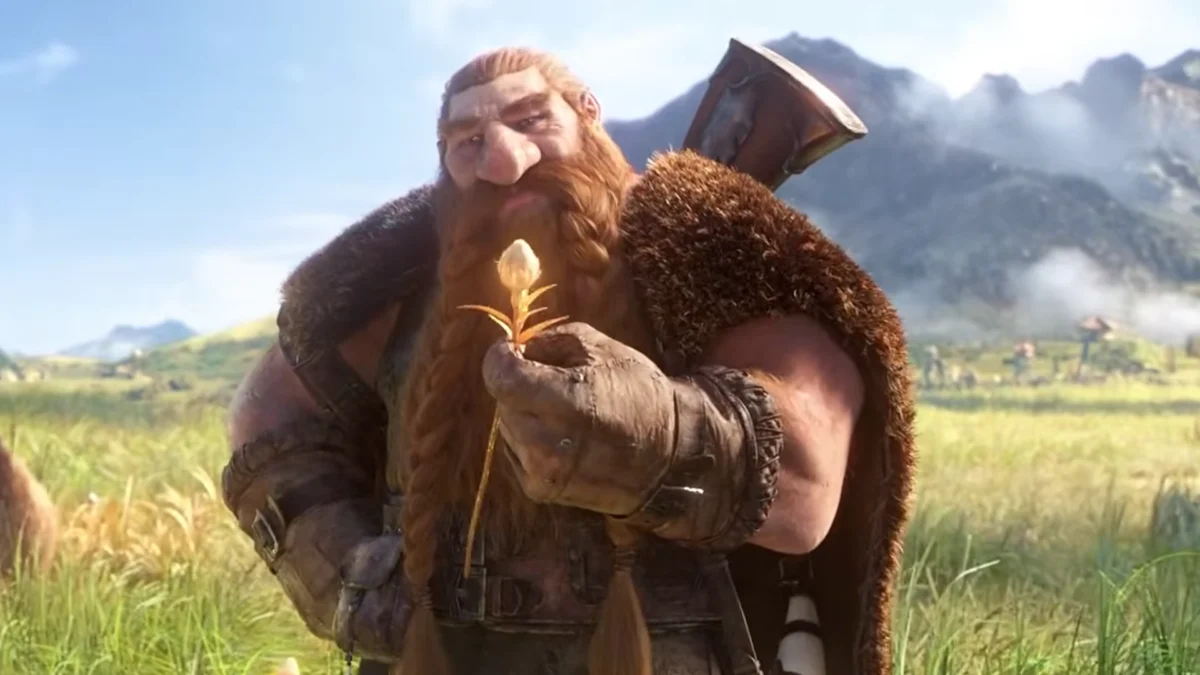
Blizzard Entertainment’s upcoming title, World of Warcraft: Forever, has shattered internal player projections during its initial beta phase, signaling a massive resurgence of interest in the company’s storied franchise. Developed by the specialized World of Warcraft Classic team, this "vanilla-flavored" spin-off has generated a level of engagement that has surprised even seasoned veterans within the studio. While the official global launch is scheduled for November 4, 2026, the recent public beta test provided a glimpse into the scale of the audience awaiting the title, despite technical hurdles caused by the sheer volume of concurrent users.
The surge in participation led to significant connectivity issues, including frequent disconnects and heavy server latency, as the infrastructure struggled to accommodate the influx of players. However, the leadership at Blizzard remains optimistic, viewing the technical strain as a testament to the game’s potential. Josh Greenfield, a Senior Game Producer on the World of Warcraft Classic team, expressed his astonishment at the turnout, noting that the engagement levels are unlike anything he has witnessed in nearly two decades at the company.
Unprecedented Beta Engagement and Developer Reactions
The enthusiasm surrounding the World of Warcraft: Forever beta reached a fever pitch within hours of the servers going live. Josh Greenfield, known to the community as "Aggrend," took to social media to share his excitement and disbelief regarding the player count. Greenfield, who has spent 17 years at Blizzard and nearly eight years specifically on the Classic project, described the numbers as the "craziest" he has seen in his career. His sentiment reflects a broader feeling within the development team that World of Warcraft: Forever has tapped into a unique demand within the MMORPG market.
This high level of interest is particularly notable given that the game is a reimagining of content that is over two decades old. The "Classic Plus" philosophy—maintaining the mechanical soul of the original 2004 release while adding new, horizontal content—appears to have resonated with both lapsed players and the current active community. The excitement within the studio is framed not just by the quantity of players, but by the realization that the "Forever" concept may represent the most significant evolution of the World of Warcraft brand since the launch of the original Classic servers in 2019.
Technical Infrastructure and Server Stability Challenges
The massive player turnout was not without its complications. Shortly after the beta environment opened, players reported long login queues followed by immediate disconnections once they reached the character selection screen. Tom Ellis, a Senior Game Producer at Blizzard, addressed these concerns by providing a detailed explanation of the infrastructure limitations inherent in a beta environment.
According to Ellis, the environment used for the Public Test Realm (PTR) is not a "Production stack," meaning it lacks the robust scaling and redundancy of the live retail servers. Historically, betas for World of Warcraft do not serve as major "meter movers" for server load, leading the team to deploy a more modest regional realm setup. The sudden surge of hundreds of thousands of players overwhelmed this singular regional stack, causing the authentication services to trigger protective measures.
Ellis explained that the login queues were a result of Battle.net’s internal security protocols, which utilize rate-limiting to prevent the entire network from crashing under sudden spikes in traffic. Once the team identified that the disconnects were tied to the limitations of the single regional realm, they worked for approximately thirty minutes to stabilize the environment. By the end of the testing window, Blizzard reported that the issues had been resolved, allowing players to enter the world "without fuss." This period of instability is viewed by the team as a necessary "stress test" that will ensure a smoother experience when the game launches in November.
From Rumors to Reality: The Journey to BlizzCon 2026
The official unveiling of World of Warcraft: Forever at BlizzCon 2026 was the culmination of months of intense speculation and community-led investigation. The path to the announcement was paved by dataminers who discovered curious entries in the backend of Blizzard’s official websites. Specifically, fans identified a series of color palettes and CSS tags labeled under a "WoW 2" directory, leading to wild theories about a full-scale sequel or a total engine overhaul.
Rumors also circulated under the codename "World of Warcraft: Camelot," which many insiders believed referred to a "Classic Plus" project. This concept—a version of the game that stays in the "Vanilla" era but receives new raids, zones, and class balance updates that never existed in the original timeline—has been a top request from the community for years. The precedent for this approach was set by Blizzard’s treatment of Diablo II: Resurrected, where the developers began expanding the game with new balance changes and items after its initial successful launch.
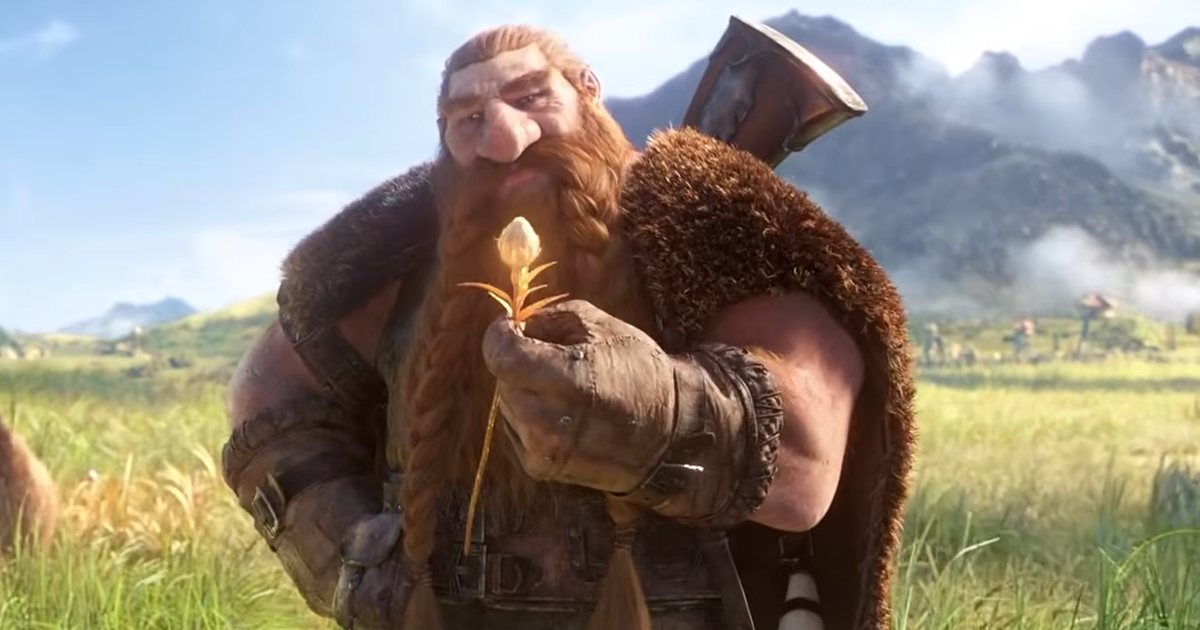
The BlizzCon 2026 opening ceremony confirmed these suspicions. The cinematic trailer, titled "New Horizons," showcased a bearded dwarf examining a flower in a serene meadow, contrasting the high-stakes, world-ending threats of the retail game with a return to the grounded, adventurous spirit of the original world. The announcement was met with a standing ovation, validating the "Forever" branding as a permanent fixture of the World of Warcraft ecosystem.
The Concept of "Classic Plus" and World of Warcraft: Forever
World of Warcraft: Forever is designed to solve a specific problem within the "Classic" ecosystem: the finite nature of nostalgic content. When World of Warcraft Classic launched in 2019, it followed a strict content release schedule that eventually led into the Burning Crusade and Wrath of the Lich King expansions. While successful, this "progression" model eventually caught up to the modern game, leaving players who preferred the original 1-60 experience with few options once they had conquered the final raid, Naxxramas.
World of Warcraft: Forever departs from this linear progression. It is built on the foundation of the 1.12 "Vanilla" patch but introduces what the developers call "horizontal expansion." This includes:
- New Quest Hubs: Filling in "empty" zones from the original map that were never completed in 2004.
- Unreleased Raids: Implementing legendary "cut" content, such as the original version of the Karazhan Crypts or the Azshara Crater.
- Class Refinement: Adjusting underperforming specializations (like "Oomkin" Druids or Protection Paladins) to ensure all playstyles are viable in end-game content without losing the "clunky" charm of original talent trees.
- Graphic Options: Offering a toggle between original low-polygon models and modernized assets.
By focusing on the "Forever" aspect, Blizzard is positioning this title as a live-service game that will continue to grow within the constraints of the level 60 cap, effectively creating an alternate history for Azeroth.
A Chronology of World of Warcraft Classic (2019–2026)
To understand the significance of the "Forever" launch, one must look at the timeline of the Classic project’s evolution over the last seven years:

- August 2019: World of Warcraft Classic launches to massive acclaim, causing hours-long queues and forcing Blizzard to triple its server capacity within the first week.
- 2020–2021: The "Season of Mastery" is introduced, experimenting with faster leveling and harder raid mechanics, providing the first hint that Blizzard was willing to alter the "No Changes" mantra.
- 2022–2024: Progression servers move through The Burning Crusade and Wrath of the Lich King. While popular, the community begins to fracture between those who want to move forward to Cataclysm and those who want to stay in the "Golden Era."
- Late 2025: Dataminers find the "WoW 2" tags. Speculation regarding "Classic Plus" reaches an all-time high.
- September 2026: The World of Warcraft: Forever beta goes live, experiencing record-breaking numbers that exceed the 2019 launch metrics.
- November 4, 2026: The scheduled global release of World of Warcraft: Forever.
Strategic Implications for Blizzard Entertainment
The success of the World of Warcraft: Forever beta suggests a strategic shift for Blizzard. By maintaining two distinct versions of their flagship MMO—the high-fantasy, fast-paced "Retail" version and the methodical, community-focused "Forever" version—Blizzard can capture two different demographics simultaneously.
Market analysts suggest that the "Forever" model is highly cost-effective. By reusing existing assets and world geometry while focusing on design and balance, Blizzard can deliver "new" content at a fraction of the cost of a full modern expansion like The War Within. Furthermore, the high engagement numbers during the beta indicate that the subscription-based model remains incredibly resilient when tied to nostalgia-driven, yet fresh, content.
The "Forever" initiative also serves as a defensive maneuver against "private servers." For years, players sought out unauthorized servers to play custom versions of Vanilla WoW. By officially supporting a "Classic Plus" experience, Blizzard effectively brings those players back into the official ecosystem, ensuring brand loyalty and a steady revenue stream.
Anticipation for the November Global Launch
As the beta continues to run through the end of September, the Classic team is focused on stress-testing the production hardware that will house the game come November. The feedback from the current test is being used to fine-tune class balance and ensure that the "New Horizons" content integrates seamlessly with the existing world.
For the millions of players who grew up in Azeroth, November 4 represents more than just a new game launch; it is a return to a specific philosophy of game design that prioritizes the journey over the destination. With the technical issues of the beta largely behind them, the developers at Blizzard are bracing for what could be the largest launch in the franchise’s history. As Josh Greenfield noted, the team feels they have "something really special" on their hands—a sentiment that the global gaming community seems to share.