Garick Elordi
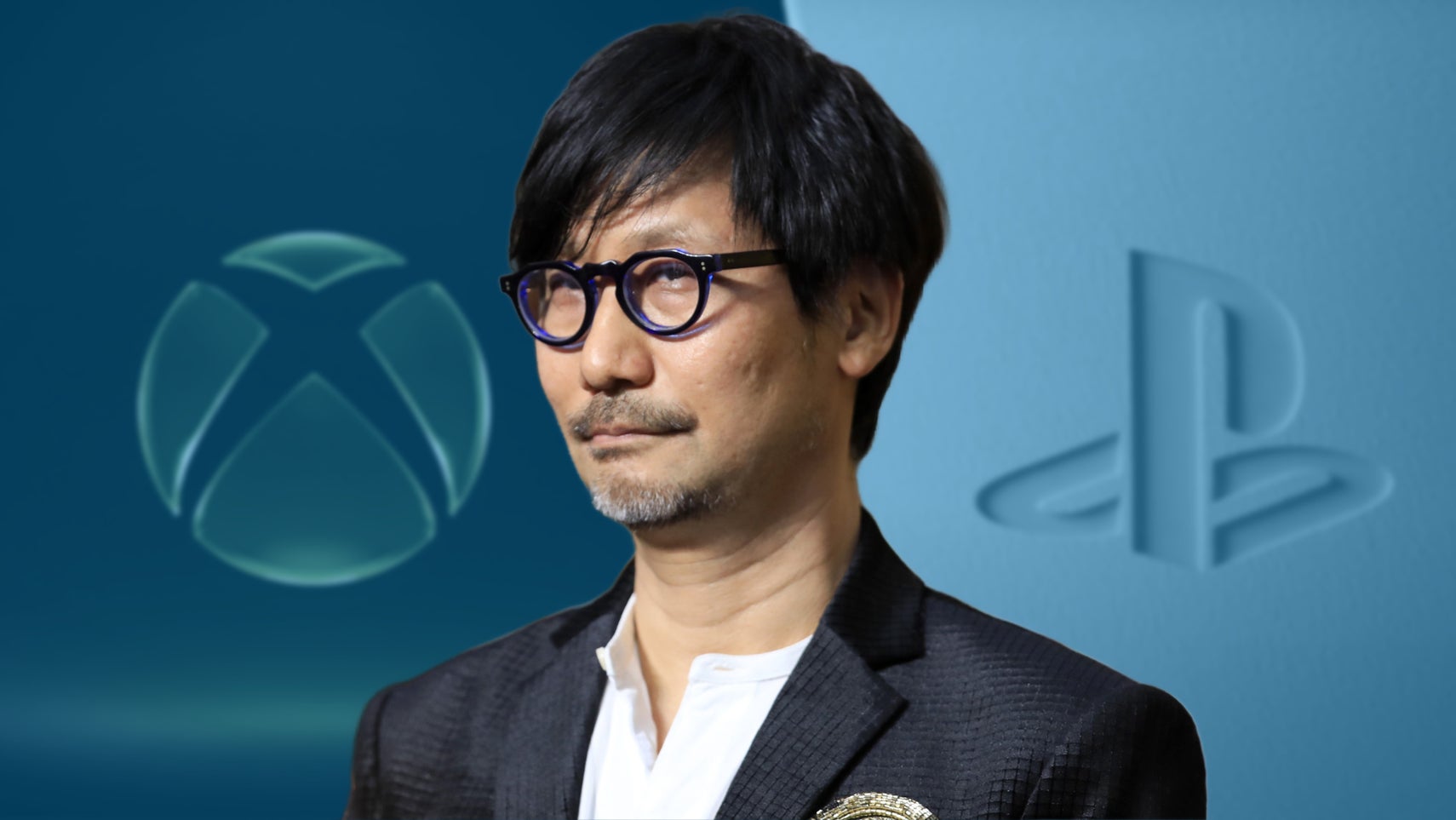
The landscape of the interactive entertainment industry underwent a significant tremor recently following the revelation that Sony Interactive Entertainment has transitioned away from its role as the primary publisher for Hideo Kojima’s highly anticipated "action espionage" title, Physint. The project, which was initially introduced as a cornerstone of Sony’s future software lineup, has now found a new home with Microsoft’s Xbox division. This pivot marks a historic shift in the career of Hideo Kojima, a creator whose professional identity has been inextricably linked with the PlayStation brand for three decades. In a series of recent interviews and official statements, the details of this transition have come to light, painting a picture of an industry grappling with soaring development costs, shifting corporate priorities, and the precarious nature of independent prestige studios.
The Evolution of a Partnership and a Sudden Departure
For thirty years, the name Hideo Kojima was synonymous with the success of the PlayStation platform. From the genre-defining release of Metal Gear Solid on the original PlayStation in 1998 to the 2019 launch of Death Stranding, Kojima’s relationship with Sony’s leadership—including legendary figures like Ken Kutaragi and Kazuo Hirai—was viewed as one of the most stable and fruitful alliances in gaming. However, the announcement that Sony "stepped away" from Physint suggests a cooling of this long-standing tenure.
Reports initially surfaced suggesting that Sony’s decision was motivated by internal concerns regarding the project’s massive budget, potential profitability, and the strictures of exclusivity in an era where multi-platform releases are becoming the industry standard for high-budget "Triple-A" titles. Following the official announcement that Xbox would assume publishing duties, Kojima sat down for an interview with IGN to discuss the emotional and professional weight of the change.
Kojima described the meeting where the decision was finalized as a moment of profound disorientation. "I don’t remember so much of that meeting, to be honest with you," Kojima admitted, noting that the shock of the news left him and his colleagues in a state of disbelief. Despite the professional setback, Kojima maintained an objective stance toward his former partners. "I love Sony. And I don’t have any bad feelings against them because I know that it’s a tough time in the game industry."
Navigating the Volatility of the Modern Gaming Market
The "tough time" Kojima referenced is a reality reflected in the broader economic data of the gaming sector. The years 2023 and 2024 have been marked by unprecedented volatility, including tens of thousands of layoffs across major publishers and the closure of several storied development houses. Sony itself has not been immune to these pressures, recently undergoing significant restructuring within its PlayStation Studios division.
During the pivotal meeting, Sony representatives reportedly informed Kojima Productions that the platform holder could no longer commit to funding the development of Physint. This came as a surprise to the director, who believed the project’s prestige and its status as a spiritual successor to his espionage roots would insulate it from corporate downsizing. "Nothing could’ve prepared me for their decision to step away from the project," Kojima noted. "I thought Physint was OK, that Physint was safe."
The realization that even a creator of his stature was subject to the current market’s austerity measures led to a moment of existential dread for the studio. With Kojima Productions approaching its 10th anniversary as an independent entity, the loss of a major publishing partner for a flagship title posed a legitimate threat to the studio’s longevity. "My studio might collapse, right?" Kojima recalled thinking in the immediate aftermath of the Sony exit.
The Xbox Pivot and Technical Collaboration
The salvation of the project came from an unexpected but increasingly familiar source: Microsoft. While Kojima had historically been a PlayStation-centric developer, he had already begun diversifying his partnerships by working with Xbox on the experimental horror title OD (formerly known as Overdose). This existing rapport paved the way for a rapid transition of the Physint project.
Kojima approached the Xbox leadership with a pitch for Physint, which was reportedly met with immediate enthusiasm. According to Kojima, the Microsoft team was impressed by the uniqueness of the concept, describing it as a pitch unlike any they had seen before. Beyond financial backing, the move to Xbox provides Kojima Productions with access to Microsoft’s extensive cloud computing infrastructure and technical support, which are expected to be integral to the game’s ambitious design.

This transition is particularly noteworthy because Physint was originally announced in conjunction with Sony’s Columbia Pictures. The project was framed not just as a game, but as a "next-generation action espionage" experience that would blur the lines between cinema and interactive media. While the publishing rights for the game have moved to Xbox, the cinematic aspects of the project—and how they relate to the Sony Pictures collaboration—remain a point of interest for industry analysts.
Addressing Speculation and Studio Health
The shift in publishing partners naturally invited a wave of speculation regarding the financial health of Kojima Productions and the commercial performance of its previous titles. A report by Bloomberg suggested that Sony’s exit might have been influenced by the commercial results of the Death Stranding franchise. In response to these claims, Kojima Productions issued a rare and firm public statement to clarify its position.
The studio dismissed the reports as "unsubstantiated speculation" and "aspersions" that had begun to affect the morale of fans and creative partners. The statement emphasized that the studio remains in a "healthy, profitable state" and that the decision to change partners was a strategic response to a "serious situation" rather than a sign of internal failure. Furthermore, the studio reinforced that despite the change in publishing for Physint, their broader relationship with PlayStation remains "strong," likely referring to the ongoing development of Death Stranding 2: On the Beach, which remains a PlayStation 5 exclusive.
The Ambition of Physint: A New Frontier for Espionage
While much of the recent news has focused on the business logistics, the creative vision for Physint remains the primary draw for the gaming public. Kojima has described the project as the culmination of his life’s work, returning to the action-espionage genre he pioneered with the Metal Gear series. However, Physint is intended to transcend the traditional boundaries of the genre.
The project is being developed with a focus on "life-like" graphics and a level of immersion that leverages the latest in motion capture and digital performance technology. By partnering with Xbox, Kojima is expected to utilize the platform’s "Power of the Cloud" to create environments and systems that were previously impossible on static hardware. Microsoft’s willingness to "bet on Kojima" reflects a broader strategy of bringing high-profile, auteur-driven Japanese content to the Xbox ecosystem, a move that Phil Spencer, CEO of Microsoft Gaming, has championed for several years.

An Xbox spokesperson reinforced this commitment following the Tokyo Game Show, stating, "Betting on Kojima-san is an easy call. We believe in his team’s ability to build triple-A games with groundbreaking new IP."
Broader Implications for the Industry
The saga of Physint serves as a case study for the current state of the "Triple-A" gaming industry. The escalating costs of development—often exceeding $200 million for a single title—have made even the largest platform holders risk-averse. When a creator as established as Hideo Kojima faces a publishing withdrawal, it signals a shift where brand loyalty is increasingly secondary to immediate profitability and risk mitigation.
For independent studios, the lesson is one of diversification. Kojima Productions’ ability to pivot from Sony to Microsoft suggests that in the modern era, a studio’s value lies in its intellectual property and the vision of its leadership rather than its historical ties to a single console ecosystem.
As development on Physint continues under the Xbox Game Studios banner, the industry will be watching closely to see if this new partnership can deliver on the lofty promises of a game that is "both a game and a movie at the same time." For now, Kojima Productions appears to have weathered a significant corporate storm, securing its future through a strategic realignment that ensures its most ambitious project to date will see the light of day.
Chronology of Events
- 2015: Kojima Productions is re-established as an independent studio following Kojima’s departure from Konami; Sony announces a partnership to publish the studio’s first title.
- 2019: Death Stranding is released as a PlayStation 4 exclusive to critical acclaim and commercial success.
- 2022: Kojima announces a partnership with Xbox Game Studios for a new project utilizing cloud technology (later revealed as OD).
- Early 2024: Physint is officially announced during a Sony State of Play event as a new action-espionage IP.
- Late 2024: Reports emerge that Sony has "stepped away" from Physint; Xbox is confirmed as the new publishing partner.
- September 2024: Hideo Kojima and Kojima Productions issue statements clarifying the studio’s health and the nature of the transition during the Tokyo Game Show period.