George Chandra Eka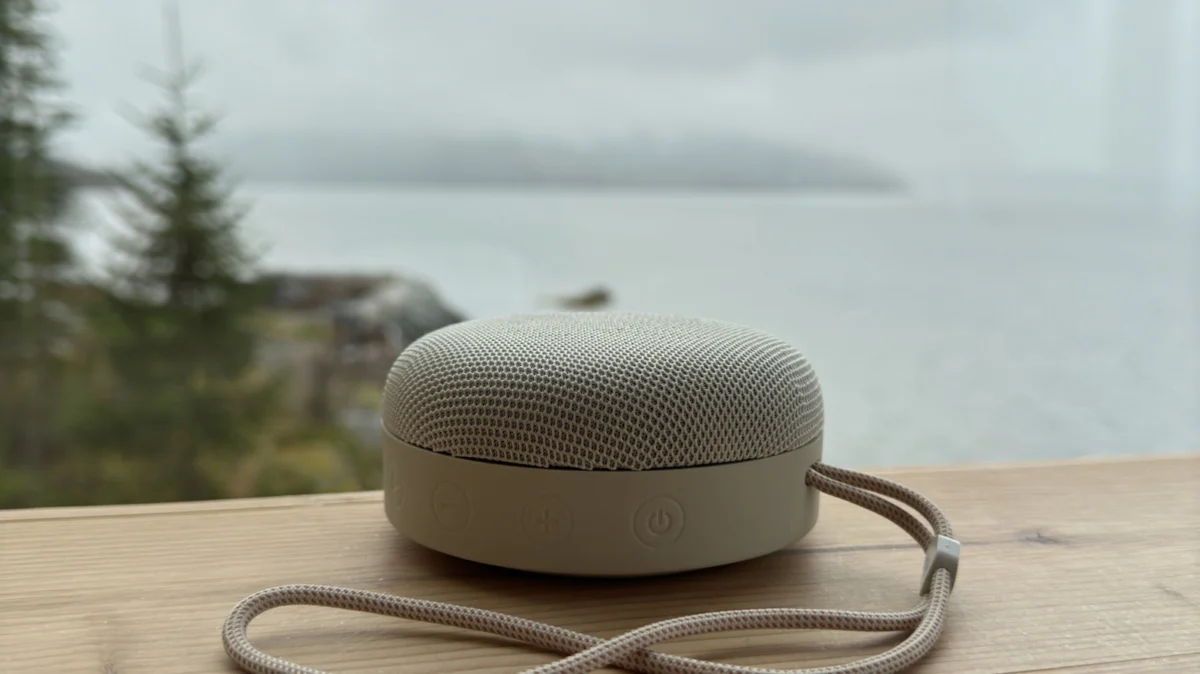
Not everything is better when it’s wetter, especially when it comes to sensitive electronics. In an era where portable audio is an indispensable companion for everything from backyard barbecues to adventurous treks, the ability of a Bluetooth speaker to withstand the elements has become a paramount concern for consumers. Whether planning a beach vacation, an overnight camping trip, or simply seeking peace of mind against an unexpected rain shower or a leaky water bottle, understanding a speaker’s resistance to moisture is crucial. This understanding hinges on a standardized metric known as the Ingress Protection (IP) rating, a globally recognized system that quantifies an electronic device’s resilience against both dust and water penetration.
The ubiquity of wireless Bluetooth speakers has transformed how individuals consume audio, making them perfect companions for virtually any on-the-go scenario. This convenience, however, introduces vulnerabilities, particularly concerning exposure to liquids. The industry has responded by integrating robust protection mechanisms, standardized and communicated through the IP rating system. This rating, governed by the International Electrotechnical Commission (IEC) standard 60529, serves as a universal benchmark, allowing consumers to make informed decisions about the durability of their devices. An IP rating measures how resistant hardware is to the intrusion of solids (like dust) and liquids (like water), providing a two-digit code that clearly outlines its protective capabilities. The first digit in the IP code represents dust resistance, assessed on a scale of 0 to 6, where 0 indicates no special protection and 6 signifies complete dust-tightness. The second digit, crucial for water protection, ranges from 0 to 9, detailing the level of defense against various forms of moisture, from dripping water to high-pressure jets and prolonged submersion. For instance, an IP56 rating would indicate a device with high dust resistance (level 5, meaning protection against limited dust ingress) and robust protection against powerful jets of water (level 6).
Understanding the Ingress Protection (IP) Code: A Detailed Breakdown
The IP rating system is more than just a series of numbers; it’s a precise classification that details the exact conditions under which a device can operate without suffering damage from environmental factors. The IEC 60529 standard is rigorous, ensuring that manufacturers adhere to specific testing protocols to earn a particular rating.
The first digit, representing solid particle protection, is defined as follows:
- IP0X: No protection against solid objects.
- IP1X: Protected against solid objects over 50mm (e.g., accidental touch by hands).
- IP2X: Protected against solid objects over 12.5mm (e.g., fingers).
- IP3X: Protected against solid objects over 2.5mm (e.g., tools, thick wires).
- IP4X: Protected against solid objects over 1mm (e.g., small wires, screws).
- IP5X: Dust protected; limited ingress of dust permitted. It does not entirely prevent dust ingress but ensures that dust cannot interfere with the satisfactory operation of the equipment.
- IP6X: Dust-tight; no ingress of dust. This is the highest level of dust protection, making devices suitable for extremely dusty environments.
The second digit, indicating liquid ingress protection, is typically of greater interest for Bluetooth speaker users:
- IPX0: No protection against liquids.
- IPX1: Protected against vertically falling water drops (e.g., condensation).
- IPX2: Protected against vertically falling water drops when tilted up to 15 degrees.
- IPX3: Protected against spraying water (e.g., light rain at an angle).
- IPX4: Protected against splashing water from any direction (e.g., shower spray).
- IPX5: Protected against water jets from any direction (e.g., a tap, heavy rain).
- IPX6: Protected against powerful water jets from any direction (e.g., hosing down).
- IPX7: Protected against the effects of temporary immersion in water. Specifically, the device can be immersed in water up to 1 meter (approximately 3.3 feet) for a duration of up to 30 minutes.
- IPX8: Protected against the effects of continuous immersion in water under conditions specified by the manufacturer. This usually means immersion beyond 1 meter and for longer durations than IPX7, often up to 1.5 meters for 30 minutes or more.
- IPX9K: Protected against close-range high-pressure, high-temperature spray downs. This rating is typically found in industrial applications or specific automotive components and is exceedingly rare in consumer Bluetooth speakers.
It’s also important to note the significance of the "X" in an IP rating, such as IPX7. An "X" indicates that the device has not been formally tested for that specific type of protection. In the case of IPX7, it means the device has not undergone formal dust ingress testing, but it does not necessarily imply a complete lack of dust resistance. Often, devices designed for water immersion inherently offer a degree of dust protection due to their sealed construction, but without a specific number, no claim can be made.
Navigating Key Waterproof Ratings for Portable Audio
For the vast majority of consumers seeking a waterproof Bluetooth speaker, the focus will primarily be on the water resistance capabilities, with IPX7, IP67, and IP68 being the most prevalent and desirable ratings. These classifications define the practical limits of a speaker’s resilience against liquid exposure, guiding users to select a device appropriate for their lifestyle.
IPX7 and IP67: The Standard for Submersible Speakers
These ratings signify a significant leap in water protection for consumer electronics. An IPX7 or IP67-rated speaker is designed to withstand temporary immersion in water, specifically up to 1 meter (3.3 feet) deep for a duration of up to 30 minutes. This level of protection makes such speakers ideal for poolside use, beach outings, or even accidental drops into a shallow body of water. Many popular portable Bluetooth speakers from leading brands like JBL (e.g., JBL Flip series), Ultimate Ears (e.g., UE Boom series), and Sony often feature IP67 or IPX7 ratings, demonstrating the industry’s commitment to delivering robust audio solutions for active users. The "6" in IP67 denotes complete dust-tightness, adding an extra layer of protection against sand, dirt, and fine particles, making it superior for environments like beaches or dusty hiking trails compared to an IPX7 device.
IP68: Elevated Protection for Demanding Environments
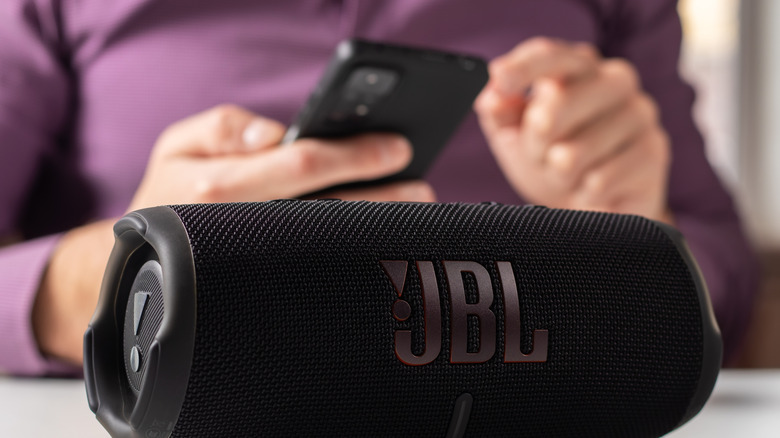
While IPX7/IP67 offers substantial protection, the IP68 rating represents an even higher echelon of water resistance. Devices with an IP68 rating can survive continuous immersion in water under conditions specified by the manufacturer, which typically means deeper than 1 meter and for longer durations than 30 minutes. For example, some manufacturers might specify protection up to 1.5 meters for 30 minutes, or even more. This enhanced capability makes IP68 speakers particularly suitable for more demanding scenarios, such as extended time near deep water, or situations where submersion is more likely and potentially prolonged. The JBL Charge 6, for instance, mentioned in the original context, achieves this fabled IP68 rating, positioning it as a top-tier choice for durability. It’s crucial to remember, however, that even an IP68-rated device is not "fully waterproof" in an absolute sense; there are still limits to depth, duration, and the type of liquid it can withstand. Factors like extreme water pressure, high temperatures, or corrosive liquids (like highly chlorinated pool water or saltwater) can still compromise seals over time.
IPX6/IP66: Robust Against Powerful Jets
While not designed for submersion, speakers with an IPX6 or IP66 rating offer excellent protection against powerful water jets. This means they can easily handle heavy rain, splashes from a boat, or even being hosed down for cleaning. For users who need a speaker that can endure severe weather conditions or be used in environments where direct, forceful water exposure is common but submersion is unlikely, an IP66 rating (which includes dust-tightness) is highly advantageous. This makes them perfect for outdoor parties, gardening, or camping trips where a sudden downpour is a possibility.
IPX5/IP65 and IPX4/IP64: Everyday Splash and Spray Resistance
Moving down the scale, IPX5/IP65 offers protection against water jets, suitable for splashes and light rain. An IPX4/IP64 rating protects against splashing water from any direction, making it suitable for shower use or light outdoor exposure. While these ratings are less robust than IP67 or IP68, they still provide significant peace of mind for everyday use, guarding against accidental spills or light precipitation. Many mid-range portable speakers offer at least an IPX4 rating, making them suitable for typical household use, even in bathrooms.
Practical Applications and Real-World Limitations
The practical implications of these IP ratings are diverse, shaping how and where consumers confidently use their Bluetooth speakers. However, it’s equally important to understand the inherent limitations of these certifications.
Scenario-Based Durability:
- Shower Use: For those who enjoy music in the shower, an IPX4 or IPX5 rating might suffice for splashes, but an IPX6 or, preferably, IPX7 offers greater assurance against direct streams and steam.
- Beach and Poolside: This is where IP67 or IP68 shines. Accidental drops into a pool, splashes from vigorous swimming, or even being buried momentarily in sand are all within the operational limits of these highly rated devices. However, after exposure to saltwater or chlorinated water, it’s always advisable to rinse the speaker with fresh tap water to prevent corrosion of ports and seals.
- Hiking and Camping: An IP66 or IP67 speaker is a reliable companion for the outdoors. It can endure unexpected rain, dusty trails, and even muddy conditions, allowing adventurers to enjoy their music without constant worry.
- Boating and Water Sports: For activities on or near water, an IP67 or IP68 rating is paramount. Some speakers are even designed to float, adding an extra layer of practicality.
The "Waterproof" Misconception:
It’s critical for consumers to distinguish between "waterproof" and "water-resistant." No consumer electronic device is truly "waterproof" in the sense of being indefinitely impervious to water under all conditions. IP ratings specify resistance under controlled laboratory conditions, which may not perfectly replicate real-world scenarios. Factors such as water temperature, pressure from fast-moving water, the chemical composition of the water (salt, chlorine, soap), and the age and condition of the device’s seals can all affect its resistance over time. A device rated IP68, while highly resistant, can still be damaged if exposed to conditions exceeding its specified limits or if its seals degrade.
Warranty Considerations:
Manufacturers’ warranties often contain clauses regarding water damage. Even for IP-rated devices, damage sustained outside the specified parameters (e.g., submersion deeper or longer than rated, exposure to non-freshwater) may not be covered. It’s always advisable to consult the specific warranty details provided by the manufacturer.
The Evolution of Ruggedized Audio and Market Trends
The demand for durable and water-resistant Bluetooth speakers reflects a broader trend in consumer electronics, driven by evolving lifestyles and technological advancements. The journey of portable audio has seen a significant transformation, from bulky boomboxes and personal cassette players to sleek digital music players and, eventually, the highly versatile Bluetooth speaker.
The advent of Bluetooth technology untethered audio from physical connections, paving the way for truly portable sound experiences. Concurrently, a growing interest in outdoor activities, adventure sports, and general on-the-go entertainment fueled the need for electronics that could withstand the rigors of these environments. Early Bluetooth speakers were often fragile, susceptible to even minor splashes. However, as manufacturing techniques improved and sealing technologies advanced, the integration of robust IP ratings became a key differentiator.
The global portable Bluetooth speaker market has experienced substantial growth, with market research indicating its valuation in billions of dollars and projecting continued expansion. A significant driver of this growth is the increasing consumer demand for ruggedized and water-resistant models. Manufacturers have invested heavily in research and development to incorporate durable materials, advanced sealing gaskets, and hydrophobic coatings, all while striving to maintain high-fidelity audio performance. This technological evolution ensures that consumers no longer have to sacrifice sound quality for durability.
Beyond IP: Additional Considerations for Durability
While the IP rating is a cornerstone for assessing a speaker’s resistance to dust and water, a holistic view of durability involves other factors that contribute to a device’s longevity and performance in challenging environments.
- Dust Resistance (The First IP Digit): For outdoor enthusiasts, the first digit of the IP rating is almost as important as the second. An IP6X rating, signifying complete dust-tightness, is invaluable for beach trips where fine sand can infiltrate delicate components, or for construction sites and dusty trails where airborne particles are abundant. Dust ingress can cause internal damage, affect button functionality, and degrade overall performance.
- Shock and Drop Resistance: The IP rating does not cover protection against physical impact. Many rugged Bluetooth speakers, however, are also designed with reinforced casings, rubberized bumpers, and internal shock absorption to withstand drops and impacts. While there isn’t a single universal standard like IP for drop resistance, some manufacturers may refer to military standards like MIL-STD-810G, which specifies various environmental tests, including shock and vibration.
- Battery Life: For extended outdoor adventures, a speaker’s battery life becomes a crucial aspect of its utility. A highly durable speaker that runs out of power quickly negates its purpose. Manufacturers often balance ruggedness with efficient power management to provide hours of playback.
- Sound Quality: Durability should not come at the expense of audio performance. Reputable brands strive to design "rugged" speakers that still deliver clear highs, rich mids, and satisfying bass, often employing innovative acoustic designs that are resistant to water without muffling the sound.
- Portability and Design Features: Practical design elements enhance a rugged speaker’s usability. This includes integrated carabiner clips for attachment to backpacks, compact and lightweight designs for easy transport, and in some cases, the ability to float, which is particularly useful for water-based activities.
Making an Informed Purchase Decision
Selecting the right waterproof Bluetooth speaker requires a thoughtful evaluation of intended use, specific needs, and understanding the nuances of product specifications.
- Assess Your Primary Use Case: Are you primarily using it in the shower, by the pool, on extreme outdoor adventures, or just for general peace of mind against spills? This will help determine the minimum IP rating required.
- Prioritize the IP Rating: If regular submersion is a possibility, an IP67 or IP68 rating is essential. For protection against heavy rain and splashes, IP66 or IPX6 might suffice. For lighter exposure like showering or minor splashes, IPX4 or IPX5 could be adequate.
- Read Manufacturer Specifications Carefully: Do not rely solely on marketing claims. Always check the official IP rating and any additional details provided by the manufacturer regarding the specific limits of water depth, duration, and water type (e.g., fresh water only).
- Consult Reviews and Expert Opinions: Independent reviews and comparisons can offer valuable insights into a speaker’s real-world performance and durability, often highlighting aspects not covered by official ratings.
- Consider Brand Reputation: Established audio brands with a track record of quality and customer support often provide more reliable IP ratings and better overall product longevity.
- Don’t Overlook Other Features: While water resistance is key, consider other features like sound quality, battery life, multi-speaker pairing, and charging options to ensure the speaker meets all your needs.
Maintenance and Longevity of Waterproof Speakers
Even the most robust IP-rated speakers benefit from proper care to maximize their lifespan and maintain their protective qualities.
- Rinse After Exposure: After use in saltwater or chlorinated water, always rinse the speaker thoroughly with fresh tap water to remove corrosive residues. Allow it to air dry completely before charging or using it again.
- Ensure Ports are Sealed: Before any water contact, always double-check that all port covers (for USB charging, auxiliary input) are securely closed. A single open port can compromise the entire water resistance.
- Avoid Extreme Temperatures: Prolonged exposure to very high or very low temperatures can affect the integrity of the seals and internal components.
- Gentle Cleaning: Clean the speaker’s exterior with a soft, damp cloth. Avoid harsh chemicals or abrasive materials that could damage the outer shell or seals.
- Proper Storage: Store the speaker in a clean, dry environment when not in use, away from direct sunlight or extreme conditions.
Broader Market Impact and Future Outlook
The continuous innovation in waterproofing and ruggedization technologies has a significant impact on the consumer electronics market. It fosters consumer confidence, allowing users to integrate technology seamlessly into more aspects of their lives without fear of damage. This, in turn, drives market expansion and encourages product differentiation among manufacturers.
Looking ahead, the trend towards greater durability in portable audio is likely to continue. We can anticipate further advancements in materials science, leading to even lighter, stronger, and more resistant speakers. Integration with smart features, such as voice assistants and enhanced connectivity options, will also evolve, making rugged speakers not just durable but also intelligent companions. Furthermore, as environmental consciousness grows, manufacturers may increasingly focus on sustainable design practices, using recycled materials and ensuring the longevity of products to reduce electronic waste. The IP rating system will remain a critical benchmark, continually evolving to meet new challenges and provide consumers with the clarity needed to choose the perfect audio companion for any environment.