Galang Taruna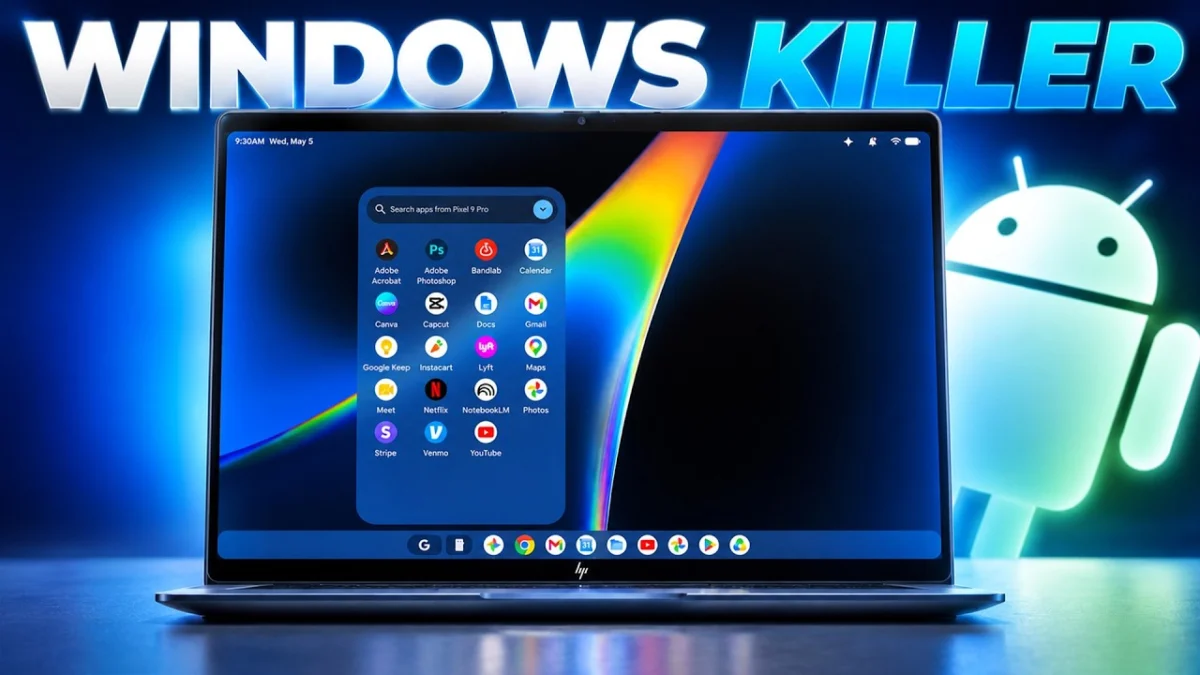
In a significant strategic pivot set to reshape the personal computing landscape, Google is poised to definitively move beyond its long-standing Chromebook initiative. As of September 2026, the technology giant has officially unveiled its successor, the "Googlebook," a new line of laptops designed around a deeply reimagined Android operating system and infused with advanced artificial intelligence capabilities. This ambitious new platform aims to directly challenge the entrenched duopoly of Microsoft’s Windows and Apple’s macOS, offering a seamless and unified ecosystem for the vast global Android user base.
A Decisive Break from the Chromebook Era
For over a decade, Google’s Chromebooks, powered by the lightweight Chrome OS, have carved out a niche primarily within the education sector and the budget-conscious consumer market, particularly in the United States. While lauded for their simplicity, affordability, and robust cloud integration, they largely struggled to gain widespread traction as primary computing devices for general consumers and professionals. The limitations of a web-centric operating system, often perceived as a "browser on a laptop," and a comparatively restricted native application ecosystem, prevented Chrome OS from making a substantial dent in the traditional PC market dominated by more versatile and powerful operating systems.
The introduction of Googlebook marks a radical departure from this strategy. Instead of iterating on Chrome OS, Google has opted for a complete overhaul, adapting its mobile operating system, Android, to the desktop form factor. This move is not merely an aesthetic redesign; it represents a fundamental shift in Google’s vision for personal computing, aiming to leverage Android’s colossal user base and expansive app ecosystem to create a truly unified cross-device experience. The company’s objective is clear: to offer an integrated computing environment as cohesive and intuitive as the one enjoyed by users within Apple’s ecosystem, seamlessly connecting smartphones and laptops.
The Genesis of Google Book OS: Android Reimagined for Desktop
At the heart of the Googlebook experience lies Google Book OS, a new operating system that, while fundamentally Android, has been profoundly re-engineered for the PC environment. Unlike previous attempts to simply run Android apps on Chrome OS, Google Book OS features a desktop-first interface, meticulously crafted with Google’s Material You design language. This aesthetic continuity ensures that users of Google Pixel smartphones, and indeed many other Android devices, will find the visual language and user experience instantly familiar, promoting ease of adoption and a sense of continuity across devices.
The underlying architecture of Google Book OS focuses on optimizing Android applications for larger screens, keyboard and mouse input, and multi-window multitasking, addressing critical shortcomings of prior Android-on-desktop endeavors. This commitment extends beyond mere visual scaling; it involves deeper system-level optimizations to ensure smooth performance, efficient resource management, and robust compatibility with desktop peripherals. The integration of the full Google Play Store allows Googlebook users to install and run native Android applications directly, moving beyond web shortcuts to provide genuine local software experiences. This is a crucial distinction, enabling the use of powerful mobile-first applications like video editors (e.g., Capcut) or graphically intensive games without the friction or compromises often associated with emulation or web-based alternatives.
Seamless Continuity: The "Continue On" Feature and Ecosystem Integration
One of the most compelling features of Google Book OS is "Continue On," a powerful cross-device continuity option designed to dissolve the barriers between smartphone and laptop. This functionality allows users to instantly access files from their Android smartphone without the need for cables or complex setup procedures. More impressively, "Continue On" enables users to open and control their mobile applications directly from the Googlebook’s taskbar. This means a user could start drafting an email on their phone, then seamlessly pick up where they left off on their Googlebook, or respond to a messaging app notification from their laptop, all without breaking their workflow.
This level of integration is a direct response to the increasing demand for fluid transitions between devices in a multi-device world. Apple has long set the standard for such continuity with features like Handoff and Universal Clipboard, and Google’s "Continue On" aims to replicate, and potentially surpass, that seamless experience for Android users. The ability to manage smartphone notifications, share clipboard content, and even make calls directly from the laptop promises to significantly enhance productivity and reduce context switching, a common frustration for modern users.
The Power of AI: Gemini Integration and Intelligent Interactions
Beyond ecosystem unification, the Googlebook’s second major pillar is its deep integration of artificial intelligence, spearheaded by Google Gemini. This AI integration is designed to transform everyday computing tasks, making interactions more intuitive and efficient. A standout feature is the "magic cursor," a novel interaction model where simply wiggling the mouse cursor can trigger a screenshot and immediately prompt Gemini to analyze and provide information about the displayed content. This real-time contextual awareness allows users to quickly get answers, explanations, or related data about anything on their screen without interrupting their flow.
Furthermore, Google has highlighted a remarkably effective semantic indexing system for files. Unlike traditional file search, which relies on filenames or basic metadata, Google Book OS leverages Gemini’s AI to analyze the actual content of files. For instance, an image simply named "img35.jpeg" can be effortlessly retrieved by typing "apartment floor plan" into the search bar, because the AI has processed and understood the visual content of the image in the background. This semantic search capability extends to documents, presentations, and other file types, promising to revolutionize how users find and manage their digital assets, especially those with large and disorganized libraries.
While these AI features represent a significant leap forward, Google acknowledges that the integration is still evolving. Initial observations suggest that while Gemini offers powerful analytical capabilities, it sometimes lacks the ability to directly execute complex actions on behalf of the user, such as automatically activating Wi-Fi or launching specific system settings without further manual input. This indicates a roadmap for future development, where Gemini could evolve into a more proactive "agent" capable of performing multi-step tasks based on user intent.
Hardware Partnerships and Target Market
In a strategic move echoing its Pixel smartphone line, Google will not be manufacturing Googlebook hardware itself. Instead, it will collaborate with a roster of established PC manufacturers, including long-standing partners such as Asus, Acer, HP, Lenovo, and Dell. This approach allows Google to focus on software development and ecosystem growth, while leveraging the manufacturing expertise, supply chains, and distribution networks of these industry veterans. This strategy also ensures a diverse range of hardware options, catering to different price points and form factors, although the initial focus appears to be on devices optimized for Google Book OS.
The Googlebook is primarily positioned for general productivity, everyday computing tasks, and light entertainment. It is designed for users who prioritize simplicity, seamless cross-device integration, and access to a vast array of mobile applications. This positioning suggests that, for now, Google is not directly targeting the high-end professional market that demands extreme processing power for intensive tasks like 3D rendering, complex video editing, or high-performance scientific computing. Instead, the Googlebook aims to capture a significant share of the mainstream laptop market, offering a compelling alternative to traditional Windows laptops and Apple MacBooks for a broad segment of consumers and knowledge workers.
The Broader Market Context: Challenging the Incumbents
Google’s entry into the PC market with Googlebook arrives at a pivotal time. The PC market, while resilient, has seen shifts in demand, particularly after the surge during the pandemic. Chromebooks experienced a significant boost during this period, primarily due to remote learning needs, reaching a peak of over 10% market share in some quarters in 2021. However, this growth proved unsustainable, with market share declining as educational institutions completed their device upgrades and consumer interest waned. This fluctuation underscored the need for a more robust and versatile platform if Google intended to compete seriously in the mainstream.
Microsoft’s Windows remains the undisputed leader in personal computing, commanding over 70% of the global desktop and laptop market. Its enduring dominance is attributed to its vast software compatibility, extensive hardware support, and deep integration into enterprise environments. Apple’s macOS, while holding a smaller but significant share (around 15-20%), particularly in creative and professional fields, benefits immensely from its tightly integrated hardware and software ecosystem, fostering strong brand loyalty and user satisfaction. The Googlebook’s challenge is not merely to offer a new operating system, but to convince users to switch from platforms they have relied on for decades, offering a compelling blend of novelty and familiarity.
The rising prominence of artificial intelligence across all computing platforms further complicates the landscape. Microsoft has heavily invested in AI with Copilot, integrating it deeply into Windows and its Office suite. Apple is also making significant strides in on-device AI for macOS and iOS. Google’s Gemini integration in Googlebook positions it firmly in this AI arms race, suggesting that future computing experiences will be defined not just by raw power, but by intelligent assistance and contextual understanding.
Analyst Perspectives and Future Implications
Industry analysts have largely viewed Google’s Googlebook initiative as a bold, yet necessary, strategic move. Many concur that the Chromebook model, while successful in its niche, lacked the broad appeal required to truly compete with Windows and macOS. The shift to a re-engineered Android, leveraging its massive mobile app ecosystem and user familiarity, is seen as a more viable path to market disruption.
"This is a critical pivot for Google," commented a leading tech analyst. "They’re moving from a ‘web-first’ approach with Chrome OS to an ‘app-first’ and ‘AI-first’ strategy with Googlebook. The success will hinge on developer adoption and how well Android apps can truly adapt to a desktop environment, moving beyond mobile-centric UI." Another expert noted, "The ‘Continue On’ feature is a game-changer for Android users, offering a level of seamlessness that could finally rival Apple’s ecosystem. The AI capabilities, especially semantic search, could be genuinely transformative for productivity."
However, challenges remain. The long-term success of Googlebook will depend on several factors:
- Developer buy-in: Will Android developers invest the resources to optimize their applications for Google Book OS’s desktop interface, ensuring they offer a full-fledged experience rather than just scaled-up mobile apps?
- Performance and Stability: Can Google Book OS deliver the consistent performance and stability expected of a desktop operating system across a diverse range of OEM hardware configurations?
- User Perception: Overcoming the perception that Android is solely a mobile OS will be crucial. Google needs to demonstrate that Googlebook is a legitimate, powerful, and versatile computing platform in its own right.
- Security and Updates: Maintaining a robust security posture and delivering timely, consistent updates across multiple OEM devices will be an ongoing challenge.
Despite these hurdles, the Googlebook represents Google’s most concerted effort yet to establish a strong presence in the mainstream PC market. By combining the familiarity of Android, the power of a vast app ecosystem, and cutting-edge artificial intelligence, Google aims to offer a compelling alternative that could redefine the expectations for personal computing. The next few years will reveal whether this bold gamble pays off, fundamentally altering the competitive landscape and offering users a truly unified and intelligent computing experience across their devices.