Vera Intan Clara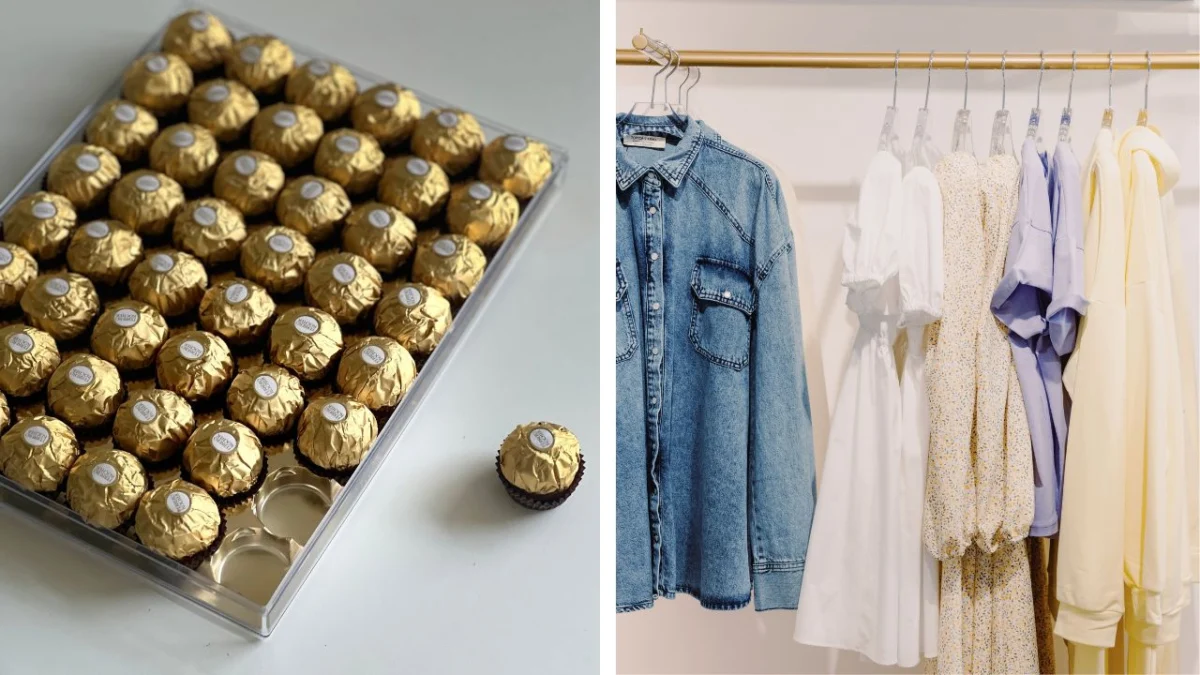
A recent discussion initiated on the popular subreddit r/AskReddit has cast a stark light on the often-overlooked realities of growing up in poverty, revealing what many from economically disadvantaged backgrounds considered genuine luxuries. Titled "People that grew up being poor, what did you believe was a luxury?", the thread quickly garnered significant attention, accumulating over 2,900 comments since its publication and sparking a widespread conversation about privilege, social status, and the subtle markers of economic disparity. The candid testimonies shared by users paint a poignant picture of childhoods shaped by financial constraints, where seemingly mundane items or experiences were elevated to the status of unattainable desires, highlighting the profound and lasting impact of socioeconomic conditions on individual perceptions and life trajectories.
The High Price of New Clothes and Social Acceptance
One of the most frequently cited "luxuries" in the Reddit thread was the simple act of owning new clothes. This seemingly basic consumer experience, often taken for granted in more affluent households, emerged as a potent symbol of status and belonging for those who grew up without. A poignant account detailed a childhood spent exclusively in hand-me-down garments from four older cousins. The commenter described not only the wear and tear, randomness, and outdated styles of these clothes but also the deeper consequence: a palpable lack of personal fashion sense and an inability to express individuality through attire.
The psychological impact of this reality was further underscored by a particularly harsh anecdote involving a winter jacket. The user recounted the humiliation of being forced to wear a brightly colored neon jacket retrieved by their mother from a neighbor’s garbage bin across the street from school. The jacket, recognizable to classmates from its recent discard, became a visible badge of poverty, exposing the child to the cruel taunts of twelve-year-olds. This incident, while specific, resonates with broader sociological studies on the role of clothing in social stratification and peer acceptance among adolescents. For children from low-income families, the inability to afford fashionable or even simply new clothing can lead to feelings of shame, isolation, and social anxiety, affecting self-esteem and hindering their ability to form social bonds.
According to data from the National Center for Children in Poverty (NCCP), children living in poverty are more likely to experience social exclusion and bullying due to visible markers of their economic status, including clothing. The lack of new attire can signify not just financial hardship but also a perceived lower social standing, impacting a child’s confidence and engagement in school activities. The "Starter jacket" phenomenon, popular in the late 1980s and early 1990s, serves as a historical reference point, illustrating how specific brand-name items can become powerful symbols of status and affluence, further isolating those who cannot afford them. The pursuit of "cool" or branded clothing often places an immense financial burden on low-income families, forcing difficult choices between basic necessities and items crucial for a child’s social integration.
The Culinary Divide: Butter, Margarine, and the Taste of Wealth
Beyond material possessions, the Reddit discussion unveiled a stark contrast in everyday culinary experiences. Several users highlighted real butter as an unexpected luxury, juxtaposed against the common use of margarine and Miracle Whip in their households. One commenter vividly recalled tasting real butter at a relative’s house, a moment that led them to believe their relatives were "rich." This perception lingered into adulthood, culminating in the symbolic purchase of real butter with their first significant paycheck, a poignant act of reclaiming a childhood desire.
This distinction between butter and margarine, while seemingly minor, reflects broader patterns of food consumption influenced by socioeconomic status. Historically, margarine was developed as a cheaper alternative to butter, often fortified and marketed as a budget-friendly option. For families struggling with food insecurity or navigating tight budgets, these cost-effective substitutes become staples. The user’s revelation, "We grew up on margarine and Miracle Whip. I remember as a kid thinking that mayo was revolting and butter tasted weird," speaks to the adaptive preferences developed in environments of limited choice. What is readily available becomes the norm, shaping taste buds and perceptions of what "good" food entails.
According to the U.S. Department of Agriculture (USDA) Economic Research Service, lower-income households often spend a higher proportion of their income on food but tend to purchase less expensive, often processed, alternatives to fresh produce and higher-quality ingredients. This can lead to dietary patterns that, while filling, may lack the nutritional diversity or sensory appeal associated with more expensive foodstuffs. The psychological aspect is significant; food is not just sustenance but also a source of pleasure and social connection. Denying oneself or one’s family "better" food due to cost can be a constant reminder of financial hardship. The eventual purchase of real butter signifies not just a change in economic circumstances but a symbolic indulgence, a small victory against past deprivations.
Childhood Pleasures: McDonald’s, Pokémon, and the Markers of Discretionary Income
For many children, certain popular culture phenomena and fast-food treats serve as integral parts of their social landscape. The Reddit thread revealed that for those in poverty, even these seemingly ubiquitous elements were considered luxuries. McDonald’s Happy Meals and Pokémon cards were specifically cited as indicators of affluence among peers. One user recalled thinking their friends with Pokémon cards and frequent McDonald’s visits had "rich parents," noting that their own family didn’t visit McDonald’s until they were around 12 years old.
This sentiment underscores the role of discretionary spending in childhood social dynamics. McDonald’s, particularly its Happy Meals, is heavily marketed to children, associating the food with toys, fun, and celebration. For families with limited budgets, a trip to McDonald’s is not an everyday convenience but a significant expenditure, often reserved for rare occasions or forgone entirely. The inability to participate in such common childhood experiences can foster feelings of being "different" or left out, reinforcing the awareness of one’s economic standing from a young age.
Similarly, Pokémon cards, which surged in popularity in the late 1990s and early 2000s, represent a form of collectible social currency. Owning these cards, trading them, and participating in the associated games were vital aspects of many children’s social lives. For children in poverty, the cost of booster packs or starter decks was often prohibitive, meaning they were excluded from a significant cultural touchstone shared by their peers. This exclusion extends beyond just missing out on a game; it means missing out on shared conversations, trading opportunities, and the sense of belonging that comes from participating in popular trends. The perceived "richness" of parents who could afford these items speaks volumes about how children interpret economic disparities through the lens of their immediate social environment.
Beyond Material Goods: The Luxury of Care and Safety
Perhaps the most poignant revelations in the Reddit thread concerned non-material "luxuries" – experiences related to parental care, safety, and reliable transportation. Being picked up from school, a routine event for many students, emerged as a surprising luxury for some. One commenter’s simple yet profound statement, "Being picked up at all, actually," encapsulated the sentiment. Another user shared a harrowing personal account of being forgotten at school multiple times, forcing them to walk home for "a few hours long on roads that you shouldn’t be walking on." The stark concluding phrase, "This is real," underscored the gravity and danger of their childhood reality.
These experiences highlight the invisible burdens of poverty that extend far beyond material deprivation. For parents struggling to make ends meet, often working multiple jobs with inflexible hours or lacking reliable transportation, picking up children from school can become an insurmountable logistical challenge. This is particularly true in areas with inadequate public transport infrastructure, where walking long distances on unsafe roads becomes the only option. The absence of a parent at dismissal time is not necessarily a reflection of neglect but often a symptom of systemic economic hardship and the impossible choices low-income families are forced to make daily.
The implications for child safety and well-being are significant. Children walking alone for hours, especially on dangerous roads, face increased risks of accidents, harassment, or abduction. Beyond physical safety, the emotional impact of being forgotten or having to undertake such arduous journeys can foster feelings of abandonment, anxiety, and a premature sense of self-reliance. It forces children to navigate adult-level responsibilities and dangers long before they are emotionally equipped, impacting their sense of security and trust. This type of "luxury" — the assurance of safe, reliable transportation and parental presence — speaks to a fundamental level of care and stability that poverty often erodes.
Small Indulgences: Ferrero Rocher and the Enduring Power of Symbolic Treats
Among the myriad items discussed, the Italian chocolate and hazelnut confectionery, Ferrero Rocher, was repeatedly mentioned as a luxury item. Its distinctive gold wrapper and relatively higher price point compared to standard chocolate bars made it a symbol of special occasions and indulgence. One user humorously noted, "Man, I got hired as an executive in an investment fund and still wouldn’t buy FR because it was too expensive lol," illustrating how the perception of an item as a luxury can persist long after one’s economic circumstances have improved. Another shared a tender memory: "My grandfather bought me this as a kid. I just couldn’t eat it because it’s so special. Lol."
Ferrero Rocher’s inclusion in this list highlights the psychological aspect of "affordable luxuries" – items that, while not prohibitively expensive for all, are still a significant discretionary purchase for those on tight budgets. For children in poverty, receiving such a treat is rare, imbuing it with immense symbolic value. It becomes a marker of being cherished, of a brief escape from financial realities, or a tangible connection to someone who can afford such a thoughtful gesture. The act of preserving such a treat, as one commenter did, underscores its perceived preciousness and the rarity of such indulgences. This phenomenon extends to many small, non-essential items that serve as emotional comforts or social lubricants. These items, often consumed without thought in more affluent settings, take on heightened significance in contexts of scarcity. They represent not just the item itself but the freedom to choose, to enjoy, and to momentarily transcend the limitations of poverty.
Broader Societal Context: Understanding the Landscape of Poverty
The insights from the Reddit discussion are not isolated anecdotes but reflect systemic issues related to poverty and socioeconomic inequality. According to the U.S. Census Bureau, the official poverty rate in 2022 was 11.5 percent, with 37.9 million people living in poverty. Child poverty rates, while fluctuating, remain a persistent concern. The experiences shared on Reddit span generations, indicating that while specific "luxury" items may change with cultural trends, the fundamental realities of growing up poor – and the resulting perceptions of what constitutes a luxury – remain remarkably consistent.
Poverty impacts nearly every facet of life, from physical health and educational attainment to social development and mental well-being. Children from low-income families often face inadequate nutrition, limited access to quality healthcare, unstable housing, and fewer educational resources. These challenges contribute to a cycle of poverty that is difficult to break. The seemingly small "luxuries" discussed on Reddit are symptomatic of deeper structural inequalities, where basic comforts and social participation are contingent on financial means. Economists and sociologists frequently emphasize the "hidden costs" of poverty. Beyond the direct financial strain, there are significant psychological tolls, including chronic stress, anxiety, and feelings of shame or inadequacy. These experiences can lead to long-term behavioral patterns, such as an aversion to spending on non-essentials even when finances improve, or a heightened appreciation for simple pleasures. The Reddit thread serves as a powerful qualitative data point, illustrating the subjective and deeply personal dimensions of these broad societal challenges.
Expert Perspectives and Psychological Impact
Psychologists and child development experts often highlight the profound impact of social comparison and perceived status on children’s self-esteem and identity formation. Sociologists specializing in childhood poverty might suggest that "children are acutely aware of social hierarchies, and visible markers of economic difference, like clothing or access to popular items, can significantly shape their self-perception and peer relationships. The inability to participate in common activities or own popular items can lead to feelings of exclusion, which can have lasting psychological effects."
The anecdotes shared on Reddit underscore the concept of "toxic stress" associated with chronic poverty. Living in an environment of constant scarcity and uncertainty can activate the body’s stress response system, affecting brain development and emotional regulation. The trauma of being forgotten at school, or the shame of wearing discarded clothing, are not just isolated incidents but contribute to a cumulative burden of stress that children in poverty disproportionately bear. The act of "saving" a Ferrero Rocher or buying real butter as an adult can be interpreted as a form of self-healing or a symbolic reclamation of dignity and control over one’s life.
Broader Implications and Fostering Empathy
The r/AskReddit discussion serves as more than just an interesting collection of anecdotes; it functions as a crucial empathy-building exercise. By offering a direct window into the lived experiences of individuals who grew up in poverty, it challenges preconceived notions of what constitutes "normal" or "basic" in society. For many readers from more privileged backgrounds, the thread illuminates a parallel reality where items like new socks, a stable home, or even a parent being