Sonny Valindra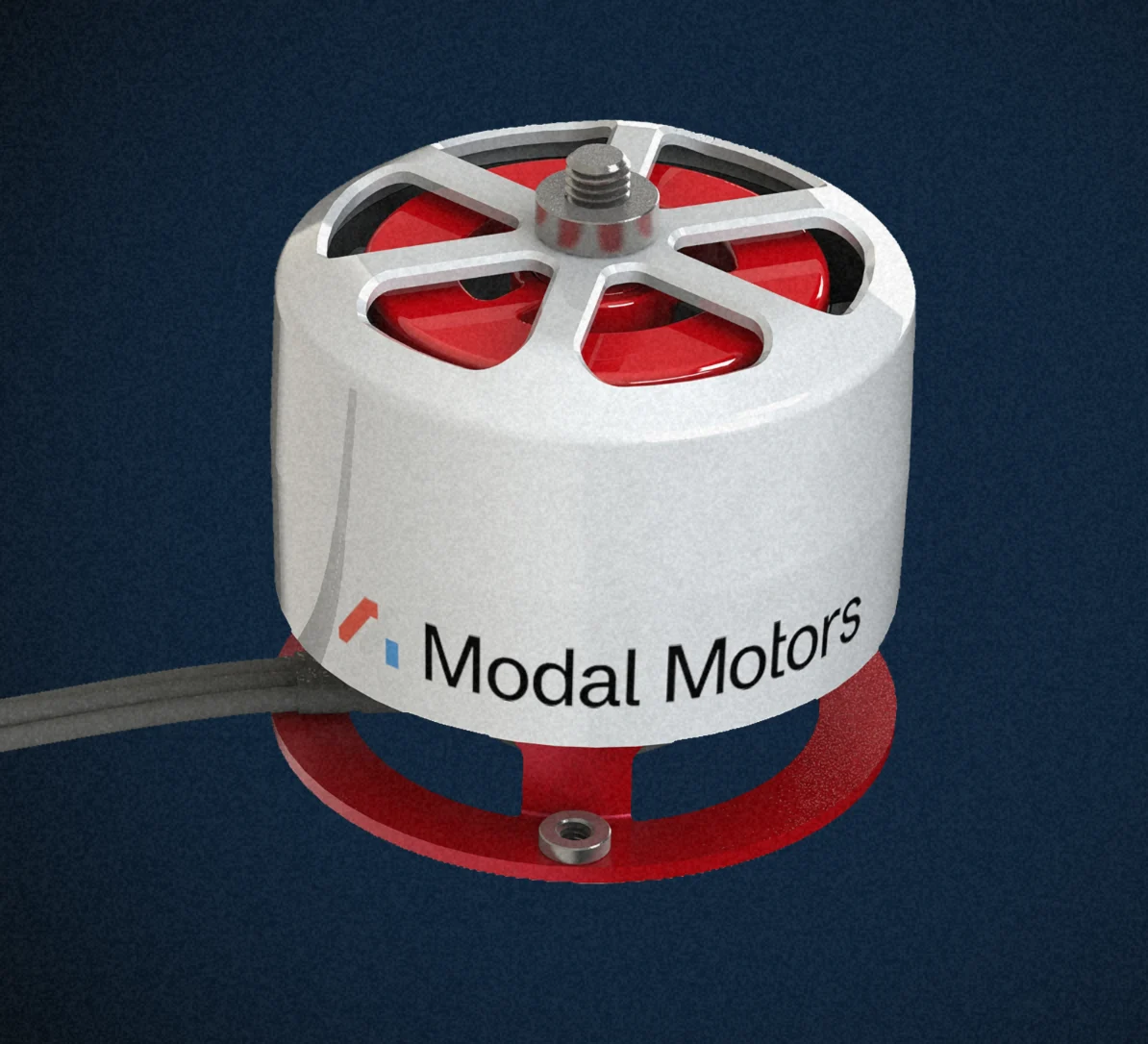
The burgeoning movement to repatriate manufacturing to the United States, particularly in advanced sectors like drones and robotics, is gaining significant traction. At the forefront of this national industrial resurgence is Michael Van Steenburg, founder of Modal Motors, a startup poised to redefine the domestic electric motor landscape by fundamentally altering its reliance on critical, often China-controlled, raw materials. Van Steenburg’s ambitious vision centers on developing electric motors that entirely eschew rare-earth magnets, a strategic pivot designed to sever U.S. dependence on China’s dominant supply chain for these vital components.
Van Steenburg is no newcomer to the intricacies of electric motor production. He brings a decade of experience in manufacturing electric motors within the United States and North America. Now, with Modal Motors, he aims to replicate and advance this capability, specifically targeting the vulnerability inherent in the current global supply chain for rare-earth magnets. This strategic differentiation is not merely an operational choice; it is presented as an urgent necessity, particularly as U.S. companies and policymakers grapple with the geopolitical implications of resource control.
Modal Motors is set to present its innovative approach at TechCrunch Disrupt next month, where it will compete as one of the founders in Startup Battlefield 200. This high-profile platform underscores the perceived urgency and potential impact of Van Steenburg’s venture. The urgency is rooted in a growing awareness of China’s significant leverage in the global rare-earth market. "China’s already flexed its muscles a couple times," Van Steenburg stated, referencing instances where the country has restricted access to rare-earth products. This assertion highlights a tangible risk for industries heavily reliant on these materials, including the rapidly expanding electric vehicle and advanced technology sectors.
While other companies are actively pursuing the establishment of domestic electric motor manufacturing and supply chains, Van Steenburg contends that their strategies fall short by continuing to incorporate rare-earth magnets. He argues that the domestic supply of these critical minerals remains years away from achieving the scale and reliability necessary to compete with established international sources. This perceived inadequacy in competing "reshoring" efforts is a key point of Van Steenburg’s critique. "Other people are ‘reshoring,’ [but] they’re basically knocking off Chinese motors and just doing it in the U.S. But they’re hoping that the U.S. rare-earth magnet system is going to get up to speed fast enough," he explained. "It’s going to still be a while longer before they can actually replace China."
The implications of this dependency are far-reaching. Rare-earth elements, despite their name, are not exceptionally rare in the Earth’s crust. However, their extraction and processing are complex, environmentally intensive, and, crucially, geographically concentrated. China has historically dominated the global supply, controlling an estimated 60% of global mine production and over 85% of the world’s rare-earth processing capacity. This dominance grants China considerable geopolitical influence, as demonstrated by past instances of export restrictions that have impacted global markets and industries. For the United States, which is actively seeking to bolster its domestic manufacturing base and reduce reliance on geopolitical rivals, securing a stable and independent supply of critical components like electric motors is paramount.
Modal Motors’ Product Innovations
Modal Motors is currently developing two distinct product lines, both designed to be free of rare-earth magnets and to address specific market needs. The first is a compact electric motor engineered for drones, but with versatile applications extending to fans, blowers, and actuators. This motor is characterized by its focus on optimizing the balance between mass, torque density, and efficiency, crucial attributes for performance-driven applications like unmanned aerial vehicles. The specifications provided by the startup emphasize a design that "minimize mass while delivering maximum torque density and efficiency," a testament to its engineering priorities.
The more groundbreaking of the two offerings is the "Hybrid Enigma Drive." This innovative design features a planar, or flat, electric motor architecture. Such a form factor is particularly advantageous for applications where space is at a premium, allowing for integration into lower-profile designs and potentially enabling new product configurations across various industries, from automotive to consumer electronics. The development of this unique motor typology suggests a forward-thinking approach to addressing evolving design and engineering challenges.
Van Steenburg’s extensive background in the automotive industry, spanning decades, informs the development of these motors and their readiness for customer deployment. This deep well of experience is crucial for navigating the complexities of product development, manufacturing scale-up, and market integration. However, there is a notable historical irony in Van Steenburg’s current pursuit of a China-free motor solution. In the late 1990s, he was involved in the development of a hybrid gas-electric drivetrain that China expressed interest in integrating into its nascent "People’s Car" initiative. This historical connection underscores the dramatic shifts in global industrial dynamics and geopolitical alignments over the past quarter-century.
Reflecting on this past experience, Van Steenburg remarked, "It’s kind of comical," acknowledging the profound changes in the global landscape. Yet, he identifies a consistent thread in his professional journey: an "outsider streak" and a strong conviction for tackling challenging endeavors. This personal attribute appears to be a driving force behind his current, complex undertaking to build a truly independent domestic supply chain for a critical technology component.
The Long Shadow of Rare-Earth Dominance
Van Steenburg’s concerns about China’s monopolization of the rare-earth supply chain are not new and have been a subject of increasing geopolitical discussion. "I always tell people that the clock started ticking 25 years ago, and in that whole time, I’ve watched a slow-motion train wreck as China’s been going around the world, grabbing mines, grabbing mineral rights, doing all these things, and slowly but surely monopolizing the entire rare-earth supply chain," he articulated. This narrative of strategic acquisition and market consolidation has, over decades, positioned China as an indispensable player in a market critical for numerous advanced technologies, including renewable energy systems, defense applications, and consumer electronics.
The economic and strategic implications of this dominance are substantial. The United States, for example, has historically relied on imports for the vast majority of its rare-earth mineral needs. While domestic exploration and development efforts are underway, establishing a full-scale, environmentally compliant, and economically competitive rare-earth supply chain is a monumental task. Estimates suggest that bringing new rare-earth mines and processing facilities online can take anywhere from seven to fifteen years, a timeline that underscores the immediate challenges faced by industries seeking to diversify their sourcing.
The U.S. Department of the Interior has identified rare earths as critical minerals essential for national security and economic prosperity. Initiatives like the Defense Production Act have been invoked to support domestic production of critical minerals, including those necessary for high-performance magnets used in electric motors and wind turbines. However, the sheer scale of China’s existing infrastructure and its integrated supply chain present a formidable barrier to entry for new domestic producers.
Broader Impact and Industry Analysis
Modal Motors’ strategy of eliminating rare-earth magnets addresses a fundamental bottleneck in the reshoring narrative. By seeking to circumvent the need for these specific materials, the company positions itself as a potentially more viable and immediate solution for domestic manufacturing independence. This approach could have significant ripple effects across several key sectors:
- Defense and Aerospace: Drones and advanced robotics are critical components of modern defense strategies. A secure, domestic supply of electric motors for these applications is of paramount national security interest. Reliance on foreign supply chains for such vital components creates vulnerabilities that adversaries could exploit.
- Renewable Energy: While wind turbines often utilize large direct-drive motors that frequently incorporate rare-earth magnets, smaller electric motors are essential for various aspects of renewable energy infrastructure and associated equipment. Innovations that reduce reliance on rare earths could benefit the broader green technology sector.
- Automotive Industry: The electric vehicle (EV) transition is a cornerstone of global decarbonization efforts. While many EV manufacturers currently utilize rare-earth magnets in their motors, the development of high-performance, rare-earth-free alternatives could offer greater supply chain resilience and potentially lower manufacturing costs in the long term. The automotive sector is a particularly large consumer of electric motors, making any innovation in this area highly impactful.
- Consumer Electronics: The demand for smaller, more powerful, and efficient electric motors is pervasive across a vast array of consumer products, from power tools to home appliances.
The success of Modal Motors will hinge on its ability to demonstrate that its rare-earth-free motors can match or exceed the performance, efficiency, and cost-effectiveness of traditional rare-earth magnet motors. The company’s focus on "minimizing mass while delivering maximum torque density and efficiency" suggests an awareness of these critical performance metrics. Furthermore, scaling production to meet industrial demand will be a significant challenge, requiring substantial investment and robust manufacturing partnerships.
The competitive landscape for electric motor manufacturing is intense, with established global players and a growing number of startups vying for market share. However, Modal Motors’ unique value proposition – the complete elimination of rare-earth magnet dependence – sets it apart. This differentiation could resonate strongly with customers prioritizing supply chain security and geopolitical risk mitigation.
The journey for Modal Motors, as envisioned by Van Steenburg, is not just about building motors; it’s about re-establishing a foundational element of industrial capability within the United States, free from the constraints of global resource politics. As the company prepares to showcase its innovations at TechCrunch Disrupt, the industry will be watching closely to see if this bold, rare-earth-free approach can truly pave the way for a more secure and independent American manufacturing future.