Sonny Valindra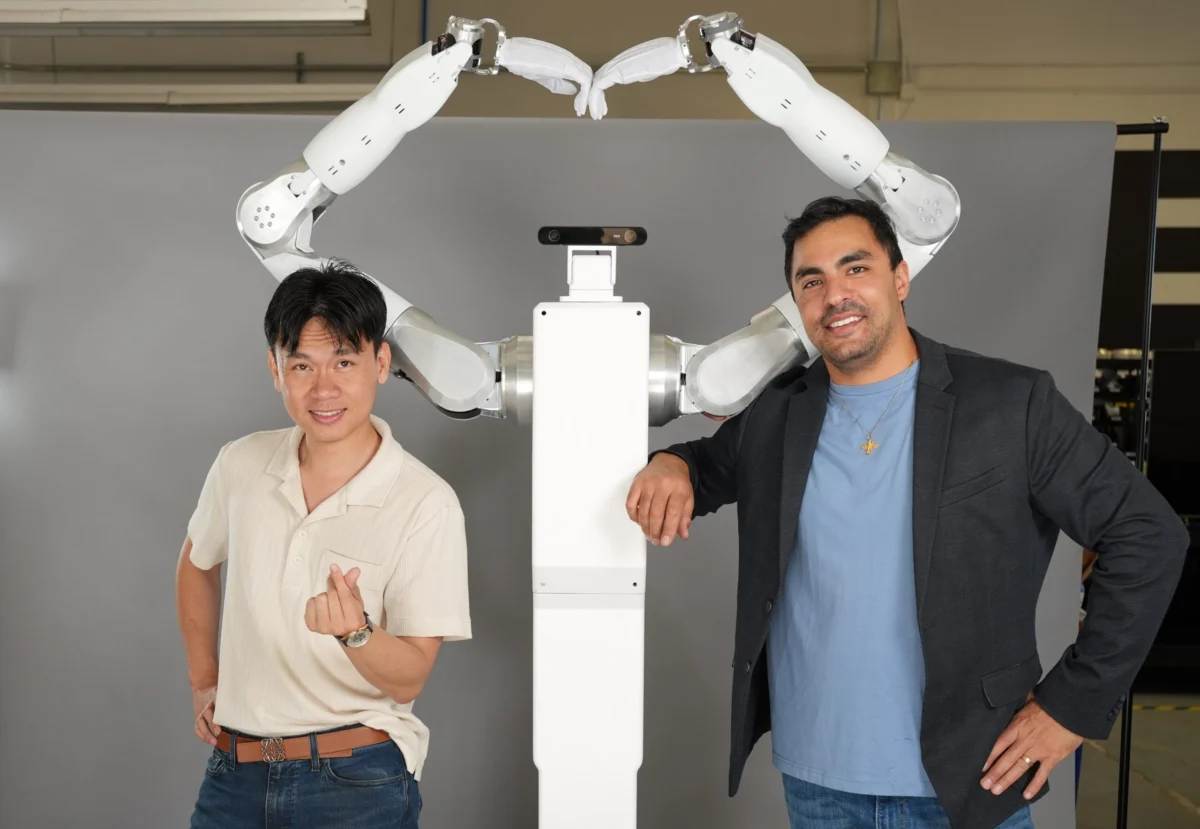
The pursuit of a truly general-purpose robot, one that can seamlessly adapt to any environment and perform a myriad of tasks with human-like dexterity, remains the ultimate aspiration in robotics. However, a consensus among robotics founders and investors is that this "ChatGPT moment" for robotics has not yet arrived. While some foresee this breakthrough on the horizon, others believe it is at least a decade away. In this dynamic landscape, Feather Robotics, a humanoid robot startup founded last year, is strategically positioning itself to cater to both optimistic and cautious timelines.
Unlike industry giants like Tesla and Figure, which are undertaking the monumental task of developing both the physical robot and a foundational, yet not widely deployed, artificial intelligence "brain," Feather Robotics is charting a different course. The company is focused on providing the essential hardware and software toolkit that empowers developers to tackle real-world robotic applications today. This approach is rooted in a foundational principle of successful technology companies, as articulated by Feather co-founder Hoa Mai.
"You can’t buy a Tesla robot today and develop on top of it," Mai stated in an interview with TechCrunch. "We realized that this is not how most companies became successful. Hardware players like Nvidia or Apple started with a product that worked and was deployable, and then they added complexity over time." This philosophy emphasizes the importance of a functional, deployable platform as a precursor to advanced, general-purpose capabilities.
The genesis of Feather Robotics can be traced back to 2025, following the sale of Mai’s previous humanoid robotics startup to 1X. Mai then joined forces with Parsa Bakhtiari, a former Tesla Model 3 engineer who previously reported directly to Elon Musk. Their shared vision was to create what they hope will become the Android operating system of the robotics world – a ubiquitous platform upon which a diverse range of applications can be built and deployed. This ambitious vision resonated with early investors, including Gradient Ventures, which led Feather’s previously announced $7.6 million pre-seed funding round.
A Modular Approach to Robotic Development
Since its inception, Feather Robotics has focused on developing a modular robotic system designed for adaptability and customization. This modularity allows developers to tailor the robot’s hardware for specific use cases, such as adjusting arm lengths or integrating specialized end-effectors. This approach democratizes robotic development, enabling a broader range of businesses to leverage humanoid robot technology without the need for extensive custom hardware engineering.
The company has already demonstrated early market traction, achieving over $1 million in revenue. While Feather remains tight-lipped about its specific clientele, it has revealed that its robots are currently being deployed in commercial environments, performing tasks such as assisting in restaurant kitchens and carrying out cleaning duties in science laboratories. On the software front, Feather’s hardware is designed to be compatible with AI models from leading robotics AI providers, including NVIDIA, Skild, and Physical Intelligence, further enhancing its flexibility and potential for integration into existing AI ecosystems.
"We’ve been selling small quantities of these robots, and now that we’ve resolved like almost all the issues over the last year of field testing, we’re getting ready for a big product launch," Mai indicated, signaling a shift towards broader commercial availability and scalability.
Navigating the Competitive Landscape
The current robotics hardware market can be broadly categorized, according to Darian Shirazi, a general partner at Gradient Ventures. He identifies three main segments: startups focused on niche domestic household robots, such as Sunday; major players like Figure and Tesla, which are pursuing the development of general-purpose humanoid robots; and Feather Robotics, which Shirazi believes is unique in the U.S. for its development of a modular humanoid platform.
Feather’s strategic inspiration can be partly attributed to the success of Chinese robotics companies like Unitree, known for their innovative and accessible robotic platforms. However, Feather is carving out its own distinct position, particularly in the U.S. market. With increasing restrictions on the import of certain foreign-made robotic models, Feather’s status as a domestic provider offers a compelling advantage to U.S.-based businesses seeking readily available and adaptable humanoid robotic solutions.
A Compelling Value Proposition: Price and Accessibility
A significant differentiator for Feather Robotics is its pricing strategy. The company’s robot is priced at $30,000, which is approximately half the cost of comparable models like Unitree’s H2 Edu. This aggressive pricing makes advanced humanoid robotics more accessible to a wider range of businesses, particularly small and medium-sized enterprises that may have previously found the cost prohibitive.
Shirazi highlights the substantial economic implications of this pricing. "You would hire a laborer for $50,000 to $60,000 a year, you’d have to train [them]. They’d have to have HR. They’d have to have all these different support mechanisms," he explained. "You can now buy a Feather robot to do that." This comparison underscores the potential for robots to offer a cost-effective and more predictable alternative to human labor in certain applications, especially when considering the total cost of employment, including benefits, training, and overhead.
Furthermore, Feather Robotics has demonstrated remarkable operational efficiency. According to Shirazi, the startup has managed its pre-seed funding judiciously, spending only a fraction of the capital raised. This prudent financial management suggests a sustainable business model and a strong focus on lean operations, which is crucial for a hardware-intensive startup.
The Ecosystem Play: Powering the Future of Physical AI
Feather’s core strategy revolves around the conviction that the true value in the future of robotics will emerge from a robust ecosystem built around its hardware. The company envisions its platform becoming the foundational layer for a wide array of specialized physical AI applications.
"If we think about the market size today for physical AI companies, it’s very small," Mai observed. "But if you think about how many physical AI application companies will probably exist in five years, we expect it to be in the thousands." This forward-looking perspective positions Feather not just as a hardware provider, but as an enabler of a burgeoning industry. By offering a flexible and accessible platform, Feather aims to empower developers and entrepreneurs to create innovative solutions for diverse sectors, from manufacturing and logistics to healthcare and service industries.
The company’s ultimate ambition is to become the ubiquitous platform that powers this anticipated surge in physical AI applications. By providing a reliable, customizable, and cost-effective robotic foundation, Feather Robotics is making a strategic bet on the power of developer ecosystems to drive innovation and adoption in the rapidly evolving field of robotics. This approach mirrors the success of software platforms that have fostered vast developer communities, suggesting a similar trajectory for the future of intelligent physical systems. The journey towards general-purpose robotics may be long, but Feather Robotics is building the tools that allow progress to be made every step of the way.