Garick Elordi
The Elder Scrolls franchise remains one of the most significant pillars of the modern gaming industry, yet it has notably lacked the external spin-off treatments seen in its sister franchise, Fallout. While Fallout: New Vegas, developed by Obsidian Entertainment, became a cult classic and a critical darling, Bethesda Game Studios has historically resisted allowing outside developers to handle the Elder Scrolls intellectual property. According to Kurt Kuhlmann, a former lead developer and loremaster at Bethesda who spent decades shaping the world of Tamriel, this absence of third-party projects is the result of a deliberate strategy intended to protect the series’ identity and prevent the internal development team from being overshadowed by external partners.
The New Vegas Precedent and Internal Competition
To understand why Bethesda has been hesitant to outsource The Elder Scrolls, one must look at the legacy of Fallout: New Vegas. Released in 2010, New Vegas was developed by Obsidian Entertainment, a studio comprised of several key members from the original Black Isle Studios, the creators of the Fallout IP before it was acquired by Bethesda. While Bethesda’s own Fallout 3 successfully transitioned the series into the 3D open-world genre, New Vegas was praised by many fans for its superior writing, complex branching narratives, and adherence to the series’ original role-playing roots.
Kuhlmann, speaking on the FRVR podcast, noted that the success of New Vegas created a persistent rift within the gaming community. A significant portion of the fanbase began to argue that Obsidian understood the Fallout universe better than Bethesda itself. This "who did it better" debate created a unique brand of pressure on Bethesda Game Studios. Kuhlmann suggested that Todd Howard, the director and executive producer of Bethesda Game Studios, was particularly sensitive to this dynamic. By keeping The Elder Scrolls exclusively in-house, Howard ensured that the creative direction of the series remained singular and that the studio would not have to contend with a situation where a spin-off was perceived as superior to the mainline entries.
The Protective Stance of Todd Howard
Todd Howard’s role in the trajectory of The Elder Scrolls cannot be overstated. Having worked on the series since The Elder Scrolls: Arena and serving as the project lead for Morrowind, Oblivion, and Skyrim, Howard views the franchise as the studio’s "golden goose." Under his leadership, Bethesda Game Studios developed a specific "DNA" for their open-world RPGs—a focus on environmental storytelling, player freedom, and a "see a mountain, climb a mountain" philosophy.
Kuhlmann’s insights reveal that Howard is "very protective" of the series. This protectiveness stems from a desire to maintain a high level of quality control and to ensure that the lore and world-building remain consistent. In the gaming industry, outsourcing a major IP carries inherent risks; an external studio might introduce mechanics or narrative elements that clash with the long-term vision of the primary creators. For a series as lore-heavy as The Elder Scrolls, where "loremasters" like Kuhlmann spent years meticulously documenting history and theology, the introduction of an outside voice could lead to "lore drift" or a dilution of the brand’s prestige.
The Role of The Elder Scrolls Online as a Buffer
One of the primary reasons Bethesda felt it did not need a New Vegas-style single-player spin-off was the existence and success of The Elder Scrolls Online (ESO). Developed by ZeniMax Online Studios—a separate entity under the ZeniMax Media umbrella—ESO launched in 2014 and has since become one of the most successful MMORPGs on the market.
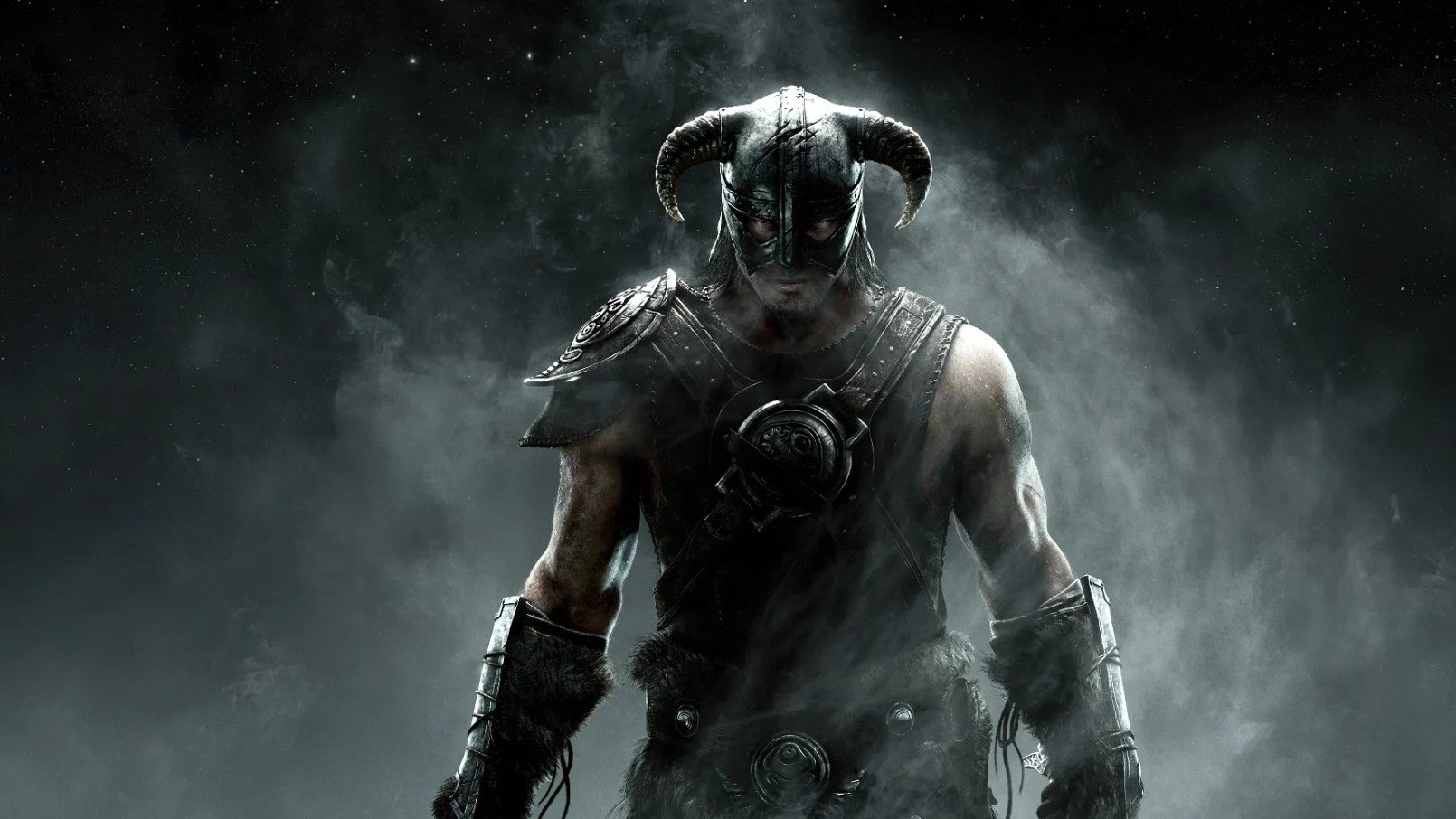
Kuhlmann pointed out that ESO effectively "took the heat off" the demand for new Elder Scrolls content. While single-player purists have waited nearly 15 years for a follow-up to Skyrim, the franchise has remained active and profitable through ESO’s constant stream of expansions and updates. For a vast segment of the gaming population, ESO is their primary experience with the series. By allowing ZeniMax Online to handle the multiplayer and live-service aspects of the IP, Bethesda Game Studios was able to satisfy the corporate need for recurring revenue without sacrificing the "sacred" nature of the single-player mainline entries to an outside developer.
A Chronology of the Elder Scrolls Development Gap
The timeline of The Elder Scrolls series highlights the increasing duration between mainline releases, a trend that has fueled fan desire for spin-offs.
- 1994: The Elder Scrolls: Arena (The beginning of the franchise)
- 1996: The Elder Scrolls II: Daggerfall
- 2002: The Elder Scrolls III: Morrowind (A critical turning point for the studio)
- 2006: The Elder Scrolls IV: Oblivion (Bringing the series to the mainstream console audience)
- 2011: The Elder Scrolls V: Skyrim (The cultural phenomenon that sold over 60 million copies)
- 2014: The Elder Scrolls Online (Launch of the MMORPG)
- 2018: The Elder Scrolls VI Announcement (A short teaser trailer at E3)
- 2023: Starfield Release (Bethesda’s first new IP in 25 years, which delayed TES VI development)
The gap between Skyrim and the eventual release of The Elder Scrolls VI is projected to be nearly two decades. In the interim, Bethesda has focused on Fallout 4 (2015), Fallout 76 (2018), and Starfield (2023). This long development cycle is a result of the studio’s "one game at a time" philosophy, which, while ensuring high production values, leaves the Elder Scrolls brand dormant in the single-player space for unprecedented lengths of time.
Shifting Dynamics Under Microsoft Ownership
The landscape of Bethesda changed fundamentally in 2021 when Microsoft acquired ZeniMax Media for $7.5 billion. This acquisition brought Bethesda Game Studios and Obsidian Entertainment under the same corporate roof for the first time. Since the merger, industry analysts and fans alike have speculated that the barriers to another collaboration might be lowering.
Xbox leadership, including Phil Spencer and Sarah Bond, has emphasized the importance of leveraging existing IP to maintain a steady flow of content for the Game Pass subscription service. With the massive success of the Fallout television series on Amazon Prime, which led to a resurgence in players for Fallout 4 and Fallout 76, Microsoft is reportedly keen on accelerating the release schedules for its major franchises.
Jill Braff, the head of ZeniMax and Bethesda at Xbox, recently addressed staff regarding the integration of various studios. While she noted that Obsidian’s "creative identity" would remain intact, the proximity of the two studios has reignited rumors of a potential Fallout: New Vegas 2 or an Elder Scrolls spin-off. However, if Kuhlmann’s assessment of Todd Howard’s protectiveness remains accurate, any such project would likely still face significant internal hurdles.
Market Implications and the Risk of Brand Dilution
From a business perspective, the decision to avoid spin-offs is a double-edged sword. On one hand, it prevents the "fatigue" that often plagues franchises like Assassin’s Creed or Call of Duty, where frequent releases can lead to a decline in perceived value. By making every mainline Elder Scrolls release a "generational event," Bethesda maintains a level of prestige that few other developers can match.

On the other hand, the absence of content in a 15-year window leaves a vacuum that other developers are eager to fill. Games like Obsidian’s upcoming Avowed are frequently compared to The Elder Scrolls, and the "Skyrim-clone" subgenre continues to thrive. By not producing a spin-off, Bethesda risks losing a younger generation of players who may not have been active gamers when Skyrim was at its peak.
Analysis of the Lore-First Approach
The role of a "loremaster" like Kurt Kuhlmann is unique to high-fantasy development. The Elder Scrolls is renowned for its "unreliable narrator" approach to history, where different in-game books and NPCs offer conflicting accounts of the same events. This complexity is difficult to maintain when multiple studios are working on the same timeline.
The "New Vegas situation" proved that external developers might take the lore in directions the original creators find problematic. For instance, New Vegas reintroduced elements of the West Coast Fallout lore that Bethesda had largely ignored in Fallout 3. In the context of The Elder Scrolls, a spin-off set in a previously unexplored province like Akavir or Pyandonea would fundamentally change the mystery surrounding those locations, potentially "spoiling" the world-building Bethesda intended for future mainline games.
Conclusion: The Future of Tamriel
As Bethesda Game Studios moves into full production on The Elder Scrolls VI, the studio remains committed to its internal-only policy for the series’ single-player experiences. While the wait for the next chapter in the series continues to test the patience of the fanbase, the studio’s refusal to outsource the IP reflects a deep-seated belief in the singular vision of its core team.
Whether this protective stance will persist under the pressures of Microsoft’s corporate goals remains to be seen. For now, the legacy of The Elder Scrolls is defined by its rarity and the curated excellence of its mainline entries—a strategy that, despite the long droughts, has kept the franchise at the pinnacle of the RPG genre for thirty years. Avoiding an "arrow to the knee" in the form of a divisive spin-off may be the very thing that has preserved the series’ legendary status.