Vera Intan Clara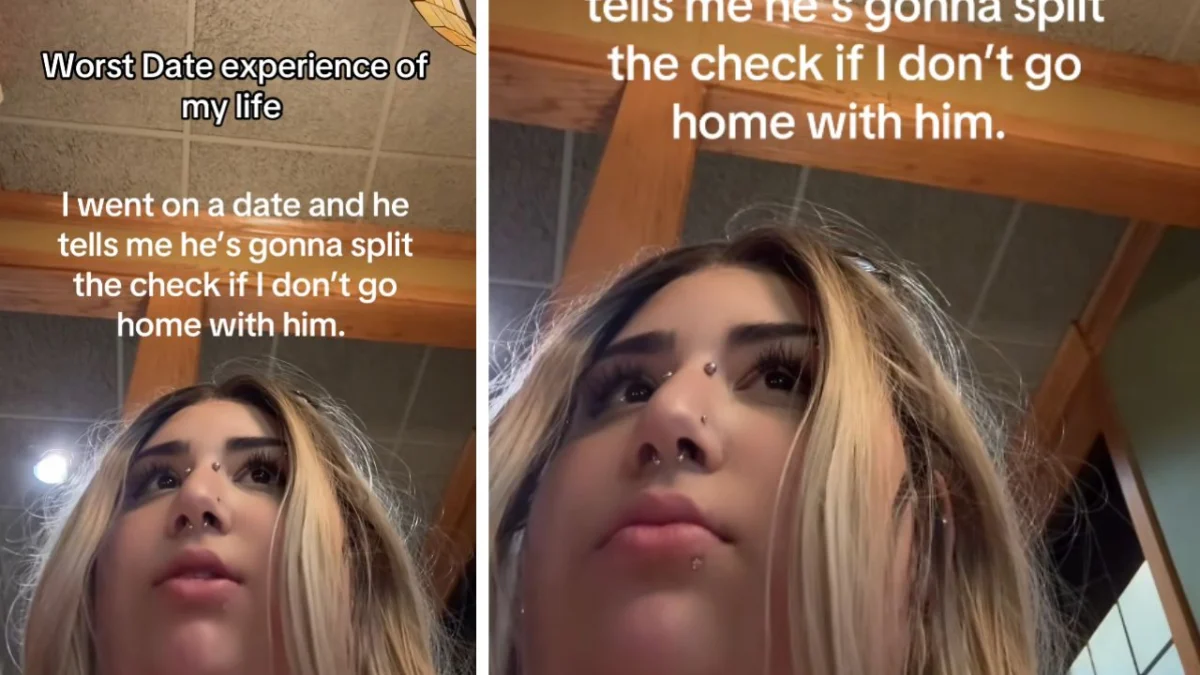
A TikTok video posted by user @melodak53, chronicling what its creator described as "the worst date of my life," has rapidly gone viral across social media platforms, igniting widespread discussion about contemporary dating practices, gender expectations, and the role of digital documentation in personal safety. As of publication, the clip has amassed over 424,000 likes, garnered more than 8,300 comments, and been saved by 24,000 users, indicating its significant resonance with a global audience. The incident, captured and shared on January 20, was captioned by the creator: "I went on the worst date of my life. No man has ever treated me like this before. Like a piece of meat. #worstdate #firstdate." This succinct yet powerful summary immediately set the tone for the unfolding narrative and the subsequent public reaction.
The video’s content has prompted a profound conversation stretching far beyond the confines of a single bad date, touching upon deeply ingrained societal norms, the complexities of modern romantic interactions, and the increasing use of social media as a platform for sharing personal experiences and seeking collective validation or condemnation. The incident has become a touchstone for discussing issues ranging from the commodification of women in dating to financial expectations on first dates, and the burgeoning trend of individuals using their phones to document potentially problematic encounters for personal safety and public awareness.
The Incident Unfolds: A Viral Account of a First Date Gone Wrong
The viral clip opens with the creator, @melodak53, discreetly adjusting her front-facing camera, ostensibly at a restaurant table. The setting appears to be a casual dining establishment, a common backdrop for first dates. The woman then turns her attention to her male companion, asking him to reiterate a statement he had just made. This crucial moment sets the stage for the revelation of the date’s unconventional and deeply problematic proposition.
Chronology of Events:
The ensuing exchange, captured candidly on video, quickly escalates into a public spectacle of dating dysfunction:
- The Proposition: The date responds, seemingly confirming a condition he had just articulated: the woman would be expected to cover her portion of the bill if she did not agree to accompany him home after their meal. This statement immediately introduced a transactional element into what should ideally be a social interaction, framing the cost of the meal as an investment contingent on a particular outcome.
- Initial Shock and Confrontation: Visibly taken aback by the explicit nature of the offer, the woman directly challenges her date, asking, "Do you treat all women this way?" Her question reflects not only personal offense but also a broader concern about the date’s general conduct and respect for women.
- The Date’s Acknowledgment: The man’s response, "Not always," serves as a chilling partial admission, implying that such behavior is indeed part of his dating repertoire, even if not universally applied. This reply further solidified the woman’s discomfort and provided undeniable evidence of his perspective.
- Financial Scrutiny: The woman then picks up the restaurant check, revealing the total amount: $58. Turning back to her date, she poses a rhetorical question laden with incredulity and subtle disdain: "You don’t have $58 in your bank?" This query not only highlights the relatively modest sum involved but also implicitly critiques the date’s apparent financial precarity or unwillingness to spend even this amount without conditions. It suggested a deeper issue than just the money itself – perhaps a lack of generosity, respect, or even an attempt at manipulation rooted in perceived financial leverage.
- Digital Documentation for Safety: In a pivotal moment, the creator places her phone down beside her, making it clear that she has been recording the entire conversation. She explicitly states her intention: to inform the public about "what kind of shitty men are out there" on dates with women. This declaration immediately shifts the dynamic, moving the interaction from a private dispute to a publicly documented account.
- Date’s Reaction to Recording: The man, realizing he has been recorded, reacts with indignation, labeling her actions as "disrespectful" and questioning whether he is being specifically filmed. His concern about being recorded contrasts sharply with his earlier disregard for her feelings and autonomy.
- Clarification of Intent: The woman clarifies her purpose, stating she is not recording him "specifically," but rather recording "for her own safety." This distinction is crucial, framing her actions not as an act of aggression but as a protective measure in a situation she perceived as potentially threatening or disrespectful. The video concludes as she prepares to leave the table, leaving the viewer to infer the immediate aftermath of the encounter.
Public Outcry and Digital Solidarity: Social Media Reactions
The raw authenticity and shocking nature of the interaction immediately resonated with TikTok users, propelling the video into viral status. The comments section quickly became a bustling forum for public opinion, reflecting a broad spectrum of reactions that largely condemned the date’s behavior and championed the woman’s response.
Widespread Condemnation: The overwhelming sentiment expressed in the comments was one of disbelief and outrage at the date’s transactional approach to dating. The top comment, posted the day after the video went live and garnering an astonishing 114,700 likes, perfectly encapsulated this sentiment by quoting the exchange back in disbelief: "’You actually treat women like this?’ ‘Not all the time.’ ???" This comment underscored the hypocrisy and casual misogyny perceived in the date’s remarks. Many users expressed variations of "unacceptable," "disgusting," and "red flag," highlighting the shared societal understanding that such conditional offers are inappropriate and demeaning.
Support for the Creator: Beyond condemnation of the date, there was a powerful wave of support for @melodak53. Commenters lauded her composure, her directness in challenging the date, and particularly her decision to record the interaction. "You’re a queen for this," one user wrote, while another added, "He’s a child and you’re the queen," praising her maturity and assertiveness in a difficult situation. This collective affirmation served to validate her experience and empower her in the face of disrespectful behavior.
Financial Expectations and Scrutiny: The specific detail of the $58 bill also became a significant point of discussion. The woman’s pointed question, "You don’t have $58 in your bank?", resonated strongly. One commenter explicitly stated they "loved" how she said that out loud, appreciating her direct challenge to the date’s apparent financial limitations or stinginess. Other comments, such as "Yeah send brokie back to his mama [sic] house," derided the date for his perceived lack of financial stability or generosity, linking it to his disrespectful behavior. This aspect of the discussion underscored societal expectations regarding financial contributions on dates, particularly first dates, and how these expectations often intersect with perceptions of respect and chivalry.
Beyond the Video: Contextualizing Modern Dating Dynamics
The viral video serves as a powerful microcosm of several larger trends and issues prevalent in contemporary dating culture. Its widespread impact is not merely due to the shock value of the incident itself, but because it taps into deeper anxieties and discussions surrounding gender, respect, and economic realities in romantic relationships.
The Evolving Landscape of First Date Etiquette: Traditionally, there have been varying expectations about who pays on a first date, often leaning towards the man. However, modern dating etiquette is increasingly complex, with a growing emphasis on equality and mutual respect. The date’s proposition fundamentally violated any reasonable expectation of modern dating decorum, transforming a social outing into a transactional negotiation. This incident highlights the ongoing tension between traditional gender roles and contemporary expectations of egalitarianism in dating. While some women appreciate a man paying, very few would tolerate it being tied to a sexual expectation.
Gendered Expectations and Transactional Relationships: The creator’s caption, where she felt treated "like a piece of meat," is particularly telling. It speaks to the objectification that women too frequently encounter in dating scenarios, where their value is reduced to their physical attractiveness or willingness to engage in sexual activity, rather than their personality, intellect, or companionship. The date’s offer explicitly commodified her time and presence, implying that her company, and potentially her body, had a price tag equivalent to half the dinner bill. This reinforces harmful stereotypes and contributes to an environment where women feel devalued and disrespected. Such incidents are not isolated; they reflect a broader societal struggle against misogynistic attitudes that persist in various forms, including the subtle and overt pressures placed on women in dating.
Personal Safety and Digital Documentation: The woman’s statement that she was recording "for her own safety" is a critical component of the story. In an era where women frequently share experiences of feeling unsafe or vulnerable on dates, the use of a smartphone as a personal safety tool has become increasingly common. Documenting uncomfortable or potentially threatening interactions offers several layers of protection: it can deter further inappropriate behavior, provide evidence if an incident escalates, and serve as a record for sharing with trusted individuals or authorities. This incident underscores the growing reliance on personal technology to navigate complex social situations, particularly for individuals who may feel disempowered or at risk. However, it also raises ethical questions about consent in recording and the potential for public shaming, though in this case, public sentiment largely sided with the recorder’s rationale given the nature of the interaction.
The Role of Financial Disparity in Dating: The $58 bill, and the woman’s pointed question about her date’s ability to cover it, highlights the unspoken role of finances in dating. While not all dates require lavish spending, there is a pervasive societal expectation that individuals should be able to comfortably afford their social engagements. When financial limitations are perceived or explicitly used as leverage, as in this case, it can create significant power imbalances and foster resentment. The public’s reaction to the "brokie" comment suggests a collective disapproval of individuals who appear to lack financial means or generosity, especially when coupled with disrespectful behavior. This aspect of the story points to the persistent, albeit often unacknowledged, role of economic status in shaping dating dynamics and perceptions of suitability.
The Echo Chamber of Virality: Implications for Social Media and Accountability
The rapid virality of @melodak53’s video demonstrates the immense power of social media platforms like TikTok to amplify individual experiences into collective narratives. This incident is not just a personal anecdote; it’s a case study in how digital spaces are reshaping public discourse and personal accountability.
Social Media as a Forum for Shared Experiences and Collective Judgment: Platforms like TikTok have transformed into digital town squares where personal stories, once confined to private conversations, can now reach millions. This allows for a rapid exchange of experiences, fostering a sense of solidarity among those who have faced similar challenges. For women who have endured uncomfortable or disrespectful dates, seeing @melodak53’s video and the outpouring of support can be incredibly validating. It creates a space for collective catharsis and shared understanding, reinforcing the idea that they are not alone in their experiences. The comments section, in particular, becomes a powerful indicator of public sentiment, acting as a form of instant social jury.
Navigating "Call-Out" Culture: The incident also squarely places itself within the ongoing debate about "call-out culture." While the video does not explicitly name or identify the man, his actions are publicly documented and critiqued. This raises questions about the ethics of public shaming versus the need for accountability for problematic behavior. In this context, the woman’s stated intention of recording "for her own safety" and to expose "shitty men" is crucial. It positions her actions as a form of protective and educational measure rather than mere vengeful exposure. For many, the anonymity of the man to the broader public, combined with the unambiguous nature of his recorded statements, justifies the public scrutiny, arguing that such behavior warrants exposure to deter others and educate the wider dating community.
The Broader Impact on Dating Norms and Behavior: Viral incidents like this have the potential to subtly, or even overtly, influence dating norms. They serve as cautionary tales, reminding individuals of the potential consequences of disrespectful behavior in an age where anyone with a smartphone can become a documentarian. For men, such videos might prompt introspection about their own conduct and the implications of their actions. For women, they can offer strategies for navigating uncomfortable situations and underscore the importance of self-advocacy and safety. The collective outrage generated by the video can contribute to a gradual shift in societal expectations, pushing for greater respect, transparency, and equality in dating interactions. While one video alone cannot overhaul an entire culture, it contributes to an ongoing dialogue that can lead to meaningful change over time.
Conclusion: A Snapshot of Contemporary Dating Challenges
The viral TikTok video shared by @melodak53 is far more than just an account of a bad date. It is a powerful snapshot of the complexities and challenges inherent in contemporary dating. It illuminates the persistent struggle against gender-based disrespect and objectification, the evolving landscape of social and financial expectations in romantic encounters, and the increasingly prominent role of digital platforms in shaping personal narratives and public accountability.
The story resonates so deeply because it touches upon universal themes of respect, dignity, and personal safety, all filtered through the unique lens of modern digital communication. As discussions continue to unfold in the comments sections and beyond, this video serves as a poignant reminder that while the tools of interaction may evolve, the fundamental human desire for respectful and genuine connection remains paramount, and the vigilance required to protect oneself in pursuit of that connection is ever more essential in the digital age. The incident stands as a stark warning and a call for greater mindfulness and empathy in the pursuit of romantic relationships, both online and offline.