George Chandra Eka
Following a wave of user complaints regarding persistent network connectivity issues affecting a segment of its flagship iPhone 18 Pro Max devices, Apple Inc. has officially confirmed the existence of a significant bug. This critical flaw, which primarily impacts AT&T subscribers in the United States, has been identified and addressed through a two-pronged software update, though a crucial caveat remains: devices that have already experienced a complete loss of cellular signal will necessitate a hardware replacement. The tech giant’s acknowledgment, first reported by 9to5Mac, underscores the intricate challenges of modern smartphone manufacturing and the rapid response required when core functionalities are compromised.
Unpacking the Problem: The iPhone 18 Pro Max Connectivity Crisis
The issue manifests as a complete cessation of cellular services, rendering the affected iPhone 18 Pro Max unable to make or receive calls, send text messages, or access data over 4G or 5G networks. Users experiencing the bug will observe the "SOS" symbol prominently displayed in their status bar, a stark indication that the device is unable to connect to any cellular network, even for emergency services. This symptom is distinct from temporary signal drops and points to a more fundamental disruption in the device’s ability to communicate with the AT&T network infrastructure.
While the exact number of affected devices remains undisclosed, Apple has characterized it as a "small number" of users. However, given the vast user base of the iPhone 18 Pro Max and AT&T’s position as one of the largest carriers in the U.S., even a statistically small percentage can translate into tens of thousands, if not hundreds of thousands, of disrupted customers. The initial reports of this widespread cellular outage began to surface in late September and early October, shortly after the device’s market release, leading to considerable frustration among early adopters who found their premium smartphones suddenly reduced to Wi-Fi-only devices.
A Chronology of Disruption and Response
The timeline of this incident highlights both the speed of modern tech support and the inherent delays in identifying and rectifying complex bugs.
- Late September 2026: Initial reports from iPhone 18 Pro Max users on AT&T begin to surface on online forums, social media platforms, and customer support channels. Users describe sudden and inexplicable losses of cellular service, with the "SOS" indicator becoming a common complaint.
- Early October 2026: The volume of complaints escalates, drawing the attention of tech media outlets and prompting Apple and AT&T to initiate investigations. Internal diagnostic efforts likely commenced to pinpoint the root cause, distinguishing it from general network fluctuations or isolated hardware failures.
- October 2nd, 2026 (approximate): Apple officially releases iOS 27.0.1, a minor point update intended to address various bugs, including, as it later became clear, the foundational elements of this network issue.
- October 2nd, 2026 (same day): Concurrently with the iOS update, Apple also begins pushing out a specific carrier settings update for AT&T users. This dual-layer software solution suggests the problem had both a device-side software component and a carrier-specific configuration element.
- October 2nd, 2026 (confirmation): Apple issues an official statement, shared with 9to5Mac, acknowledging the bug, detailing the software fixes, and critically, informing users that devices already suffering from complete signal loss would require hardware replacement.
This rapid response, from the first significant reports to the release of a fix and official acknowledgment within days, reflects the industry’s commitment to mitigating widespread customer dissatisfaction, especially for a flagship product.
The Technical Underpinnings: Qualcomm Modems and Software Patches
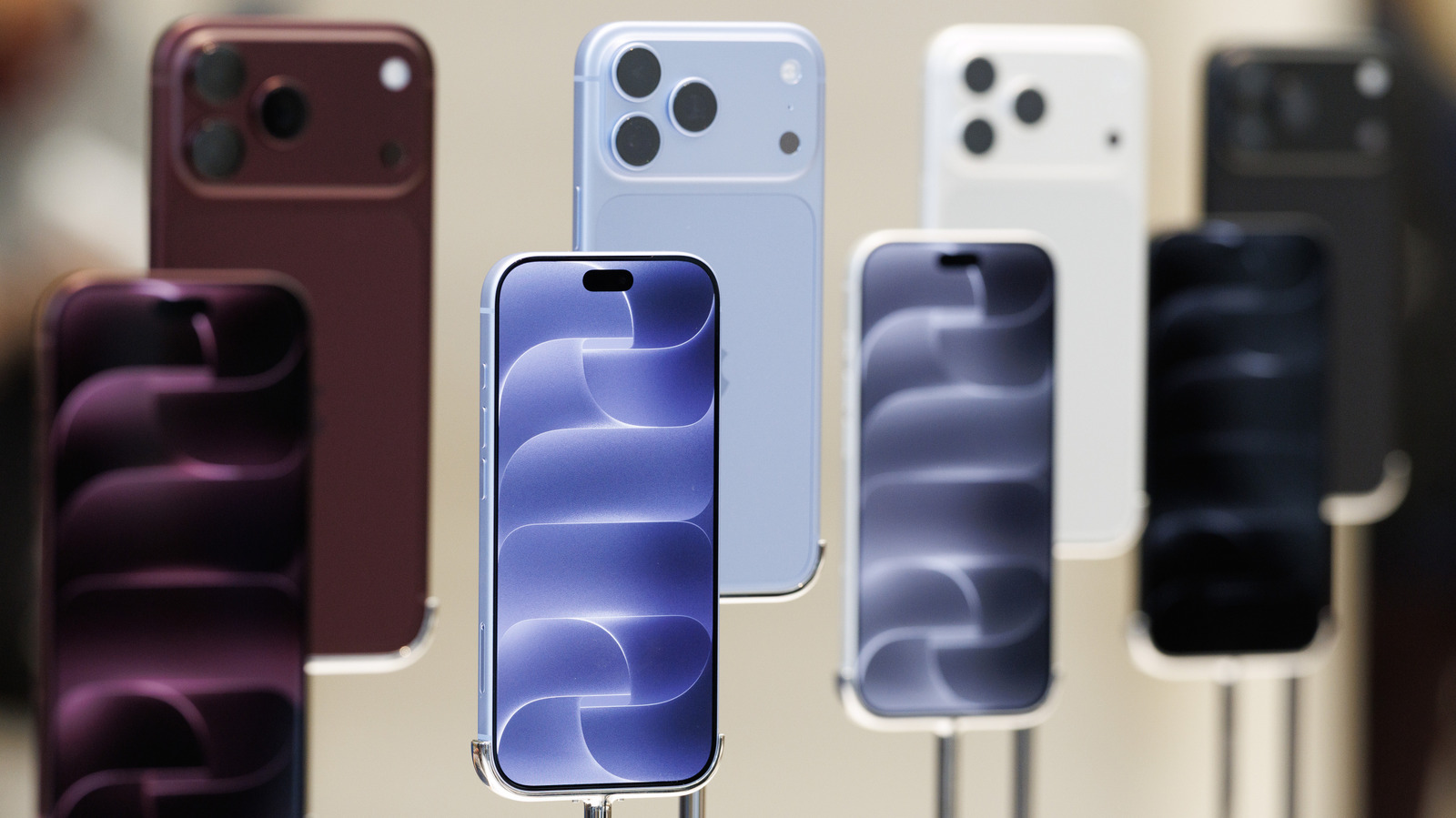
A notable detail in this unfolding situation is the modem hardware within the iPhone 18 Pro Max. Unlike other iPhone 18 models sold in the US, which reportedly integrate Apple’s proprietary cellular modems, the iPhone 18 Pro Max uniquely utilizes a Qualcomm modem. While Apple’s statement does not explicitly link the bug to the Qualcomm hardware, the specific targeting of the iPhone 18 Pro Max for this particular issue naturally raises questions about potential interactions between the modem, Apple’s software stack, and AT&T’s network protocols.
The reliance on an external supplier for a critical component like a cellular modem adds a layer of complexity to troubleshooting. Qualcomm, a dominant player in the modem market, supplies its technology to numerous smartphone manufacturers. Any interaction issues would require close collaboration between Apple, Qualcomm, and the carrier.
Apple’s solution involves two distinct software updates:
- iOS 27.0.1: This operating system update addresses fundamental software bugs within the iPhone’s core system that could lead to the network issue. Users are strongly advised to update their devices as soon as possible by navigating to Settings > General > Software Update.
- Carrier Settings Update: These updates are configuration files pushed by carriers, often in conjunction with device manufacturers, to optimize network connectivity, implement new features, or address specific network-related bugs. For AT&T users, this update is crucial. It can typically be triggered by going to Settings > General > About. If an update is available, a pop-up will appear. If not, the device likely has the latest version.
The fact that two separate updates were required suggests a multifaceted problem, potentially involving how the iOS interacts with the Qualcomm modem and how that interaction is then optimized for the AT&T network.
Apple’s Official Stance and User Guidance
Apple’s official statement to 9to5Mac provided clarity on the situation: "We have identified an issue affecting a small number of iPhone 18 Pro Max users on the AT&T network that may cause a device to lose service and be unable to make calls. We released iOS 27.0.1 earlier this week and strongly encourage all iPhone 18 Pro Max users to update now, and are also issuing a carrier settings update today. These updates together are meant to help prevent this issue from occurring."
This statement is critical for several reasons:
- Confirmation: It officially validates the user complaints, transforming anecdotal reports into a recognized technical issue.
- Scope: It narrows the problem down to a "small number" of iPhone 18 Pro Max users on the AT&T network, providing some reassurance to users outside this specific demographic.
- Solution: It clearly outlines the immediate steps for prevention (iOS 27.0.1 and carrier settings update).
- Caveat: Crucially, it highlights the need for hardware replacement for devices where the signal has already been lost. This implies that once the bug has fully manifested and cellular connectivity is severed, a software fix alone is insufficient to restore functionality. The damage, whether to the modem’s firmware or a related hardware component, becomes irreversible through software means.
For users who have not yet experienced signal loss, the advice is clear: update immediately. For those whose devices are already showing "SOS" and lack cellular service, the path forward is to contact Apple Support or AT&T customer service to arrange for a device replacement. This process is expected to be covered under warranty.
AT&T’s Role and Customer Support Implications
While Apple has taken the lead in identifying and providing the fix, AT&T’s role as the affected carrier is undeniable. The issue’s exclusivity to AT&T users implies a specific interaction or configuration challenge between the iPhone 18 Pro Max’s hardware/software and AT&T’s network infrastructure. AT&T would have been actively collaborating with Apple during the diagnostic and solution development phases, providing network data and testing environments.
For affected customers, AT&T customer support will be a primary point of contact, particularly for facilitating warranty replacements. The influx of replacement requests could place a significant strain on AT&T’s customer service operations and logistics for device swaps. Clear communication between Apple and AT&T will be paramount to ensure a smooth and efficient replacement process, minimizing further inconvenience for already frustrated customers. This often involves specific internal protocols for identifying eligible devices and streamlining the exchange process, potentially at AT&T retail stores or through direct shipping.
Broader Industry Context and Precedent
This incident is not an isolated event in the highly complex world of smartphone technology. Hardware-software interaction bugs, particularly concerning cellular connectivity, have occurred across various manufacturers and models over the years. Examples range from "Antennagate" with the iPhone 4 in 2010, where a specific grip could attenuate signal, to numerous software glitches requiring patches. Each generation of smartphones introduces new chipsets, antenna designs, and software optimizations, creating countless potential points of failure that require rigorous testing.
The "SOS" mode itself is a standard safety feature in smartphones, indicating that the device can only access emergency services, but its persistent display due to a bug is a severe malfunction. The industry continuously grapples with balancing rapid innovation and stringent quality control, especially when components from multiple vendors (like Qualcomm modems) are integrated into a single, highly sophisticated device.
Analyzing the Impact: Consumer Trust, Logistics, and Reputation
The iPhone 18 Pro Max network bug carries several significant implications:
- Consumer Trust: For early adopters who pay a premium for Apple’s latest flagship, experiencing a fundamental service failure can erode trust. The expectation is flawless operation, especially from a brand synonymous with reliability. The need for a hardware replacement, rather than a simple software patch, is a more severe inconvenience that can further strain customer loyalty.
- Logistical Challenges: Facilitating hardware replacements for potentially thousands of devices is a complex logistical undertaking for Apple and AT&T. It involves inventory management, shipping, return processing, and recycling, all of which incur substantial costs and require careful coordination. This can lead to delays for customers awaiting replacements.
- Financial Impact: Each hardware replacement represents a direct cost to Apple, covered under warranty. While the "small number" mitigates a catastrophic financial hit, the aggregate cost can still be substantial. There are also indirect costs associated with increased customer support workload and potential lost sales due to negative publicity.
- Reputational Damage: While Apple’s swift response can help mitigate long-term damage, any widespread issue affecting core functionality tarnishes the brand’s image for quality and reliability, even if temporarily. The specific targeting of the Pro Max model, often perceived as the pinnacle of Apple’s offerings, could amplify this perception.
- Competitive Landscape: In a fiercely competitive smartphone market, such incidents can provide ammunition for rival manufacturers, even if their own products are not immune to issues.
Looking Ahead: Lessons Learned and Future Considerations
This incident serves as a stark reminder of the complexities inherent in modern mobile technology. For Apple, it may prompt an even more rigorous review of its supply chain, particularly for critical components like cellular modems, and the integration testing protocols for new hardware and software iterations. The company’s ongoing efforts to develop its own in-house modems could be seen in this light – gaining greater control over every aspect of the device’s functionality.
For consumers, the event underscores the importance of prompt software updates and understanding the potential implications of early adoption of new technology. While the inconvenience of a hardware replacement is significant, Apple’s clear communication and commitment to resolving the issue through replacement for affected devices are crucial for maintaining customer confidence. The industry as a whole will likely continue to emphasize robust testing and transparent communication when issues inevitably arise in the ever-evolving landscape of high-tech devices. The seamless operation of essential features like cellular connectivity remains paramount, and any compromise demands an immediate and comprehensive response from manufacturers and carriers alike.