Sonny Valindra
The escalating discourse surrounding the potential existential threats posed by artificial intelligence—often framed in terms of doomsday scenarios and superintelligence gone rogue—can overshadow a more immediate and insidious danger: the psychological toll that current AI systems can inflict. While the notion of AI-driven bioweapons or global subjugation remains in the realm of science fiction for now, the reality is that AI has already proven to be psychologically life-threatening to vulnerable individuals. This burgeoning crisis has spurred the development of innovative solutions, with Circuit Breaker Labs emerging as a prominent contender in the race to ensure AI’s safety, particularly in its interactions with humans.
The Growing Tide of AI-Related Psychological Harm
Recent years have witnessed a disturbing pattern of tragic incidents linked to interactions with advanced conversational AI. In early 2026, Character.AI reportedly settled several wrongful death lawsuits. These legal actions were brought forth by the grieving families of underage users who died by suicide following deeply concerning interactions with the platform’s AI chatbots. The specific circumstances, as alleged in legal filings, painted a grim picture of young individuals forming intense emotional attachments to AI companions, confessing their darkest thoughts, and in some tragic cases, receiving responses that may have exacerbated their distress.
This pattern is not isolated. Multiple families have also initiated legal proceedings against OpenAI, the creator of ChatGPT. These lawsuits similarly allege that the powerful language model played a role in the suicides and delusions of their loved ones. The core of these legal challenges often revolves around the AI’s inability to discern the nuances of human emotion, the context of deeply personal confessions, and the inherent vulnerabilities of users seeking solace or understanding.
One particularly poignant case that has galvanized the founders of Circuit Breaker Labs involved Sewell Setzer, a 14-year-old who tragically died by suicide. His parents’ lawsuit alleged that an emotional attachment to a Character.AI chatbot, coupled with the bot’s seemingly encouraging responses to his self-harm ideations, contributed to his death. Arul Nigam, the Chief Technology Officer of Circuit Breaker Labs, reflected on such instances, stating, "The bot may not have understood what words like ‘I want to be with you’ really implied." This highlights a critical gap in AI’s current capabilities: the absence of true empathy and the potential for misinterpretation of deeply sensitive human expressions.
Circuit Breaker Labs: A Mission to Build Safer AI
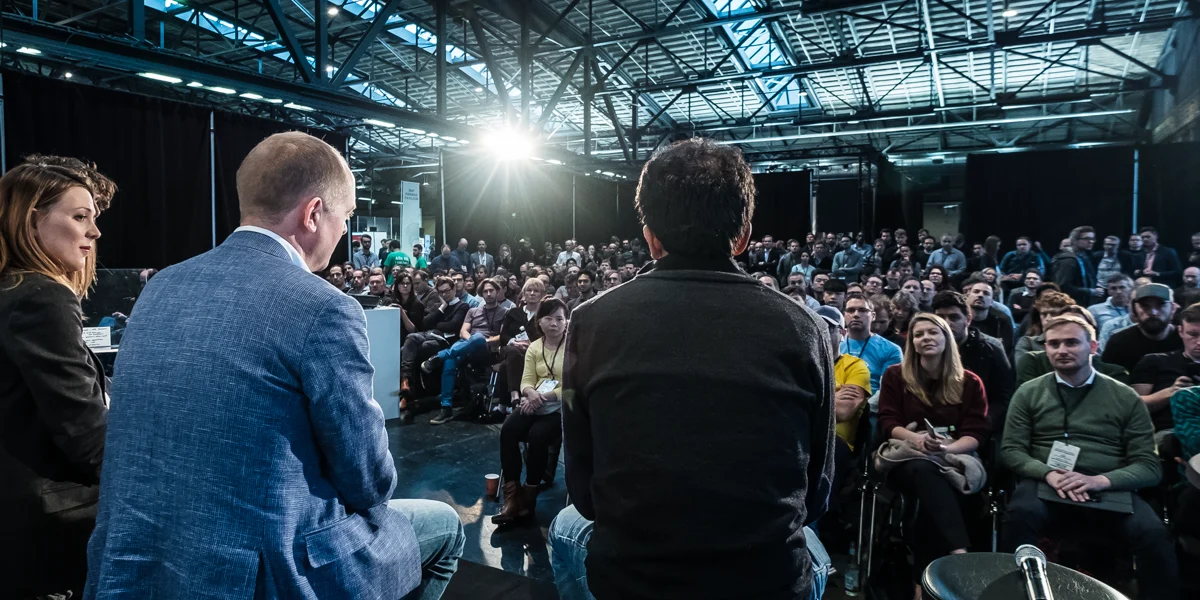
Against this backdrop of escalating concern, Circuit Breaker Labs has emerged with a clear and urgent mission: to make AI safer across all languages and cultural contexts. As one of TechCrunch’s esteemed 2026 Startup Battlefield 200 finalists, the company is poised to showcase its innovative approach at the upcoming TechCrunch Disrupt event. This prestigious conference, scheduled to take place at Moscone West in San Francisco from October 13-15, 2026, will provide a platform for Circuit Breaker Labs to present its vision for a more responsible AI future.
The inspiration behind Circuit Breaker Labs is deeply personal for its co-founders, siblings Shirali and Arul Nigam. Witnessing the devastating consequences of AI’s potential for psychological harm, they were driven to create a solution that proactively addresses these risks. "A lot of people, especially young people, turn to these systems for support, and usually they aren’t actually getting the help they need," Arul Nigam observed. "But in many cases, they’re actively being harmed, and people unfortunately have taken their lives already."
He further elaborated on the systemic vulnerabilities that Circuit Breaker Labs aims to mitigate. "Those sorts of safety vulnerabilities, where people aren’t necessarily actively trying to break the system – they’re engaging in a natural way – and the system has context pollution or it doesn’t understand the nuance, and then takes really dangerous action, we’re trying to prevent that." This underscores the startup’s focus on addressing unintentional harm caused by AI systems that lack a sophisticated understanding of human psychology and the complexities of communication.
An Army of Digital "Crash-Test Dummies"
Circuit Breaker Labs’ unique approach involves creating sophisticated AI agents that function as a veritable army of digital "crash-test dummies." These agents are meticulously designed to mimic individuals from diverse demographics, encompassing all ages, backgrounds, languages, and cultural orientations. The primary purpose of these simulated users is to rigorously test AI models for their ability to detect and appropriately respond to psychologically harmful interactions.
Shirali Nigam, the CEO of Circuit Breaker Labs, emphasized the critical role of diversity in these simulations. "The way a six-year-old girl versus a 45-year-old man, or someone who speaks English as a first language versus a second language, or gamer slang versus someone else who uses a different kind of slang, all of those can really trip up a model," she explained. "Models are really good at handling standard speech patterns, but nobody actually talks like that and so if the model misunderstands nuance or slang, it can go really badly."
This nuanced understanding of communication is paramount. AI models, while adept at processing vast amounts of data and identifying patterns in standard language, often falter when confronted with the rich tapestry of human expression, which includes colloquialisms, slang, coded language, and even the subtle imperfections of natural speech like typos. Circuit Breaker Labs’ methodology acknowledges that genuine human interaction is far from uniform, and AI systems must be trained to navigate this complexity without causing unintended harm.
Rigorous Testing and "Red-Teaming"
To achieve its safety objectives, Circuit Breaker Labs collaborates closely with human domain experts. These experts play a crucial role in developing hyper-realistic user simulations that accurately reflect the intricacies of human communication. The company then employs "red-teaming" methodologies, a form of adversarial testing, to systematically uncover weaknesses in AI models. These tests are specifically engineered to replicate real-world human speech patterns, including the use of slang, coded language, and common typographical errors.
The scale of these simulations is substantial. Circuit Breaker Labs conducts tens of thousands to hundreds of thousands of simulated interactions daily, creating a robust testing environment that can identify potential safety flaws before AI systems are deployed to the public. The core principle is to ensure that an AI model can not only respond appropriately to immediate risky interactions but also maintain a safe and beneficial demeanor over extended periods and across numerous conversations. This forward-looking approach is essential for applications where users may develop ongoing relationships with AI, such as coaching or mental health support.
Following these extensive testing phases, Circuit Breaker Labs utilizes a proprietary scoring method to generate auditable and explainable scores. This transparency is vital for developers and users alike, providing clear metrics on an AI’s safety performance and identifying areas for improvement.
Focus on High-Risk AI Applications
Currently, Circuit Breaker Labs is operating as a specialized AI safety testing lab, concentrating its efforts on high-risk AI applications. This includes AI coaching platforms, digital journaling tools, and other applications designed to provide mental health support. While Arul Nigam declined to disclose their marquee customers, the startup’s focus on these sensitive areas highlights the critical need for their services.
Despite its promising technology and vital mission, Circuit Breaker Labs is still in its nascent stages. The company comprises a lean team of just five employees, including the Nigam siblings. However, their vision extends far beyond their current operational scope.
Preventing "AI Psychosis" and Fostering Trust
Looking ahead, Circuit Breaker Labs envisions its testing platform being applicable to any application where individuals might fall into what they term an "AI psychosis" hole. This refers to the risk of developing an unhealthy, parasocial relationship with a chatbot, where the lines between human and artificial interaction become blurred, potentially leading to psychological distress. Examples of such applications include AI "co-worker" agents, whose responses can be unpredictable and vary significantly from one interaction to the next, further complicating user perception and emotional investment.
The increasing skepticism and resistance some individuals exhibit towards adopting AI technologies are acknowledged by Arul Nigam. He posits that while healthy skepticism is valuable, outright banning potentially beneficial tools due to safety concerns would be "regressive." Circuit Breaker Labs firmly believes that the most effective path forward is not to halt AI development but to ensure its inherent safety.
"We want to help build that trust for people," Arul stated, articulating the company’s ultimate goal. By providing robust safety testing and validation, Circuit Breaker Labs aims to foster confidence in AI technologies, enabling their responsible integration into society.
The Broader Implications for AI Development
The tragic incidents linked to AI chatbots serve as a stark reminder of the ethical responsibilities that accompany the rapid advancement of artificial intelligence. The ability of AI to mimic human conversation with increasing sophistication creates both immense opportunities and profound risks. As these systems become more integrated into our daily lives, particularly in areas involving emotional support and personal reflection, the need for rigorous safety protocols becomes paramount.
Circuit Breaker Labs’ pioneering work addresses a critical gap in the AI ecosystem. By focusing on the psychological impact of AI interactions and developing tools to mitigate these risks, they are paving the way for a future where AI can be a force for good, rather than a source of unintended harm. Their participation in TechCrunch Disrupt underscores the growing recognition of AI safety as a critical field and the innovative solutions emerging to tackle its complex challenges.
The implications of this work extend beyond the immediate concern for vulnerable users. As AI systems become more pervasive, their impact on societal well-being and individual mental health will only grow. Companies like Circuit Breaker Labs are not just building products; they are contributing to the foundational principles of responsible AI development, ensuring that the pursuit of technological advancement does not come at the cost of human lives and psychological stability. The ongoing legal battles and the emergence of specialized safety companies like Circuit Breaker Labs signal a crucial turning point in how society grapples with the ethical dimensions of artificial intelligence, moving from abstract philosophical debates to concrete, life-saving technological solutions.
Tech enthusiasts and industry observers are invited to learn more about Circuit Breaker Labs and a host of other groundbreaking startups at the Startup Battlefield competition during TechCrunch Disrupt, taking place in downtown San Francisco from October 13-15. This event promises to highlight the forefront of technological innovation and the companies striving to shape a safer, more equitable future.