Sonny Valindra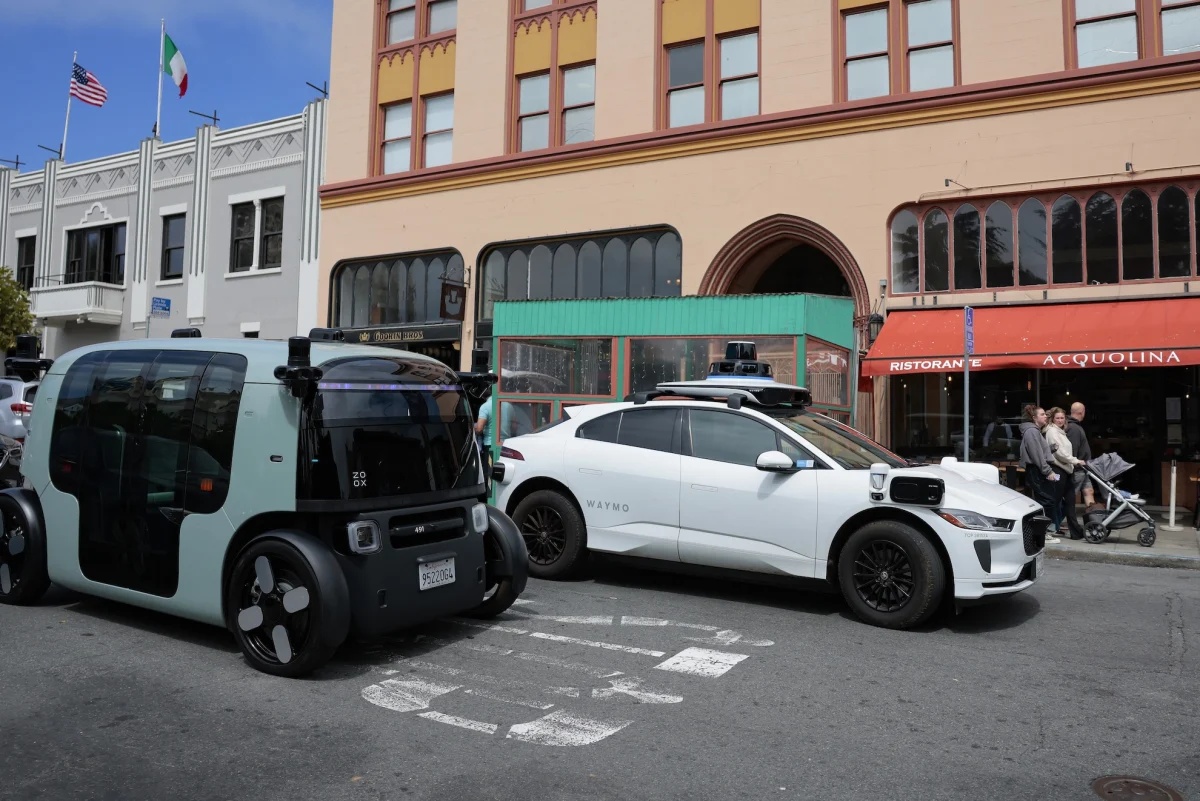
California has enacted a new law aimed at enhancing the safety and responsiveness of autonomous vehicles (AVs), particularly when they encounter operational issues or impede emergency services. Governor Gavin Newsom signed Senate Bill 1246 into law this week, establishing a framework to regulate the behavior of self-driving vehicles, including robotaxis and autonomous trucks, and to hold the companies operating them accountable. The legislation comes as the autonomous vehicle sector matures and incidents involving AVs disrupting public services and first responders become more frequent.
The core of SB 1246 addresses the growing concern over disabled AVs blocking traffic, interfering with emergency scenes, and necessitating assistance from first responders – a problem that has been documented in various locations, including San Francisco, where Waymo’s robotaxis operate extensively. The new law mandates that AV companies provide on-the-ground support to emergency personnel when their vehicles cause disruptions. Furthermore, it introduces penalties for AVs that obstruct police, fire departments, or other emergency services for extended periods, specifically setting a threshold of more than 30 minutes for potential fines.
This legislative action reflects a proactive approach by California, a leading state in AV testing and deployment, to preemptively manage potential challenges associated with a burgeoning AV industry. The law, which is slated to take effect in July 2028, also sets new standards for the remote operation and oversight of autonomous vehicles.
Key Provisions of Senate Bill 1246
Senate Bill 1246 introduces several critical requirements for autonomous vehicle developers and operators:
- Emergency Response Support: Companies must ensure that local, on-the-ground support is readily available to first responders when their AVs require assistance or cause obstructions. This aims to prevent situations where first responders are forced to manually move disabled AVs, as has occurred in past incidents.
- Accountability for Obstructions: A significant provision establishes clear accountability for AVs that impede emergency operations. If an autonomous vehicle blocks police or firefighters for more than 30 minutes, the operating company could face penalties. This measure is designed to incentivize companies to rapidly resolve any operational failures that impact public safety.
- Remote Driver Regulations: The law stipulates that remote drivers overseeing AV operations must be based in the United States and hold a valid U.S. driver’s license. This requirement aims to ensure a more direct and regulated oversight of remote operations.
- System-Wide Failure Notifications: AV developers are obligated to notify cities, towns, and other local jurisdictions about the location and status of their vehicles during system-wide failures. This proactive communication is crucial for urban planning and emergency management.
- Local Incident Technicians: The legislation mandates the provision of "local incident technicians" who can be dispatched to assist with AV accidents and obstructions. This ensures a dedicated resource for managing AV-related incidents at a local level.
The California Department of Motor Vehicles (DMV) is tasked with finalizing specific details and regulations to implement SB 1246, as it is the primary regulator for autonomous vehicles in the state. The law’s implementation date of July 2028 suggests a phased approach to adoption, allowing companies time to adapt their operational protocols and infrastructure.
Background: The Evolving Landscape of Autonomous Vehicles

The development and deployment of autonomous vehicles have accelerated rapidly in recent years. Companies like Waymo (an Alphabet subsidiary), Cruise (formerly General Motors), Zoox (owned by Amazon), and Tesla are at the forefront of this technological revolution, testing and operating AVs in various urban environments. While these companies tout the potential benefits of AVs, including increased safety, reduced congestion, and improved mobility, their real-world deployment has not been without challenges.
Incidents of AVs unexpectedly stopping, obstructing traffic, or becoming involved in accidents have been reported across the country. In California, specifically, there have been documented instances of Waymo robotaxis causing traffic jams, interfering with crime scenes, and even requiring towing by emergency services. These events have raised public concern and prompted regulatory scrutiny.
The legislative push in California is a response to these emerging issues. In October 2026, California already had a legislative precursor that signaled a move towards holding robotaxi operators accountable for blocking first responders, indicating a growing consensus that such disruptions need to be addressed through formal regulation. SB 1246 codifies and expands upon these concerns, aiming to create a more robust regulatory framework.
Industry Reactions and Expert Analysis
While the specifics of penalties and support mechanisms are still being refined by the DMV, the automotive and technology sectors are closely watching California’s regulatory moves. Companies like Tesla, Waymo, and Zoox, which are actively involved in AV development and deployment, will be directly impacted by these new requirements.
Industry analysts suggest that such regulations, while potentially adding operational costs, are a necessary step for the long-term viability and public acceptance of autonomous vehicle technology. The ability to manage and mitigate disruptions effectively is crucial for building trust and ensuring that AVs integrate seamlessly into existing transportation infrastructure.
"The challenge for AV companies has always been not just about the technology working flawlessly in ideal conditions, but also about how it behaves when things go wrong, especially in critical situations," commented Dr. Emily Carter, a transportation technology analyst. "This California law acknowledges that reality and places a clear emphasis on accountability and immediate support for emergency services. It’s a significant step towards ensuring that the benefits of AVs don’t come at the expense of public safety and emergency response efficiency."
The implications of SB 1246 extend beyond California. As other states and potentially the federal government consider their own AV regulations, California’s legislative precedent could serve as a model. The question remains whether other jurisdictions will follow California’s lead proactively or wait for further incidents and federal guidance.

Financial and Operational Implications for AV Companies
The mandates outlined in SB 1246 will likely necessitate investments by AV companies in several key areas:
- Enhanced Remote Operations Centers: Companies may need to expand their remote operations centers and increase staffing to ensure continuous monitoring and immediate intervention capabilities for their fleets. The requirement for U.S.-based remote drivers with valid licenses suggests a need for recruiting and training a domestic workforce.
- On-Demand Support Networks: Establishing a network of local incident technicians and roadside assistance personnel capable of responding quickly to AV issues across a wide operational area will be a significant logistical undertaking. This could involve partnerships with existing service providers or the creation of proprietary support teams.
- Data Reporting and Compliance Systems: Robust systems for tracking vehicle status, logging incidents, and reporting failures to local authorities will be essential for compliance. This will require significant investment in data management and communication infrastructure.
- Potential for Fines: The financial risk associated with blocking emergency services for more than 30 minutes could incentivize companies to prioritize rapid resolution of vehicle malfunctions and develop more resilient autonomous systems.
Deals and Funding in the Mobility Sector
Beyond regulatory developments, the mobility sector continues to see significant investment and strategic partnerships.
- Harbinger’s Electric Truck Deal: EV startup Harbinger secured a substantial $300 million deal to supply FedEx with 2,000 electric trucks, signaling a growing demand for sustainable commercial fleet solutions. This partnership underscores the momentum in electrifying heavy-duty transportation.
- HyperGuest Secures Funding: Israeli travel tech startup HyperGuest raised $25 million from AMI, the investment arm of Apax Partners, indicating continued innovation in the travel technology space.
- REGENT Craft and U.S. Marine Corps: REGENT Craft, an innovator in all-electric Seagliders, extended its collaboration with the U.S. Marine Corps Warfighting Lab, bringing the total contract value to $19.25 million. This highlights the increasing interest in advanced electric aviation for defense and logistical applications.
- Quartermaster’s Maritime Intelligence Raise: Maritime intelligence startup Quartermaster successfully raised $140 million in a Series B funding round, with significant contributions from Insight Partners and Overmatch Ventures. The additional $40 million in debt financing from Stifel further bolsters its growth trajectory.
- Voltaback’s EV Charging Software: French fleet management software startup Voltaback raised €2.8 million from European investment fund Serena to expand its EV charging reimbursement solutions across Europe. This investment points to the growing need for sophisticated software to manage electric vehicle fleets.
Notable Reads and Industry Updates
The autonomous vehicle and broader mobility landscape is constantly evolving, with significant developments from key players:
- Aurora’s Ambitious Trucking Vision: Aurora, a company focused on autonomous trucking, announced plans to have 30,000 autonomous trucks on the road by the end of 2030. CFO David Maday expressed confidence in the company’s strategy to achieve this ambitious target, emphasizing the potential for widespread adoption of driverless freight solutions.
- BMW’s Unified EV/ICE Platform: BMW unveiled its 2027 3 Series, featuring a unified platform for both gasoline and electric powertrains. Notably, the electric variant is priced $4,400 lower than its gasoline counterpart, a strategic move to encourage EV adoption.
- DoorDash’s Drone Delivery Expansion: DoorDash provided further insights into its drone delivery service, DoorDash Air, detailing its autonomous aircraft and ground-based systems. This expansion into aerial delivery represents a significant step in the evolution of last-mile logistics.
- Kodiak Partners with IKEA for Driverless Deliveries: Kodiak has secured IKEA as a customer, with plans to commence driverless deliveries on public highways later this year. The initial route will cover a 219-mile stretch of Interstate 45 between Houston and Dallas, hauling IKEA products without a human driver in the cab. This partnership marks a significant milestone for autonomous freight logistics in consumer goods delivery.
- Lyft Settles Driver Classification Lawsuit: Lyft agreed to a $272.5 million settlement to resolve a lawsuit alleging misclassification of drivers as independent contractors rather than employees, a violation of California law that predated Proposition 22. This settlement addresses a long-standing debate over worker classification in the gig economy.
- Vehicle Data Privacy Concerns: A study by Northeastern University revealed that modern vehicles and their companion mobile apps collect extensive personal data and share it with numerous tech companies, including Adobe, Google, Microsoft, Meta, and Yahoo. This finding highlights growing concerns about data privacy in the automotive sector.
- SpaceX Achieves Starship Orbital Milestone: SpaceX’s Starship rocket successfully reached Earth orbit for the first time, a significant achievement in the company’s ambitious space exploration program, albeit with some operational challenges during the flight.
- Rivian’s Sales Surge and Recall: Rivian reported a record quarter for sales, driven by strong demand for its new R2 SUV. Despite this success, the company issued a recall for the R2 SUV due to potentially loose fasteners on its high-voltage battery pack, which could lead to a loss of power while driving. This recall underscores the complexities of scaling new EV production.
- Tesla’s Q3 Performance and AI Ambitions: Tesla reported selling over 480,000 EVs in the third quarter, marking its second consecutive strong quarter. While its traditional automotive business shows resilience, the company continues to emphasize its vision as an AI and robotics leader. Elon Musk’s "fourth Master Plan" focuses on achieving "amazing abundance" through robotaxis, robots, and AI. To support these initiatives, Tesla secured $30 billion in new credit lines, potentially for scaling its Optimus robot and Cybercab robotaxi. However, the practical definition of "abundance" and Tesla’s path to achieving it remain subjects of ongoing discussion and analysis. The company also experienced another delay in its Roadster 2 event due to adverse weather conditions.
Looking Ahead: The Impact of Regulation and Innovation
The enactment of SB 1246 in California represents a critical juncture in the regulation of autonomous vehicles. By mandating support for emergency responders and establishing accountability, the law aims to foster a more responsible and integrated deployment of AV technology. As the industry continues to mature, similar legislative efforts are likely to emerge in other regions, shaping the future of transportation and the role of artificial intelligence within it. The coming years will be pivotal in determining how effectively AV companies can navigate these regulatory landscapes while continuing to innovate and scale their groundbreaking technologies. The interplay between technological advancement, public safety, and legislative oversight will define the next chapter of autonomous mobility.