Garick Elordi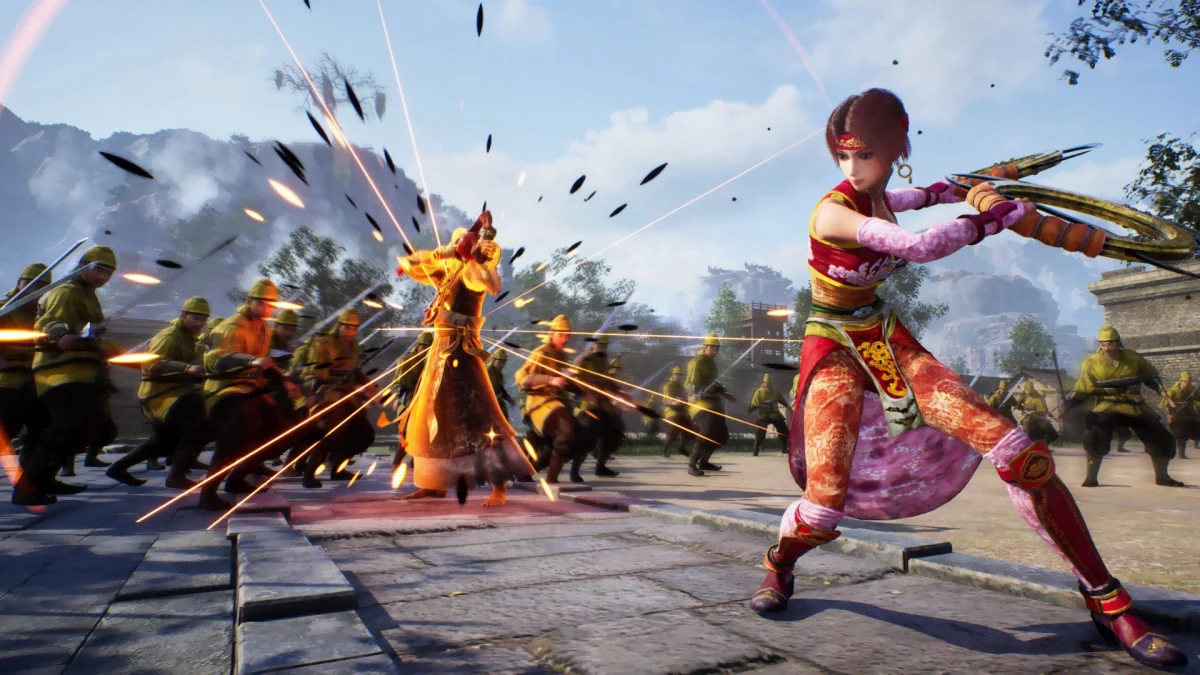
The release of Dynasty Warriors 3: Complete Edition Remastered has sparked a significant conversation regarding the future trajectory of the long-running "Musou" franchise and the creative philosophy of its veteran leadership. Tomohiko Sho, the veteran producer at Koei Tecmo’s Omega Force studio, recently signaled a strategic pivot in his personal career goals, suggesting that while the appetite for nostalgia remains high among the fan base, his own professional focus has shifted toward the pursuit of original titles and innovative sequels. In a comprehensive interview with the Japanese publication 4Gamer, Sho articulated a sentiment common among senior developers in the modern gaming industry: the desire to leave a lasting legacy of new ideas rather than perpetually refining past successes.
As Dynasty Warriors 3: Complete Edition Remastered arrives on a wide array of platforms—including the Nintendo Switch 2, PC, PlayStation 5, and Xbox Series X/S—it marks a celebratory milestone for the franchise’s 25th anniversary. However, for Sho, the project served as a poignant reminder of the exhaustive labor required to bring decades-old software up to contemporary standards. Sho’s reflections provide a rare glimpse into the internal conflict faced by creators who find themselves tasked with revisiting their own early-career work, highlighting a tension between commercial demands and creative fulfillment.
The Creative Burden of the Remastering Process
The development of Dynasty Warriors 3: Complete Edition Remastered was far from a simple graphical upscaling. Utilizing Unreal Engine 5, the development team at Omega Force essentially had to rebuild the 2001 PlayStation 2 classic from the ground up to ensure compatibility with modern hardware and meet the expectations of a high-definition audience. This level of investment often blurs the line between a "remaster" and a "remake," a distinction Sho emphasized during his discussion with 4Gamer.
"To be honest, I don’t want to do it," Sho admitted when questioned about the possibility of further remasters. "It would be almost a complete remake, and even this time I sometimes thought, ‘Why am I remaking something I made myself?’" This existential query underscores the psychological toll of retreading familiar ground. For a developer who was instrumental in the original creation of the series, the act of deconstructing and rebuilding the same logic, character models, and level designs can feel like a circular journey rather than a forward-moving career path.
Sho, who is now in his fifties, noted that the biological reality of aging has begun to influence his project selection. With major game development cycles now lasting anywhere from four to six years, a veteran producer may only have a handful of "AAA" projects left in their professional lifespan. "I sometimes think about how many more games can I make before I retire," Sho remarked, "so I’d rather make new games or sequels."
A Historical Context: The Legacy of Dynasty Warriors 3
To understand why Koei Tecmo chose Dynasty Warriors 3 as the subject for a high-profile remaster, one must look at the historical significance of the title. Released originally in 2001, Dynasty Warriors 3 is often cited as the entry that defined the "Musou" sub-genre. While the second game introduced the concept of "one versus thousands" battlefield combat, the third installment perfected the formula with expanded rosters, more complex objective-based maps, and a legendary soundtrack that combined traditional Chinese themes with hard rock.
The game was a massive commercial success for Koei, helping the PlayStation 2 dominate the early 2000s landscape. For many fans, it represents the "golden age" of the series, characterized by a specific balance of difficulty and arcade-style progression that some feel has been diluted in more recent, more experimental entries like the open-world Dynasty Warriors 9. By bringing this specific title to the Nintendo Switch 2 and other current-gen platforms, Koei Tecmo sought to bridge the gap between the franchise’s roots and its future.
Market Reception and Technical Execution
Despite Sho’s personal hesitations, the market response to Dynasty Warriors 3: Complete Edition Remastered suggests that the producer’s "obligation to the fans" was well-founded. Early data from Steam indicates a "Very Positive" reception, with players praising the fidelity of the Unreal Engine 5 transition. The remastering process involved not only high-resolution textures and modernized lighting but also an overhaul of the artificial intelligence to ensure the "tactical" feel of the original game remained intact despite the increased power of modern CPUs.
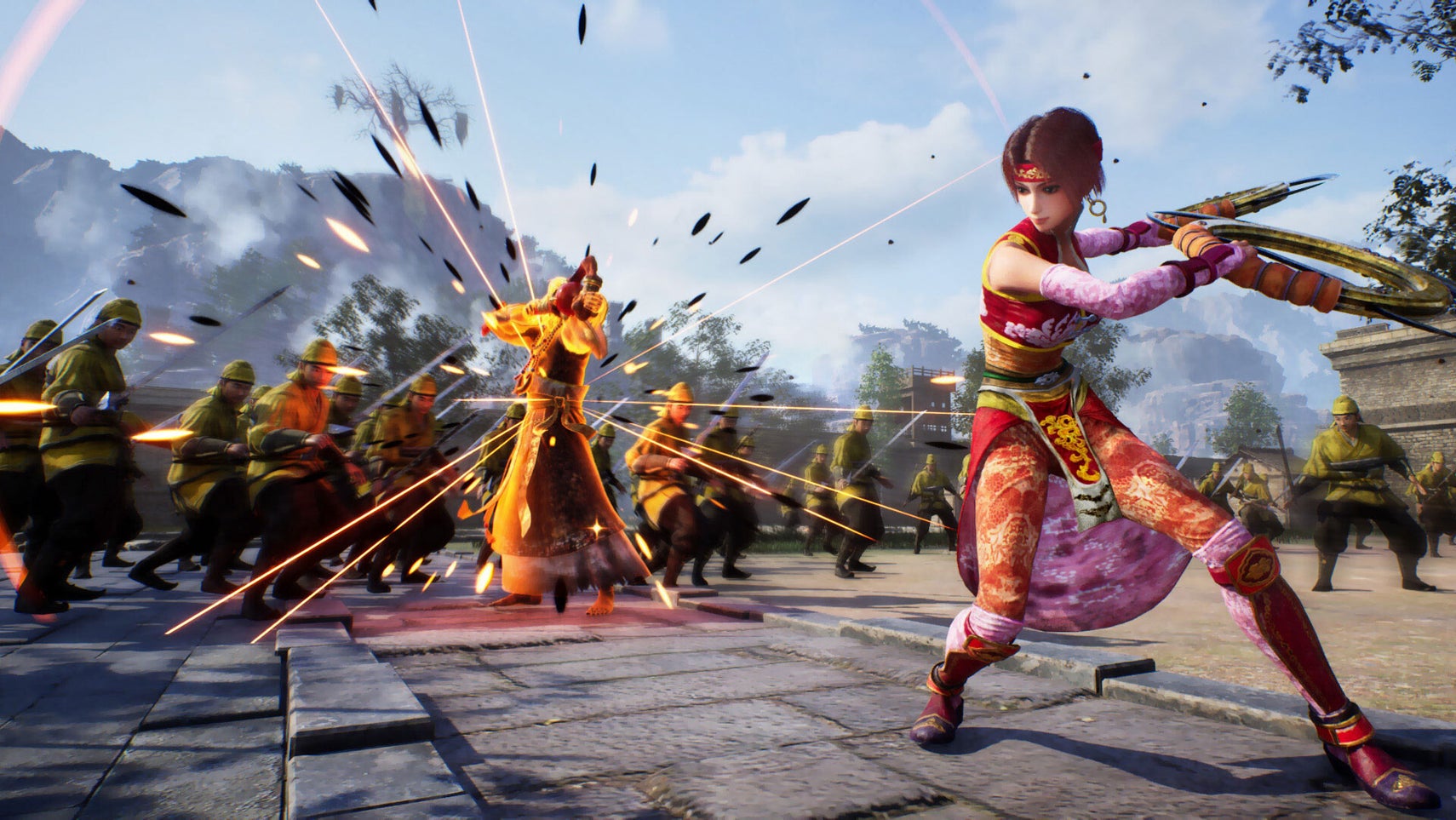
The inclusion of the "Complete Edition" content—which incorporates the original Xtreme Legends expansions—has also been a point of praise. Historically, Koei Tecmo titles were often fragmented across multiple releases; providing a singular, definitive package on modern storefronts addresses a long-standing grievance within the community. The game’s performance on the Nintendo Switch 2 has been particularly noted by industry analysts as a showcase for the new handheld’s backward compatibility and enhanced processing capabilities, allowing for massive troop counts that were previously impossible on mobile hardware.
The Shift Toward Delegation and New Horizons
While Sho is reluctant to lead another remaster project himself, he has not closed the door on the possibility of the series continuing its retrospective trend. He hinted that the responsibility for future remasters—specifically titles currently unavailable on digital platforms like Steam—might be handed off to younger directors and producers within Omega Force.
"I can’t say anything at the moment, and I haven’t even thought about it, but it’s not impossible that we’ll remaster titles that aren’t available on Steam," Sho stated. This potential delegation serves a dual purpose: it allows the studio to satisfy market demand for legacy content while providing junior developers with the opportunity to study the mechanics of successful past titles. It also frees Sho to focus on ambitious projects like the upcoming Dynasty Warriors: Origins, which promises to return the series to its tactical roots with a more focused, narrative-driven approach.
Chronology of the Dynasty Warriors Franchise Evolution
The evolution of the series provides context for why a veteran like Sho feels the need to innovate. The franchise has undergone several distinct eras:
- The Fighting Game Era (1997): The original Dynasty Warriors was a one-on-one weapon-based fighter on the PlayStation.
- The Musou Revolution (2000–2007): Dynasty Warriors 2 through 5 established the "one-versus-thousands" gameplay, peaking in popularity during the PS2 era.
- The Experimental Era (2008–2013): Dynasty Warriors 6 and 7 introduced "Renbu" systems and more cinematic storytelling, attempting to modernize the combat feel.
- The Open World Experiment (2018): Dynasty Warriors 9 attempted to transition the series into a massive open-world format, a move that polarized the fan base and led to a period of internal reflection at Omega Force.
- The Modern Refinement (Present): With the release of the DW3 Remaster and the development of Origins, the studio is currently focused on high-fidelity recreations of core mechanics using advanced engines like Unreal Engine 5.
Strategic Implications for Koei Tecmo
Sho’s comments reflect a broader industry trend where legacy studios must balance the "safe" revenue of remasters with the high-risk, high-reward nature of new IP. For Koei Tecmo, the Dynasty Warriors brand is a cornerstone of their financial stability. However, over-reliance on the past risks brand stagnation.
The success of licensed Musou titles—such as Hyrule Warriors (Nintendo) and One Piece: Pirate Warriors (Bandai Namco)—has shown that the gameplay formula is incredibly versatile. By moving Sho toward new projects, Koei Tecmo is likely betting on his ability to find the "next big thing" for the Musou engine, potentially exploring new historical settings or entirely new combat paradigms that could sustain the company for the next 25 years.
Furthermore, the choice of Unreal Engine 5 for the Dynasty Warriors 3 remaster suggests a technological standardization within Omega Force. Moving away from proprietary engines in favor of industry-standard tools could streamline development and make it easier for the studio to port titles across multiple platforms simultaneously, reducing the overhead associated with the remasters Sho finds so taxing.
Conclusion: A Legacy in Transition
Tomohiko Sho’s "Very Positive" reception on Steam for his latest project is a testament to his skill as a producer, yet his heart clearly lies in the unwritten chapters of his career. As the gaming industry continues to grapple with its own history through a constant stream of remakes and remasters, Sho’s stance serves as a reminder that the creators behind these beloved franchises are often more interested in the future than the past.
For fans of the Dynasty Warriors series, this means a dual-track future: a likely continuation of legacy ports handled by a new generation of developers, and a bold, new direction for the main series led by the veteran visionaries who built it. Whether Sho’s next project is a numbered sequel or a radical new departure, his desire to prioritize "new games before retirement" ensures that the Musou genre will continue to evolve rather than merely repeating its greatest hits. The 25th anniversary of Dynasty Warriors marks not just a look back at the battles of the Three Kingdoms, but a decisive step forward for the men and women who brought those legends to life.