George Chandra Eka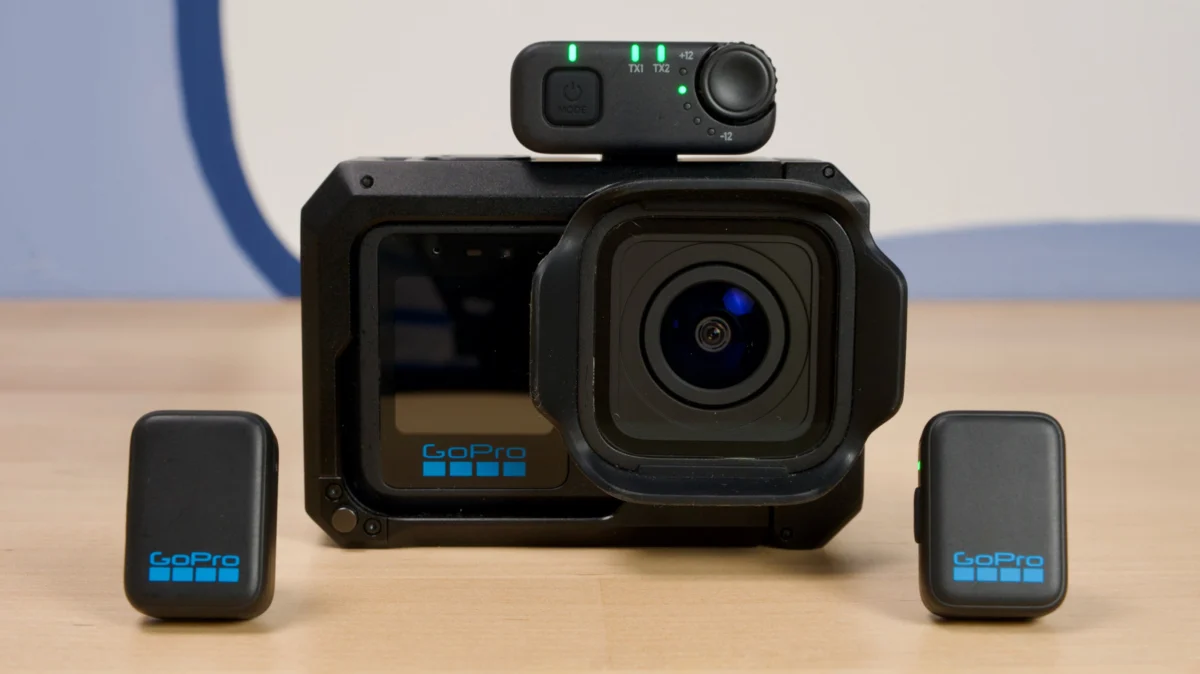
The release of the GoPro Wireless Mic System in 2026 marks a significant milestone for the action camera giant, addressing a long-standing demand from its user base for enhanced audio capabilities. After an estimated 175 months of anticipation since the potential of GoPro as a vlogging tool was first widely recognized with the HD Hero 2, this new system aims to deliver a comprehensive audio solution. Priced at $159 for the two-mic bundle, with USB-only ($80) and line transmitter ($50) kits also available, GoPro enters a highly competitive market currently dominated by established players like Rode, DJI, and Hollyland. The system promises direct camera connectivity, robust battery life, and superior sound quality, aiming to justify the considerable wait and position GoPro as a stronger contender in the evolving landscape of content creation.
A Long-Awaited Innovation: Historical Context and Market Need
For years, GoPro cameras have been synonymous with ruggedness, portability, and exceptional video capture in challenging environments. However, audio performance has historically been a secondary consideration, often requiring cumbersome external adapters or third-party solutions to achieve professional-grade sound. This limitation became increasingly apparent with the explosion of vlogging, livestreaming, and documentary filmmaking, where clear, crisp audio is as crucial as high-definition video. Content creators using GoPros for "talking head" segments, interviews, or on-the-go commentary frequently struggled with the cameras’ built-in microphones, which, while adequate for ambient sound, lacked the fidelity and directional pickup necessary for clear speech.
The yearning for a dedicated, integrated wireless microphone system dates back to early GoPro models. Reviewers and users alike noted the camera’s formidable video capabilities but consistently highlighted the need for a capable wireless microphone – ideally one that connected directly without an intermediary receiver, offered noise reduction, and came with a convenient charging solution. This consistent feedback over more than a decade underscored a significant gap in GoPro’s ecosystem. The company’s delayed entry into this segment meant that competitors like DJI and Insta360 had already established strong footholds, offering integrated camera-mic solutions that provided seamless user experiences. The Wireless Mic System, therefore, arrives not merely as a new product, but as a strategic move to complete GoPro’s offering for the modern content creator.
Deep Dive into Hardware and Design
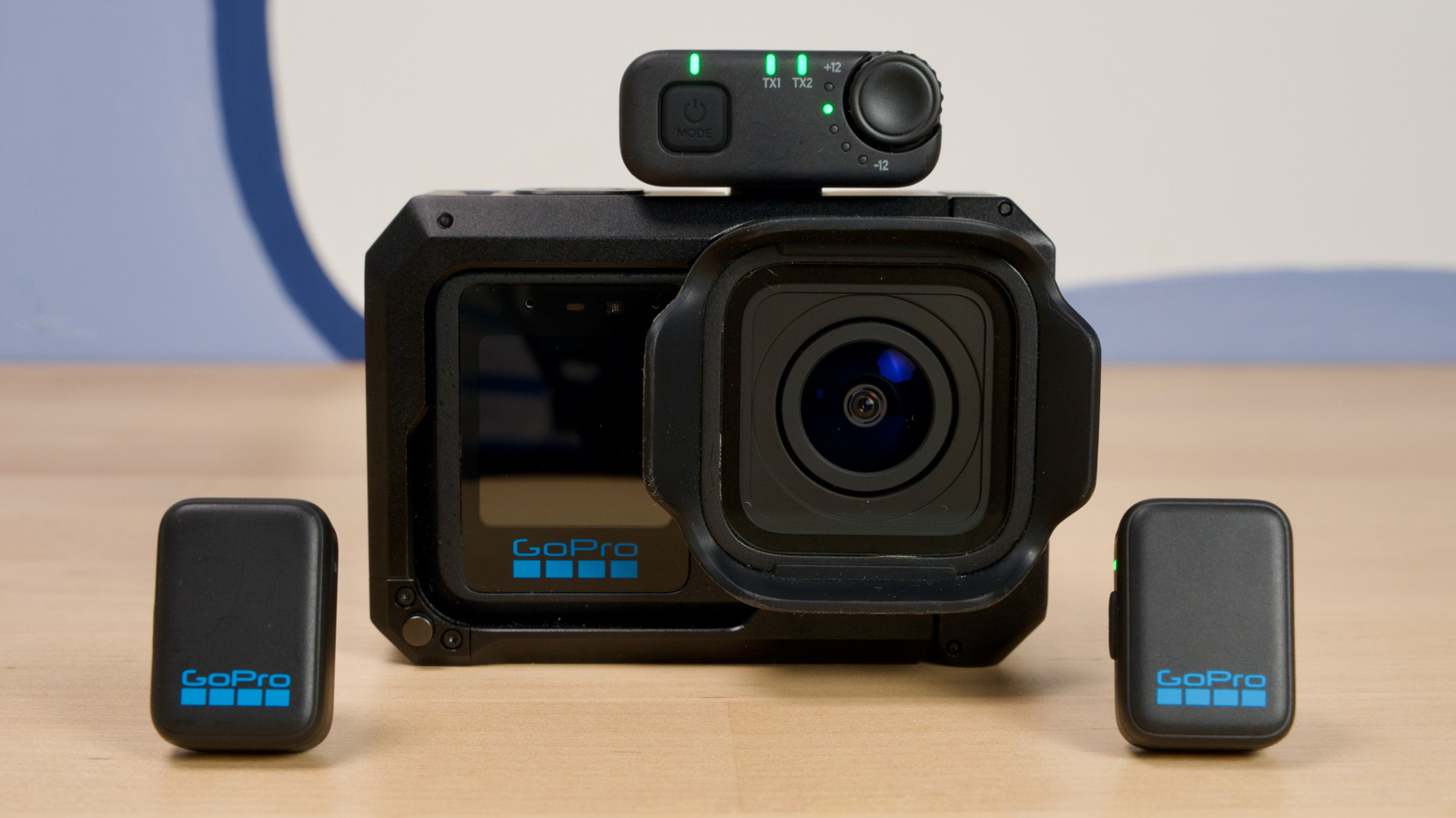
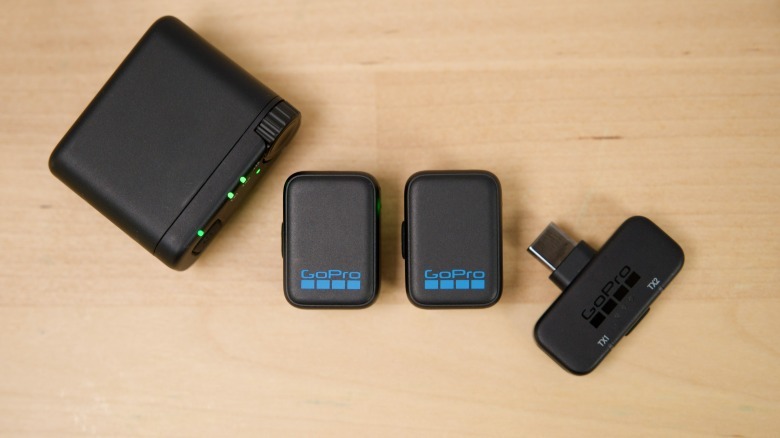
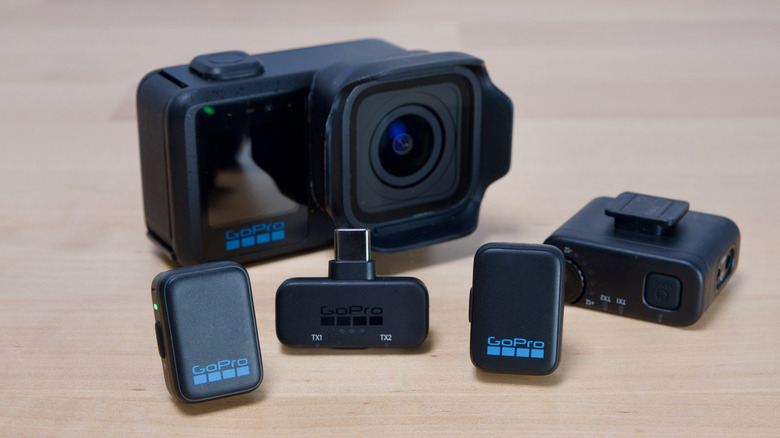
The GoPro Wireless Mic System is presented as a comprehensive audio toolkit, primarily featuring two wireless transmitters (microphones) and two distinct receivers designed for broad compatibility. One receiver is tailored for traditional DSLR and mirrorless cameras, equipped with a 3.5mm jack for audio input and a headphone port for real-time audio monitoring—a critical feature for professional videographers. This receiver also includes a gain control dial and buttons for switching between essential modes such such as stereo, mono, and safety track recording, offering flexibility for various production scenarios. The second receiver is a compact, lightweight unit designed for USB-C devices, including modern smartphones and PCs. Its minimalist design features a single button for cycling through three preset gain levels, prioritizing simplicity and ease of use for mobile content creation.
The entire kit is housed within a charging case, providing approximately 20 hours of total operational time, with each individual microphone offering about six hours of use per charge. This battery performance is competitive within the market, ensuring creators can operate for extended periods without concern. Notably, the overall package distinguishes itself through its compactness, presenting a more streamlined profile compared to rivals such as DJI’s Mic Mini or Insta360’s Mic Pro. While Rode’s Wireless Micro video kit offers a smaller case, it notably lacks the capacity to accommodate both of its receivers, giving GoPro an edge in terms of all-in-one convenience. The inclusion of a soft carry pouch further enhances portability and protection, housing the 3.5mm and USB cables. Even with these accessories, the kit remains remarkably lightweight, a crucial factor for creators on the move.
The microphones themselves are designed for discretion and practicality. Slightly smaller than DJI Mic Mini transmitters, they can be securely attached to clothing using either the included magnets or integrated clips. Weighing a mere 10 grams (0.3 ounces), these mics are barely noticeable when worn, preventing any drag on clothing. The single power button serves multiple functions, activating pairing and noise reduction modes. This minimalist design, while contributing to the lightweight and discreet nature, does occasionally lead to users forgetting they are wearing the mic, highlighting its ergonomic success.
Seamless Integration and Operational Nuances
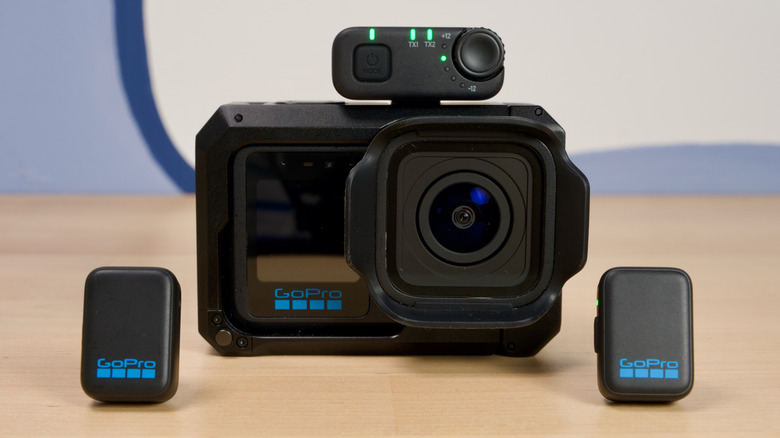
A primary differentiator and significant selling point of the Wireless Mic System is its direct connectivity to GoPro cameras. While not exclusively limited to action cameras, its seamless integration with GoPro’s ecosystem, particularly since the Hero 12, addresses a long-standing user desire. Prior to this system, users often relied on third-party Bluetooth microphones, such as DJI’s Mic Mini and Mic 3, to connect directly to their GoPros. The proprietary system now offers a more optimized experience.
The pairing process with a compatible GoPro camera is straightforward: one of the microphones is powered on, and the power button is tapped three times to switch to Bluetooth mode. After turning the mic off, holding the power button down during the next power-on initiates pairing. The GoPro camera then recognizes and connects to the microphone. While either microphone can be paired, only one can connect directly via Bluetooth to the camera at a time. A single press of the mic button activates noise reduction, confirmed by a white LED indicator.
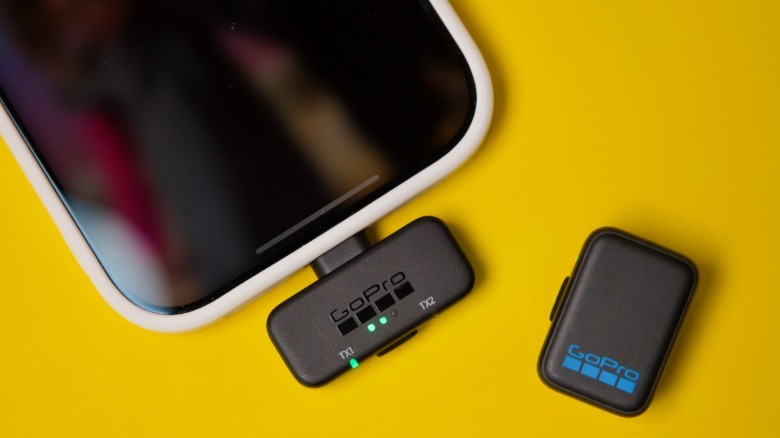
For non-GoPro devices or scenarios requiring dual-mic input, the physical receivers come into play. Using either the USB-C or 3.5mm receiver is equally simple: connect the receiver to the camera or PC, and then activate the microphone. If the mic was previously used in Bluetooth mode, three taps of the power button will revert it to receiver mode. The USB receiver is thoughtfully designed to fit snugly into a GoPro’s recessed USB port, negating the need for complete removal of the camera’s protective door, though that option remains for a tidier setup. When used with a smartphone, the USB-C dongle extends slightly from the base, maintaining a secure and practical connection.
Despite the advantages of direct connectivity, the hardware receiver typically offers superior audio quality. Furthermore, it enables the simultaneous use of both microphones. However, this dual-mic setup via the USB receiver introduces a notable operational quirk: the GoPro’s display only shows one VU meter, giving the initial impression that only one microphone is active. Post-recording, it becomes clear that both are recorded, but in a "split" mode – one mic on the left channel and the other on the right. This stereo separation can be jarring when played back on headphones or standard stereo systems, necessitating a conversion to mono in editing software. This extra step adds friction, particularly for creators who prefer to share content directly from their phones or PCs without extensive post-production. While the TRS receiver allows for switching between mono and stereo modes, this functionality is currently absent for the USB dongle. This issue, along with the UI quirk, suggests a lack of refinement that can likely be addressed through firmware updates. GoPro’s own Quick and Fluid camera apps present ideal platforms for implementing such settings adjustments for the USB dongle.
Another missed opportunity, noted by reviewers, is the absence of remote record start/stop functionality on the GoPro camera via its own microphones—a feature commonly found in competing systems like DJI’s Osmo cameras. While a minor detail, it enhances convenience and workflow efficiency, making its omission a notable drawback for users accustomed to such capabilities.
Audio Performance Analysis
In terms of raw audio performance, the GoPro Wireless Mic System delivers solid, clear sound when utilizing either of its dedicated receivers. In controlled environments, such as a home office, it effectively minimizes excessive background noise and echo, rendering voices naturally and with good presence. The system also demonstrates a commendable ability to capture ambient sound and atmosphere, making it versatile even for non-dialogue-focused video projects. When directly compared to the built-in microphone of the GoPro Media Mod, the Wireless Mic System consistently outperforms it, offering a clear upgrade for vlogs, interviews, and any content requiring articulate speech.
However, the audio quality experience varies when connecting directly to a GoPro via Bluetooth without a receiver. In this mode, while the GoPro system sounds noticeably more centered and less "roomy" than a direct Bluetooth connection from DJI’s Mic Mini, the noise reduction feature introduces some discernible artifacting. While the results remain usable, discerning users might prefer to disable Bluetooth noise reduction and rely on more sophisticated post-production tools to clean up audio, thereby avoiding any potential degradation of the original recording. This distinction highlights the trade-offs between the convenience of direct Bluetooth connectivity and the superior fidelity offered by the physical receivers.
Navigating a Crowded Landscape: Competitive Analysis
GoPro’s entry into the wireless microphone market places it directly against a formidable array of established competitors. Rode, having pioneered the category with its highly popular Wireless Go series, continues to be a benchmark for many. DJI, with its Mic series, has rapidly gained market share, particularly benefiting from its integrated camera solutions. Other brands like Hollyland also maintain a strong presence with their economical yet functional offerings. Furthermore, camera manufacturers such as Insta360 are increasingly developing proprietary microphone kits that offer seamless integration with their own cameras, creating a closed ecosystem advantage.
GoPro’s late arrival means it faces an uphill battle, especially considering its pricing strategy. The $159 two-mic bundle is positioned at a similar or higher price point than some established alternatives. For instance, while DJI’s Mic Mini 2 might be more affordable internationally, its availability in the US market has faced challenges, creating a unique dynamic. Rode’s Wireless Micro camera kit, similarly priced to GoPro, often boasts a more refined software experience and includes practical features like an OLED display on its receiver, offering users more immediate feedback and control. Hollyland, with its more economical models, appeals to budget-conscious creators while providing comparable core functionality.
The GoPro Wireless Mic System lacks certain advanced features found in some premium competitors, such as on-board recording capabilities within the transmitters or 32-bit float recording for wider dynamic range and greater post-production flexibility. These omissions place it squarely in the same category as products like DJI’s Mic Mini 2 and Rode’s Wireless Micro camera kit, which prioritize ease of use and portability over high-end professional features.
Ultimately, GoPro’s unique selling proposition for this system hinges on its superior compatibility and integration with its own line of action cameras. For dedicated GoPro users, the ability to directly connect a high-quality wireless microphone without cumbersome adapters or third-party solutions is a significant draw. However, the existing flaws, particularly concerning dual-mic functionality via USB and the lack of certain software features, temper this advantage, placing a greater emphasis on future firmware updates to fully realize its potential and justify its price point against such stiff competition.
Strategic Positioning and Future Outlook
The GoPro Wireless Mic System represents a commendable first foray for the company into a critical accessory category. Its strengths are undeniable: a compact and easily portable design, versatile compatibility thanks to its dual receiver system, competitive battery life, and—crucially—strong sound quality, particularly when paired with its own cameras. These attributes address many of the long-standing demands from GoPro users and position the system as a valuable audio upgrade.
However, the system is not without its initial drawbacks. The limitation of connecting only one microphone directly via Bluetooth to a GoPro, coupled with the inconvenient "split" audio mode for dual-mic recording via the USB dongle, introduces unnecessary friction into the creative workflow. The UI quirk of only displaying one active microphone on the GoPro screen further adds to user confusion. The absence of remote record start/stop functionality, a feature common among competitors, also feels like a missed opportunity for a system designed to enhance the GoPro user experience.
While none of these issues are catastrophic on their own, their cumulative effect is notable, especially within a market saturated with polished alternatives at similar or even lower price points. The good news is that these "fixable flaws" appear to be primarily software or firmware-based. Given GoPro’s history of iterative improvements through updates, there is a strong likelihood that these inconveniences will be addressed in due course, potentially through updates to the device firmware itself or through enhancements to GoPro’s companion apps like Quick and Fluid camera.
Despite these initial imperfections, the Wireless Mic System undeniably elevates the GoPro line, particularly models like the Mission 1 Pro, into a much stronger contender in the fiercely competitive "lightweight vlogger kit wars." For too long, GoPro felt like an outlier compared to integrated solutions offered by DJI (e.g., Osmo Pocket 4) and Insta360 (e.g., Luna Ultra), which provided seamless camera-mic combos from the outset. With its own dedicated audio solution, GoPro finally offers a more complete ecosystem for content creators, making its action cameras a more viable and attractive option for those prioritizing both exceptional video and high-fidelity audio in a portable package. The long wait for this product reflects the enduring importance of audio quality in modern content creation, and while the system has room for refinement, it marks a crucial step forward for GoPro’s strategic positioning in the creator economy.