
 George Chandra Eka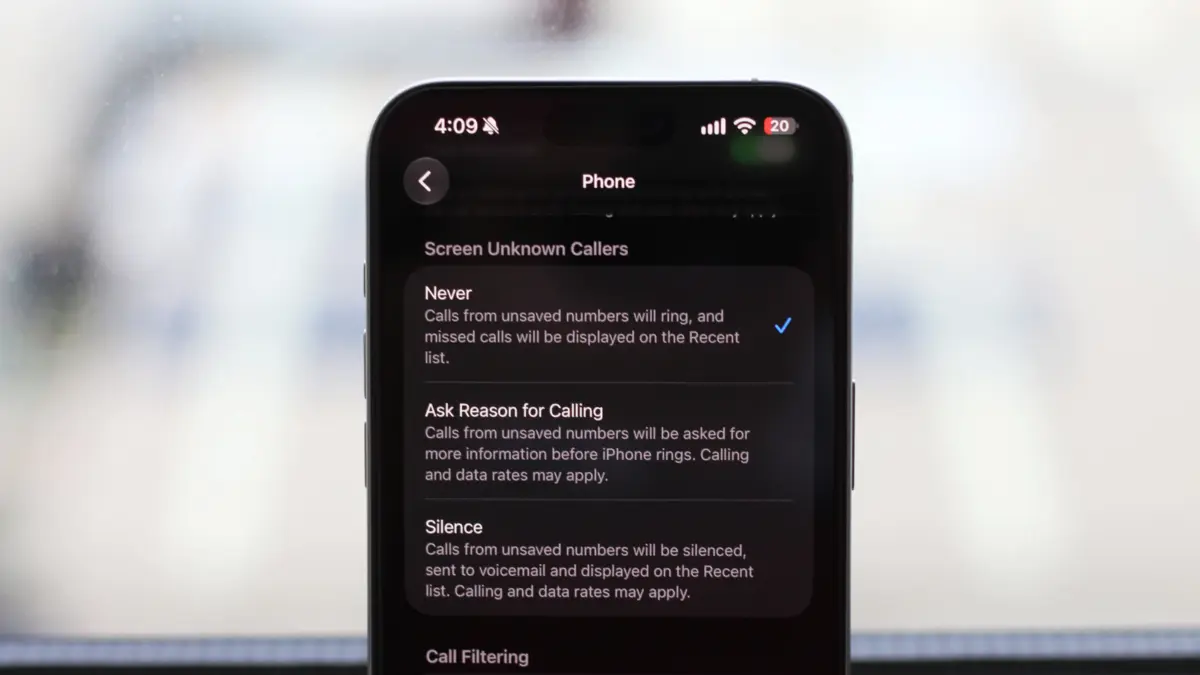
The relentless barrage of unwanted calls, colloquially known as spam or robocalls, has evolved from a mere nuisance into a pervasive digital threat, consistently ranking among top consumer complaints. While the hope of their complete eradication remains elusive, significant advancements in mobile operating systems and carrier technologies now empower users with sophisticated tools to reclaim control over their communication channels, often negating the need for third-party subscriptions. This development represents a crucial shift in the ongoing battle against unsolicited telemarketing, fraudulent schemes, and other disruptive calls, leveraging the inherent capabilities of modern smartphones and network infrastructure.
The Pervasive Problem of Spam Calls: A Digital Epidemic
The scale of the spam call problem is staggering. According to YouMail’s Robocall Index, American consumers were subjected to billions of robocalls annually, with figures often exceeding 4-5 billion calls per month. These calls range from legitimate (though often unwanted) telemarketing to sophisticated phishing attempts, imposter scams, and fraudulent schemes designed to extract personal information or financial resources. The Federal Trade Commission (FTC) consistently reports millions of complaints related to unwanted calls each year, with billions of dollars lost to phone scams. In 2023, for instance, the FTC reported that consumers lost hundreds of millions of dollars to imposter scams alone, many of which originate via phone calls.
The proliferation of Voice over Internet Protocol (VoIP) technology and easy access to auto-dialing software have drastically lowered the barrier for spammers. Furthermore, the practice of "spoofing," where callers intentionally falsify the information transmitted to caller ID displays to mask their true identity or impersonate legitimate entities (like government agencies, banks, or local businesses), has made it increasingly difficult for individuals to discern genuine calls from malicious ones. This erosion of trust in an essential communication medium underscores the urgency of effective countermeasures.
A Chronology of Countermeasures: From Legislation to Technology
The fight against unwanted calls is not new, with efforts spanning decades.
- 1991 – Telephone Consumer Protection Act (TCPA): This landmark legislation restricted telemarketing calls, prohibiting the use of automatic telephone dialing systems and artificial or prerecorded voice messages without prior express consent. It also established the National Do Not Call Registry.
- 2003 – National Do Not Call Registry: Launched by the FTC, this registry allows consumers to register their phone numbers to opt out of most telemarketing calls. While effective against legitimate telemarketers, it often proves less so against illegal operators and scammers.
- 2012 – FCC Cracks Down on Robocalls: The Federal Communications Commission (FCC) clarified that prior express consent is required for all prerecorded telemarketing calls to cell phones.
- 2017-2019 – Increased Carrier and Device Manufacturer Engagement: As the problem worsened, major mobile carriers began offering more robust spam blocking and caller ID services, often as premium features. Simultaneously, device manufacturers like Apple and Google started integrating basic spam filtering directly into their operating systems.
- 2019 – TRACED Act: The Telephone Robocall Abuse Criminal Enforcement and Deterrence (TRACED) Act significantly bolstered federal enforcement against illegal robocalls. It mandated that carriers implement the STIR/SHAKEN framework.
- 2021 – STIR/SHAKEN Implementation: The FCC mandated that voice service providers implement the STIR/SHAKEN (Secure Telephone Identity Revisited/Signature-based Handling of Asserted information using toKENs) framework. This technology digitally "signs" calls to verify that they are from the number displayed on caller ID, making it much harder for spammers to spoof phone numbers. Its full implementation across all networks continues to be a complex, ongoing process, but it has shown promise in reducing certain types of spoofed calls.
These legislative and technological initiatives reflect a multi-pronged approach, acknowledging that no single solution can fully address the multifaceted nature of the spam call threat.
Empowering Users: Device-Level Defenses for iOS and Android
While regulatory and carrier-level solutions form the backbone of defense, the most immediate and user-centric tools are found directly within our smartphones. Both Apple’s iOS and Google’s Android have significantly enhanced their native call management features, making them highly effective without requiring external applications or additional subscriptions.
Advanced Spam Filtering on iOS
Apple has progressively integrated robust call filtering capabilities, prioritizing user privacy and control. To access these features, iPhone users navigate to Settings > Phone.
- Silence Unknown Callers: This is arguably the most impactful feature for mitigating unwanted calls. Found under the Call Silencing and Blocked Contacts section, enabling Silence Unknown Callers will automatically send calls from numbers not saved in your contacts list, recent outgoing calls, or Siri Suggestions to voicemail. These calls will still appear in your Recents list, but your phone will not ring. This feature is particularly effective for those who primarily communicate with known contacts and are willing to review voicemails for legitimate calls from new numbers (e.g., doctor’s offices, delivery services). The trade-off requires users to be diligent about saving important new contacts.
- Spam Filtering by Carrier: Located under the Call Filtering & Reporting section, enabling Spam allows your carrier to identify and filter calls it suspects are junk. These calls are automatically sent to voicemail and categorized under a dedicated "Spam" section within the Phone app’s Recents tab, accessible via a button in the top-right corner. This relies on the carrier’s own analytics and databases for spam identification.
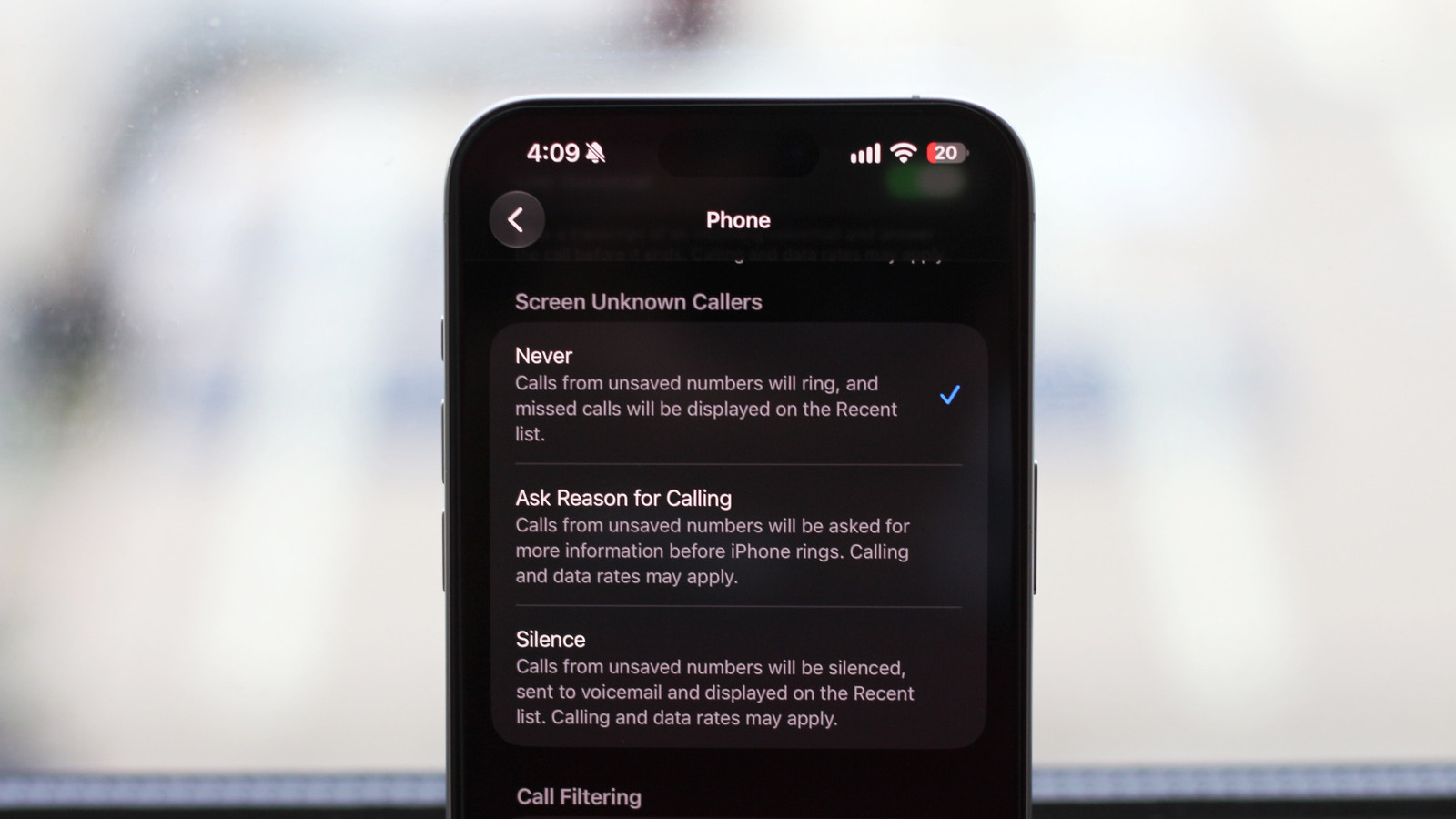
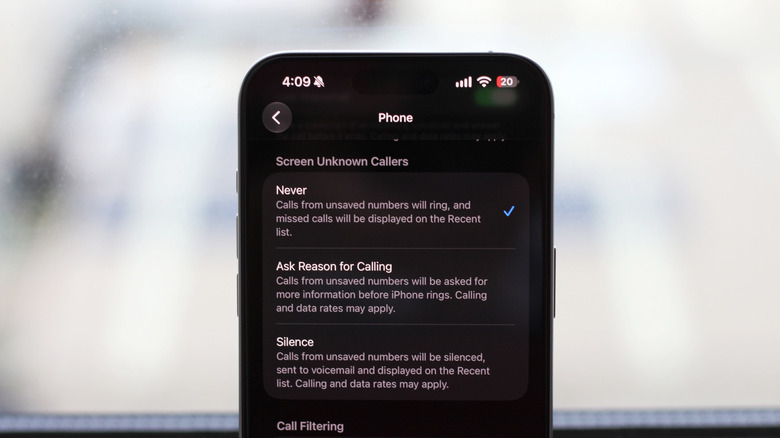
- Call Screening (Ask Reason for Calling): Introduced with iOS 17 in select regions, this innovative feature offers a middle ground between silencing all unknown calls and letting them ring. Under the Screen Unknown Callers section, selecting Ask Reason for Calling prompts your iPhone to screen unknown callers by asking them why they’re calling. A live transcript of the caller’s response appears on your screen, allowing you to decide whether to answer, send to voicemail, or hang up. This provides a dynamic and interactive way to filter calls without missing potentially important communications.
- Mark as Known: For calls that initially appear as unknown but are later identified as legitimate (e.g., a new business contact), users can mark the number as known within the Phone app, preventing future calls from that number from being silenced or screened.
Apple’s approach, as articulated by their consistent focus on privacy and user experience, aims to provide users with granular control over who can reach them, leveraging on-device intelligence and carrier partnerships.
Robust Spam Management on Android
Android’s ecosystem, with its diverse range of manufacturers and dialer apps, offers similar, often AI-enhanced, spam protection. The Phone app by Google, which ships as the default dialer on many Android devices (including Pixel phones and some Samsung models), is at the forefront of these efforts. If your device uses a different dialer, installing and setting Google’s Phone app as default is often recommended for the best spam protection.
- Caller ID and Spam Protection: Within the Google Phone app, users can access these settings by tapping the three-dot menu (or "hamburger" menu) > Settings > Caller ID & spam.
- See caller and spam ID: Enabling this feature allows the app to display information about callers not in your contacts, including warnings for suspected spam or scam calls, based on Google’s extensive database and machine learning algorithms.
- Filter spam calls: Activating this option goes a step further by automatically silencing suspected junk calls. These calls will still appear in your call history and voicemail, but your phone will not ring. This feature requires Android 6.0 or newer and the latest version of the Google Phone app.
- Call Screen: Google’s Pixel phones, starting with the Pixel 3 and significantly enhanced on Pixel 6 and newer devices, offer a highly sophisticated Call Screen feature. Accessible via Phone app > Settings > Spam and Call Screen > Call Screen, this AI-powered assistant can answer unknown calls for you, transcribe the conversation in real-time, and allow you to decide whether to pick up, hang up, or mark as spam. It acts as a digital gatekeeper, providing context before you engage.
- Samsung’s Call Screening: Samsung, a prominent Android manufacturer, also integrates its own call screening features within its native Phone app. Users can typically find these by opening the Phone app, tapping the three-dot icon > Settings > Call screening. These features often mirror Google’s capabilities, sometimes powered by Bixby or other Samsung-specific technologies, offering similar interactive screening and spam filtering.
Google’s strategy, driven by its prowess in AI and data analysis, focuses on proactive identification and intelligent interaction to shield users from unwanted calls, continually refining its algorithms to adapt to new spamming tactics.
The Role of Mobile Carriers in Spam Prevention
Beyond device-level controls, mobile carriers play a pivotal role in the first line of defense against spam calls, often leveraging network-level analytics and the STIR/SHAKEN framework. Most major carriers offer their own spam protection services, some of which are enabled by default or available as free add-ons.
- AT&T Call Protect: Offers automatic fraud blocking and suspected spam warnings. A premium version includes reverse number lookup and custom call blocking.
- T-Mobile Scam Shield: Provides free Scam ID (identifies scam calls), Scam Block (blocks them at the network level), and Caller ID (shows who’s calling even if not in contacts). It also includes a free advanced call screening app.
- Verizon Call Filter: Automatically filters and blocks high-risk spam calls and provides warnings for moderate-risk calls. A paid premium version offers additional features like spam look-up and personalized block lists.
These carrier services complement device-level filtering by identifying and often blocking calls before they even reach the user’s phone. Users are encouraged to check their carrier’s website or dedicated app for specific settings and features, as these can vary. The collaborative effort between carriers and regulatory bodies, particularly in the deployment of STIR/SHAKEN, aims to create a more trustworthy telephony environment.
Beyond Built-in Features: Complementary Strategies and User Vigilance
While native phone features and carrier services now offer comprehensive protection, a multi-layered approach remains the most effective defense.
- Do Not Call Registry: Registering your number on the National Do Not Call Registry (donotcall.gov) is still a valid step, primarily for legitimate telemarketers. It’s less effective against illegal scammers but can reduce the overall volume of unwanted calls.
- Blocking Individual Numbers: For persistent nuisances, blocking individual numbers directly from your phone’s call history is always an option. While spammers can easily change numbers, blocking known offenders is a simple, immediate action.
- Caution with Personal Information: Be extremely wary of providing personal or financial information over the phone, especially to unsolicited callers. Legitimate organizations rarely request sensitive data like bank account numbers or Social Security numbers in this manner.
- Reporting Spam: Reporting spam calls to your carrier, the FCC (fcc.gov/complaints), and the FTC (ftc.gov/complaint) helps populate databases and improve detection algorithms. While seemingly small, each report contributes to the collective effort.
- Reviewing Voicemails: Even with robust filtering, occasionally a legitimate call might be sent to voicemail. Regularly checking voicemails from unknown numbers is a necessary vigilance to avoid missing important communications.
The Evolving Battle and Future Outlook
The fight against spam calls is an ongoing "cat-and-mouse" game. As defenses become more sophisticated, spammers adapt their tactics, utilizing new technologies and social engineering methods. The future of spam call prevention will likely involve further advancements in:
- Artificial Intelligence and Machine Learning: Continuously improving AI models to detect subtle patterns in call behavior, voice characteristics, and call volumes that indicate spam or fraud.
- Cross-Platform and International Cooperation: Enhanced collaboration between device manufacturers, carriers, and international regulatory bodies to combat global spam networks.
- Personalized Filtering: More intelligent, context-aware filtering that learns from a user’s communication patterns and adapts its aggressiveness accordingly.
- Proactive Threat Intelligence: Sharing threat intelligence across the industry to identify and neutralize spam campaigns more rapidly.
The implications of effectively combating spam calls are significant. Beyond merely reducing annoyance, it protects vulnerable populations from financial exploitation, restores trust in phone communication as a reliable channel, and allows individuals to focus on legitimate interactions. While the complete elimination of spam calls may be an unrealistic aspiration, the tools available today provide an unprecedented level of control, empowering users to significantly diminish their impact and reassert sovereignty over their personal communication space.







