
 George Chandra Eka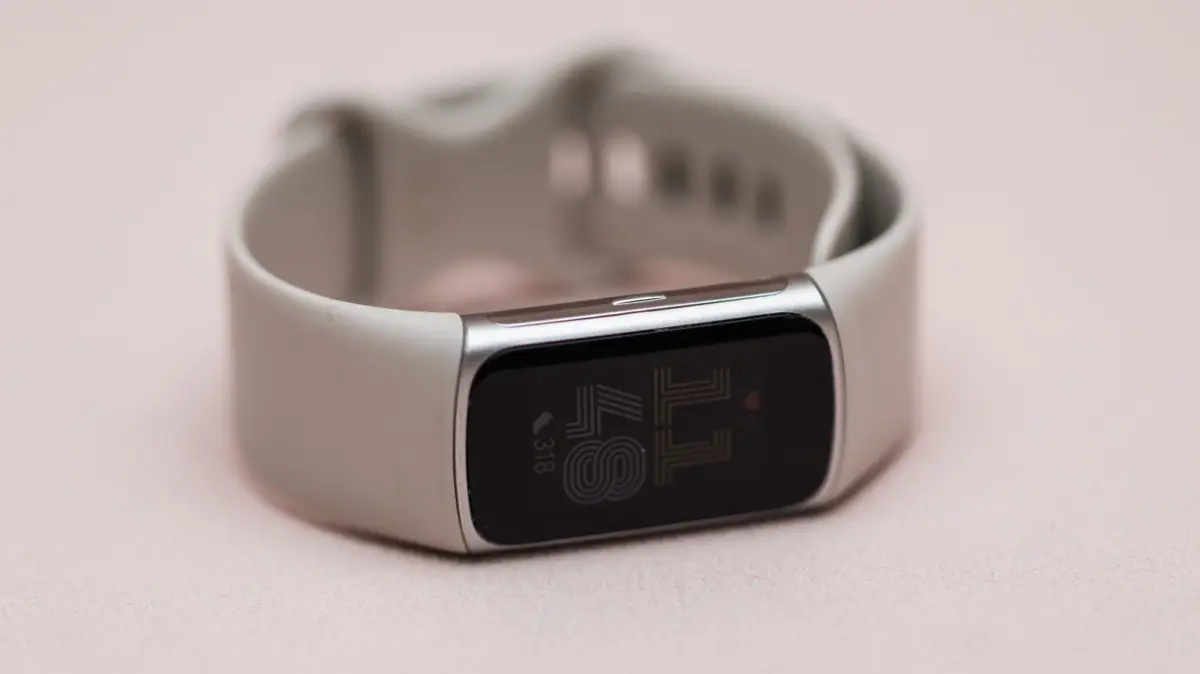
Google has officially confirmed the impending release of a new fitness tracker, widely anticipated to be named the "Fitbit Edge," with an explicit reveal date set for October 12. The technology giant’s health division, Google Health, leveraged its official social media channels on Instagram and X (formerly Twitter) to tease the device, signaling a strategic expansion within its burgeoning wearables portfolio. This new offering is expected to occupy a crucial mid-tier position, bridging the gap between the recently launched, screenless Fitbit Air and the more advanced, premium Pixel Watch 5, thereby catering to a broader spectrum of consumer needs and preferences in the competitive health and fitness tracking market.
The confirmation arrived in the form of cryptic yet definitive social media posts. On both Instagram and X, Google Health shared an image prominently featuring what appears to be a tactile side button on a sleek new wearable device. Accompanying the visual was a succinct caption: "Get an Edge on your health. 10.12.26." The intentional capitalization of "Edge" in the marketing tagline strongly corroborates earlier leaks regarding the device’s nomenclature. Furthermore, the numerical sequence "10.12.26" is unequivocally interpreted as October 12, 2026, marking the designated date for the official unveiling. This carefully orchestrated teaser campaign follows a period of intense speculation and a series of detailed leaks that have progressively unveiled the design, name, and anticipated features of the device.
The Strategic Evolution of Google’s Fitbit Ecosystem
The introduction of the Fitbit Edge is not merely an isolated product launch but a calculated move within Google’s overarching strategy to solidify its presence in the health and fitness technology sector. Since its acquisition of Fitbit in January 2021 for approximately $2.1 billion, Google has been diligently working to integrate Fitbit’s renowned health tracking expertise and established user base into its broader hardware and software ecosystem. This integration aims to create a cohesive and comprehensive health platform, leveraging Google’s AI capabilities and vast resources to enhance personalized wellness experiences.
The Entry Point: Fitbit Air
Earlier this year, Google introduced the Fitbit Air, an entry-level fitness tracker designed for simplicity and accessibility. Priced at $99 in the US and €99 in Europe, the Fitbit Air distinguishes itself by being screenless, relying instead on LED indicators and seamless integration with the Google Health app for data visualization and interaction. Its primary appeal lies in its straightforward approach to activity tracking, sleep monitoring, and basic health metrics, often coupled with an AI coach designed to guide users towards healthier habits. The Air targets individuals new to wearables or those who prefer a minimalist, unobtrusive device focused solely on foundational health insights without the distractions of a full display.
The Premium Offering: Pixel Watch 5
At the opposite end of Google’s wearable spectrum resides the Pixel Watch 5, the company’s flagship smartwatch running on Wear OS. Positioned as a premium device, the Pixel Watch 5 offers a comprehensive suite of features, including advanced health sensors, NFC for payments, robust app support via the Google Play Store, and deep integration with Google services like Google Assistant, Maps, and Calendar. Its sophisticated design, vibrant display, and powerful performance come at a higher price point, appealing to tech enthusiasts and users who desire a full-fledged smartwatch experience with extensive connectivity and smart functionalities. The Pixel Watch 5 represents Google’s direct competition against premium smartwatches from Apple and Samsung.
Introducing the Fitbit Edge: Bridging the Gap
The Fitbit Edge is strategically positioned to fill the significant void between the minimalist Fitbit Air and the high-end Pixel Watch 5. This mid-range segment is crucial, as it caters to a substantial demographic of users who desire more detailed health insights and a visual interface than the Air provides, but do not require the full complexity, extensive app ecosystem, or higher price tag of a premium smartwatch like the Pixel Watch. The Edge is expected to feature a display, offering at-a-glance access to metrics, notifications, and basic app functionalities, without the processing power or battery demands of a full Wear OS device. This positioning allows Google to capture a broader market share, offering a tiered product line that addresses varying consumer budgets and feature requirements.
A Chronology of Leaks and Anticipation
The journey to the Fitbit Edge’s official confirmation has been paved with a series of well-timed leaks and industry observations, building anticipation for its arrival.
- August 2026: The First Glimpse: The initial whispers of a new Google-branded fitness tracker emerged in August 2026. 9to5Google, a reputable source for Google-related news, reported spotting an unnamed fitness tracker in promotional materials for Google’s Pixel 11 smartphone. While the device’s name remained undisclosed, its distinctive design suggested a new iteration in Google’s wearable lineup, immediately sparking speculation among tech enthusiasts.
- Early October 2026: The Name and Design Emerge: As October commenced, the leaks intensified. Android Headlines published a report that provided the first concrete details, revealing not only the anticipated name "Fitbit Edge" but also detailed images of its design. This leak also hinted at some of its built-in applications and core health tracking capabilities, painting a clearer picture of what the device might offer.
- Mid-October 2026: Comprehensive Specifications and Pricing: Shortly after the Android Headlines report, the French magazine Dealabs delivered a comprehensive leak that significantly fleshed out the device’s anticipated specifications. This report confirmed the design and name, and crucially, provided insights into its battery life and potential European pricing. These details allowed for preliminary comparisons with existing devices and further fueled the excitement surrounding the upcoming reveal.
- Current: Google’s Official Teasers: The recent social media posts from Google Health represent the final stage of this pre-launch campaign, transitioning from speculative leaks to official, albeit cryptic, confirmation. These teasers serve to validate much of the earlier leaked information and firmly establish the October 12 reveal date.
Unpacking the Fitbit Edge’s Anticipated Features and Specifications
Based on the multitude of leaks, the Fitbit Edge is shaping up to be a compelling device that blends the best of Fitbit’s core tracking capabilities with an enhanced user interface.
Design and Interface:
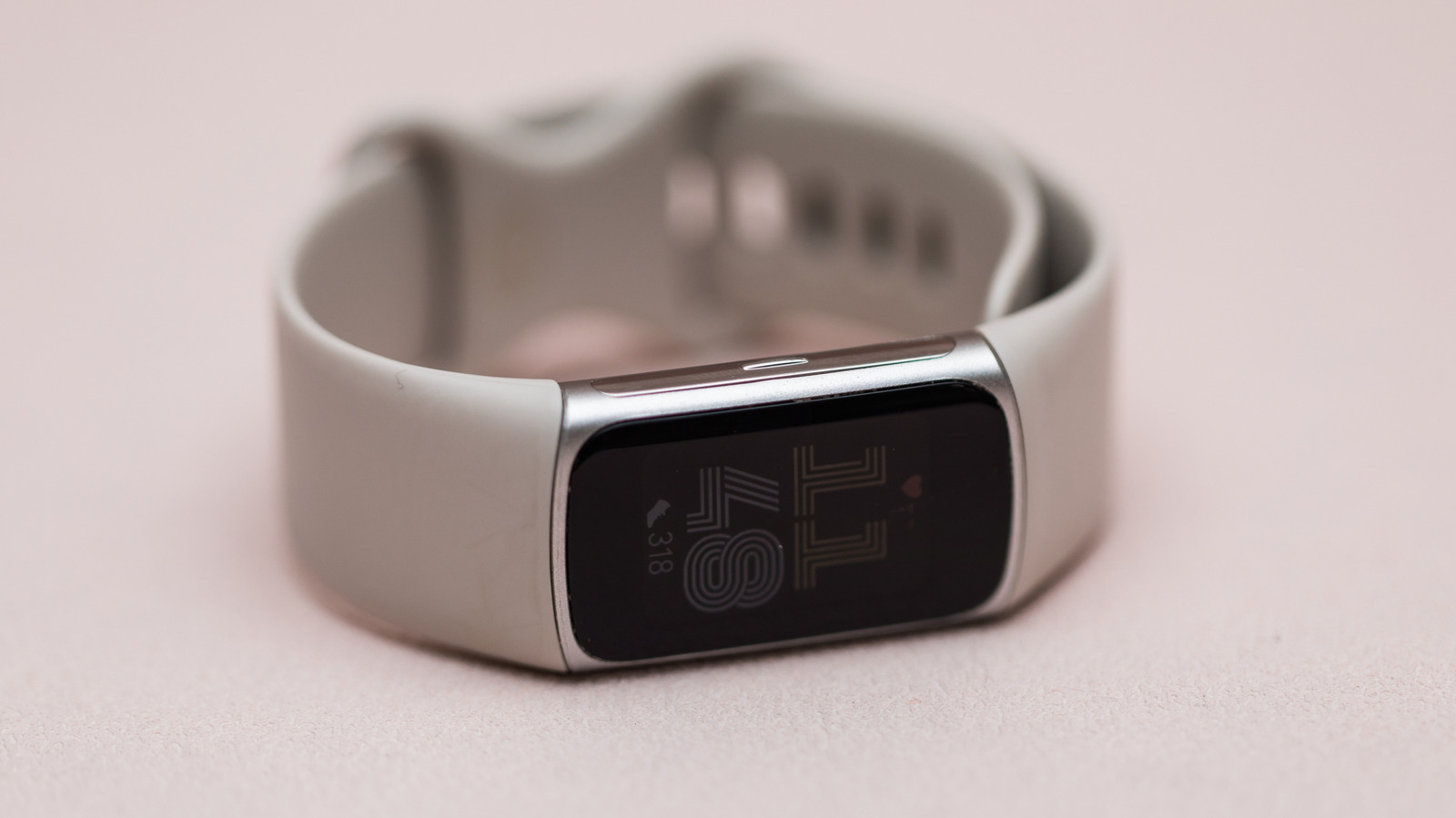
A key differentiator from the screenless Fitbit Air will be the presence of a display, likely an AMOLED panel, offering vibrant colors and sharp text for at-a-glance information. The return of a physical side button, as hinted in Google’s teaser image, is a significant design choice. This could offer improved tactile feedback and navigation compared to purely touch-based interfaces, which can sometimes be cumbersome during workouts or when wearing gloves. The Charge 6, released in 2023, notably brought back a physical side button after its predecessor opted for a haptic sensor, suggesting Google recognizes the value of tangible controls for user experience. The overall aesthetic is expected to maintain Fitbit’s signature sleek and minimalist design, making it comfortable for all-day wear.
Health and Fitness Tracking:
The Fitbit Edge is expected to inherit and potentially enhance the robust health and fitness tracking features that are synonymous with the Fitbit brand. Core functionalities will undoubtedly include:
- Activity Tracking: Step count, distance traveled, calories burned, active zone minutes.
- Heart Rate Monitoring: Continuous heart rate tracking, resting heart rate, and heart rate zones during workouts.
- Sleep Tracking: Detailed analysis of sleep stages (light, deep, REM), sleep score, and insights into sleep quality.
- Stress Management: Potentially leveraging electrodermal activity (EDA) sensors, similar to those found in higher-end Fitbit devices, to monitor stress responses and offer guided mindfulness sessions.
- Blood Oxygen (SpO2) Monitoring: Tracking blood oxygen saturation levels, which can be an indicator of overall respiratory health.
- Workout Modes: A variety of pre-set exercise modes for accurate tracking of different activities.
- GPS Integration: While the extent is unclear, on-device GPS or connected GPS (using the paired smartphone’s GPS) is expected for accurate route tracking during outdoor activities.
The combination of these features would position the Edge as a comprehensive health companion, offering more granular data and actionable insights than basic trackers.
Battery Life Analysis:
One of the most crucial aspects for any wearable device is battery longevity. The Dealabs report indicated that the Fitbit Edge could offer up to seven days of battery life with its always-on display (AOD) disabled. With the AOD enabled, which allows the screen to constantly show time and basic metrics, the battery life is expected to be around two days. This distinction is important for user experience. Seven days without AOD is competitive within the fitness tracker market, often surpassing the battery life of full smartwatches. However, two days with AOD is a more modest figure, though still acceptable for many users who prefer the convenience of an always-visible display. For comparison, the Fitbit Charge 6 typically offers up to seven days, and the Pixel Watch 5, with its full smartwatch capabilities, usually requires daily charging. The Edge’s battery performance, therefore, positions it favorably against full smartwatches while providing a more premium experience than basic trackers.
Pricing Strategy:
The leaked European price of €179 (approximately $200 USD) for the Fitbit Edge provides a clear indication of its market positioning. Considering the Fitbit Air starts at $99 in the US and €99 in Europe, and the Fitbit Charge 6 launched at $159.95 (now often discounted), the Edge’s price point places it squarely in the upper-mid-range segment of fitness trackers. If the US pricing follows a similar pattern, it could land closer to $180, making it an attractive upgrade option for Fitbit Air users seeking more features or a more affordable alternative for those considering a Pixel Watch but finding its price prohibitive. This strategic pricing allows Google to compete effectively with devices like Garmin’s Vivosmart series or Samsung’s Galaxy Fit, which occupy similar price brackets with comparable feature sets.
Google’s Broader Health & Wearables Ambition
The Fitbit Edge is more than just a new gadget; it’s an integral component of Google’s long-term vision for health technology. The 2021 acquisition of Fitbit was a pivotal moment, signaling Google’s serious intent to challenge market leaders like Apple in the health and wearables space. Fitbit brought with it a loyal user base, extensive health data, and years of experience in developing specialized health tracking hardware and software. Google’s task has been to integrate this expertise while leveraging its own strengths in AI, cloud computing, and a vast ecosystem of services.
The Google Health Premium Subscription:
A significant aspect of Google’s health strategy revolves around its Google Health Premium subscription. This service offers users enhanced insights, personalized coaching, detailed wellness reports, and access to exclusive content designed to improve overall health. The Fitbit Edge, with its anticipated advanced tracking capabilities, is perfectly positioned to drive subscriptions to this premium service. By offering more granular data and potential for deeper analysis, the Edge can demonstrate the value proposition of a paid subscription, encouraging users to unlock the full potential of their health data. This recurring revenue model is critical for Google’s sustained investment in health technology.
Unified Health Platform:
Google’s ambition is to create a unified health platform where data from various sources—be it the Fitbit Edge, Fitbit Air, Pixel Watch, or even third-party apps—can be seamlessly integrated and analyzed within a single, cohesive interface, likely centered around the Google Health app. This integration aims to provide users with a holistic view of their well-being, moving beyond fragmented data points to offer actionable insights. The Edge plays a vital role in expanding this data collection, contributing to a richer and more accurate personal health profile.
AI and Personalization:
At the heart of Google’s health vision is the power of artificial intelligence. AI algorithms are crucial for processing vast amounts of health data, identifying patterns, and delivering personalized recommendations. The Fitbit Edge will contribute to this data pool, enabling Google’s AI to offer more tailored coaching, predict potential health trends, and provide proactive wellness advice. This personalization is key to driving user engagement and delivering tangible health outcomes.
Market Implications and Competitive Landscape
The introduction of the Fitbit Edge carries significant implications for the broader wearables market. By strategically segmenting its product offerings, Google aims to enhance its competitive standing across various price points.
Direct Competitors:
In the mid-range fitness tracker segment, the Fitbit Edge will directly compete with established players such as Garmin’s Vivosmart series, which are known for their robust fitness tracking and longer battery life, and Samsung’s Galaxy Fit line, which offers seamless integration within the Samsung ecosystem. Other competitors include offerings from Huawei and Xiaomi, which often provide compelling features at aggressive price points. The Edge’s blend of advanced tracking, a reputable brand name, and deep integration with Google’s services will be its primary differentiators.
Indirect Competition and Ecosystem Strength:
While not a direct competitor, the Edge indirectly impacts Apple’s ecosystem, particularly the Apple Watch SE and older Apple Watch models that might be available at similar price points. Google’s tiered approach allows it to attract Android users who might otherwise consider an Apple Watch for its health features. By offering a comprehensive range of devices, Google strengthens its own ecosystem, making it more attractive for users to stay within the Android/Google fold for all their wearable needs. This diversified portfolio helps Google capture and retain users across different levels of tech savviness and budget constraints, without cannibalizing sales of its premium Pixel Watch.
Expert and Analyst Perspectives
Industry analysts largely view the Fitbit Edge as a critical and logical piece in Google’s evolving health technology strategy. "This tiered approach allows Google to address diverse consumer needs, from the budget-conscious seeking basic tracking to the tech-savvy enthusiast desiring a full smartwatch experience, without forcing a one-size-fits-all solution," commented a leading tech analyst, who requested anonymity due to ongoing client relations with wearable companies. "The Edge represents a smart move to capture the significant middle ground, providing a compelling upgrade path for existing Fitbit Air users and an accessible entry point for those intimidated by the complexity or cost of a Pixel Watch."
Another observer noted, "The re-emphasis on a physical side button, coupled with competitive battery life and a feature-rich health suite, indicates Google is listening to user feedback and aiming for a balanced user experience that prioritizes functionality and ease of use. This device could be instrumental in driving adoption of Google Health Premium, solidifying Google’s position as a serious contender in digital health."
Looking Ahead: The October 12 Reveal
All eyes will be on Google on October 12, when the company is expected to fully unveil the Fitbit Edge. The official announcement is anticipated to confirm all leaked specifications, provide definitive pricing and availability details for various regions, and potentially introduce new software features or integrations that were not part of the earlier leaks. This event will not only reveal a new device but also offer a clearer glimpse into Google’s long-term commitment to its wearable strategy and its ambition to become a dominant force in personalized health technology. The Fitbit Edge stands to be a significant release, poised to redefine expectations for mid-range fitness trackers and further integrate Google into the daily wellness routines of millions.







