
 George Chandra Eka
LG Electronics, a global leader in consumer electronics and home entertainment, has announced a significant upgrade to its premium Sound Suite home theater system, introducing DTS:X immersive audio support, Google Cast functionality, and enhanced hardware capabilities. These enhancements, reportedly driven by comprehensive customer feedback, aim to further solidify Sound Suite’s position as a top-tier, modular home audio solution, offering unparalleled flexibility and cutting-edge performance. The company also teased a future "Media Connect Hub" designed to expand DTS:X device compatibility, signaling a continued commitment to evolving the home theater landscape.
Background: LG’s Dominance in Home Entertainment and the Genesis of Sound Suite
LG has long been recognized for its innovation across various consumer electronics segments, particularly its groundbreaking OLED televisions and an extensive range of audio products, including soundbars and complete surround sound systems. This reputation for quality and innovation laid the groundwork for the Sound Suite, a product line conceived to address the evolving demands of discerning audiophiles and home theater enthusiasts. Launched with considerable anticipation, the Sound Suite distinguishes itself through its unique modular design, allowing users to select individual speaker components "à la carte" to precisely match their specific spatial requirements and acoustic preferences.
At its core, the original Sound Suite leveraged Dolby Atmos FlexConnect technology, a pioneering feature that enabled users to place wireless speakers virtually anywhere in a room without the traditional constraints of wire management or complex calibration. This technology intelligently analyzes the room acoustics and speaker placement, optimizing sound delivery to create a truly immersive, object-based audio experience. The flexibility offered by Dolby Atmos FlexConnect was a significant draw, promising a premium home theater setup that was both powerful and remarkably adaptable. Despite its premium pricing, the initial reception for Sound Suite underscored a market demand for high-performance, customizable audio solutions.
The Strategic Imperative: Responding to Evolving Consumer Expectations
In the highly competitive home entertainment sector, continuous innovation and responsiveness to consumer needs are paramount. LG’s decision to integrate DTS:X and Google Cast, alongside hardware upgrades, is a direct reflection of this philosophy. The company explicitly stated that these new features are a response to direct customer feedback, indicating a strategic effort to enhance the system’s capabilities and user experience based on real-world usage and desires. This proactive approach ensures that the Sound Suite remains at the forefront of audio technology, catering to a broader spectrum of content and connectivity preferences.
Deep Dive into DTS:X Integration: Expanding Immersive Audio Horizons
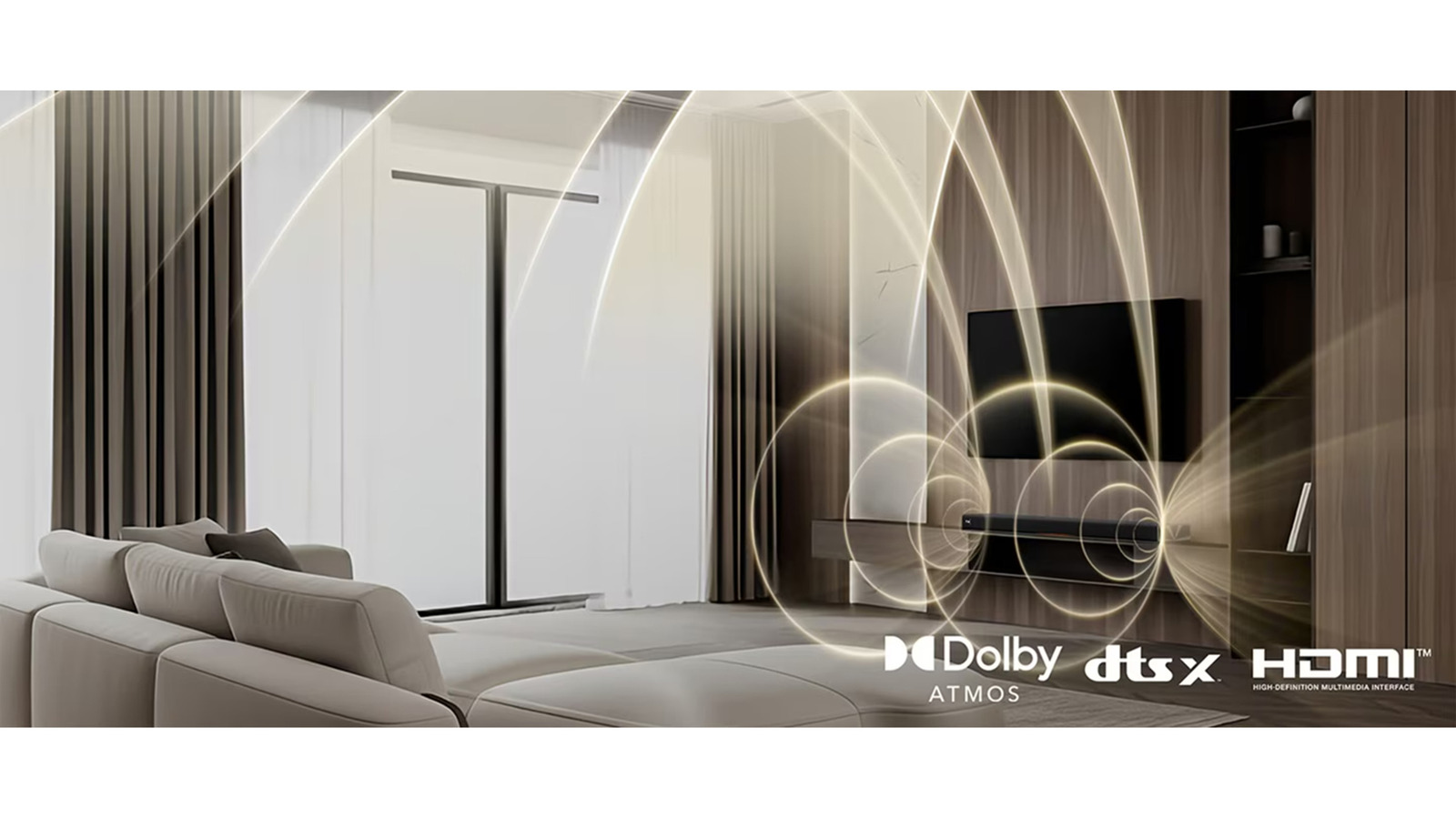
The most prominent new feature is the integration of DTS:X immersive audio support for the H7 soundbar, which serves as the central hub of the LG Sound Suite. DTS:X is a next-generation, object-based audio codec, much like Dolby Atmos, designed to deliver multi-dimensional sound that moves around and above the listener, creating a more lifelike and engaging experience. Unlike traditional channel-based audio, DTS:X allows sound engineers to place specific sounds (objects) in a 3D space, which the system then renders dynamically based on the speaker configuration.
The addition of DTS:X is particularly significant because it offers "home theater enthusiasts additional ways to enjoy immersive, multi-dimensional audio from compatible content and source devices." For years, the battle between DTS and Dolby has shaped the home audio landscape, with both formats offering compelling, albeit subtly different, approaches to surround sound. By supporting both Dolby Atmos (via FlexConnect) and now DTS:X, LG’s Sound Suite positions itself as a truly universal premium home theater system, capable of decoding and rendering virtually any high-fidelity, object-based audio track available on Blu-ray, 4K Ultra HD discs, and streaming platforms. This dual-format support eliminates the need for consumers to choose between systems based on their preferred audio codec, providing maximum compatibility and choice. The move reflects an industry trend towards offering comprehensive audio format support, acknowledging that content creators and consumers have diverse preferences and existing media libraries.
Seamless Connectivity: The Power of Google Cast
Another major enhancement to the H7 soundbar is the inclusion of Google Cast support. Google Cast is a technology that allows users to stream audio and video content from their mobile devices, tablets, or computers directly to compatible speakers and displays over a Wi-Fi network. For the Sound Suite, this means users can effortlessly cast music, podcasts, and other audio content from a vast array of popular applications (such as Spotify, YouTube Music, Google Podcasts, and many more) directly to their LG Sound Suite system.
This integration significantly boosts the Sound Suite’s utility beyond just home theater viewing. It transforms the system into a robust multi-room audio solution and a central component of a smart home ecosystem. The convenience of simply tapping a "Cast" icon within an app to instantly play audio through a high-fidelity sound system cannot be overstated. It eliminates the need for Bluetooth pairing, which often comes with compression and range limitations, and provides a more stable, higher-quality audio stream. From a strategic perspective, Google Cast broadens the Sound Suite’s appeal to users deeply embedded in the Google ecosystem, offering seamless integration and ease of use that is increasingly expected in modern smart devices.
Hardware Advancements: Dual Subwoofers and Enhanced Wi-Fi
Beyond the software and codec updates, LG has also introduced crucial hardware-related enhancements to the Sound Suite, directly impacting its acoustic performance and operational flexibility.
Dual W7 Subwoofer Support: For those who demand the ultimate in low-frequency response, LG is now adding support for dual W7 subwoofer setups. Subwoofers are critical components for reproducing deep bass frequencies, adding impact and realism to movies, music, and games. While a single subwoofer can deliver powerful bass, a dual subwoofer configuration offers several significant advantages:
- Smoother Bass Response: Two subwoofers strategically placed can help to even out the bass response across a larger listening area, minimizing "nulls" (areas where bass frequencies cancel out) and "peaks" (areas where bass is excessively loud). This results in a more consistent and impactful low-end experience for everyone in the room.
- Increased Headroom and Dynamic Range: With two subwoofers sharing the workload, each unit operates with less strain, allowing for higher volume levels without distortion and providing greater dynamic range for explosive sound effects or deep musical notes.
- Enhanced Immersion: A more evenly distributed and powerful bass foundation contributes significantly to the overall immersive quality of the sound, drawing listeners deeper into the content. This feature caters directly to audiophiles and cinephiles who prioritize pristine and potent bass reproduction.
Expanded Wi-Fi Connectivity (Wi-Fi 6 GHz and 5 GHz DFS Channels): The Sound Suite’s modular and wireless nature relies heavily on robust and reliable wireless connectivity for its speaker components. LG is enhancing this crucial aspect by adding support for Wi-Fi 6 GHz networks and 5 GHz DFS (Dynamic Frequency Selection) channels.
- Wi-Fi 6 GHz (Wi-Fi 6E): The 6 GHz band, introduced with Wi-Fi 6E, offers significant advantages for high-bandwidth, low-latency applications. It provides a vast amount of new spectrum, largely uncluttered by older Wi-Fi devices or other wireless interference. This translates to faster speeds, lower latency, and dramatically reduced congestion, which is ideal for streaming high-resolution audio between multiple wireless speakers in a multi-channel setup. For the Sound Suite, this means even more stable and responsive communication between the soundbar and its satellite speakers, minimizing dropouts and ensuring precise audio synchronization.
- 5 GHz DFS Channels: DFS channels are specific frequencies within the 5 GHz Wi-Fi band that are shared with radar systems (e.g., weather radar, military radar). Devices using DFS channels must detect radar signals and vacate those channels if radar is present, moving to an alternative frequency. While this sounds complex, it actually opens up a much larger pool of available channels in the 5 GHz band, particularly in densely populated areas where standard 5 GHz channels can become heavily congested. By supporting 5 GHz DFS, LG is providing users with "more stereo and multi-speaker configuration options within the Sound Suite environment," ensuring greater flexibility and resilience against wireless interference, even in crowded network environments. This is vital for maintaining the integrity of a complex, multi-speaker wireless audio system.
The Enigmatic "Media Connect Hub": A Glimpse into the Future
Perhaps the most intriguing part of LG’s announcement is the tease of a "Media Connect Hub" for DTS:X devices that is currently in development. While details remain deliberately vague, LG stated that this hub "will enable DTS:X from compatible external source devices and further expand access to DTS:X content." This hints at a dedicated device designed to bridge the gap between various media sources and the Sound Suite system, particularly for DTS:X content.
One logical inference is that this hub could serve as a dedicated input switcher or processor for devices like Blu-ray players, 4K Ultra HD disc players, gaming consoles, or even high-end media servers that output DTS:X audio. Many modern TVs act as passthrough devices, but a dedicated hub could offer more robust processing, additional inputs, or even proprietary LG features that enhance the DTS:X experience within the Sound Suite ecosystem. It could also potentially incorporate advanced HDMI features (like HDMI 2.1 with full bandwidth support for 4K/120Hz pass-through and Variable Refresh Rate) that are critical for cutting-edge home theater setups. By hinting at such a device, LG is not only building anticipation but also signaling its long-term vision for the Sound Suite – one that aims to be a comprehensive, future-proof entertainment solution at the heart of the modern smart home.
Market Implications and Competitive Positioning
These comprehensive updates to the LG Sound Suite are poised to have significant implications for both LG’s market standing and the broader home theater industry. By embracing dual object-based audio formats (Dolby Atmos and DTS:X), LG positions the Sound Suite as a highly versatile and future-ready system. This strategy directly competes with other premium soundbar and home theater manufacturers like Samsung (with its Q-Symphony and proprietary audio technologies), Sony (known for its acoustic innovations and 360 Reality Audio), and specialized audio companies like Sonos.
The addition of Google Cast enhances the Sound Suite’s appeal as a lifestyle product, integrating it seamlessly into the smart home ecosystem alongside other connected devices. This move aligns with the increasing consumer demand for interconnected devices that offer both high performance and effortless usability. The hardware upgrades, particularly the dual subwoofer support and advanced Wi-Fi capabilities, underscore LG’s commitment to delivering uncompromised audio fidelity and system stability, addressing the needs of the most demanding users.
Industry analysts are likely to view these updates as a shrewd strategic move by LG. "In a market saturated with soundbars, LG’s Sound Suite distinguished itself with its modularity," comments a hypothetical industry analyst, Dr. Eleanor Vance from TechInsights. "Now, with comprehensive codec support and robust connectivity, it’s becoming a true contender for the most discerning home theater buyers. The tease of a Media Connect Hub suggests LG is thinking holistically about the entire content consumption chain, not just the output."
Availability and Implementation Timeline
LG has indicated that the new software updates, including DTS:X and Google Cast support, are already rolling out in some regions. However, the company also cautioned that "timing and availability could be different depending on your location." This phased rollout is typical for major software updates across global product lines, allowing LG to monitor performance and address any unforeseen issues proactively. Existing Sound Suite owners should regularly check for firmware updates through their system’s settings or LG’s official support channels to ensure they receive the latest features. The Media Connect Hub, being "in development," will naturally follow at a later, unannounced date.
Conclusion: A Commitment to the Premium Home Theater Experience
LG’s latest enhancements to its Sound Suite home theater system represent a significant step forward in delivering a truly premium and flexible audio experience. By integrating DTS:X, Google Cast, and bolstering core hardware capabilities based on direct customer feedback, LG is not only future-proofing its flagship audio offering but also reinforcing its commitment to innovation in the home entertainment sector. The Sound Suite, with its newfound versatility and robust feature set, is poised to offer an even more compelling proposition to consumers seeking a customizable, high-fidelity, and seamlessly integrated home audio solution. The anticipation surrounding the teased Media Connect Hub further underscores LG’s ambition to remain at the vanguard of immersive audio technology, continually pushing the boundaries of what is possible in the modern home theater.







