Metty Iskandar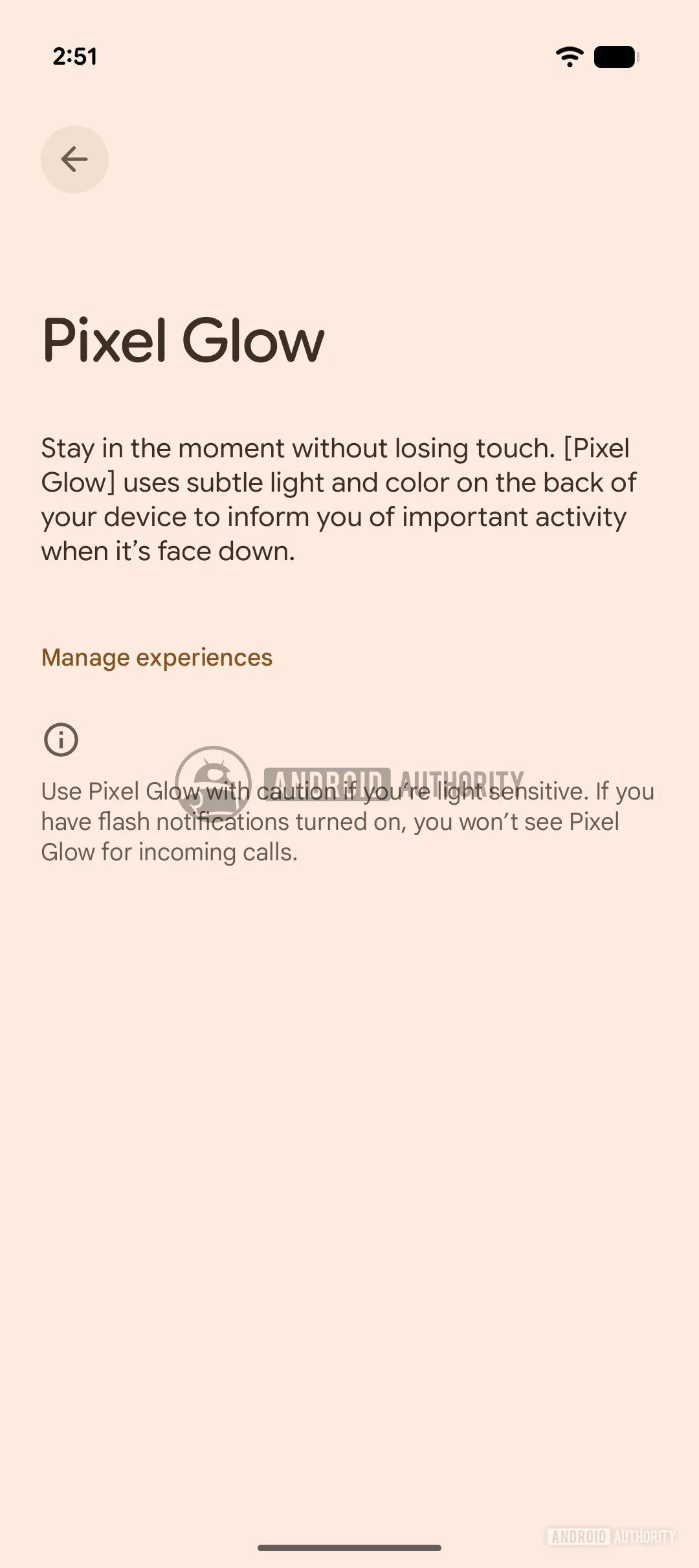
The latest iteration of Google’s mobile operating system, Android 17 Beta 4, has been released, signaling Google’s continued progress toward a stable launch. While this late-stage beta is not expected to introduce extensive user-facing modifications, internal development continues at a rapid pace. A recent deep dive into the new build has unearthed a curious detail that could indicate a significant hardware innovation for the forthcoming Pixel 11 series: a feature tentatively named "Pixel Glow."
This potential new functionality, first hinted at in Android 17 Beta 2 under the codename "Orbit" and initially referred to as "Light Animations," is now more clearly defined. The evolving terminology and emerging code strings suggest a sophisticated system designed to provide visual notifications through integrated lighting on the device. This development represents a departure from Google’s previous notification methods and could position the Pixel 11 series with a unique hardware differentiator in the competitive smartphone market.
Unveiling "Pixel Glow": A New Dimension in Notifications
The discovery of "Pixel Glow" within Android 17 Beta 4 provides a clearer picture of its intended purpose. Unlike the screen-based or LED flash notifications introduced in Android 14’s "Flash Notifications," Pixel Glow appears to leverage dedicated hardware lights on the device itself. The accompanying screenshots and code snippets reveal strings such as "Whether subtle lights should be shown when the user’s favourite contracts call them (when the Pixel Glow feature is enabled)" and "Use subtle light and color to stay informed when your device is face down."
This suggests a feature that goes beyond simple call alerts. The integration with "Gemini," Google’s AI assistant, is also explicitly mentioned. Strings like "Hands-free interactions using visual feedback" and "Speaking with Gemini" indicate that Pixel Glow could provide visual cues during AI interactions, potentially mirroring the rainbow-like visual motifs Google has associated with Gemini’s branding. This synergy between hardware illumination and AI functionality points towards a more immersive and intuitive user experience.
A Timeline of Discovery: From "Orbit" to "Pixel Glow"
The journey to understanding Pixel Glow began in Android 17 Beta 2. At that stage, developers identified early-stage work on "Light Animations" with a mysterious reference to "Orbit." The ambiguity surrounding "Orbit" left its function open to speculation, with many assuming it was a codename for a new animation engine or a system-level enhancement. The limited information available at the time offered little insight into its potential user-facing applications.
However, the evolution to Android 17 Beta 4 has significantly clarified the situation. The rebranding to "Pixel Glow" and the accompanying descriptive text in the code provide concrete details. The development trajectory indicates a phased approach, starting with foundational elements and progressing to more defined features and integration points. This methodical progression is typical of Google’s development cycles, allowing for iterative testing and refinement before public release.
Technical Underpinnings: The "Hardware Lights" Requirement
The most compelling piece of evidence for a hardware-based notification system comes from a direct code string: "The device must have hardware lights." This declarative statement leaves little room for interpretation, confirming that Pixel Glow is not a software-only feature that relies on existing components like the screen or camera flash.
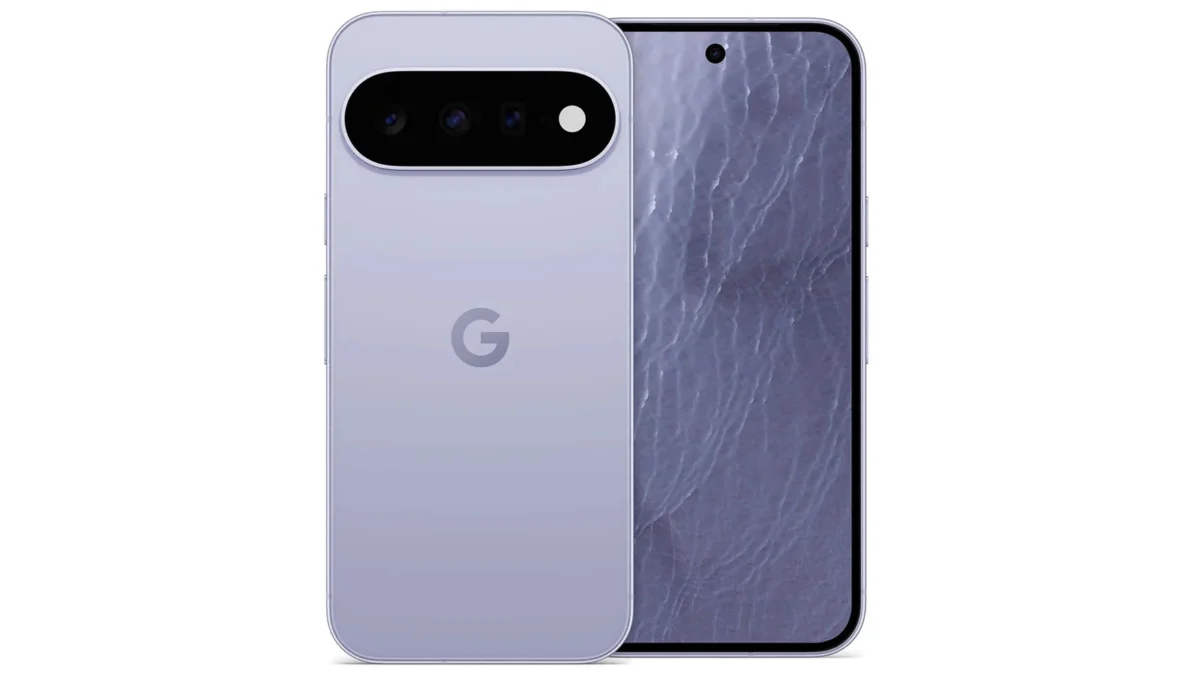
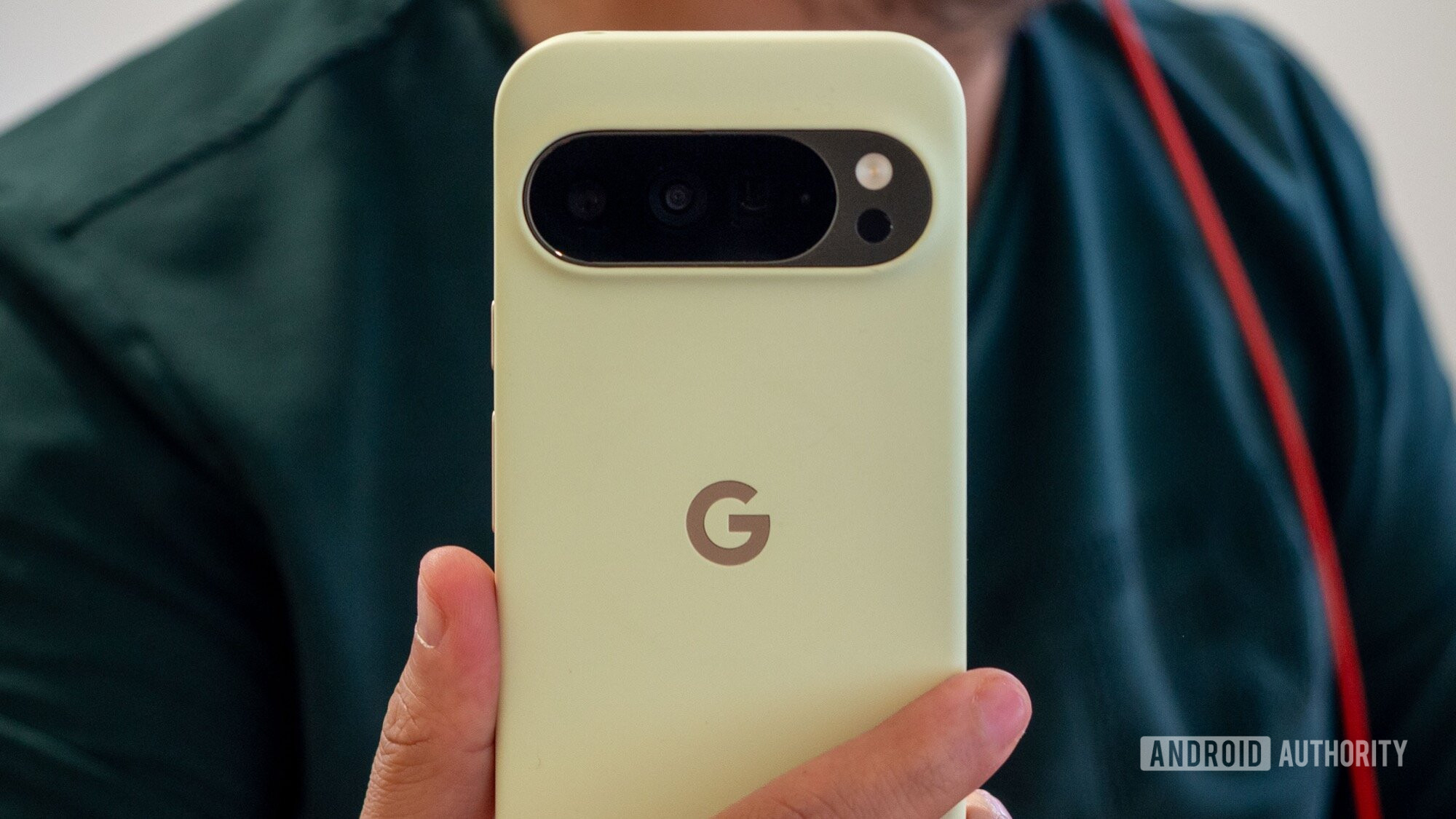
The implication of this requirement is that the Pixel 11 series, or at least its premium models, will likely incorporate dedicated lighting elements. While recent renders of the Pixel 11 have not prominently displayed such features, it is plausible that these CAD-based leaks might not fully represent all internal hardware components, especially if they are subtly integrated. The camera bar, a distinctive design element of Pixel phones, could potentially house these new lights, offering a discreet yet effective notification system.
Analyzing the Implications: What "Pixel Glow" Could Mean for Users
The introduction of "Pixel Glow" could have several significant implications for the Pixel 11 user experience and the broader smartphone market.
- Enhanced Notification System: This feature offers a novel way to receive notifications, particularly when the device is face down. This could be invaluable in meeting environments or situations where direct screen attention is not feasible, providing discreet yet informative alerts. The ability to customize lights for favorite contacts adds a personal touch and prioritization layer.
- Deeper AI Integration: The explicit link to Gemini suggests that Pixel Glow could serve as a visual companion to AI interactions. This could manifest as pulsing lights during voice commands, color changes to indicate AI processing status, or even visual feedback during generative AI tasks. This integration aligns with Google’s strategy of embedding AI across its product ecosystem.
- Hardware Differentiation: In a market where hardware innovations are becoming increasingly incremental, dedicated notification lights would be a notable differentiator for the Pixel 11 series. This could attract users who value unique features and a more tactile, visual interaction with their devices. It also opens up possibilities for app developers to leverage these lights for custom notifications.
- Potential for Future Development: If successful, "Pixel Glow" could pave the way for more advanced lighting features in future Pixel devices, potentially expanding beyond notifications to include ambient lighting effects, charging indicators, or even unique visual cues for gaming and media consumption.
Contextualizing the Feature: Google’s History with Notifications
Google’s exploration of notification lights is not entirely new. "Flash Notifications," introduced in Android 14, offered a basic form of visual alerting by utilizing the screen’s backlight or the camera’s LED flash. While functional, these methods were limited by the capabilities of existing hardware. The camera flash, for instance, is often a bright, attention-grabbing light that might not be suitable for all situations. Screen-based notifications, while more versatile, require the screen to be active or at least responsive.
Pixel Glow represents a significant evolutionary leap. By incorporating dedicated hardware, Google aims to provide a more nuanced and controlled lighting experience. The emphasis on "subtle lights" suggests a departure from the often-jarring nature of camera flashes and a move towards more aesthetically pleasing and contextually appropriate visual feedback.
Official Stance and Future Outlook
As of the current development stage, Google has not made any official statements regarding "Pixel Glow." This is typical for features discovered through APK teardowns and beta testing. Such features are often subject to change, refinement, or even complete removal before a stable release. However, the level of detail and the clear requirement for dedicated hardware suggest that this is a feature Google is seriously considering for future hardware.
The implications of this discovery are substantial, as it points towards a deliberate hardware design decision for the Pixel 11 series. Industry analysts are watching closely to see if this feature materializes, as it could signal a new direction for smartphone notification systems and enhance the competitive standing of Google’s flagship devices.
Broader Impact and Industry Trends
The potential introduction of "Pixel Glow" aligns with a broader trend in the technology industry towards more personalized and intuitive user experiences. As artificial intelligence becomes more deeply integrated into our devices, the need for seamless and informative communication between user and machine grows. Visual cues, such as those offered by Pixel Glow, can play a crucial role in bridging this gap, offering an alternative to purely auditory or haptic feedback.
Furthermore, the smartphone market is increasingly characterized by a focus on premium features that differentiate high-end devices. Dedicated hardware elements that offer unique functionality can command higher price points and appeal to a discerning consumer base. If Google successfully implements Pixel Glow in a way that is both practical and aesthetically pleasing, it could set a new benchmark for notification systems in the premium smartphone segment.
Conclusion: A Glimpse into the Future of Pixel
The discovery of "Pixel Glow" within Android 17 Beta 4 offers a tantalizing glimpse into the potential innovations awaiting us in the Pixel 11 series. The move from a software-based notification system to one reliant on dedicated hardware signifies a significant engineering undertaking and a commitment to enhancing the user experience. While the specifics remain under wraps and subject to change, the evidence strongly suggests that Google is preparing to illuminate its next generation of flagship smartphones with a novel and potentially impactful feature. The tech world will undoubtedly be watching closely as more information surfaces, eagerly anticipating the full reveal of what "Pixel Glow" will bring to the table.
A disclaimer regarding APK teardowns: An APK teardown assists in predicting features that may be incorporated into future service releases based on work-in-progress code. It is important to note that such predicted features may not ultimately be included in a public release.