Metty Iskandar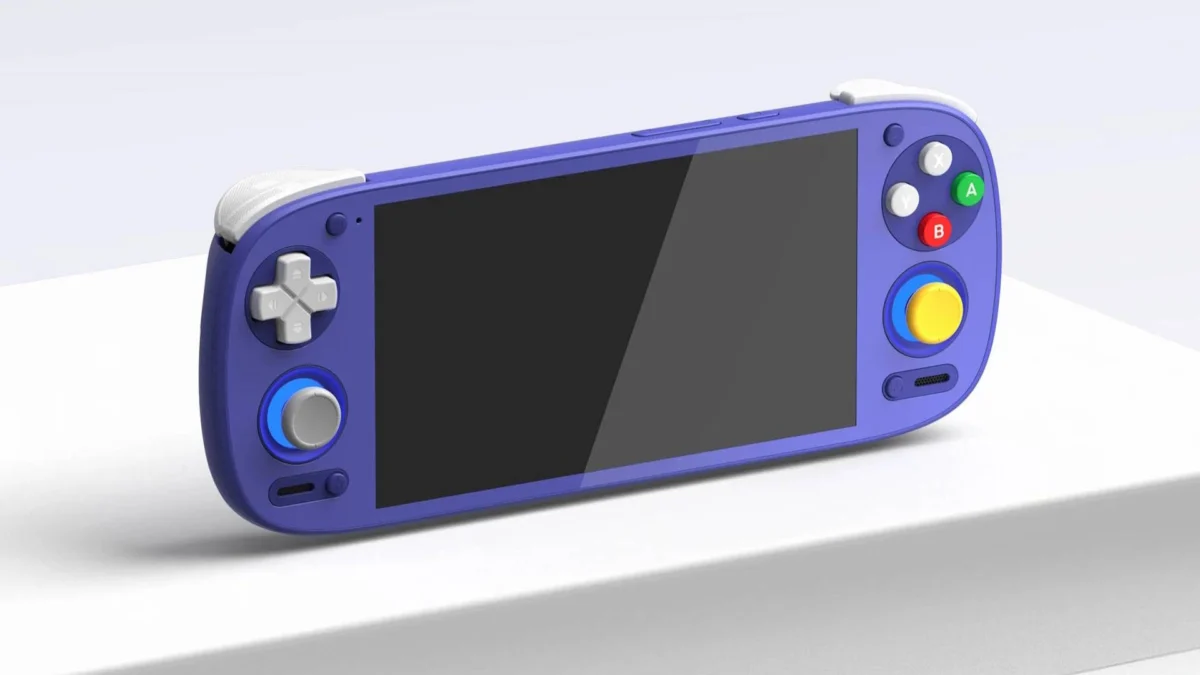
The landscape of portable gaming is undergoing a dramatic transformation, with recent advancements in hardware and software blurring the lines between dedicated handheld consoles and powerful PC gaming devices. The latest development to capture the attention of enthusiasts is the successful integration of Steam, Valve’s ubiquitous digital storefront and gaming platform, onto a range of Android-based gaming handhelds, thanks to the innovative work of the Rocknix development team. This groundbreaking achievement effectively positions devices like the Retroid Pocket 5 and its contemporaries as unofficial, miniature Steam Decks, offering a tantalizing glimpse into a future where high-fidelity PC gaming is truly pocketable.
The journey from early Android gaming handhelds, often limited to emulation and mobile titles, to the current capability of running PC games is a testament to the rapid pace of technological evolution. What was once a distant aspiration – playing full-fledged Steam library titles on a device that fits in one’s palm – is now a tangible reality, albeit one still in its nascent stages. The Rocknix distribution of Linux, specifically tailored for portable gaming devices, has emerged as the key enabler of this paradigm shift. The Rocknix team’s latest build now allows these Android handhelds to leverage Valve’s Proton compatibility layer, a crucial component that enables Windows-based games to run on Linux systems. This development is particularly significant in the context of ongoing supply chain issues and growing shortages of dedicated PC gaming hardware like the official Steam Deck, making these more accessible alternatives increasingly attractive.
A Year of Evolving Capabilities: The Rise of the "Unofficial Steam Deck"
The concept of running PC games on Android handhelds is not entirely new, but previous attempts often involved complex workarounds, limited game compatibility, or significant performance compromises. The introduction of Rocknix’s robust Linux distribution marks a significant leap forward. This new iteration streamlines the process, offering a more integrated and user-friendly experience for installing and running Steam. The implication is that a vast library of PC games, previously confined to desktops and laptops, can now be enjoyed on the go, powered by the very devices many gamers already own or are considering purchasing.
The Rocknix project has been steadily building a reputation within the retro and portable gaming communities for its dedication to optimizing Linux for these specialized devices. Their "tinkerer’s distribution" is designed to unlock the full potential of the hardware, often pushing beyond the limitations imposed by the native Android operating system. The recent announcement regarding Steam integration has amplified this reputation, drawing considerable attention from both the developers and the end-users who have been eagerly awaiting such a development. This move by Rocknix is not merely about adding a new feature; it represents a fundamental expansion of the capabilities and potential use cases for a burgeoning category of consumer electronics.
Hardware Support and Current Limitations
While the prospect of running Steam on a multitude of Android handhelds is exciting, it’s important to acknowledge the current limitations and hardware dependencies. The Rocknix build currently offers support for a select range of Qualcomm chipsets. This means that not all popular gaming handhelds will be immediately compatible. For example, devices powered by the latest Snapdragon 8 Elite, such as the forthcoming Ayaneo Pocket 2 or potential future iterations of devices like the Ayn Odin, may not yet have full Rocknix support for Steam integration. This selective compatibility underscores the intricate nature of optimizing software for diverse hardware configurations and the ongoing work required to broaden its reach.
Furthermore, the performance and compatibility of individual Steam games will vary significantly. Games that heavily rely on advanced graphics technologies, such as ray tracing or specific DirectX features that are not yet fully emulated or supported by Proton on these mobile chipsets, may encounter issues or simply not run. The Rocknix team has been transparent about this, noting that games requiring RTX features "may not work." This highlights the fact that these devices are still operating within the boundaries of their mobile-class hardware, even when running PC titles. The experience is not intended to directly rival that of a dedicated gaming PC or even the official Steam Deck, which is built with PC gaming performance as its primary objective.
The Unstable Frontier: Navigating Nightly Builds
A crucial aspect of the current Rocknix Steam integration is its availability exclusively through unstable nightly builds. This means that users who wish to be at the forefront of this technological advancement will be engaging with software that is under active development and may contain bugs or exhibit unpredictable behavior. The Rocknix team’s commitment to rapid iteration and continuous improvement is commendable, but it also necessitates a degree of caution from users.
The decision to release through nightly builds, while accelerating development and allowing for early community feedback, means that stability and a seamless user experience are not guaranteed. Users might encounter crashes, performance inconsistencies, or compatibility issues with certain games or system functions. This approach is common in open-source development, where early adopters can contribute valuable testing and feedback, helping to refine the software before a more stable public release. However, for the average consumer looking for a plug-and-play experience, it is advisable to wait until a more polished and stable version of Rocknix is available.
A Glimpse into the Future of Portable PC Gaming
Despite the current caveats, the integration of Steam onto Android handhelds via Rocknix represents a significant milestone. It democratizes access to a broader spectrum of gaming experiences on portable devices, offering a compelling alternative for those who find the official Steam Deck either unavailable or too expensive. The success of this project also signals a potential future where the lines between mobile gaming, retro emulation, and full-fledged PC gaming become increasingly blurred.
The implications for the portable gaming market are substantial. It could spur further innovation from both hardware manufacturers and software developers, encouraging a more competitive and diverse ecosystem. As emulation technology improves and hardware capabilities continue to advance, we might see more devices designed from the ground up to cater to this hybrid gaming experience. The ability to access a vast PC game library on a portable device opens up new avenues for gameplay, allowing users to continue their PC gaming adventures wherever they go, without being tethered to a desk.
Community Engagement and Access to Development Builds
The Rocknix team has provided clear channels for users to engage with the development process and access the latest builds. Enthusiasts looking to explore this cutting-edge functionality can download the nightly builds from the official Rocknix nightly builds repository. Detailed installation guides and system-specific instructions are available on the Rocknix Wiki, ensuring that users have the necessary resources to attempt the installation on their supported devices.
The active participation of the community is vital for the continued refinement and expansion of Rocknix’s capabilities. By providing feedback on bugs, performance issues, and game compatibility, users can directly contribute to making this technology more accessible and robust for everyone. This collaborative approach is a hallmark of open-source development and has been instrumental in the progress of projects like Rocknix.
The Broader Context: The Evolving Gaming Handheld Market
The rise of powerful Android gaming handhelds has been a notable trend in recent years. Devices from manufacturers like Retroid, Ayn, and Ayaneo have carved out a significant niche by offering versatile platforms capable of running a wide array of games, from retro emulators to modern Android titles. These devices often appeal to a demographic that values portability, affordability, and the flexibility to play different types of games.
The scarcity and premium pricing of the official Valve Steam Deck have also created an opportunity for these alternative devices. While not direct competitors in terms of raw PC gaming power, they offer a more accessible entry point into portable gaming and, with developments like Rocknix, are increasingly encroaching on the territory previously dominated by PC-centric handhelds. The ability to run Steam games, even with current limitations, elevates these Android handhelds from niche retro devices to versatile gaming machines with a much broader appeal. This evolution suggests a future where the definition of a "gaming handheld" will continue to expand, encompassing a wider range of hardware and software capabilities. The successful integration of Steam by Rocknix is a significant step in this ongoing narrative, promising an exciting future for portable entertainment.